20 Jun 2026
- 0 Comments
Find Your Perfect Healthy Indian Snack
Select your primary health goal to discover the most nutritious traditional snack recommendation.
Walk into any Indian household or street corner, and you’ll find a feast of snacks. But let’s be honest: most of them are deep-fried in oil, loaded with refined sugar, or stuffed with white flour. If you’re looking for that one perfect snack that satisfies your cravings without wrecking your health goals, you might feel stuck. The truth is, there isn’t just *one* single "most healthy" Indian snack. It depends on what your body needs right now-protein, fiber, or just a quick energy boost.
However, if we look at nutritional density, satiety, and minimal processing, a few traditional options stand out above the rest. These aren’t new inventions; they are staples from our grandmothers’ kitchens that have been proven to keep us lean and energetic. Let’s break down the real contenders for the title of the healthiest Indian snack and why they deserve a spot in your daily routine.
The Undisputed Champion: Roasted Chana
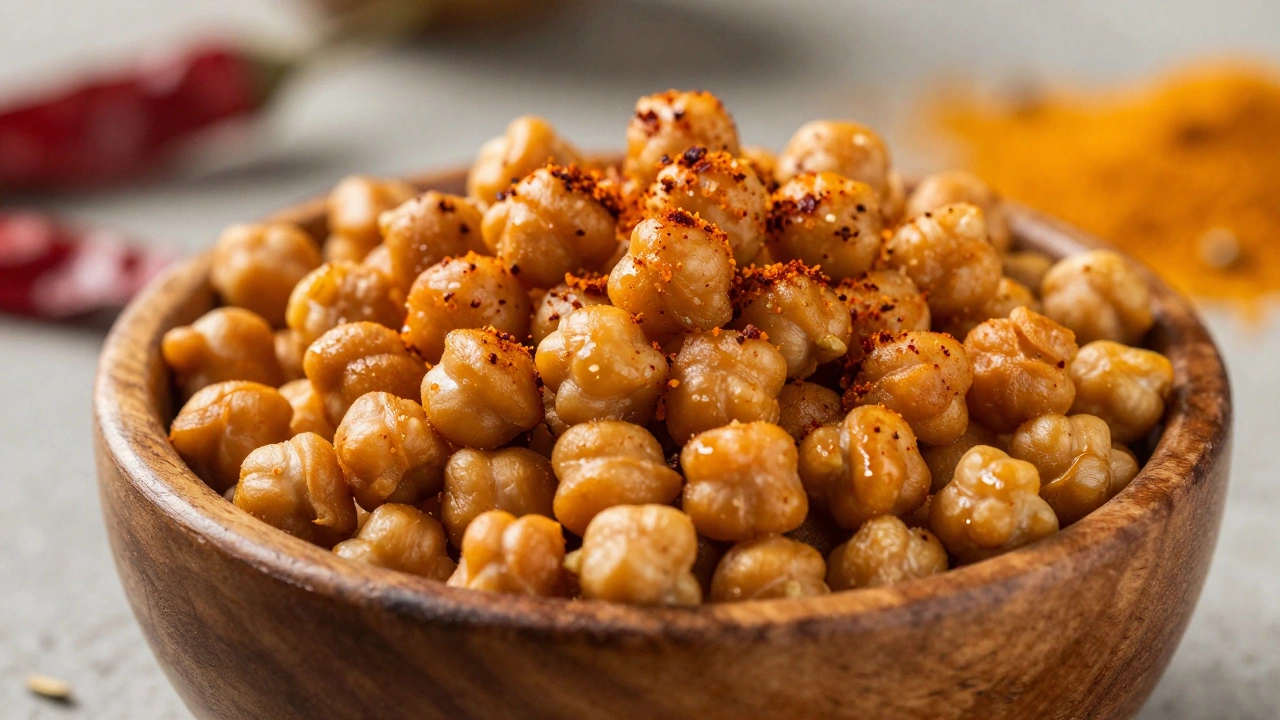
If I had to pick one winner, it would be Roasted Chana (also known as Bhuna Chana). This humble chickpea variety is arguably the most balanced snack available in India. Unlike regular boiled chickpeas used in curries, roasted chana is dry-roasted until crispy, making it shelf-stable and incredibly satisfying to eat.
Why does it win? It hits the sweet spot of macronutrients. A small bowl (about 30 grams) gives you roughly 12 grams of protein and 8 grams of dietary fiber. That combination is magic for blood sugar control. You won’t experience that mid-afternoon crash that comes with eating biscuits or namkeen. Plus, it’s naturally gluten-free and vegan. In Sydney, where I live, I often see people reaching for imported nuts which are expensive. Roasted chana is a fraction of the price and offers similar satiety benefits.
| Nutrient (per 30g serving) | Roasted Chana | Makhana (Fox Nuts) | Sev Puri (1 plate) | Biscuits (4 pcs) |
|---|---|---|---|---|
| Calories | ~110 kcal | ~35 kcal | ~150-200 kcal | ~140 kcal |
| Protein | 7-8g | 1g | 3g | 2g |
| Fiber | 6g | 1g | 2g | 1g |
| Sugar | 0g | 0g | 5g+ | 8g+ |
The Low-Calorie King: Makhana (Fox Nuts)
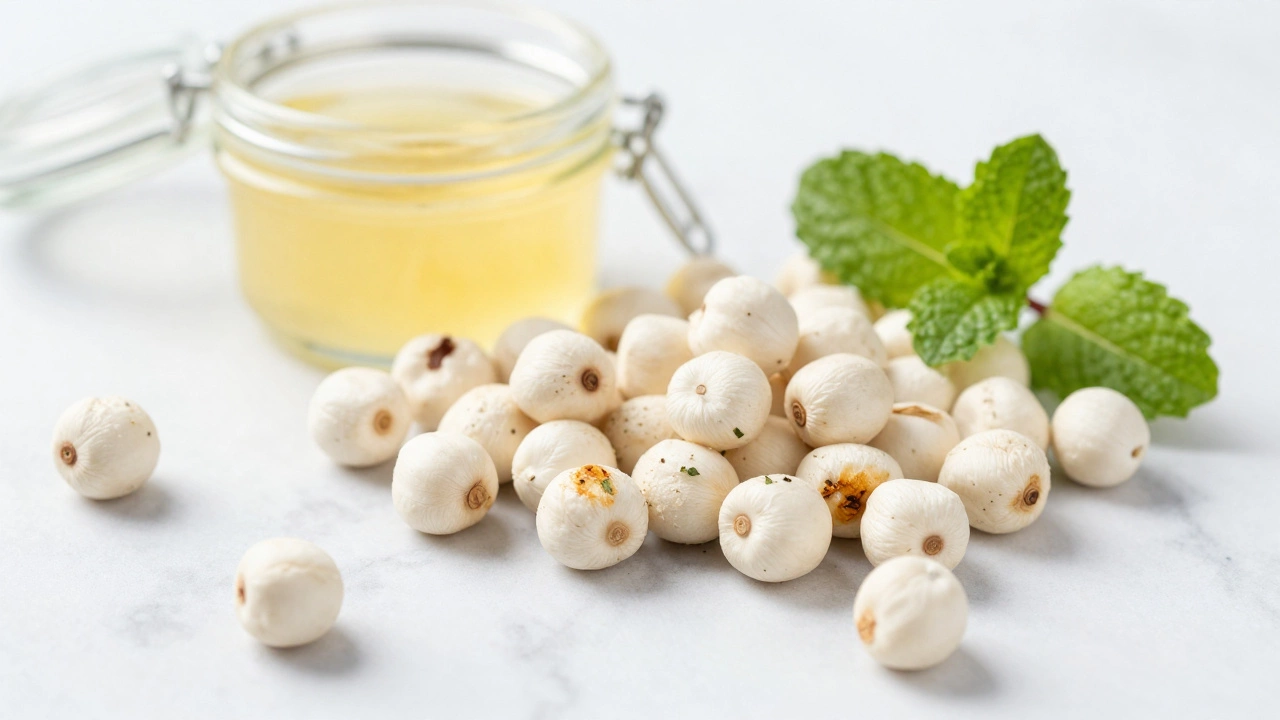
If your primary goal is weight loss and keeping calories extremely low, Makhana takes the crown. Also called lotus seeds or fox nuts, these puffy white spheres are lightweight and crunchy when roasted with a little ghee or spices. They originated from the wetlands of Bihar and have exploded in popularity across India and abroad in recent years.
Makhana is unique because it is almost entirely carbohydrate-based but has a very low glycemic index. This means it doesn’t spike insulin levels rapidly. It’s also rich in magnesium and antioxidants. While it lacks the high protein content of chana, its low caloric density allows you to eat a larger volume, which helps curb psychological hunger. For a late-night snack while watching TV, air-popped makhana is far superior to chips.
Protein Powerhouse: Moong Dal Cheela
Snacking doesn’t always mean finger foods. Sometimes, the healthiest option is a warm, savory pancake. Moong Dal Cheela is made from split yellow moong lentils, ground into a batter and cooked on a tawa (griddle). It’s essentially a protein-packed flatbread.
This snack is fantastic for post-workout recovery or a heavy lunch replacement. One medium cheela can provide up to 10-12 grams of protein depending on the thickness. Because it uses whole lentils rather than refined wheat flour (maida), it digests slowly, keeping you full for hours. Add some grated carrots or spinach to the batter, and you’ve got a micronutrient bomb. It’s easy to make, requires no fermentation time like dosa batter, and tastes delicious with mint chutney.
Fiber-Rich Option: Sabudana Khichdi (With Caution)
Wait, sabudana (tapioca pearls)? Isn’t that pure starch? Yes, it is. However, in the context of Indian fasting foods, it holds a special place. When prepared correctly-with lots of peanuts, potatoes, and green chilies-it becomes a decent source of energy. The key here is the peanuts. Peanuts add healthy fats and protein, balancing the high carb load of the tapioca.
If you are diabetic or strictly monitoring carbs, skip this. But for active individuals needing quick fuel, sabudana khichdi provides rapid energy release. Just remember to limit the oil used in frying. Traditional recipes call for generous amounts of ghee, which turns a moderate-calorie dish into a calorie bomb.
Fresh & Light: Fruit Chaat
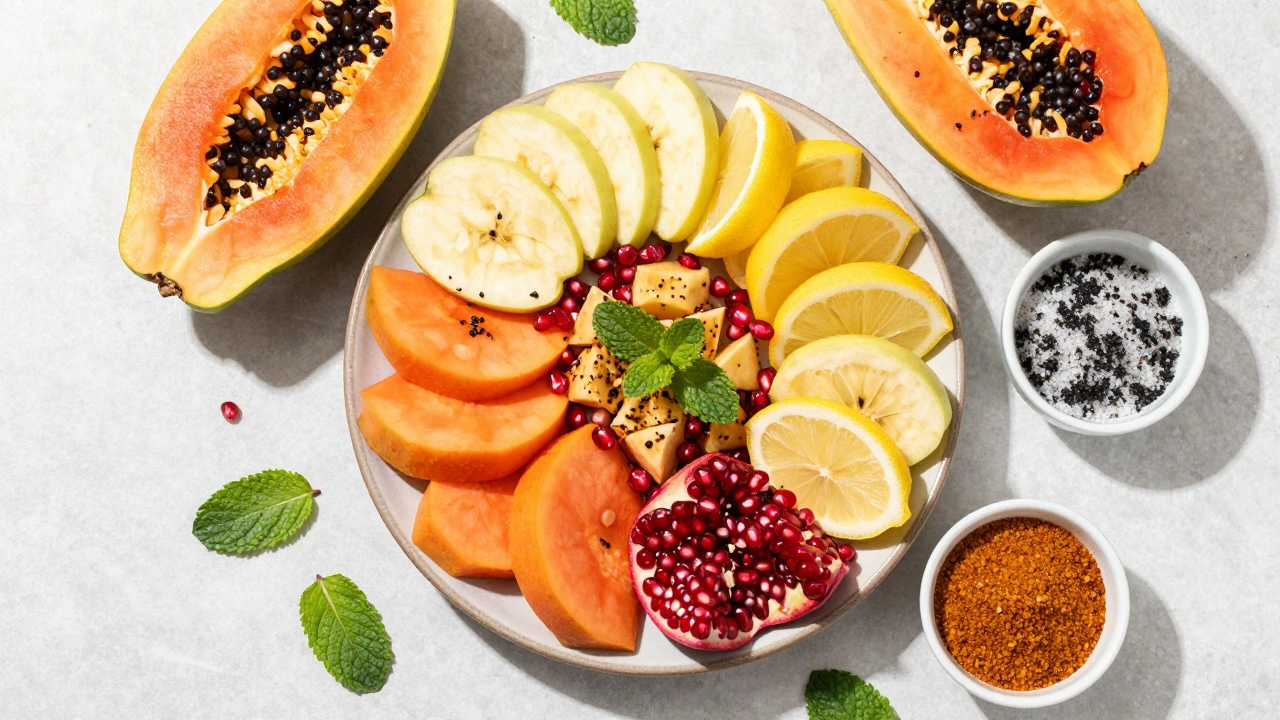
Who says snacks must be cooked? Fruit Chaat is the ultimate refreshing snack, especially in the hot Indian summers. It combines seasonal fruits like papaya, apple, banana, and pomegranate with a sprinkle of chaat masala, black salt, and lemon juice.
This snack delivers natural sugars, vitamins, and hydration. Papaya contains papain, an enzyme that aids digestion. Pomegranate is packed with polyphenols that support heart health. The trick is to avoid adding condensed milk or excessive sugar syrup, which many commercial chaat stalls do. Stick to the tangy, spicy profile, and you get a nutrient-dense treat that cleanses the palate and boosts immunity.
Traditional Wisdom: Sprouted Moong Salad
In many Indian households, sprouting moong dal (green gram) is a common practice. Eating Sprouted Moong raw or lightly steamed is one of the most bioavailable forms of nutrition you can consume. The sprouting process breaks down anti-nutrients like phytates, making minerals like iron and zinc easier for your body to absorb.
A simple salad of sprouted moong, cucumber, tomato, onion, and lemon juice is a powerhouse of probiotics and enzymes. It supports gut health significantly more than processed probiotic supplements. It’s light, hydrating, and perfect for those who want to avoid cooking altogether during busy workdays.
Why Most Popular Indian Snacks Fail the Health Test
To understand why the above options are superior, we need to look at what we usually avoid. Namkeens like sev, bhujia, and mathri are typically deep-fried in palm oil, which is high in saturated fats. They are also heavily salted, leading to water retention and high blood pressure over time. Biscuits and rusks rely on refined flour (maida) and hydrogenated vegetable ghee, offering empty calories with zero nutritional benefit.
Even seemingly healthy options like store-bought trail mixes can be traps. They often contain candied fruits coated in sugar and nuts roasted in salt. Always check labels. Homemade versions using raw almonds, walnuts, and unsweetened dried apricots are infinitely better.
How to Choose the Right Snack for Your Goal
Your choice should depend on your immediate physical need:
- For Weight Loss: Go for Makhana or Cucumber sticks with hummus. Low calorie, high volume.
- For Muscle Building: Choose Roasted Chana or Moong Dal Cheela. High protein content supports repair.
- For Digestive Health: Opt for Sprouted Moong Salad or Fruit Chaat. Enzymes and fiber aid gut movement.
- For Quick Energy: Try a small portion of Sabudana Khichdi or dates with almonds.
Tips for Making Indian Snacks Healthier
You don’t have to give up your favorite flavors to eat well. Here are simple swaps:
- Air Fry Instead of Deep Fry: Use an air fryer for pakoras or samosas. You cut fat content by up to 80%.
- Swap Maida for Multigrain Flour: Make bhaturas or puris using ragi (finger millet) or jowar (sorghum) flour for added fiber.
- Reduce Salt, Increase Spices: Use turmeric, cumin, coriander powder, and black pepper instead of excess salt. These spices have anti-inflammatory properties.
- Portion Control: Even healthy snacks like nuts can lead to weight gain if eaten in excess. Stick to a small handful (about 30g).
Is roasted chana good for diabetics?
Yes, roasted chana is excellent for diabetics. It has a low glycemic index and is high in fiber, which slows down sugar absorption into the bloodstream. Just ensure you buy plain roasted chana without added sugar or honey coatings.
Can I eat makhana every day?
Absolutely. Makhana is light on the stomach and rich in antioxidants. However, since it is primarily carbohydrates, balance it with a protein source like yogurt or nuts if you are relying on it as a meal replacement.
Are Indian namkeens ever healthy?
Traditional namkeens are rarely healthy due to deep frying and high sodium. However, baked versions made with whole grains like oats or quinoa are emerging in the market. Look for "baked" or "air-fried" labels to find healthier alternatives.
What is the best time to eat healthy Indian snacks?
The best times are mid-morning (10 AM) or mid-afternoon (4 PM). This prevents overeating at main meals and maintains stable energy levels throughout the day. Avoid heavy snacks within two hours of bedtime to aid digestion.
Is fruit chaat too sugary?
It depends on the preparation. Fresh fruit chaat with lemon and chaat masala is healthy. However, if it includes siri paneer (sweetened cottage cheese) or sugar syrup, the sugar content spikes. Stick to the tangy version for a healthier option.