14 Apr 2026
- 0 Comments
Dal Selection & Meal Planner
Select your current priority or digestive state to find the best dal for today's meal.
Recommended: -
--
Complete Protein Pairing:
Combining legumes with grains creates a complete amino acid profile.
Quick Summary of Daily Dal Consumption
- **Nutritional Powerhouse**: High in protein, fiber, and essential minerals.
- **Digestive Caution**: High fiber can cause bloating if you aren't used to it.
- **Variety is Key**: Switching between different lentils prevents nutrient gaps.
- **Preparation Matters**: Soaking and pressure cooking reduce anti-nutrients.
Why Dal is a Daily Superfood
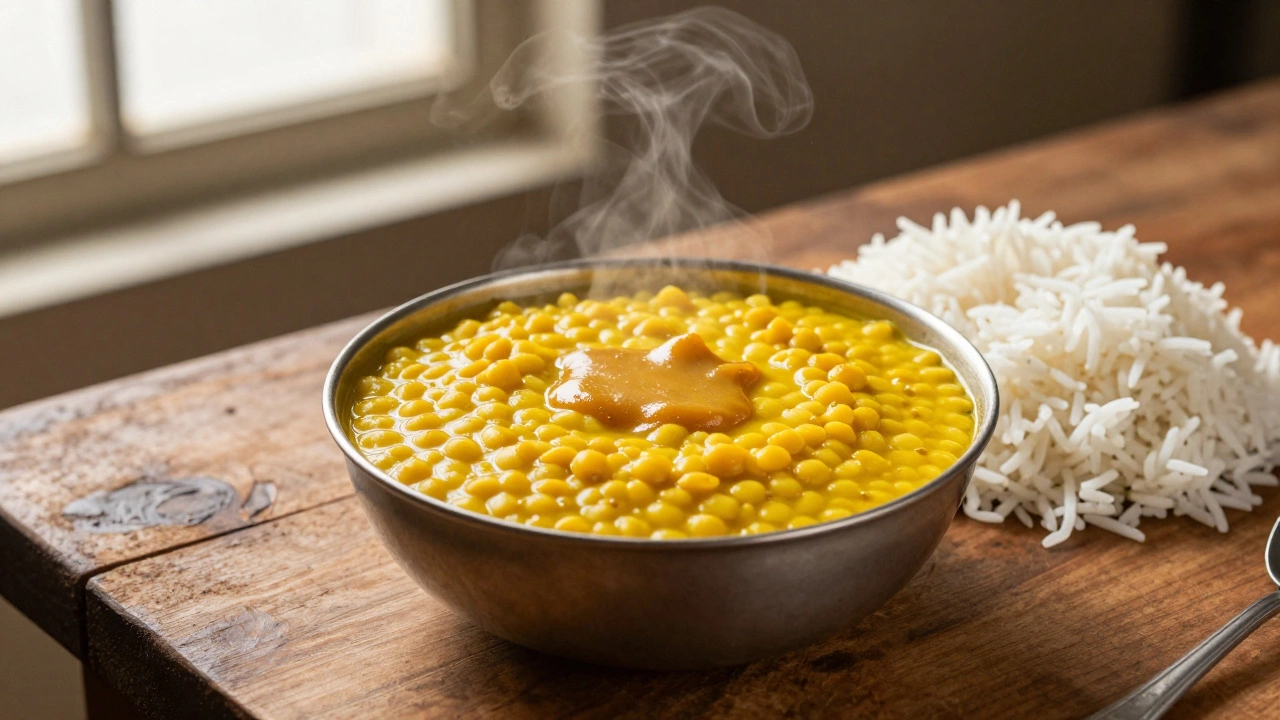
When we talk about dal, we are referring to the cooked form of pulses, which are the edible seeds of legumes. From a nutritional standpoint, it's hard to find a better staple. A standard bowl of yellow dal provides a significant hit of complex carbohydrates and plant-based protein, which keeps you full for hours and prevents those mid-afternoon sugar crashes.
One of the biggest wins of eating dal daily is the fiber. Most of us don't get nearly enough fiber, and lentils are packed with it. This doesn't just help with "keeping things moving" in your gut; it also helps regulate blood sugar levels. If you've ever noticed that you don't feel sleepy after a dal-based meal compared to a heavy pasta dish, that's the fiber at work, slowing down the absorption of glucose into your bloodstream.
Beyond protein and fiber, dal is rich in folate, iron, and potassium. These are the building blocks for healthy blood cells and nerve function. However, eating the exact same type of lentil every single day might lead to a few blind spots in your nutrition, which is why rotating your legumes is the secret to making this a lifelong habit.
The Digestive Hurdle: Bloating and Gas
If you suddenly switch from a low-fiber diet to eating dal twice a day, your stomach might start protesting. You've probably heard people joke about "musical fruit" or the gassiness associated with beans. This happens because lentils contain complex sugars called oligosaccharides. Our small intestines can't break these down, so they travel to the large intestine where bacteria ferment them, producing gas.
To avoid this, don't jump into the deep end. If you're new to legumes, start with a small portion once a day and gradually increase the amount over two weeks. This gives your gut microbiome time to adapt and produce more of the enzymes needed to process these fibers.
Another pro tip is the soaking process. Soaking your lentils for at least 30 minutes (or overnight for tougher varieties) helps break down those complex sugars. When you rinse them thoroughly after soaking, you're essentially pouring the gas-causing compounds down the drain before the food even hits the pot.
Avoiding the "Anti-Nutrient" Trap
You might have come across the term "anti-nutrients" like phytic acid or lectins. These are natural compounds plants use to protect themselves from being eaten. In humans, they can bind to minerals like zinc and calcium, preventing your body from absorbing them. If you ate raw lentils, this would be a problem. But you don't do that.
The traditional Indian methods of preparing dal are actually scientific masterclasses in removing these compounds. Boiling, pressure cooking, and fermenting neutralize most lectins and phytic acid. Using a pressure cooker is particularly effective because the high heat and pressure break down the cellular structure of the legume, making the nutrients more bioavailable.
Adding a pinch of turmeric or a squeeze of lemon juice (Vitamin C) to your dal also helps. Vitamin C significantly increases the absorption of non-heme iron-the type of iron found in plants-which is otherwise harder for the body to take up than the iron found in meat.
Variety: The Secret to a Balanced Plate
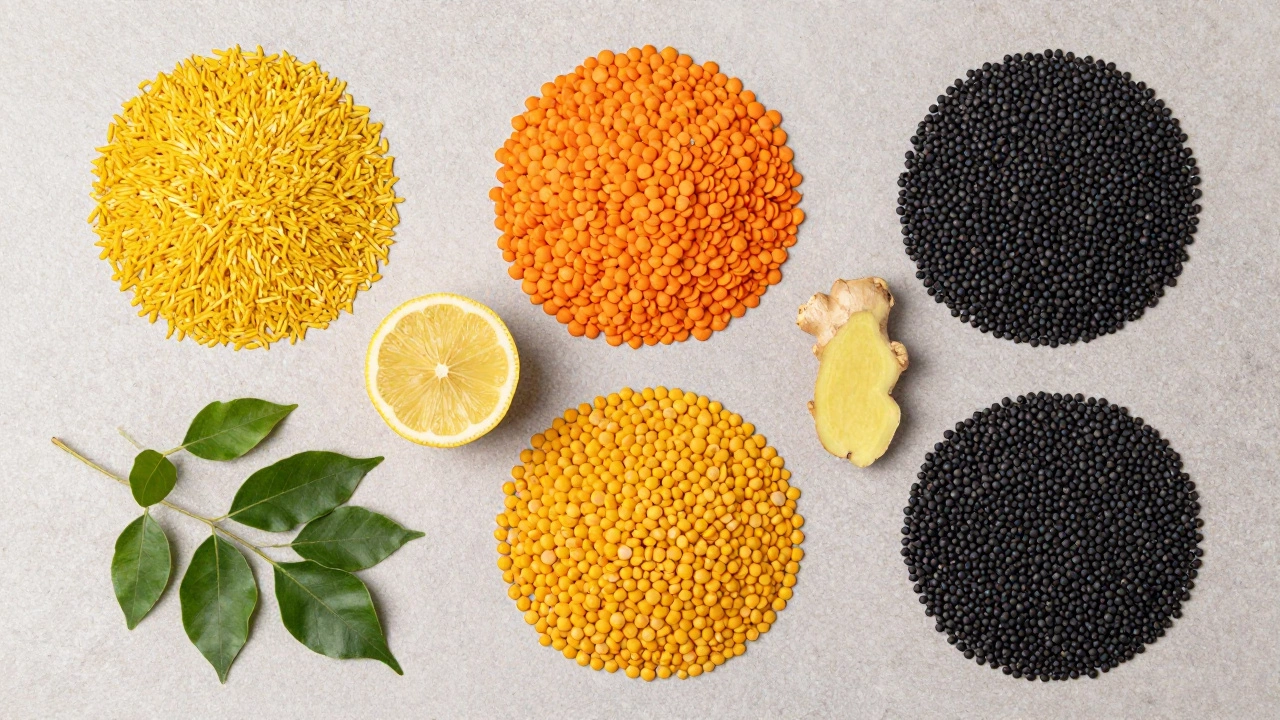
Not all dals are created equal. If you only eat yellow moong dal, you're missing out. Different lentils offer different nutritional profiles. For example, black lentils (Urad dal) are denser and creamier, while red lentils (Masoor dal) cook faster and have a different amino acid profile.
| Dal Type | Key Attribute | Best For | Digestibility |
|---|---|---|---|
| Moong Dal (Yellow) | Light & Lean | Recovery/Sick days | Very High |
| Masoor Dal (Red) | High Protein | Quick weeknight meals | High |
| Chana Dal (Split Chickpea) | Hearty & Nutty | Satiety/Main course | Medium |
| Urad Dal (Black Gram) | Rich & Creamy | Traditional recipes | Medium-Low |
To maximize your health, try a "legume rotation." Monday could be a light Moong dal, Wednesday a hearty Chana dal, and Friday a protein-packed Masoor dal. This ensures you get a wider spectrum of vitamins and minerals while keeping your taste buds interested.
Making it Practical: Dal Recipes Simple
If you want to eat dal every day, you need a system that doesn't feel like a chore. The easiest way is the "Base and Tempering" method. You cook the lentils into a simple porridge and then add a dal recipes simple tempering (tadka) at the end to change the flavor profile.
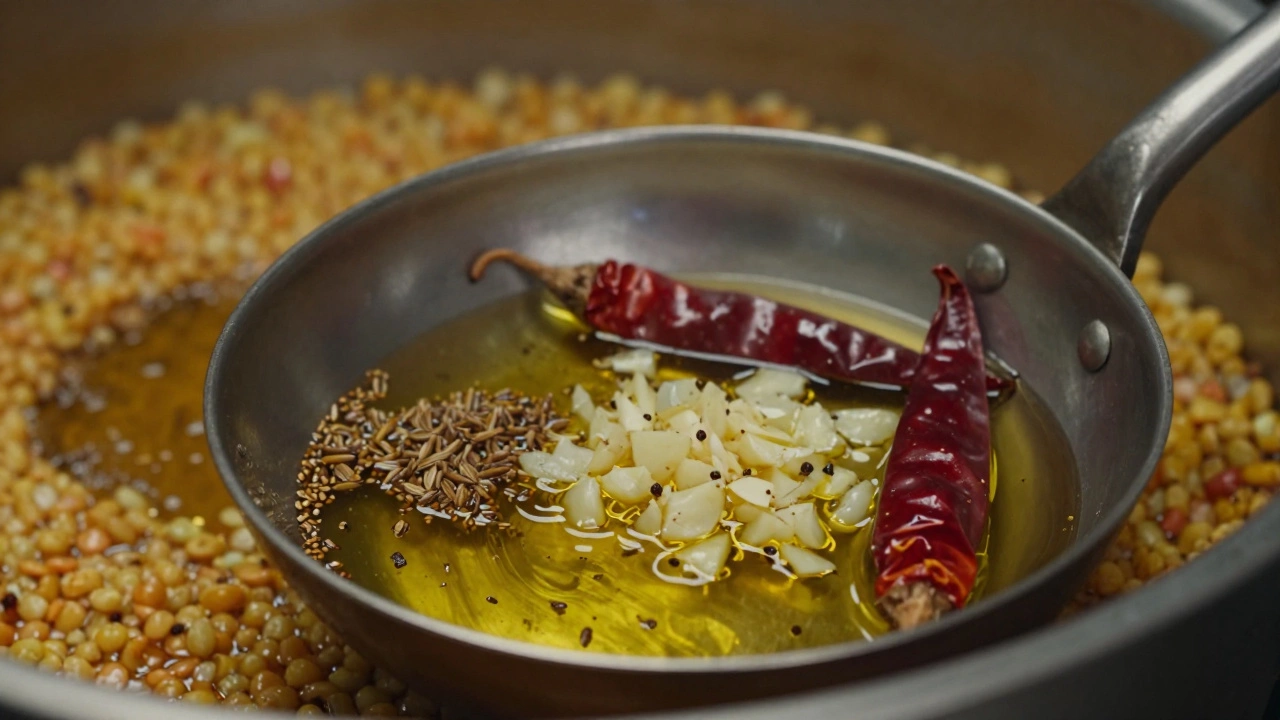
For a basic everyday dal, start by boiling your lentils with water, turmeric, and salt. Once soft, heat a tablespoon of oil or ghee in a small pan. Add cumin seeds, minced garlic, and dried red chilies. Let them sizzle for 30 seconds, then pour this aromatic oil directly into the cooked dal. This technique not only adds flavor but also introduces healthy fats that help your body absorb fat-soluble vitamins.
You can vary the flavor by swapping the tempering. Try mustard seeds and curry leaves for a South Indian vibe, or add a pinch of garam masala and chopped ginger for a more robust North Indian style. This variety prevents "palate fatigue," ensuring you actually enjoy your healthy habit rather than forcing yourself through it.
The Protein Puzzle: Why You Need Rice or Roti
Here is a critical point: lentils are not "complete proteins." This means they lack one or more essential amino acids (specifically methionine) that your body needs. However, grains like rice or wheat contain exactly what lentils lack. When you pair dal with rice or a roti, you create a complete protein profile similar to what you'd get from a piece of chicken or an egg.
This is why the traditional meal of Dal-Chawal (dal and rice) is so effective. It's not just a cultural preference; it's a nutritional synergy. If you're eating dal as your primary protein source, always pair it with a grain. If you're avoiding grains, make sure you're eating a variety of other vegetables and seeds throughout the day to fill those amino acid gaps.
Will eating dal every day increase my uric acid levels?
For most healthy people, dal is perfectly safe. However, pulses contain purines, which the body breaks down into uric acid. If you have a medical condition like gout or chronic kidney disease, you should consult a doctor. For the general population, the amount of purines in lentils is generally manageable and far less problematic than the purines found in red meat or organ meats.
Can I eat dal for both lunch and dinner?
Yes, you can, provided your digestive system handles the fiber well. The key is to balance it with other food groups. Don't just eat a bowl of dal; pair it with steamed vegetables, a salad, or a grain. Eating dal twice a day is a great way to hit your protein targets on a vegetarian diet, but listen to your stomach-if you feel overly bloated, stick to one serving.
Is it better to eat soaked dal or unsoaked dal?
Soaked dal is significantly better. Soaking initiates the germination process, which reduces phytic acid and breaks down the complex sugars that cause gas. It also reduces the cooking time, which helps preserve some of the heat-sensitive vitamins. If you're short on time, even a quick 15-minute rinse and soak helps.
Does eating dal daily help with weight loss?
It can be a huge help. Because dal is high in protein and fiber, it increases satiety, meaning you feel full faster and stay full longer. This naturally reduces the urge to snack on high-calorie processed foods. Just be mindful of the additions-too much butter, cream, or heavy oil in the tempering can add significant calories to an otherwise lean meal.
Can children eat dal every day?
Absolutely. Dal is an excellent source of iron and protein for growing children. For toddlers, starting with well-mashed Moong dal (which is the easiest to digest) is recommended. As they get older, you can introduce different varieties. Just ensure the salt content is kept low for very young children.
Next Steps for Your Dal Journey
If you're ready to make dal a daily staple, start by stocking your pantry with three different types of lentils: red, yellow, and green/black. This removes the excuse of "boredom" and ensures a wider nutritional net.
If you find yourself struggling with digestion despite soaking, try adding a pinch of asafoetida (hing) to your tempering. This pungent resin is traditionally used in Indian cooking specifically to reduce the flatulence associated with legumes. If you still experience discomfort, try switching to sprouted lentils, which are even easier on the gut than soaked ones.
Finally, experiment with the consistency. Some days, make a thin, soup-like dal to hydrate and detox. Other days, cook it down into a thick, creamy stew to pair with roasted vegetables. By treating dal as a versatile canvas rather than a rigid recipe, you can enjoy its benefits every single day without ever getting tired of it.