2 Jun 2026
- 0 Comments
Restaurant-Quality Chicken Curry Calculator
Check off each step as you cook to build flavor depth.
Flavor Score
Start Cooking!
Ever wondered why your homemade chicken curry tastes good, but your favorite restaurant’s version tastes *unforgettable*? You’re not alone. Most home cooks follow a recipe to the letter, yet something crucial is missing-depth, richness, and that lingering warmth on the palate.
The truth is, great chicken curry isn’t about adding more spices. It’s about how you handle them. It’s about timing, technique, and understanding what each ingredient actually does in the pot. Let’s break down exactly what makes chicken curry taste better, step by step, so you can replicate that restaurant-quality flavor at home.
Bloom Your Spices Properly
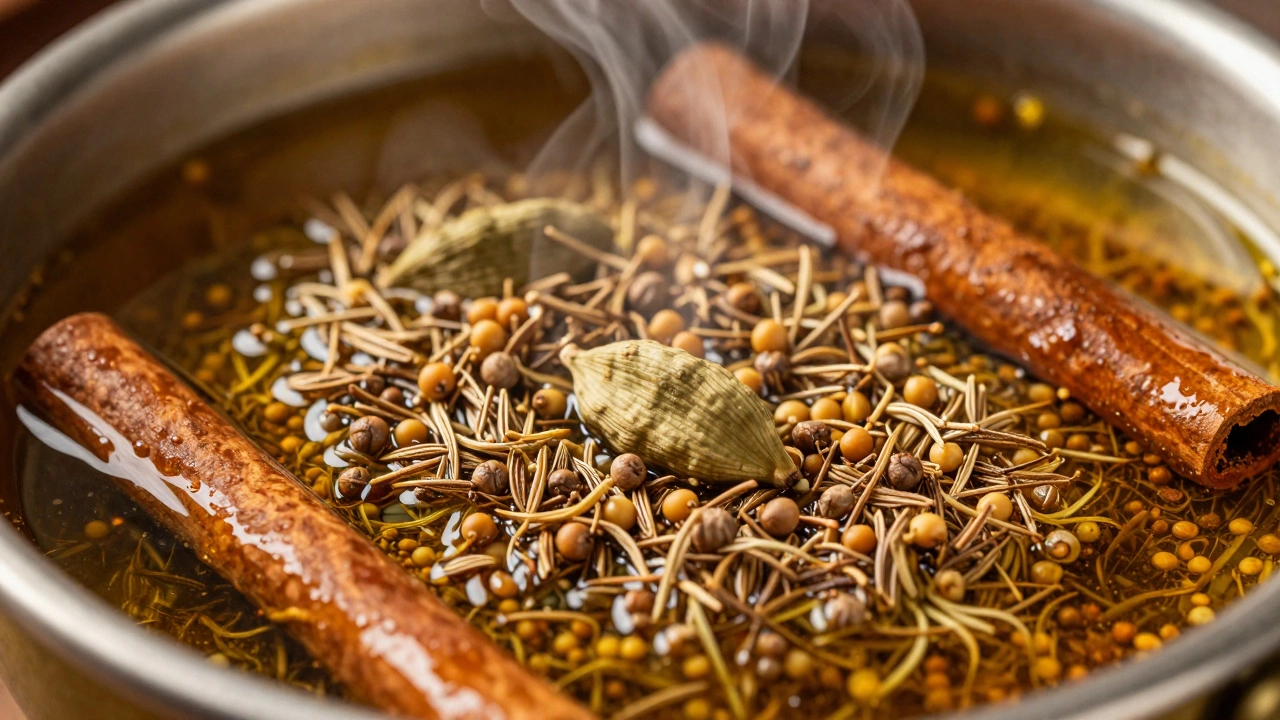
If there’s one thing that separates amateur curries from professional ones, it’s the treatment of whole spices. Dry-roasting or frying cumin seeds, mustard seeds, cardamom pods, and cinnamon sticks in oil before adding onions isn’t just tradition-it’s chemistry.
When whole spices hit hot oil, their essential oils release into the fat base. This process, called “blooming,” unlocks aromatic compounds that water-based cooking simply can’t achieve. For example, cumin contains cuminaldehyde, which gives earthy warmth; when bloomed properly, this compound infuses the entire dish rather than sitting raw on the tongue.
- Heat ghee or neutral oil until shimmering (not smoking).
- Add whole spices first-let them sizzle for 30-60 seconds.
- Remove from heat briefly if they start browning too fast.
- Proceed with onions only after the spice aroma fills the kitchen.
Skip this step, and your curry will lack foundational depth. Bloomed spices create the backbone of flavor everything else builds upon.
Build Layers with Onions and Tomatoes
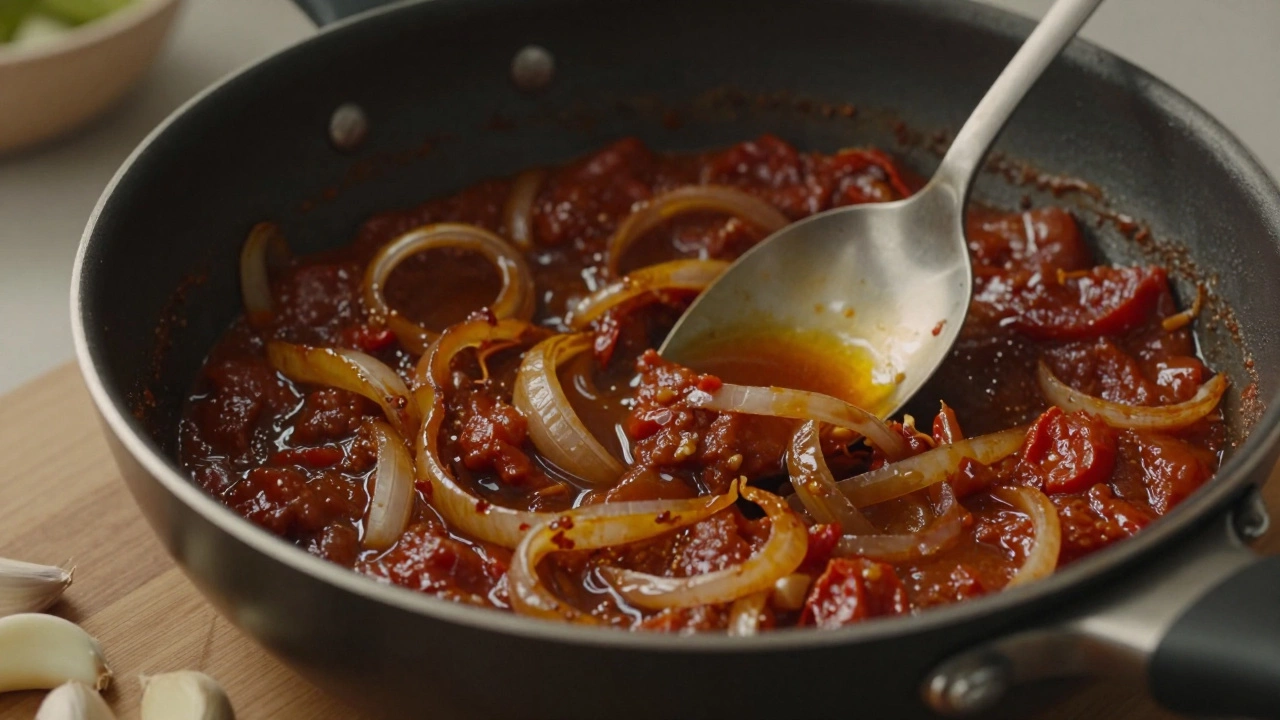
Onions and tomatoes aren’t just fillers-they’re flavor architects. Caramelized onions bring sweetness and body, while cooked-down tomatoes add acidity and brightness. Together, they balance the heat and richness of the curry.
To get maximum flavor:
- Fry sliced onions slowly in medium-low heat until deep golden brown (about 15 minutes). Don’t rush this-burnt onions turn bitter.
- Add finely chopped tomatoes and cook until the oil separates from the mixture (around 8-10 minutes).
- Season lightly with salt during cooking to draw out moisture and intensify flavors.
This base should be thick, glossy, and deeply colored. If it looks watery or pale, keep cooking. A well-developed onion-tomato foundation carries the weight of the final dish.
Use Fresh Ginger-Garlic Paste Wisely
Store-bought ginger-garlic paste often contains preservatives and lacks potency. Homemade paste, made by blending fresh root garlic and peeled ginger with a splash of water, delivers brighter, cleaner aromatics.
Add your paste after the onion-tomato stage has reduced slightly. Cook it for 2-3 minutes until the raw smell disappears. This ensures no harsh notes remain and allows the natural sugars in garlic and ginger to meld into the sauce.
| Attribute | Store-Bought Paste | Freshly Made Paste |
|---|---|---|
| Flavor Intensity | Mild, muted | Bright, pungent |
| Shelf Life | Up to 6 months refrigerated | 1 week refrigerated / 3 months frozen |
| Preservatives | Often present | None |
| Aroma Release | Dull | Strong, immediate |
Choose the Right Cooking Fat
Oil matters. While vegetable oil works, ghee (clarified butter) elevates chicken curry significantly. Ghee has a higher smoke point than regular butter and imparts a nutty, rich aroma that complements Indian spices beautifully.
For even richer results, use a combination: start with 1 tablespoon of neutral oil for high-heat sautéing, then finish with 1-2 tablespoons of ghee stirred in at the end. This layering technique adds complexity without overwhelming the palate.
Coconut oil also works well in South Indian-style curries, bringing subtle sweetness and tropical notes. Choose based on regional style-but never skip quality fat entirely.
Simmer Low and Slow
Rushing chicken curry kills its potential. High heat toughens meat and prevents flavors from marrying. Instead, once all ingredients are combined, reduce heat to low and cover partially.
Cook gently for 45-60 minutes, stirring occasionally. This slow simmer breaks down connective tissues in the chicken, making it tender, while allowing spices to penetrate deeply. The sauce reduces naturally, concentrating flavors instead of diluting them.
Tip: Add liquid gradually. Start with half the required amount, check consistency halfway through, and adjust as needed. Overloading with broth early leads to thin, bland results.
Finish With Acid and Fresh Herbs
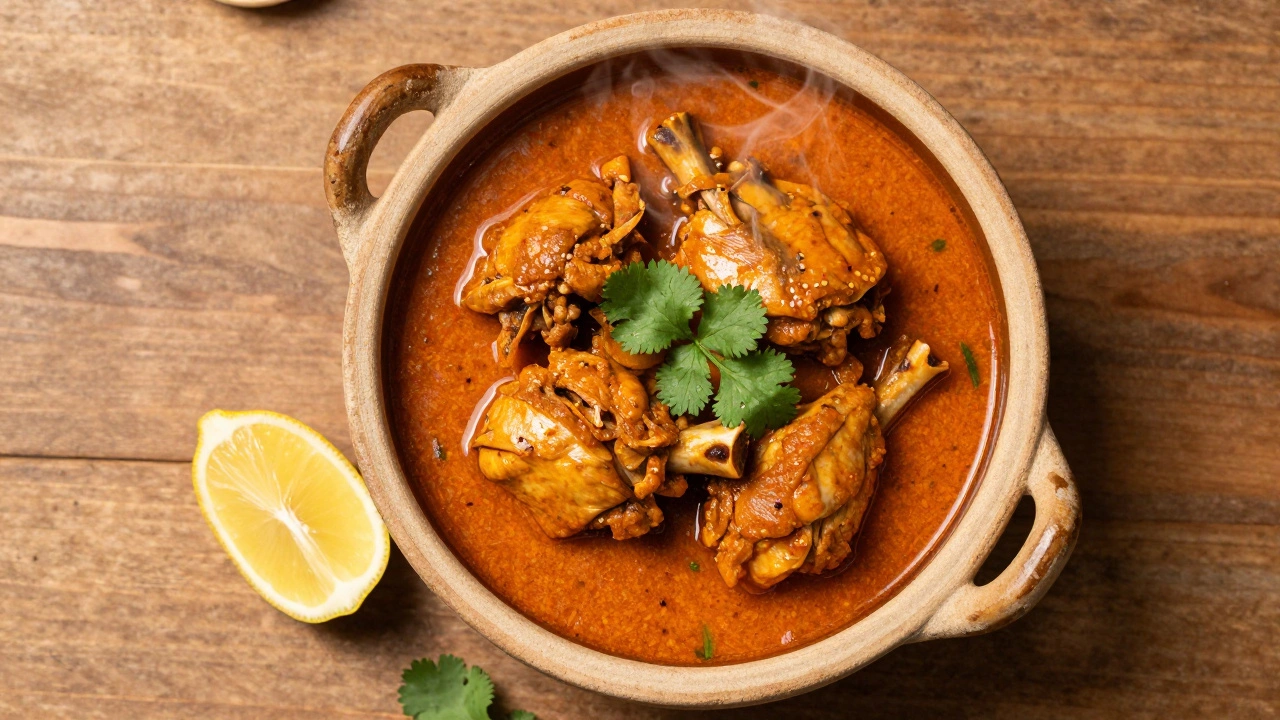
A splash of lemon juice or tamarind pulp added in the last five minutes brightens heavy sauces and cuts through richness. Similarly, freshly chopped cilantro or mint leaves tossed in off-heat provide herbal freshness that balances spiciness.
Don’t stir these in too early-heat destroys delicate volatile oils in herbs and diminishes citrus zestiness. Treat finishing touches like garnishes that enhance, not mask, underlying flavors.
Let It Rest Before Serving
One overlooked secret? Resting time. After turning off the heat, let the curry sit covered for 10-15 minutes before serving. During this pause, residual heat continues gentle cooking, and flavors integrate further.
Many diners notice improved taste when eating leftovers the next day-not because the food degraded, but because resting allowed full flavor development. Patience pays off here.
Why does my chicken curry taste flat?
Flatness usually comes from undercooked aromatics, unbloomed spices, or insufficient resting time. Ensure onions are caramelized, spices are fried in oil, and the dish rests before serving. Also, taste and adjust seasoning near the end-salt enhances perception of other flavors.
Can I make chicken curry ahead of time?
Yes! In fact, many curries improve overnight. Prepare fully, cool completely, store in an airtight container in the fridge for up to 3 days. Reheat gently on stovetop, adding a splash of water if needed. Freezing works too-for up to 3 months.
Should I marinate chicken before making curry?
Marinating helps tenderize and infuse flavor, especially if using tougher cuts like thighs or drumsticks. A simple mix of yogurt, turmeric, chili powder, and salt works wonders. Marinate for at least 30 minutes, ideally 2 hours, before cooking.
What kind of chicken works best for curry?
Bone-in, skin-on pieces like thighs, drumsticks, or wings hold up better during long simmers and absorb more flavor. Boneless breast meat can dry out quickly unless monitored closely. For juicier results, stick with dark meat.
How do I fix overly spicy chicken curry?
Add dairy-cream, coconut milk, or plain yogurt-to mellow heat. Alternatively, increase volume by adding more tomatoes, onions, or potatoes. Sweeteners like sugar or jaggery can counterbalance excess spice without masking flavor.