3 Jul 2026
- 0 Comments
Chutney Vinegar Matcher
Select the main base ingredient of your chutney.
Sweet Fruits
Mango, Pineapple, Mixed Fruit
Pickled Veg
Cucumber, Radish, Carrot
Herbs & Fusion
Green Chutney, Ginger, Soy
Savory / Meat
Tomato, Onion, Lamb Dip
Select an ingredient above to see which vinegar works best.
There is nothing worse than biting into a homemade mango or tomato chutney only to be hit with a sharp, chemical tang that ruins the entire dish. You followed the recipe perfectly, you balanced the sugar and spices, but something still feels off. The culprit is often the vinegar. It sounds simple enough-just add acid-but not all vinegars are created equal. Using the wrong one can turn a vibrant condiment into a flat, harsh mess.
I have spent years testing different acids in my kitchen here in Sydney, tweaking traditional Indian recipes to suit local ingredients and palates. The truth is, the "best" vinegar depends entirely on what kind of chutney you are making. Are you going for a sweet-tart fruit preserve, a spicy green relish, or a savory dipping sauce? Each requires a specific type of acidity to shine. Let’s break down exactly which bottle should reach for next time you are at the stove.
Apple Cider Vinegar: The All-Rounder
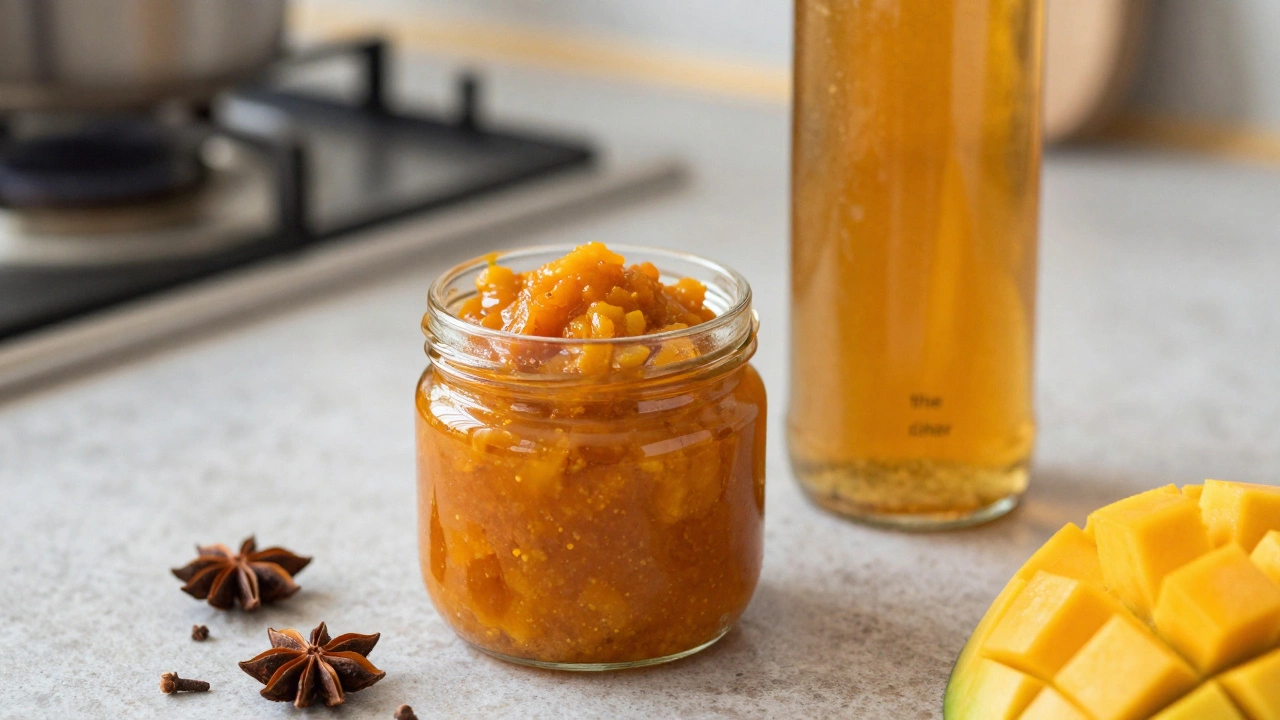
If you are making a classic mango, pineapple, or mixed fruit chutney, apple cider vinegar is your safest bet. It has a natural sweetness and a mild, fruity flavor profile that complements tropical fruits without overpowering them. Unlike distilled white vinegar, which can taste like cleaning fluid if you use too much, ACV adds depth. It bridges the gap between the heat of the chili peppers and the sweetness of the fruit.
The acidity level of unfiltered apple cider vinegar usually sits around 5% to 6%. This is strong enough to preserve the chutney when canned but gentle enough to let the spices breathe. I always recommend using "raw" or "unfiltered" ACV if you can find it. The sediment at the bottom, known as "the mother," contains enzymes that contribute to a more complex flavor. While filtered ACV works fine for cooking, the raw version gives your chutney a richer, more artisanal taste.
- Best for: Mango chutney, pineapple chutney, onion chutney, and general-purpose fruit preserves.
- Flavor profile: Fruity, slightly sweet, mild tartness.
- Color impact: Can darken light-colored chutneys slightly due to its amber hue.
White Distilled Vinegar: The Sharp Preserver
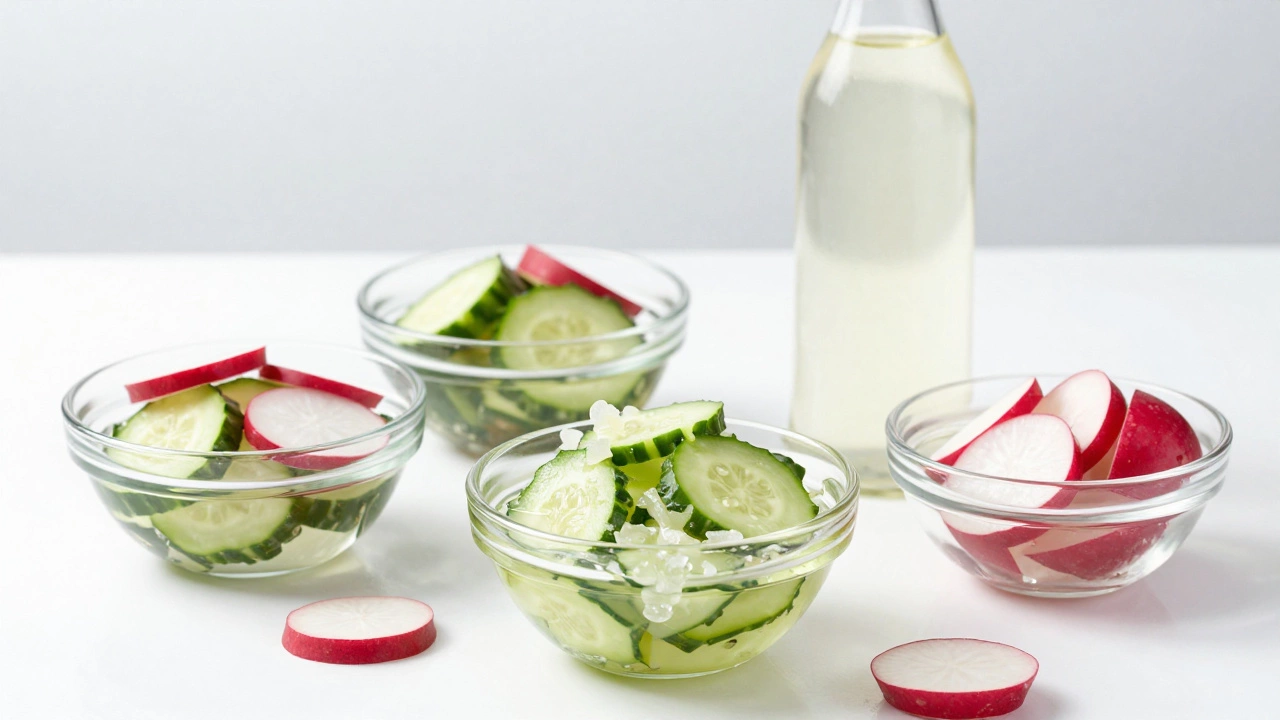
When you need pure, clean acidity without any additional flavor notes, white distilled vinegar is the tool for the job. It is made from grain alcohol that has been fermented into acetic acid and then diluted with water. Because it lacks the congeners found in wine or fruit vinegars, it tastes neutral except for the sharp sourness.
This makes it ideal for pickled vegetable chutneys where you want the crunch and texture of the vegetable to stand out. Think cucumber, radish, or carrot chutneys. If you used apple cider vinegar here, the apple flavor might clash with the earthiness of the carrots. White vinegar lets the vegetables speak for themselves. It is also the go-to choice for clear brines because it won’t discolor your food.
However, be careful with the quantity. White vinegar is often sharper and more aggressive on the palate than other types. Start with half the amount called for in a recipe and taste as you go. In commercial chutney production, white vinegar is frequently used because it provides a consistent pH level for safety and shelf stability, ensuring the product lasts months on the shelf without spoiling.
- Best for: Pickled cucumber chutney, radish relish, clear brine dips, and recipes requiring a neutral acid.
- Flavor profile: Sharp, clean, purely acidic, no residual sweetness.
- Color impact: None; keeps light-colored chutneys bright and clear.
Rice Vinegar: The Gentle Asian Twist
In recent years, fusion chutneys have become incredibly popular, blending Indian spices with Southeast Asian flavors. For these dishes, rice vinegar is a game-changer. Made from fermented rice, it has a lower acidity level (usually around 4%) compared to Western vinegars. This means it is milder and less pungent.
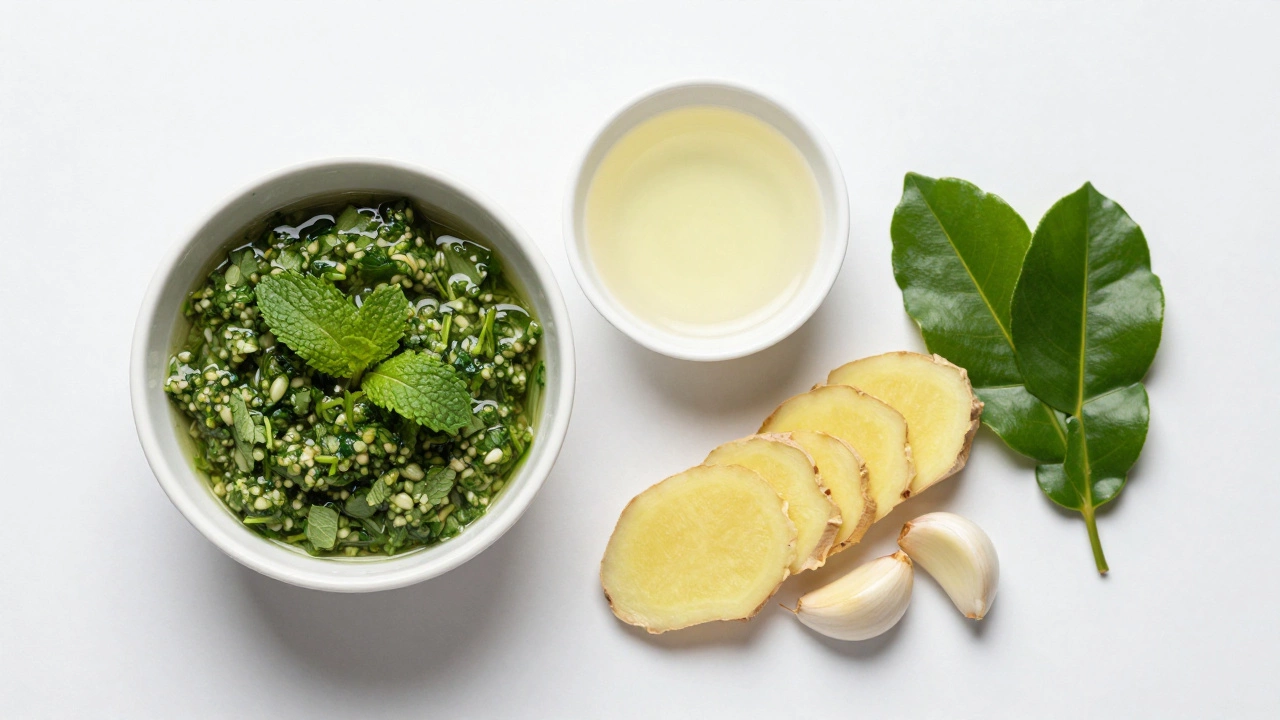
If you are making a chutney that includes ginger, garlic, soy sauce, or sesame oil, rice vinegar fits right in. It pairs beautifully with coconut milk-based chutneys or those featuring lime leaves and kaffir lime. The subtle sweetness of rice vinegar mimics the natural sugars in many Asian fruits, creating a harmonious balance. It is particularly good for green chutneys that include herbs like cilantro and mint, as it doesn’t compete with their delicate aromatics.
Note that there are two main types: regular rice vinegar and seasoned rice vinegar. Always use unseasoned rice vinegar for cooking unless the recipe specifically calls for the seasoned variety, which already contains salt and sugar. Adding seasoned vinegar to a chutney where you are controlling the salt levels can lead to an overly salty result.
- Best for: Fusion chutneys, ginger-garlic dips, herb-based green chutneys, and dishes with coconut or soy elements.
- Flavor profile: Mild, slightly sweet, delicate, low acidity.
- Color impact: Clear; does not alter the color of the final dish.
Wine Vinegars: Red vs. White
While less common in traditional Indian cooking, wine vinegars offer a sophisticated twist for gourmet chutneys. Red wine vinegar is robust and tannic, making it perfect for hearty chutneys involving tomatoes, onions, or even meat-based accompaniments. It stands up well to strong spices like black pepper, cloves, and star anise.
White wine vinegar is lighter and fruitier than red but sharper than rice vinegar. It works wonderfully in Mediterranean-style chutneys or those featuring olives, capers, and feta cheese. If you are hosting a dinner party and serving chutney alongside grilled lamb or fish, a white wine vinegar base can elevate the dish from a side condiment to a culinary highlight.
One thing to watch out for with wine vinegars is the color. Red wine vinegar will turn your chutney a deep purple or brown, which might not look appealing in a bright yellow mango chutney. Stick to white wine vinegar if you want to maintain a lighter aesthetic while adding complexity.
Balancing Acidity: The Golden Rules
Choosing the right vinegar is only half the battle. How you incorporate it matters just as much. Here are some practical tips to ensure your chutney hits the right balance every time.
- Taste Early, Taste Often: Add vinegar gradually. Once it is in the pot, you cannot take it out. Start with a tablespoon, stir, and wait for the flavors to meld before adding more.
- Consider the Fruit’s Natural Acidity: If you are using very ripe, sweet mangoes, you might need more vinegar. If the fruit is tart, you might need less. Adjust based on the season and the specific fruit batch.
- Pair Sweetness with Acid: Vinegar needs sugar to shine. If your chutney tastes too sharp, add a bit more jaggery or honey. If it tastes too flat, add a splash more vinegar. They work together to create brightness.
- Let It Rest: Freshly made chutney often tastes harsh because the vinegar hasn’t integrated yet. Letting it sit in the fridge for 24 hours allows the flavors to marry, resulting in a smoother, more cohesive taste.
| Vinegar Type | Acidity Level | Flavor Profile | Best Use Case |
|---|---|---|---|
| Apple Cider | 5-6% | Fruity, mild, sweet undertones | Mango, pineapple, mixed fruit |
| White Distilled | 5-7% | Sharp, neutral, clean | Pickled vegetables, clear brines |
| Rice (Unseasoned) | 4-5% | Mild, delicate, slightly sweet | Fusion, herb-based, ginger-garlic |
| Red Wine | 6-7% | Robust, tannic, complex | Tomato, onion, meat accompaniments |
| White Wine | 6-7% | Light, fruity, crisp | Mediterranean styles, seafood pairings |
Common Mistakes to Avoid
Even experienced cooks make errors when working with vinegar. One common mistake is substituting balsamic vinegar for apple cider vinegar. Balsamic is thick, syrupy, and intensely sweet. While delicious on salads, it will make your chutney gummy and overly dark. Another pitfall is ignoring the strength of the vinegar. Some brands are stronger than others. Always check the label for the percentage of acidity. If you switch from a 5% vinegar to a 7% one, reduce the quantity by about a third to avoid overwhelming the dish.
Also, be mindful of metal pots. Vinegar is corrosive and can react with aluminum or copper cookware, leading to metallic flavors and discoloration. Always use stainless steel, enamel-coated cast iron, or glass pots when simmering vinegar-based chutneys. This small step protects both your equipment and the purity of your flavor.
Final Thoughts on Choosing Your Vinegar
Ultimately, the best vinegar for chutney is the one that complements the main ingredient. For sweet fruits, lean toward apple cider. For crunchy vegetables, choose white distilled. For herbal or fusion blends, try rice vinegar. Experimentation is key. Keep a notebook of your ratios so you can replicate success. With the right acid, your chutney will transform from a simple condiment into a vibrant, unforgettable part of your meal.
Can I use lemon juice instead of vinegar for chutney?
Yes, you can substitute lemon juice for vinegar in fresh chutneys that are meant to be eaten immediately. Lemon juice provides a bright, fresh acidity. However, it has a lower pH stability than vinegar, so it is not suitable for chutneys intended for long-term storage or canning. For preserved chutneys, stick to vinegar for safety and shelf life.
Does the type of vinegar affect how long chutney lasts?
The acidity level affects preservation more than the source of the vinegar. As long as the final pH of the chutney is below 4.6, it is generally safe for room-temperature storage if processed correctly. Most commercial vinegars (5-7% acidity) provide sufficient acid for preservation. Ensure you follow proper canning guidelines regardless of the vinegar type used.
Why does my chutney taste too sharp after adding vinegar?
A sharp taste usually indicates an imbalance between acid and sugar. To fix this, add a sweetener like jaggery, brown sugar, or honey until the harshness mellows. You can also add a pinch of salt to enhance overall flavor perception. Letting the chutney rest overnight often helps the flavors integrate and reduces the perceived sharpness.
Is organic vinegar better for chutney?
Organic vinegar isn't strictly necessary for flavor, but unfiltered, raw organic varieties often have a more complex taste due to the presence of "the mother." This can add depth to your chutney. However, for large batches or cost-conscious cooking, standard filtered vinegar works perfectly fine as long as it is high quality and free from additives.
Can I mix different types of vinegar in one chutney?
You can, but it is rarely needed. Mixing vinegars can complicate the flavor profile unnecessarily. It is better to master one type first. If you want complexity, consider adding a splash of citrus juice along with your primary vinegar rather than mixing two vinegars. This keeps the base consistent while adding a fresh top note.