7 Aug 2026
- 0 Comments
Idli Soaking Time Calculator
Rice Soaking
WaitingUrad Dal Soaking
WaitingPoha Soaking
Quick SoakHave you ever made idlis that turned out dense as rocks instead of light clouds? It’s frustrating. You followed the recipe, you ground the batter, but something was off. Usually, the culprit isn’t the grinding or the steaming-it’s the soaking time. Getting the soak right is the single most important step in making idli batter, which is the fermented mixture of rice and lentils used to create South Indian steamed cakes. If you under-soak, your batter will be gritty and hard to grind. If you over-soak, especially in warm weather, it might ferment before you even start cooking.
In this guide, we’re going to break down exactly how long to soak rice and urad dal (black gram) for idli and dosa batter. We’ll look at why these times matter, how temperature changes everything, and what to do if you’ve messed up the timing. Let’s get your batter perfect.
The Golden Rule: Standard Soaking Times
If you are using a standard ratio of 3 parts rice to 1 part urad dal, here is the baseline rule of thumb for room temperature (around 20-25°C or 68-77°F):
- Urad Dal: Soak for 2 to 3 hours.
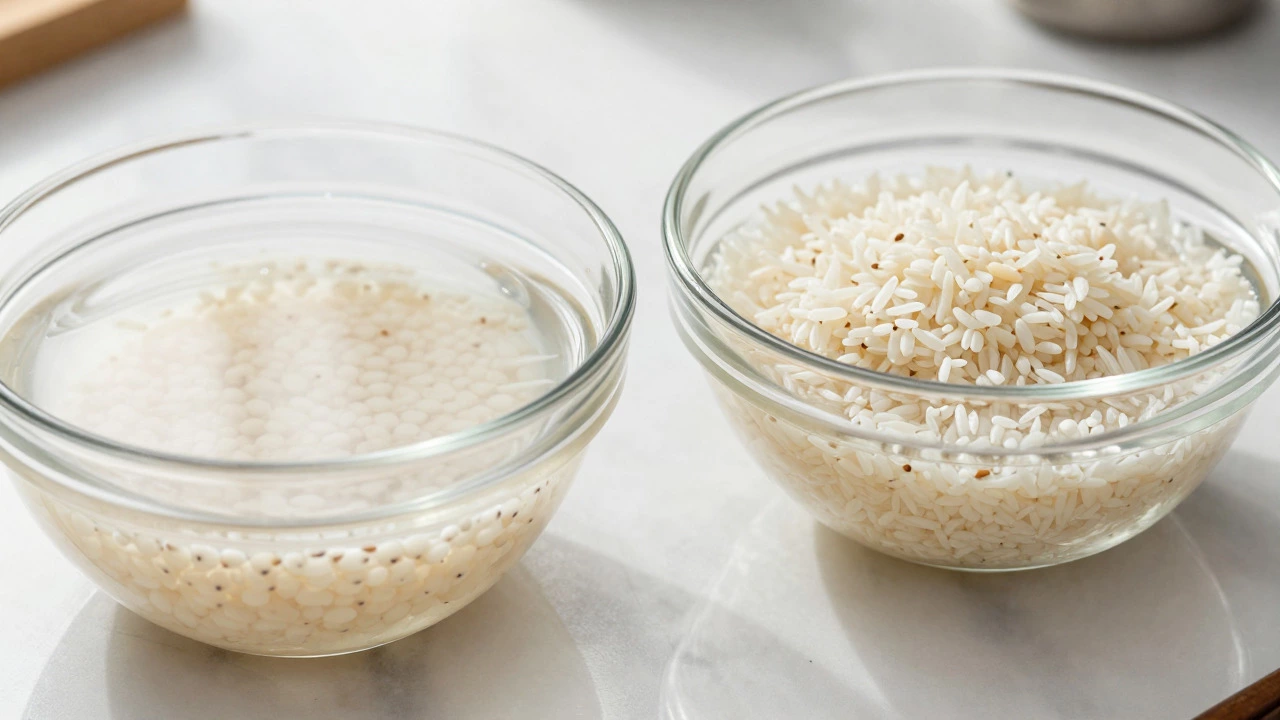
- Rice (Idli Rice/Ponni Rice): Soak for 4 to 6 hours.
- Poha (Flattened Rice): Soak for 15 to 30 minutes (if using).
Why the difference? Urad dal is a type of black gram lentil that is soft and cooks quickly. It absorbs water rapidly. If you leave it in water for six hours like the rice, it can become mushy and disintegrate during grinding, leading to a batter that lacks structure. Rice, particularly the short-grain varieties preferred for idli, is harder and needs more time to soften its starch granules so they release properly when ground.
| Ingredient | Soaking Time (Room Temp) | Texture Goal |
|---|---|---|
| Urad Dal (Skinned & Split) | 2 - 3 Hours | Soft but intact grains |
| Idli Rice / Ponni Rice | 4 - 6 Hours | Fully softened, no hard center |
| Parboiled Rice | 6 - 8 Hours | Harder texture requires longer soak |
| Poha (Thick) | 15 - 30 Minutes | Slightly pliable, not dissolved |
Temperature Changes Everything
Living in Sydney, I know how much weather affects cooking. But even if you are in Chennai or New York, temperature dictates your schedule. Water temperature directly impacts how fast ingredients absorb moisture and begin the initial stages of enzymatic activity.
Hot Weather (Above 28°C / 82°F): When it’s hot, bacteria and yeast wake up faster. Your urad dal doesn’t need as long to soften, and you risk premature fermentation. In summer, reduce the soaking time for urad dal to just 1.5 to 2 hours. For rice, 3 to 4 hours is usually enough. Keep the soaking containers in a cool part of the kitchen, or even place them in a larger bowl of cold water to keep the temperature down.
Cold Weather (Below 15°C / 59°F): In winter, things slow down. Cold water takes longer to penetrate the grain. You might need to extend the rice soaking time to 8 hours or even overnight. Urad dal may need 3 to 4 hours. A pro tip for cold climates: use slightly warm water (not hot, just tepid) for the final rinse before grinding to help jumpstart the process.
Does the Type of Rice Matter?
Absolutely. Not all rice is created equal when it comes to idli. The variety you choose dictates the soaking duration.
Idli Rice (Ponni/Sona Masoori): These are short-grain, high-starch varieties. They are designed to break down easily. Stick to the 4-6 hour window. If you soak them too long, they can become slimy, which affects the batter's ability to hold air bubbles during fermentation.
Basmati or Long Grain Rice: If you only have Basmati, it works, but it needs less soaking than Idli rice because it’s thinner. About 3-4 hours is sufficient. However, the result won’t be as spongy. Basmati produces a denser, chewier idli.
Parboiled Rice (Semiya/Matta Rice): This rice has been boiled in the husk, driving nutrients into the kernel. It is very hard. You must soak parboiled rice for at least 6 to 8 hours, often overnight. If you try to grind parboiled rice after only 4 hours, your mixer grinder will suffer, and your batter will be sandy.
The Role of Poha (Flattened Rice)
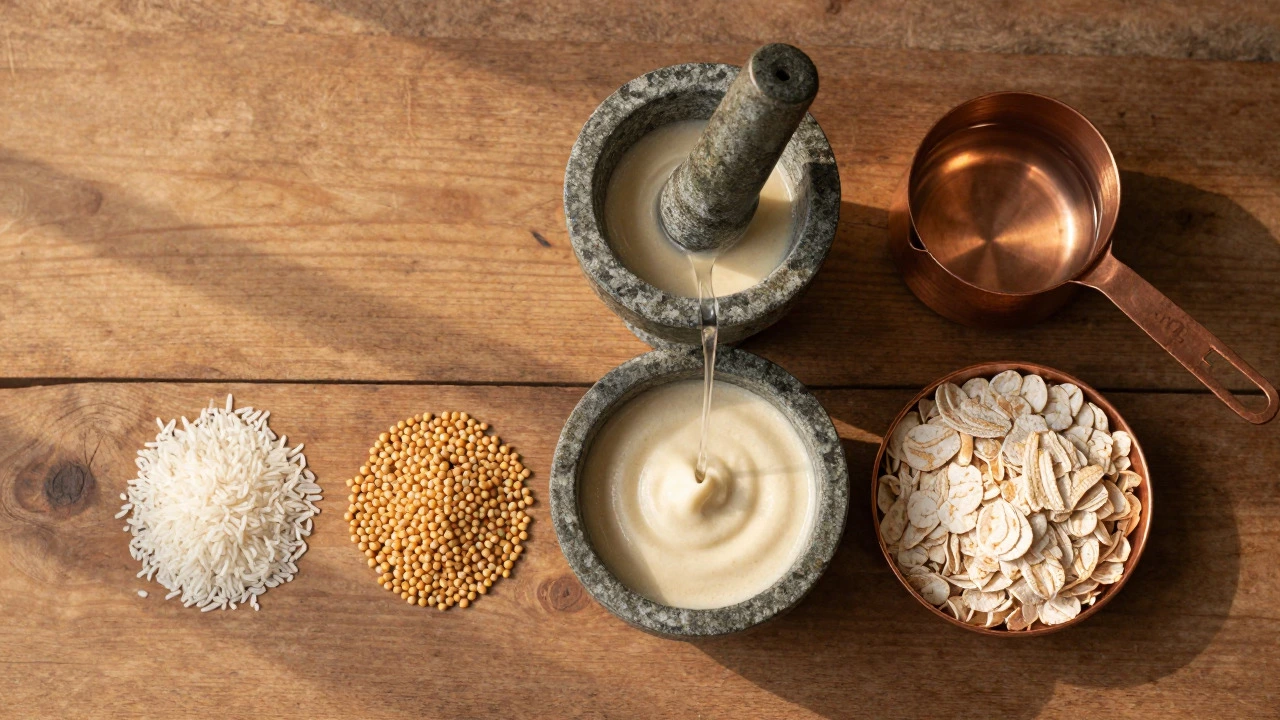
Many traditional recipes include a handful of poha (flattened rice). Why? It adds extra starch and helps the batter rise by providing a surface area for bacteria to work on. But poha is tricky. It dissolves almost instantly.
Do not soak poha with the rice from the beginning. Add it to the soaking water for the last 15-20 minutes, or simply rinse it and let it sit in a separate small bowl while the rice and dal finish their main soak. If you soak thick poha for four hours, it turns into a glue-like paste that makes the batter heavy and difficult to spread for dosas.
Signs You’ve Soaked Too Little or Too Much
You don’t always need a clock; you can use your senses. Here is how to check if your ingredients are ready.
Under-Soaked Signs: Try pressing a grain of urad dal between your thumb and forefinger. It should mash completely without any resistance. If it snaps or feels hard in the middle, it needs more time. For rice, take a grain and bite it (yes, really). It should feel soft throughout, with no chalky center. If it’s hard, your grinder blades will struggle, generating heat that kills the beneficial bacteria needed for fermentation.
Over-Soaked Signs: If the urad dal starts breaking apart in the water before you drain it, it’s been too long. The water might also smell slightly sour or yeasty before you’ve even started fermenting. This indicates that wild bacteria have already started working. While this isn’t always bad, it reduces your control over the fermentation process. The batter might turn sour too quickly after grinding, leaving you with no time to cook.
From Soaking to Grinding: The Workflow
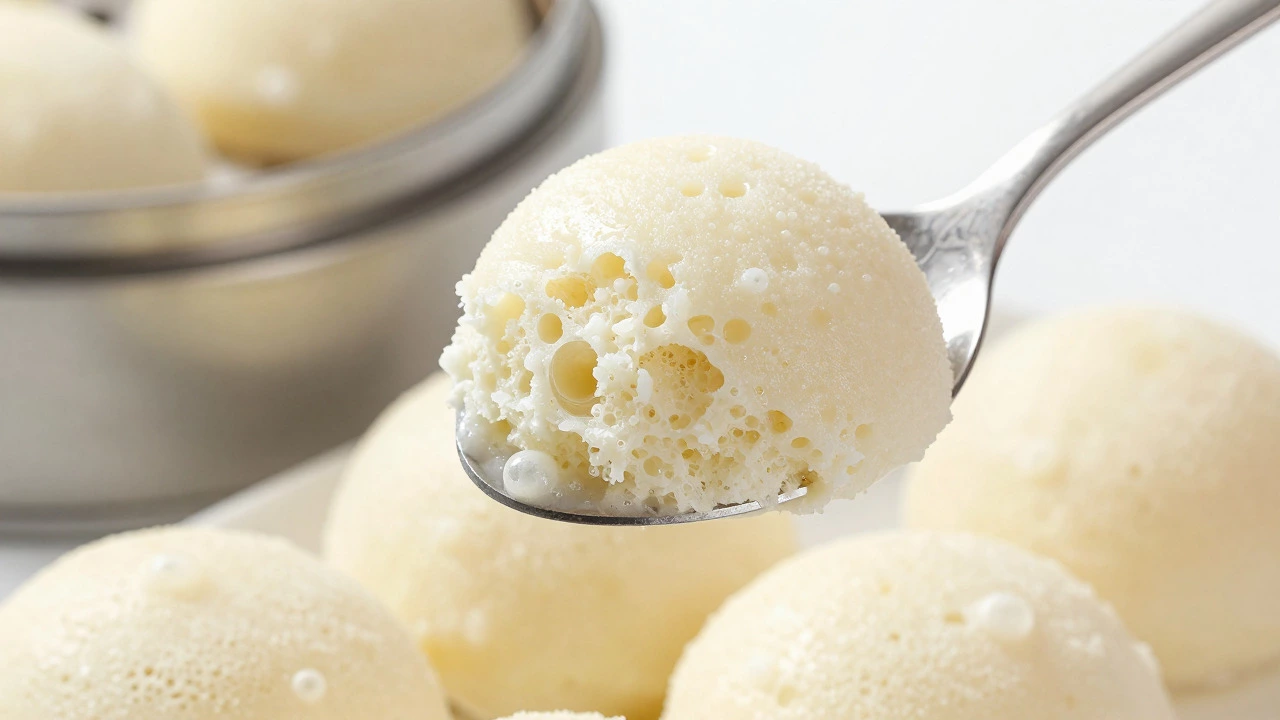
Once the soaking is done, the next steps are critical. Here is the ideal workflow to maintain quality:
- Drain Thoroughly: Pour the soaked rice and dal into a colander. Shake it well to remove excess water. Wet batter grinds poorly and becomes watery.
- Grind Urad Dal First: Always grind the urad dal first. Use minimal ice-cold water. The goal is a fluffy, airy paste that holds peaks. This aeration is crucial for the idli’s rise. If you grind the rice first, the starch coats the blades, making it harder to aerate the dal.
- Grind Rice Second: Grind the rice separately or add it to the dal later, depending on your preference. Most chefs prefer grinding them separately to control the texture. Rice batter should be smooth but slightly thicker than the dal batter.
- Mix and Ferment: Combine both batters in a large vessel. Mix well. Cover and leave in a warm place for 8-12 hours (or until doubled in volume).
Troubleshooting Common Issues
Even with perfect soaking, things can go wrong. Here are quick fixes based on common scenarios.
Batter is too thick after grinding: Don’t panic. Add a little water, one tablespoon at a time, while mixing. The consistency should be similar to pancake batter-pourable but not runny.
Batter didn’t rise: This is rarely a soaking issue and usually a fermentation temperature problem. If your house is cold, place the batter in an oven with just the light on, or near a heater. Ensure your soaking wasn’t so long that the ingredients became acidic before grinding, which can inhibit yeast growth.
Idlis are hard: Check your rice-to-dal ratio. Too much dal makes the idli dark and dense. Too much rice makes them flat. Also, ensure you didn’t skip the resting period after mixing. Let the mixed batter rest for 30 minutes before steaming to allow the gluten and starch networks to relax.
FAQ: Questions About Soaking Rice and Urad Dal
Can I soak rice and urad dal together?
Technically, yes, but it is not recommended for beginners. Since urad dal soaks faster than rice, soaking them together means either the dal gets over-soaked (becoming mushy) or the rice stays under-soaked (remaining hard). For best results, soak them separately or add the dal to the water 2-3 hours after the rice.
What happens if I soak urad dal overnight?
If you soak urad dal overnight in room temperature water, it will likely start fermenting before you grind it. This can lead to a batter that is too sour or has an unpleasant smell. In cold weather, overnight soaking is fine, but in warm weather, stick to 2-3 hours max.
Should I wash the rice before soaking?
Yes, always wash the rice and urad dal thoroughly before soaking. This removes dust, debris, and excess surface starch that can make the batter slimy. Rinse until the water runs mostly clear, then fill with fresh water for soaking.
Can I use brown rice for idli?
Brown rice is much harder than white idli rice. It requires soaking for 12-24 hours to soften sufficiently. Even then, the resulting idli will be denser and nuttier. It is better suited for healthy variants where texture is secondary to nutrition.
How do I know if my batter has fermented enough?
Fermented batter should have increased in volume by at least 1.5 to 2 times. It should look bubbly and porous. When you drop a spoonful of batter into a glass of water, it should float to the top. This indicates enough gas has been produced during fermentation.
Does salt affect fermentation?
Salt can inhibit bacterial activity if added too early. Traditionally, salt is added just before steaming the idlis. Adding it immediately after grinding can slow down the rising process, especially in cooler temperatures.
Can I speed up the soaking process?
You can use warm water to speed up soaking, but be careful not to cook the grains. Tepid water (around 40°C/104°F) can reduce soaking time by about 30%. However, avoid hot water as it can gelatinize the starch prematurely, leading to a gummy batter.