4 Sep 2026
- 0 Comments
Gentle Indian Food Digestibility Checker
Love Indian cuisine but have a sensitive stomach? Check if your favorite dish is gentle on your gut before you eat it.
Why?
Explanation will appear here.
Cooking Tips
Verdict
Select a Dish to Analyze
Enter an Indian dish name in the box to see how it affects your digestion.
You love the aroma of cumin and turmeric, but your stomach hates you for it. It is a frustrating paradox. You want the comfort of home-cooked Indian food, but spicy curries leave you bloated or burning an hour later. The good news? Indian cuisine isn't just about heat. There is a whole side of the menu designed specifically to soothe, heal, and nourish without causing chaos in your gut.
If you have gastritis, IBS, or just a sensitive system, you don't need to give up dal-chawal forever. You just need to tweak how you cook and what you choose. Let's look at which dishes actually work when your stomach is acting up, and which ones are traps waiting to happen.
The Science of Soothing Spices
Before we hit the recipes, let's clear up a massive misconception. People think "Indian" equals "spicy." That is wrong. Indian cooking uses spices for flavor, color, and digestion. Many common ingredients are actually carminatives-substances that prevent gas formation.
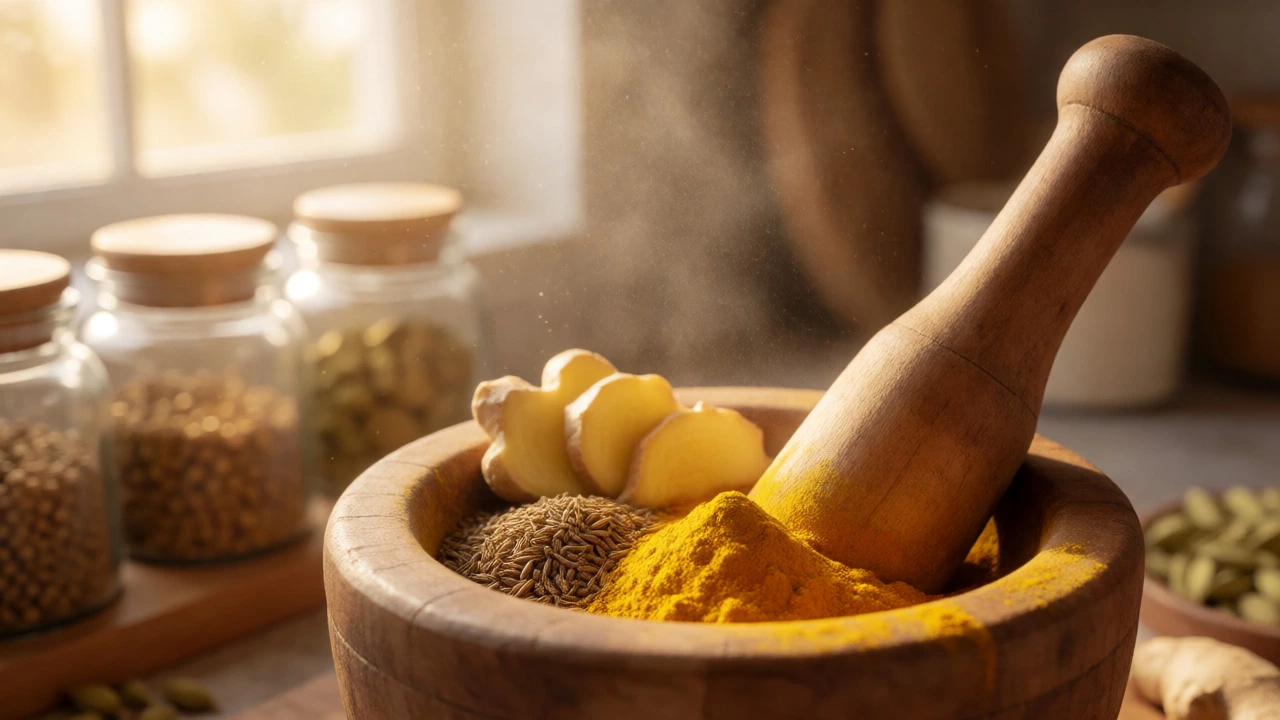
Cumin (Jeera) is a seed widely used in Indian cooking known for its ability to stimulate digestive enzymes and reduce bloating. Unlike chili powder, which contains capsaicin and can irritate the lining of the stomach, cumin warms the digestion gently. Similarly, Turmeric (Haldi) acts as a natural anti-inflammatory. When you pair these with ginger, you create a trifecta that helps move food through your system smoothly rather than letting it sit and ferment.
The trick is avoiding the "heat" agents like red chili powder, garam masala (which often contains hot cloves and cinnamon), and excessive garlic if you are prone to acid reflux. Focus on the earthy, warming spices instead.
Khichdi: The Ultimate Gut Healer
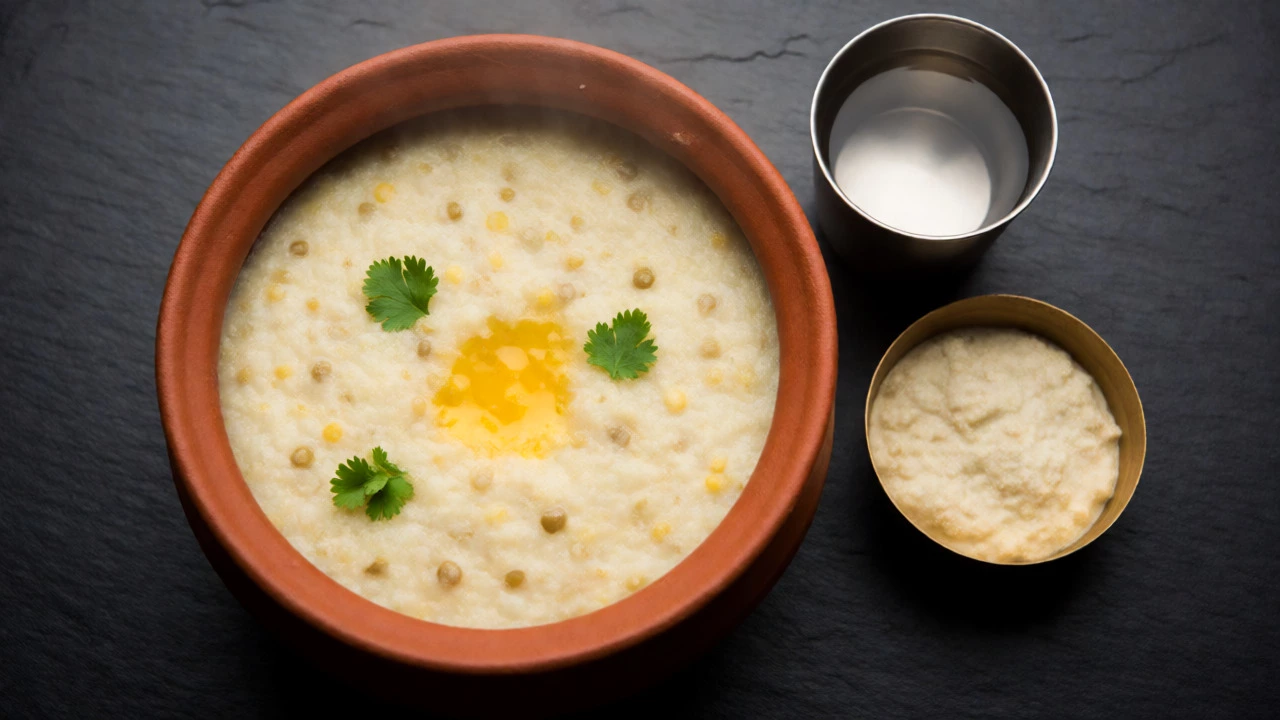
If there is one dish that Ayurvedic medicine considers the gold standard for healing the gut, it is Khichdi. This one-pot meal made from rice and lentils is considered easily digestible and nutritious, often used during illness or detoxification.
Why does it work so well? The combination of mung beans (moong dal) and white rice breaks down quickly in the stomach. Mung beans are low in oligosaccharides, the complex sugars that cause gas in other legumes like chickpeas or kidney beans. White rice, being stripped of bran, is low-fiber and gentle on inflamed intestines.
To make it truly stomach-friendly, skip the heavy tempering. Instead of frying onions and tomatoes in oil, add a pinch of turmeric, salt, and a tiny bit of ghee. Ghee provides fat-soluble vitamins and lubricates the intestinal tract without the heaviness of vegetable oils. If you feel weak, this is your go-to. It’s not just food; it’s medicine disguised as dinner.
Dal Tadka vs. Dal Fry: Know Your Lentils
Not all dals are created equal. If your stomach is sensitive, you need to be picky about your pulses.
| Lentil Type | Digestibility Score | Why? |
|---|---|---|
| Mung Dal (Yellow Moong) | High | Lowest fiber content, cooks fastest, least gas-producing. |
| Red Masoor Dal | Medium-High | Skinned lentils break down easily; avoid adding too much chili. |
| Toor Dal (Arhar/Pigeon Pea) | Medium | Can cause gas if not soaked properly; best eaten with jeera. |
| Rajma (Kidney Beans) | Low | High fiber and complex sugars; likely to cause bloating. |
| Chana (Chickpeas) | Low | Very dense; takes hours to digest; hard on sensitive guts. |
Stick to yellow moong dal or red masoor dal when you are feeling off. Avoid Rajma Chawal if you have IBS. The texture matters too. Overcook your dal until it is almost soup-like. The softer the consistency, the less work your stomach has to do.
Idli and Dosa: Fermentation is Your Friend
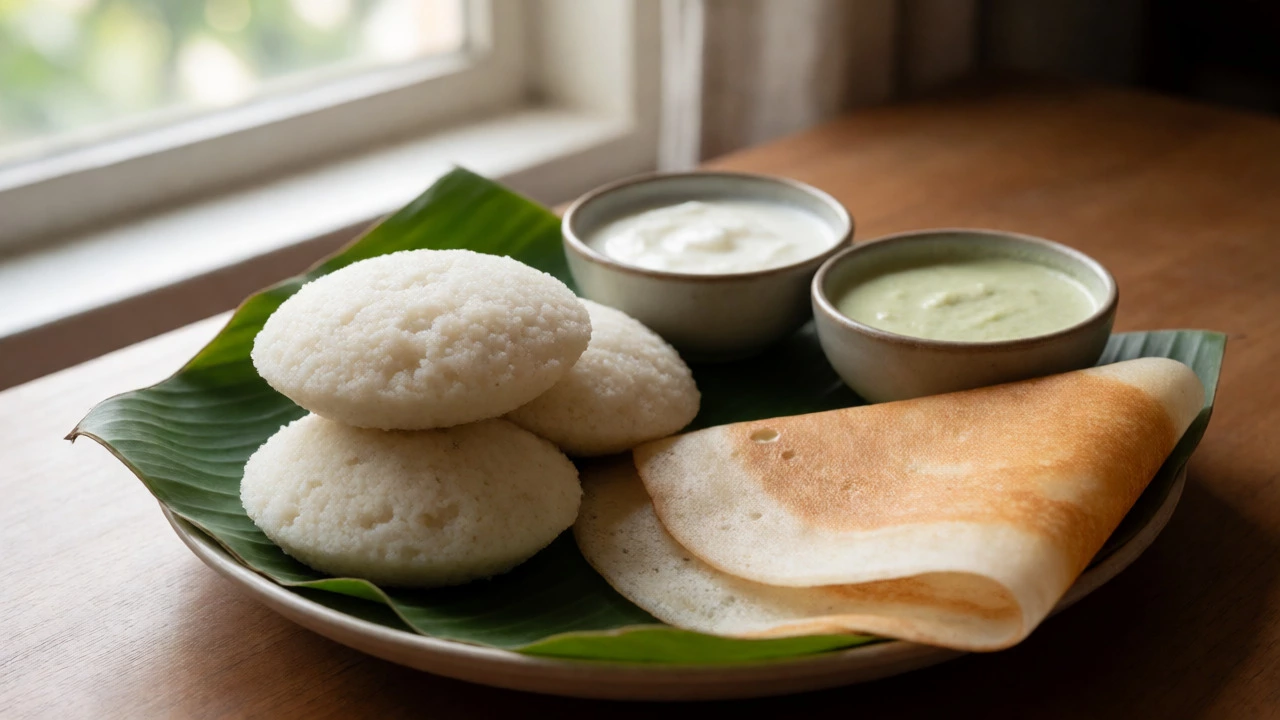
South Indian breakfasts are surprisingly gentle, provided you watch the accompaniments. Idli is a steamed cake made from fermented batter of rice and black gram, offering a probiotic-rich, low-calorie option.
The fermentation process pre-digests some of the starches and proteins. This means your body absorbs nutrients easier, and the bacteria involved produce B vitamins. Idlis are steamed, not fried, so they contain zero added fats. They are light, fluffy, and rarely trigger acid reflux.
Dosas are similar but pan-fried. A plain dosa is fine, but avoid the "Masala Dosa" if you are sensitive. The potato filling inside is often seasoned with mustard seeds, curry leaves, and green chilies, which can spike acidity. Stick to plain dosas or those with minimal spice. And here is the catch: Chutneys. Coconut chutney is usually safe because coconut milk is soothing. Tomato chutney? High acidity. Sambar? Often loaded with tamarind and chili. Skip the sambar bowl and stick to plain yogurt or mild coconut chutney.
Curd Rice: The Probiotic Powerhouse
In Tamil Nadu, they end meals with Curd Rice (Thayir Sadam). This dish mixes cooked rice with yogurt and mild spices, serving as a natural cooling agent for the digestive system.
Yogurt introduces beneficial bacteria to your gut flora. These probiotics help balance your microbiome, which is crucial if you suffer from irregular bowel movements. But don’t just scoop cold yogurt onto hot rice. Mix them thoroughly and let it sit for ten minutes. This allows the flavors to meld and makes the temperature lukewarm, which is ideal for digestion. Add a pinch of roasted cumin powder and a few curry leaves. No chili. No onion. Just pure, cooling relief.
Kitchari and Other Comfort Foods
Beyond Khichdi, consider Sabudana Khichdi. Made from tapioca pearls, this gluten-free dish is extremely easy to digest and often consumed during fasting periods due to its light nature.
Tapioca is neutral. It doesn’t irritate the stomach lining. However, traditional Sabudana Khichdi includes peanuts and potatoes. Peanuts can be hard to digest for some. If you have a sensitive stomach, skip the peanuts or grind them into a paste. Use very little oil. The goal is hydration and energy, not richness.
Another great option is Moong Sprouts Salad. Lightly steamed sprouts retain their crunch but lose the raw enzyme inhibitors that cause gas. Toss them with lemon juice and a pinch of rock salt. Avoid heavy dressings. This is perfect for lunch when you want something fresh but light.
Foods to Avoid When Your Stomach Hurts
We know what to eat. What should you banish from your plate temporarily?
- Heavy Cream Curries: Butter Chicken or Malai Kofta are delicious but rich. Dairy-heavy sauces slow down gastric emptying, leading to that "brick in the stomach" feeling.
- Deep-Fried Snacks: Pakoras, Vadas, and Samosas absorb huge amounts of oil. Fried foods trigger bile production, which can worsen nausea and acid reflux.
- Raw Onions and Garlic: While healthy, they are high in fructans, a type of carbohydrate that many people struggle to digest. They are major triggers for IBS symptoms.
- Tamarind-Heavy Dishes: Sambar and Rasam rely on tamarind. If you have an ulcer or severe acidity, the sourness can sting. Dilute these soups heavily with water or skip them.
Practical Tips for Cooking Gentle Indian Meals
You don’t need a special diet plan. You just need to adjust your technique.
- Soak Your Legumes: Always soak lentils for at least 30 minutes before cooking. This reduces phytic acid and makes them easier to break down.
- Use Ghee Sparingly: Ghee is better than refined oil, but it is still fat. One teaspoon per serving is enough to carry flavor without overwhelming your digestion.
- Cook Until Mushy: For sensitive stomachs, al dente is your enemy. Cook vegetables and grains until they are soft. The mechanical breakdown starts in the pot, not just in your mouth.
- Temperature Matters: Eat warm food. Cold salads or ice-cold lassis can shock a sensitive gut. Warmth aids blood flow to the digestive organs.
Remember, Indian food is incredibly diverse. It isn't monolithic. By shifting towards steamed, fermented, and mildly spiced options, you can enjoy the cultural depth of the cuisine while keeping your belly happy. Start with Khichdi tonight. See how you feel tomorrow morning. Your stomach will thank you.
Is spicy Indian food bad for gastritis?
Yes, typically. Capsaicin in red chilies can irritate the inflamed stomach lining associated with gastritis. However, spices like cumin, coriander, and turmeric are generally safe and even beneficial. Avoid red chili powder and excessive garam masala.
Which Indian bread is easiest to digest?
Plain Roti (whole wheat flatbread) without oil or ghee is usually easier than Paratha (layered with fat). However, if you are very sensitive, white flour Naan might pass through more easily due to lower fiber content, though it lacks nutritional value. Steamed Idli is often better than any bread.
Can I eat paneer if I have a sensitive stomach?
It depends. Paneer is casein-heavy, which is difficult for some people to digest. If you are lactose intolerant, it will cause issues. If you tolerate dairy but have slow digestion, paneer can feel heavy. Try small amounts of fresh, homemade paneer rather than store-bought versions which may contain preservatives.
What is the best Indian drink for digestion?
Jaljeera (cumin water) or Ajwain water (carom seed water) are excellent. Both are traditionally used to relieve gas and bloating. Buttermilk (Chaas) with a pinch of salt and roasted cumin is also highly effective for cooling the stomach and aiding digestion after a meal.
Are South Indian dishes healthier for the stomach than North Indian?
Generally, yes. South Indian staples like Idli, Dosa, and Curd Rice rely on fermentation and steaming, which are gentler processes. North Indian cuisine often uses more cream, butter, and heavy gravies, which can be harder to digest for sensitive individuals.