14 Aug 2026
- 0 Comments
Dal Flavor Enhancement Checklist
Follow these steps based on expert techniques to transform basic boiled lentils into a rich, creamy, and flavorful dish.
Step 1: The Magic of Tadka (Tempering)
Fry whole spices in hot fat to release essential oils.
- Use Ghee for richness or Mustard Oil for punch.
- Wait for cumin seeds to sizzle and pop before adding aromatics.
- Fry garlic/onions until golden, not soggy.
Step 2: Aromatic Foundation & Spice Layering
Build depth with ginger, garlic, and layered spices.
- Cook ginger-garlic paste until raw smell is gone (turns pale gold).
- Bloom powdered spices (turmeric, coriander) in the onion-tomato base.
- Add Hing (asafoetida) for savory umami depth.
Step 3: Texture & Consistency
A thick dal coats the tongue better than watery soup.
- Mash half the cooked lentils back into the pot for creaminess.
- Simmer uncovered at the end to reduce excess liquid.
- Avoid using baking soda; it destroys nutrients and taste.
Step 4: Acidity & Finishing Touches
Brighten the flavors and let them meld.
- Add fresh lemon juice ONLY after turning off the heat.
- Let the dal rest covered for 15-20 minutes before serving.
- Garnish with fried garlic chips or fresh cilantro.
Flavor Score Calculator
Check off what you did!
There is a distinct difference between a bowl of boiled lentils and a truly comforting, soul-warming pot of dal is a staple Indian dish made from various types of lentils, beans, or peas, known for its versatility and nutritional value. The former is just fuel; the latter is an experience. If you have ever cooked dal at home only to find it tasting flat, watery, or simply "off," you are not alone. Many home cooks struggle with this exact issue. The secret isn't necessarily expensive ingredients or hours of simmering. It lies in understanding the specific chemical and textural reactions that happen during the cooking process.
You don't need to be a professional chef to master this. You just need to know what enhances the taste of dal. By focusing on a few key techniques-specifically regarding fat, acid, heat, and timing-you can transform a basic side dish into the star of your meal. Here is exactly how to elevate your dal game, step by step.
The Magic of Tadka (Tempering)
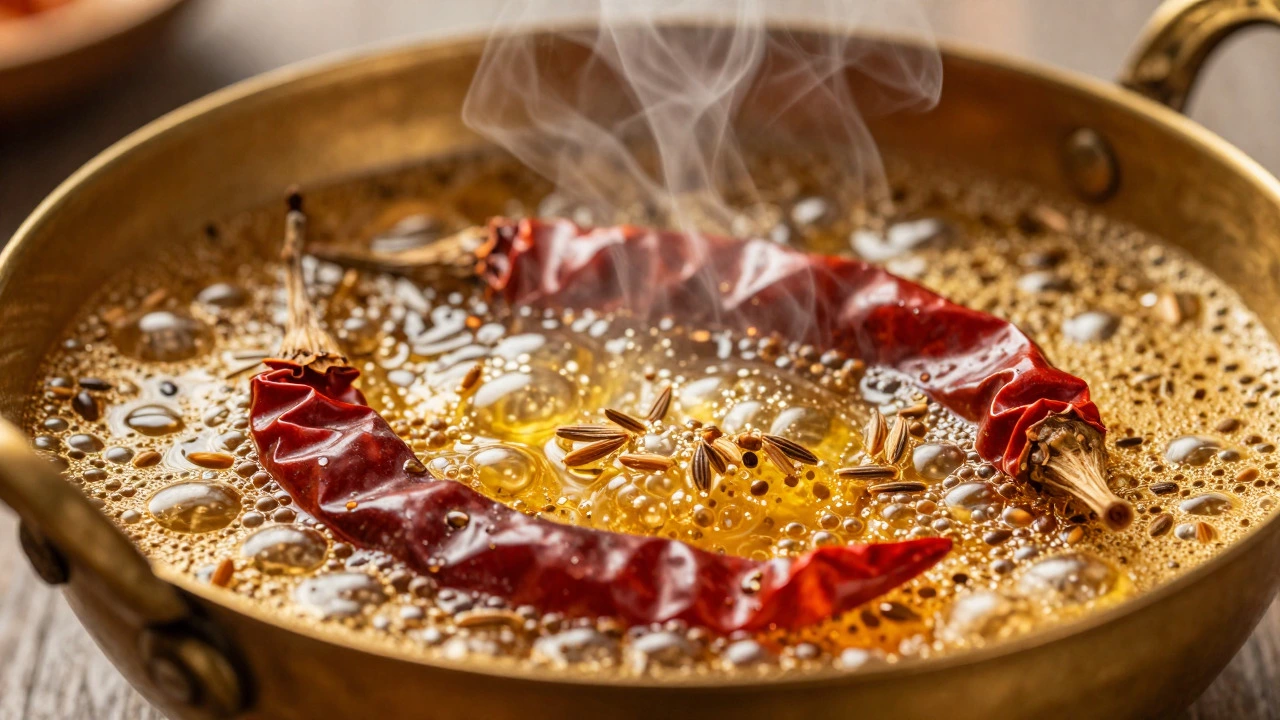
If there is one thing that defines authentic Indian dal, it is tadka is a technique of frying whole spices and aromatics in hot oil or ghee to release their essential oils and flavors. Also known as *chaunk* or *baghaar*, this process is non-negotiable if you want depth. Boiling lentils gives you nutrition, but tempering gives you flavor.
The science here is simple: many spices, like cumin seeds and mustard seeds, contain volatile oils that are locked inside their hard shells. Heat breaks these shells and releases the aroma. However, the medium you use for frying matters immensely.
- Ghee: For the richest, most traditional flavor, use clarified butter. Ghee has a high smoke point and a nutty aroma that clings to the lentils. It adds a creamy mouthfeel that vegetable oil cannot replicate.
- Mustard Oil: Common in Bengali and Punjabi styles, raw mustard oil has a pungent kick. Heating it until it smokes slightly removes the raw bite and leaves a sharp, savory background note.
- Neutral Oil: If you prefer a lighter dish, use sunflower or canola oil, but you must compensate with more robust spices since the oil itself won't add flavor.
When making your tadka, always start with whole spices. Cumin seeds (*jeera*) should sizzle and pop before you add anything else. This indicates the oil is at the right temperature. If you add garlic or onions to cold oil, they will stew rather than fry, resulting in a soggy, bland texture instead of a crispy, aromatic base.
The Role of Acidity: Lemon vs. Tomato
Salt makes food salty, but acid makes food taste *better*. Without acidity, dal tastes muddy. Acid cuts through the heaviness of the lentils and brightens the other spices. However, when and how you add acid changes the entire profile of the dish.
| Acid Source | Best Added When | Flavor Profile | Effect on Texture |
|---|---|---|---|
| Fresh Lemon Juice | At the very end, just before serving | Bright, fresh, zesty | No impact |
| Tomatoes (Pureed or Chopped) | During the sauté phase with onions/garlic | Rich, umami, slightly sweet | Helps thicken the gravy |
| Amchur (Dry Mango Powder) | During simmering or finishing | Tangy, fruity, intense | No impact |
A common mistake is squeezing lemon juice into boiling dal. The high heat destroys the delicate citrus oils, leaving behind a bitter aftertaste. Always turn off the heat, stir in the lemon juice, and then cover the pot for five minutes. This allows the aroma to infuse without cooking away the freshness.
On the other hand, tomatoes require cooking. They need time to break down and lose their raw acidity. If you are making a tomato-based dal like Tomato Dal is a popular North Indian variation where tomatoes form the primary base of the gravy, offering a tangy and rich flavor profile., sauté the onion-garlic mixture until golden, then add the tomatoes. Cook them until the oil starts to separate from the masala paste. This sign-the oil separating-is crucial. It means the water content has evaporated, and the flavors have concentrated.
Garlic and Ginger: The Aromatic Foundation
While some regional recipes skip them, garlic and ginger are powerful enhancers. They provide the pungent, earthy backbone that supports the sweeter notes of cumin and coriander.
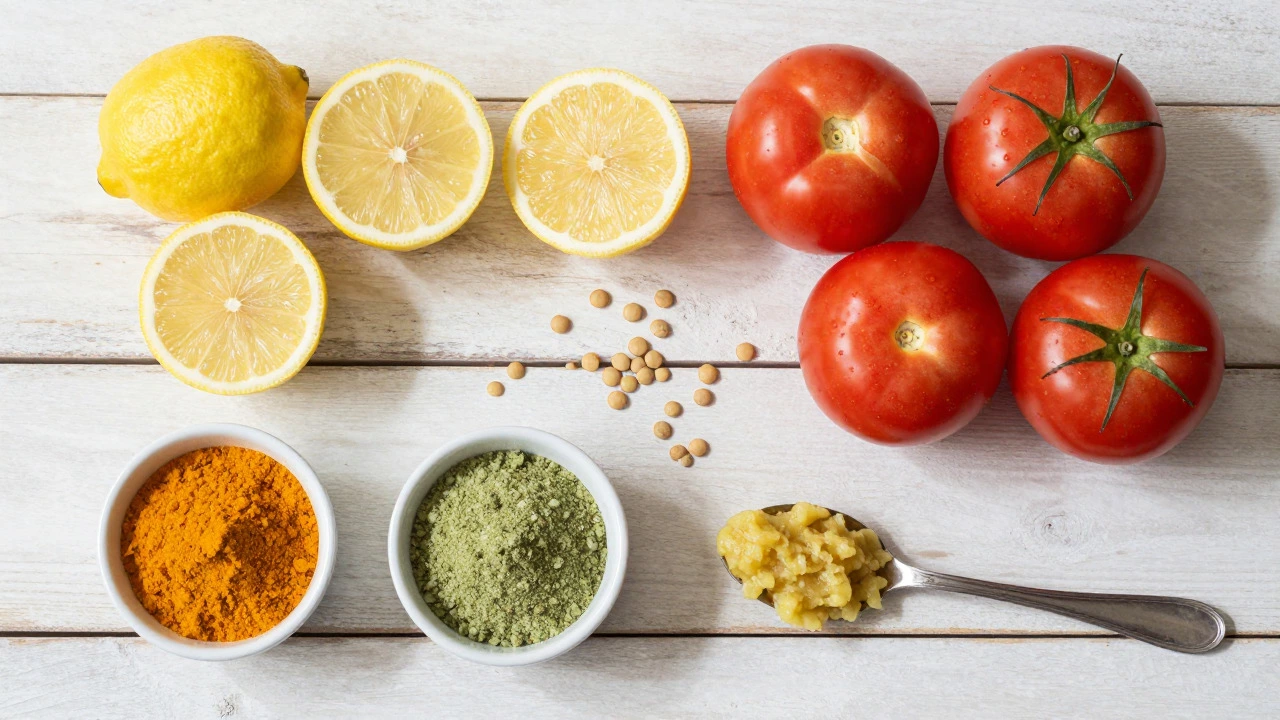
For a smoother, more integrated flavor, blend ginger and garlic into a paste. Add this paste early in the cooking process, right after the onions are translucent. Cooking the paste for two to three minutes removes the raw, biting smell and brings out a warm sweetness. If you add it too late, the dal will taste harsh. If you burn it, it will taste bitter. Watch the color change from white to pale gold.
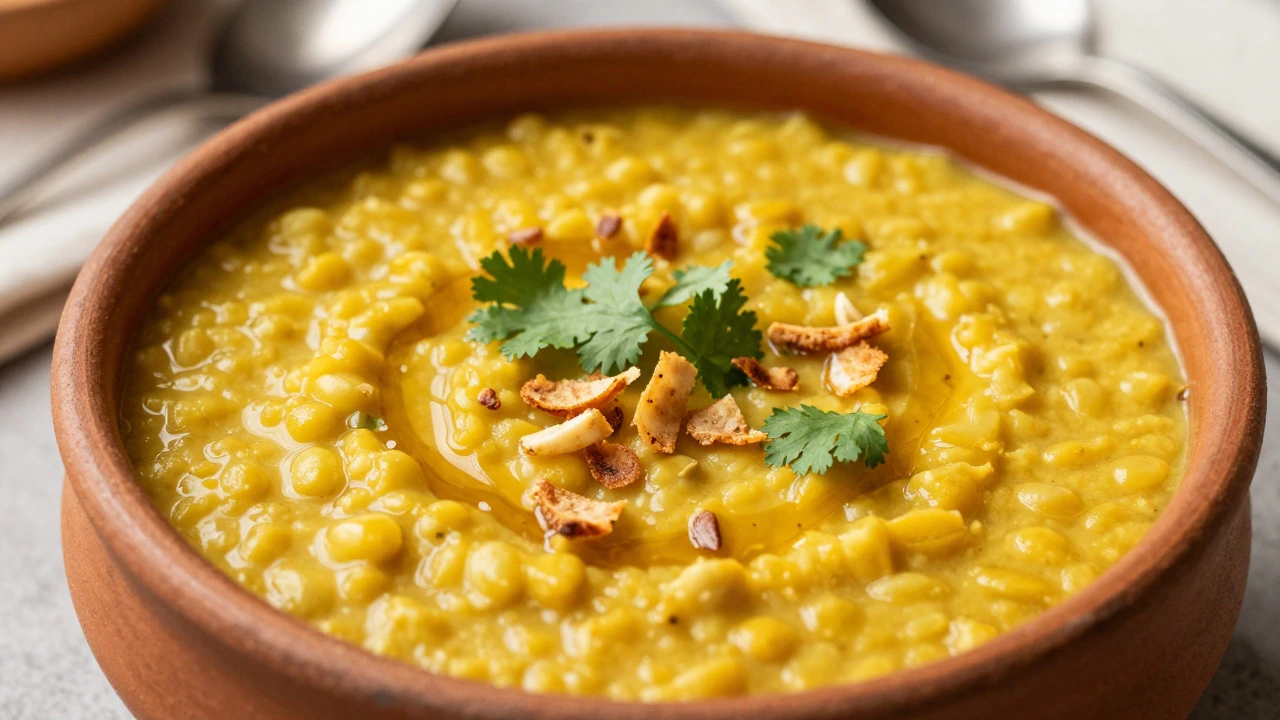
In many households, fried garlic chips (*lehsun ki bhuni*) are used as a garnish. These add a textural contrast-a crunchy element against the soft lentils. To make them, slice garlic thinly and fry in ghee until crisp. Sprinkle these over the finished dal. The combination of soft lentils and crispy garlic is a sensory delight that elevates the dish significantly.
Spice Layering: Whole vs. Ground
Using both whole and ground spices creates complexity. Whole spices release their flavor slowly into the liquid, while ground spices coat the surface and provide immediate impact.
- Whole Spices: Add bay leaves, dried red chilies, and cumin seeds to the hot oil first. Let them crackle. This infuses the fat with flavor.
- Powdered Spices: Add turmeric, red chili powder, and coriander powder later. Turmeric, in particular, needs to be cooked briefly to remove its raw, metallic taste. Stir it into the onion-tomato base for about 30 seconds before adding water or boiled lentils.
- Finishing Spices: Some spices, like garam masala or asafoetida (*hing*), are best added at the end. Hing is especially important for vegetarian dishes as it adds a savory, umami quality similar to meat stock. Just a pinch dissolved in hot water or added to the tadka makes a noticeable difference.
Note that coriander powder is the unsung hero of dal. It has a mild, citrusy, nutty flavor that ties all other spices together. Don't skimp on it. A tablespoon of coriander powder often does more for the overall harmony of the dish than a teaspoon of chili powder.
Texture Matters: Blending and Consistency
The mouthfeel of your dal directly impacts how flavorful it seems. A watery dal tastes diluted because the flavor compounds are spread too thin. A thick, creamy dal coats the tongue, allowing the palate to detect more flavor.
Consider blending part of the dal. Take half of the boiled lentils and mash them with a potato masher or blend them briefly in a mixer jar. Then mix this puree back into the whole lentils. This creates a velvety consistency that holds the spices better. This technique is standard in restaurants for Dal Makhani is a rich, creamy black lentil dish slow-cooked with butter and cream, originating from Punjab., but it works wonders for simpler yellow dal too.
Also, pay attention to the water ratio. Lentils expand significantly when cooked. Use enough water to cook them, but drain any excess before mixing with the masala. If your dal is too soupy, the spices will float to the top rather than integrating into the body of the dish. Simmer the final mixture uncovered for five to ten minutes to reduce the liquid and concentrate the flavors.
The Power of Resting
Chefs often say that curry tastes better the next day. This applies to dal as well. Freshly cooked dal is good, but rested dal is great. As the dal sits, the starches continue to absorb the fats and spices. The flavors meld and deepen.
If you are short on time, let the dal sit covered for at least 15 to 20 minutes after turning off the heat. Do not serve it immediately after the final boil. This resting period allows the steam to circulate and the temperatures to equalize, resulting in a more unified flavor profile. Reheat gently before serving, adding a splash of water if it has become too thick.
Common Mistakes That Kill Flavor
To ensure your dal turns out perfectly, avoid these frequent errors:
- Over-salting early: Salt draws out moisture. If you salt the lentils too early in the boiling stage, they may take longer to cook and become mushy. It is safer to season the masala base and adjust the salt at the end.
- Under-toasting spices: Adding powdered spices to wet ingredients without frying them first results in a raw, chalky taste. Always bloom spices in fat.
- Ignoring the lid: When simmering the final dal, keep the lid on. Trapping the steam helps cook the lentils evenly and prevents the surface from drying out while the bottom burns.
- Using old lentils: Very old lentils take much longer to cook and may never achieve the same creamy texture. Rinse lentils thoroughly under cold water until the water runs clear to remove dust and impurities that can affect taste.
Quick Tips for Instant Improvement
If you want to improve your dal right now without changing your entire recipe, try these quick hacks:
- Add a small knob of butter or a spoonful of ghee at the very end. Fat carries flavor and adds richness.
- Sprinkle fresh cilantro (*dhania*) leaves just before serving. The herbal freshness contrasts beautifully with the heavy spices.
- Use a pinch of baking soda while boiling lentils? No. While it speeds up cooking, it destroys nutrients and can give the dal a soapy taste and gray color. Skip it for better flavor.
- Roast your cumin seeds lightly before grinding or using them whole. Roasting intensifies their aroma.
Why does my dal taste bland even with lots of spices?
Blandness usually comes from a lack of fat or acid. Spices need fat (like ghee or oil) to release their flavor compounds. Ensure you are frying your spices properly in hot oil. Additionally, check if your dal lacks brightness; a squeeze of fresh lemon juice at the end can instantly wake up the flavors.
Can I use vegetable oil instead of ghee for tadka?
Yes, you can use vegetable oil, but the flavor will be lighter. Ghee adds a distinct nutty richness that oil lacks. If using oil, consider adding a teaspoon of butter at the end to mimic the richness of ghee, or increase the amount of aromatic spices like garlic and ginger to compensate.
How do I make my dal creamier without using cream?
Blend half of the cooked lentils and mix them back into the pot. This releases natural starches that thicken the gravy. You can also add a boiled potato to the dal while simmering; the potato breaks down and adds body. Another trick is to roast grated coconut and grind it into a paste, then stir it in.
When should I add lemon juice to dal?
Always add lemon juice at the very end, after turning off the heat. High heat destroys the delicate citrus oils and can make the juice taste bitter. Stirring it in off-heat preserves the fresh, zesty aroma that brightens the dish.
Does soaking lentils improve the taste?
Soaking primarily reduces cooking time and aids digestion by breaking down complex sugars. While it doesn't drastically change the flavor profile, it ensures the lentils cook evenly and retain a better texture, which indirectly helps the spices adhere better to the lentils.