12 Jun 2026
- 0 Comments
Tandoori Chicken Marinade Calculator
Yogurt
Base & TenderizerSpices
Flavor EngineColor
Visual AppealYour Custom Marinade
For 2 lbs- Plain Yogurt (Full Fat) --
- Lemon Juice --
- Salt --
- Ginger-Garlic Paste --
- Cumin Powder --
- Coriander Powder --
- Turmeric --
- Garam Masala --
- Kashmiri Chili Powder --
- Red Food Color (Optional) --
Heat Level Analysis
Perfect for beginners. The spices enhance flavor without overwhelming the palate.
Instructions
- Whisk yogurt until smooth.
- Mix in all spices, lemon juice, and salt.
- Massage into chicken pieces thoroughly.
- Refrigerate for at least 4 hours (overnight is best).
You’ve probably seen that vibrant red-orange glow of Tandoori Chicken is a popular Indian dish where chicken is marinated in yogurt and spices, then roasted in a clay oven called a tandoor. It looks intimidating, right? Like it requires some secret spice blend you can’t find at your local grocery store. But here’s the truth: great tandoori chicken isn’t about complexity. It’s about balance. And that balance comes down to just three main ingredients.
If you get these three right, you don’t need ten other things. If you skip one, the whole dish falls apart. So, what are they? Let’s break them down so you can make restaurant-quality tandoori chicken at home without guessing.
The Acid & Tenderizer: Yogurt
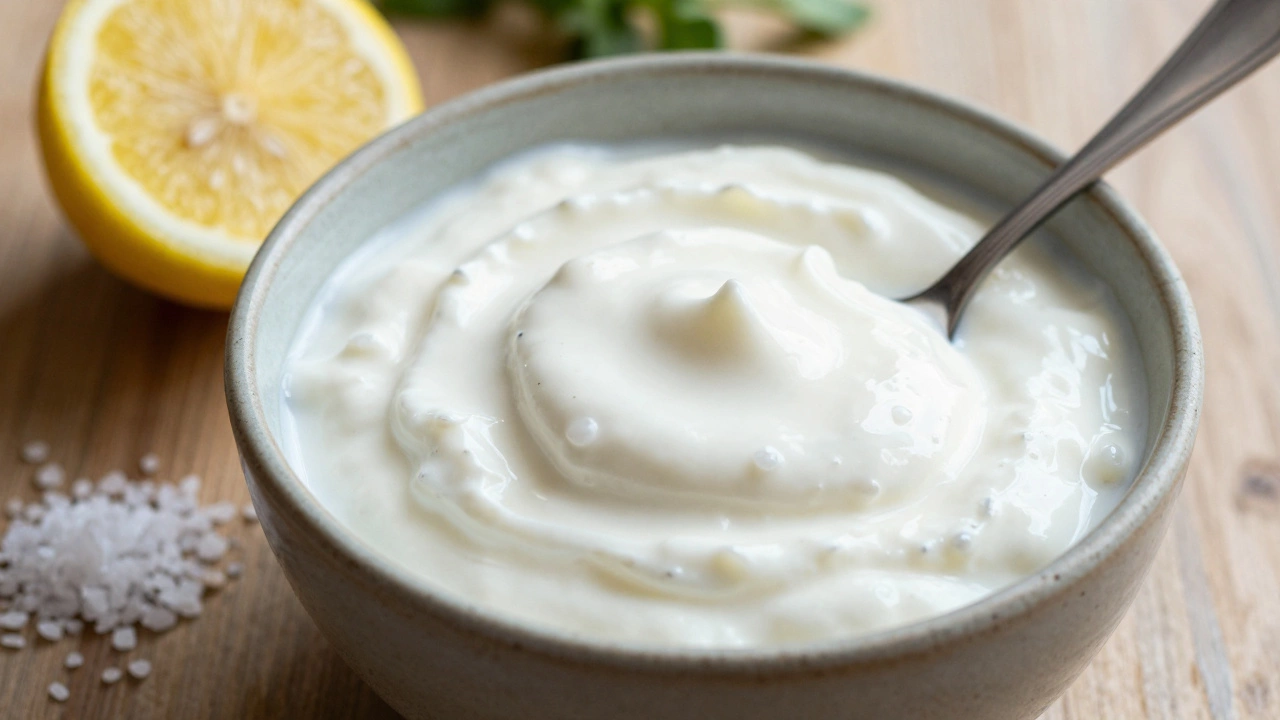
First up is the base. In almost every authentic recipe, this is plain yogurt is a fermented dairy product used as a marinade base to tenderize meat and carry flavors. You might wonder why not oil? Or lemon juice alone? Here’s why yogurt is non-negotiable.
Yogurt does two heavy lifting jobs. First, it has lactic acid. This acid breaks down the tough proteins in chicken, making it tender. Without it, your chicken stays chewy. Second, yogurt clings to the meat. Oil slides off. Lemon juice evaporates or burns. Yogurt sticks. It creates a coating that protects the chicken from drying out while it cooks under high heat.
But not all yogurt works the same. You want full-fat, plain yogurt. Greek yogurt is fine if it’s thick, but traditional Indian dahi (curd) is even better because it’s tangier and thinner, which helps it penetrate deeper. Avoid flavored yogurts. They add sugar and artificial stuff that will burn in the oven or grill. Stick to plain. Full fat keeps the chicken juicy. Low-fat yogurt often has stabilizers that can give you a weird texture when cooked.
Pro tip: Whisk your yogurt before adding it to the chicken. This removes any lumps and makes the marinade smooth. A smooth marinade means an even coat on every piece of chicken.
The Flavor Engine: Spice Blend
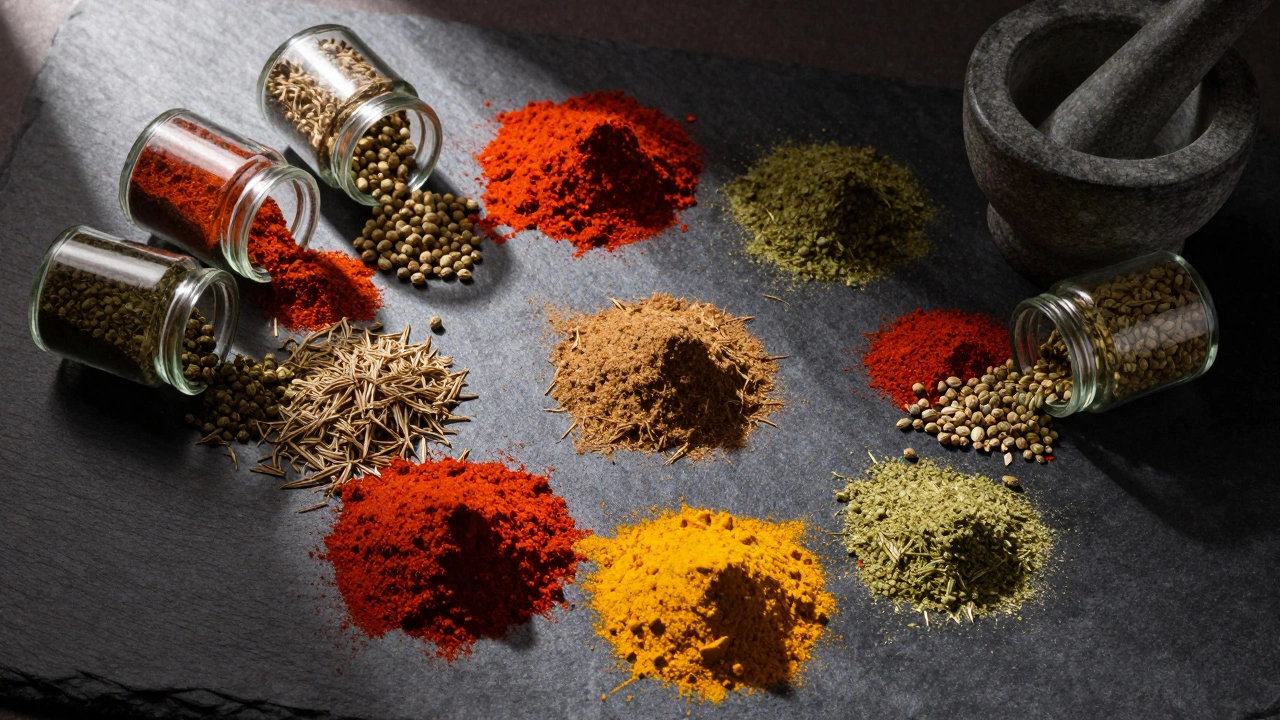
The second ingredient is the heart of the dish. This is your tandoori masala is a blend of ground spices including cumin, coriander, turmeric, chili powder, and garam masala. While you can buy pre-mixed packets, understanding what goes into it helps you control the heat and depth.
A basic tandoori spice mix usually includes:
- Cumin powder: Adds earthiness.
- Coriander powder: Provides a citrusy, nutty background.
- Turmeric: Gives color and anti-inflammatory benefits.
- Red chili powder: For heat. Kashmiri chili powder is preferred because it gives bright red color without too much heat.
- Garam masala: Added at the end for warmth and aroma.
- Citric acid or lemon juice: Enhances brightness.
You don’t need to grind fresh spices every time, but do check your spice jar dates. Old spices lose their punch. If your turmeric looks dull yellow instead of golden, toss it. Fresh spices mean bold flavor. Don’t be shy with the amount. The yogurt balances the intensity, so you can go heavier on the spices than you think.
Also, consider adding garlic and ginger paste. These aren’t always listed as “main” ingredients, but they’re crucial. They bridge the gap between the creamy yogurt and the dry spices. Mince them finely or use a paste. Whole cloves won’t distribute evenly.
The Color & Aroma: Food Coloring & Aromatics
This is the controversial one. Many home cooks skip it. But if you want that classic look, you need Kashmiri chili powder is a mild variety of chili pepper known for its vibrant red color rather than intense heat. Some recipes also use a tiny bit of food coloring, traditionally red. Is it necessary? No. Is it traditional? Yes, in many North Indian restaurants.
Why color matters: In India, food is experienced visually first. That deep red signals “spicy” and “rich” before you even take a bite. If you rely only on regular cayenne or paprika, you’ll get heat but not the right hue. Kashmiri chili powder solves this. It’s mild in heat but strong in color. Use a tablespoon or two. It transforms the pale yogurt into a rich orange-red paste.
For aroma, don’t forget salt. Salt isn’t just seasoning; it draws moisture out of the chicken initially, which then gets reabsorbed along with the marinade. This process, called brining, happens naturally during marination. Use enough salt to taste the marinade itself. If the marinade tastes bland, your chicken will be bland.
Some chefs add a splash of vinegar or lemon juice here too. This boosts the acidity slightly, helping the yogurt work faster. Just don’t overdo it, or the yogurt might curdle.
| Ingredient | Primary Function | Substitute Options | Pitfall to Avoid |
|---|---|---|---|
| Plain Yogurt | Tenderizes & coats meat | Buttermilk (thinner), Sour cream (tangier) | Using low-fat or flavored yogurt |
| Spice Blend | Flavor profile & heat | Garam masala + chili powder mix | Using old, stale spices |
| Kashmiri Chili/Food Color | Visual appeal & mild heat | Sweet paprika (less authentic) | Using hot chili powder for color (too spicy) |
How to Combine Them Perfectly
Now that you know the three pillars, how do you put them together? Order matters.
- Prep the chicken: Pat it dry. Wet chicken repels marinade. Make shallow cuts in thicker pieces like thighs. This lets the marinade reach the bone.
- Mix the base: In a bowl, whisk the yogurt until smooth. Add your spice blend, garlic-ginger paste, salt, and lemon juice. Stir well.
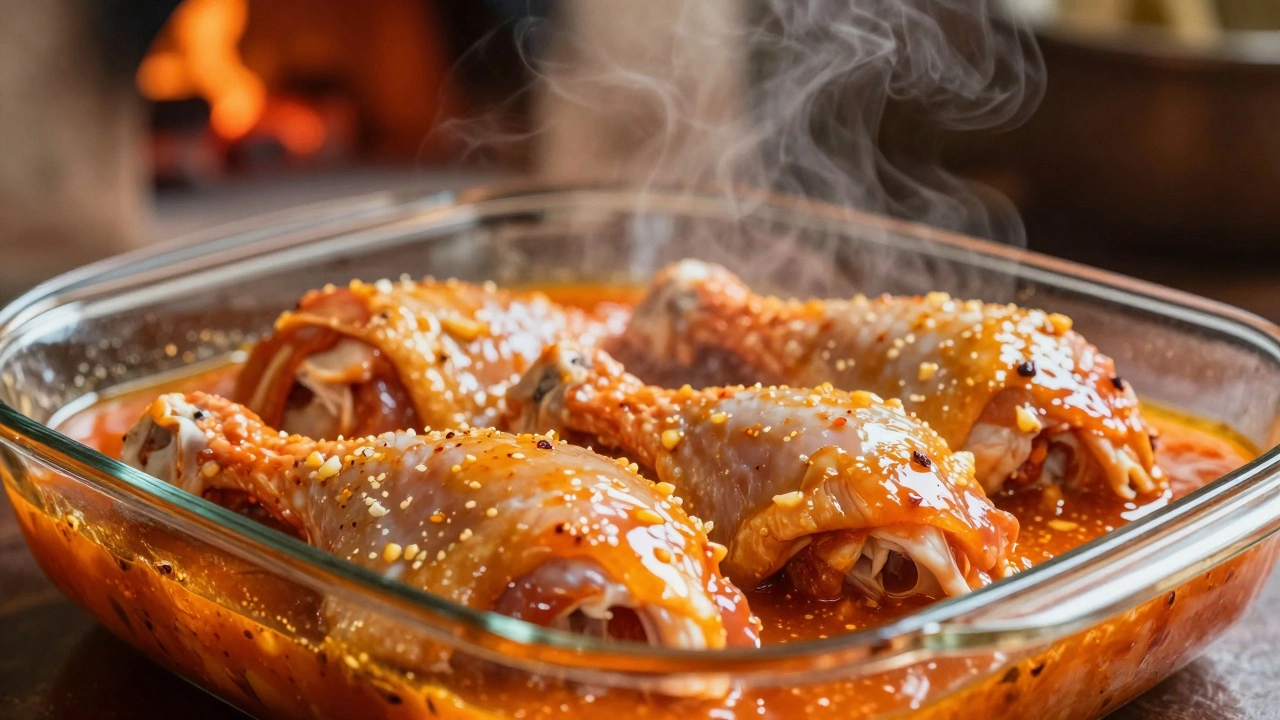
- Coat thoroughly: Add chicken pieces to the bowl. Use your hands (wear gloves) to massage the marinade into every nook and cranny. Don’t just dump it on top. Rub it in.
- Rest: Cover and refrigerate. Minimum 4 hours. Ideally overnight. The longer it sits, the more tender and flavorful it becomes. Overnight is best because the acids have time to work gently.
Don’t rush the resting phase. Marinating for 30 minutes won’t hurt, but it won’t help much either. The magic happens after a few hours.
Cooking Methods: Oven vs. Grill
You don’t need a clay tandoor oven to make this. Most people cook it in a standard oven or on a grill. Both work, but they require slight adjustments.
Oven method: Preheat to 450°F (230°C). Place chicken on a wire rack over a baking sheet. This allows air circulation. Bake for 25-30 minutes, flipping halfway. Broil for the last 2-3 minutes to char the edges. Watch it closely! High heat + sugar/spices = fast burning.
Grill method: Preheat grill to medium-high. Oil the grates. Cook chicken for 6-8 minutes per side. Keep the lid closed as much as possible to trap heat. Brush with extra marinade or butter halfway through for gloss.
In both cases, baste with melted butter after cooking. This adds richness and shine. It’s a common finishing touch in restaurants.
Common Mistakes to Avoid
Even with the right ingredients, you can mess up. Here’s what usually goes wrong:
- Too much liquid: If your marinade is runny, it drips off. Thicken it with more yogurt or reduce lemon juice.
- Not salting enough: Salt enhances flavor. Taste your marinade. It should taste slightly stronger than you want the final dish to be.
- Burning the spices: Spices burn faster than chicken cooks. Use lower heat for longer, or shield the chicken with foil for part of the time.
- Using breast meat only: Breast meat dries out easily. Use thighs, drumsticks, or wings. They stay juicy. If you must use breast, pound it thin and watch the clock.
Pairing Your Tandoori Chicken
Tandoori chicken is rarely eaten alone. It’s part of a meal. Serve it with:
- Raita: Cucumber-yogurt sauce to cool the palate.
- Naan or Roti: To soak up juices.
- Salad: Chopped onions, tomatoes, and lemon wedges.
- Rice: Jeera rice or plain basmati.
The contrast of smoky, spiced chicken with cool, creamy raita is what makes the dish satisfying. Don’t skip the sides.
Can I use sour cream instead of yogurt?
Yes, but it changes the flavor. Sour cream is richer and less tangy than yogurt. It works in a pinch, but the result won’t taste authentically Indian. Mix it with a little lemon juice to mimic yogurt’s acidity.
Do I really need food coloring?
No. Kashmiri chili powder gives natural red color. Food coloring is optional and mostly for visual appeal. Skip it if you prefer natural ingredients. The flavor won’t suffer.
How long can I marinate chicken?
Up to 24 hours. Beyond that, the acid in yogurt can start to break down the meat too much, making it mushy. Overnight (8-12 hours) is the sweet spot for tenderness and flavor.
Can I freeze marinated chicken?
Yes. Freeze it in an airtight container for up to 3 months. Thaw in the fridge before cooking. Note: The texture may change slightly after freezing, but it still tastes good.
Why is my tandoori chicken dry?
Overcooking is the most common cause. Chicken breasts cook fast. Use a meat thermometer (165°F internal temp). Also, ensure you’re using enough fat (yogurt/butter) and not skipping the resting time after cooking.