7 Jul 2026
- 0 Comments
Poha Health & Nutrition Calculator
Customize Your Plate
Analysis Result
Adjust inputs and click Analyze.
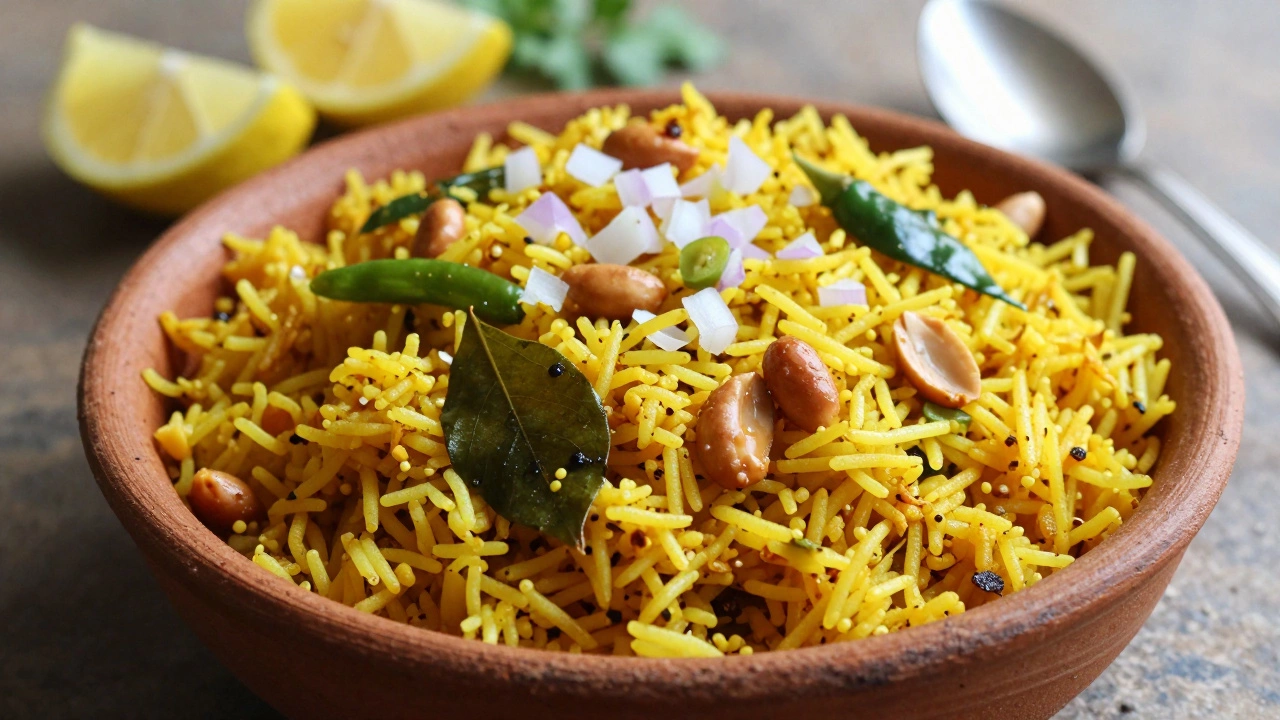
You’ve probably seen it at every roadside stall in Mumbai or served with a smile by your grandmother in Pune. Poha-that fluffy, golden mound of flattened rice-is the undisputed king of Indian breakfasts. But here’s the question that keeps popping up: is poha actually good for you, or is it just empty carbs disguised as comfort food?
If you’re watching your weight, managing blood sugar, or just trying to eat cleaner without giving up flavor, this matters. The short answer? Yes, poha can be healthy-but only if you know how to prepare it. Let’s break down what’s really inside those crispy flakes and why so many people swear by them.
What Exactly Is Poha?
Poha, also known as flattened rice, beaten rice, or chivda in some regions, is made from raw rice grains that are steamed, pressed flat, and then dried before being sold as thin, brittle sheets or flakes. It’s not fried like chips; it’s mechanically processed to create a texture that absorbs liquid quickly and cooks in under five minutes.
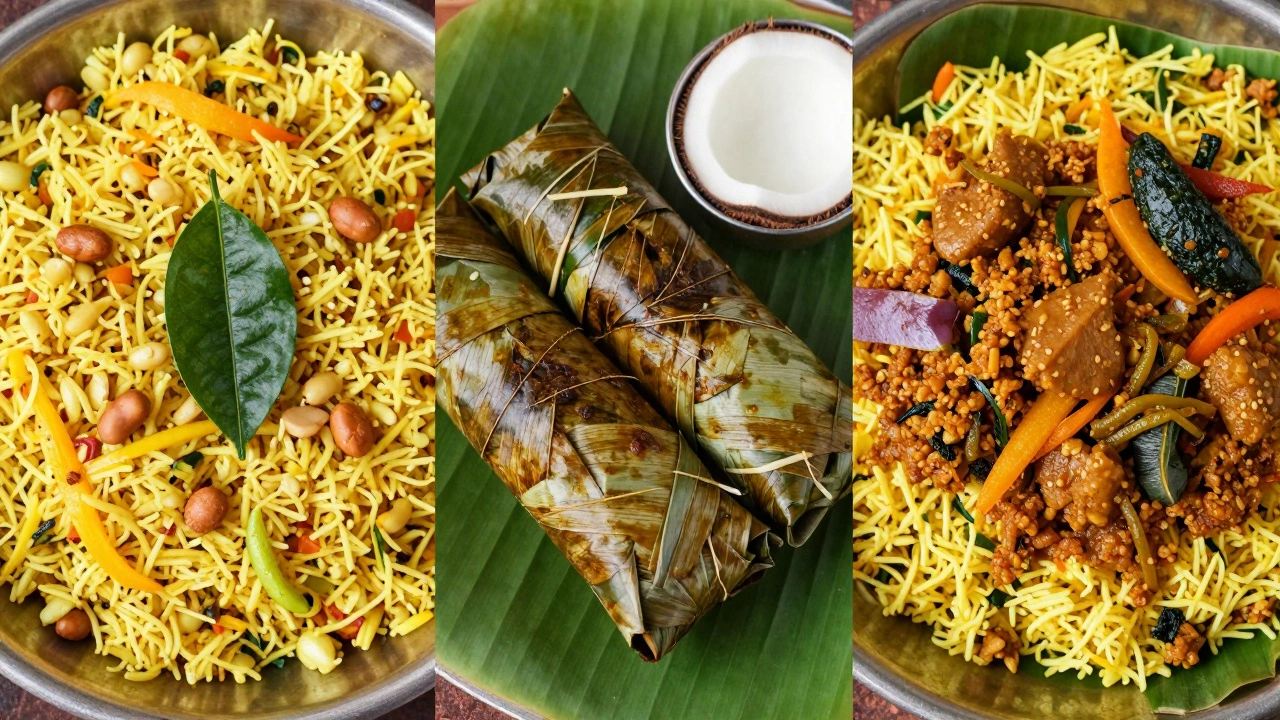
In India, poha isn’t just one dish-it’s a canvas. In Maharashtra, it’s stir-fried with peanuts, curry leaves, and turmeric. In Bengal, it becomes *chitoi paturi*, wrapped in banana leaves with coconut and jaggery. In South India, it might appear as *avalakki* mixed into savory porridges. No matter where you go, the base ingredient stays the same: simple, whole-grain rice transformed through minimal processing.
The key thing to understand is that poha starts as regular rice. That means its nutritional profile mirrors white rice closely-except for one major difference: because it’s flattened, it digests faster. This makes it gentle on the stomach but potentially spiky for blood sugar levels if eaten alone.
Nutritional Breakdown: What’s Inside a Plate of Poha?
Let’s get specific. A standard serving of plain cooked poha (about 1 cup or 150 grams) contains roughly:
- Calories: 160-180 kcal
- Carbohydrates: 35-40g
- Protein: 3-4g
- Fat: 1-2g (depending on oil used)
- Fiber: 1-2g
- Iron: ~1.5mg (varies by brand and fortification)
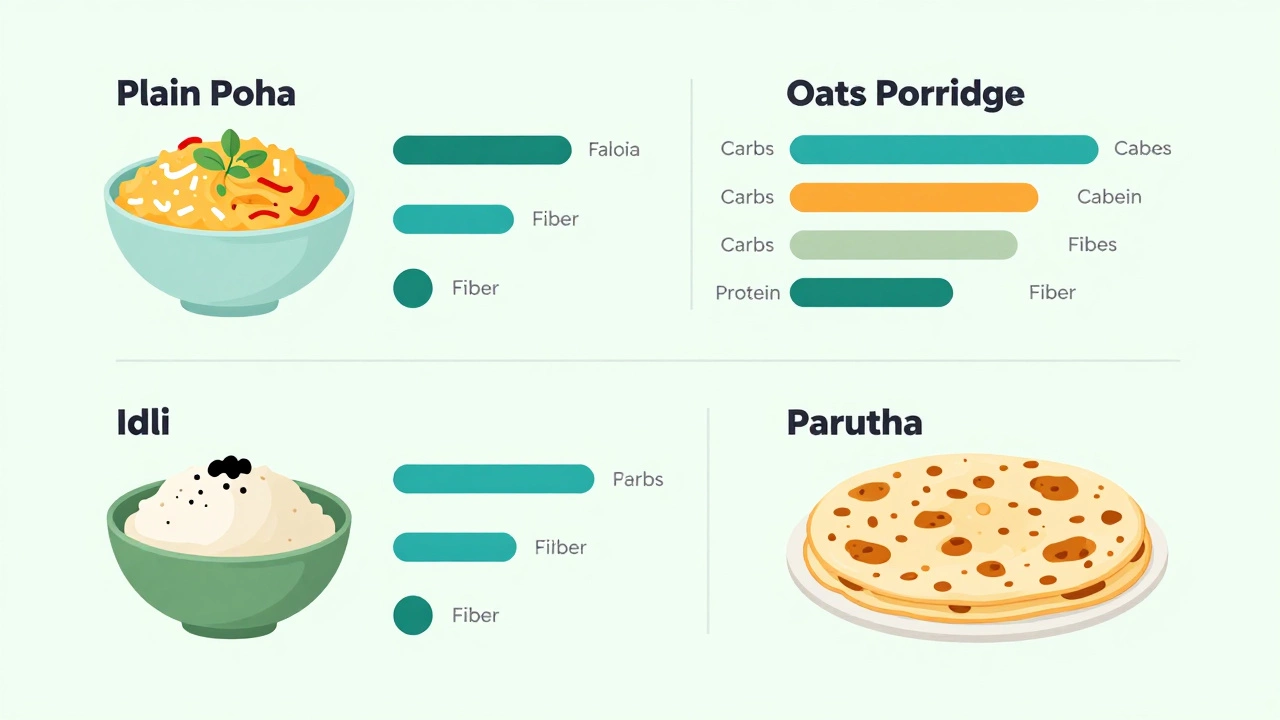
Now, compare that to other common breakfast staples. Oats have more fiber and protein. Idli has similar calories but less glycemic impact due to fermentation. But poha wins in convenience and digestibility-and when prepared right, it delivers surprising micronutrients.
One standout benefit? Iron content. While not as high as spinach or lentils, poha contributes meaningfully to daily iron intake, especially important for women who lose iron during menstruation. Pair it with lemon juice (vitamin C boosts non-heme iron absorption), and you’ve got a smart combo.
Why People Love Poha Beyond Taste
It’s easy to dismiss poha as “just carbs,” but there’s more going on beneath the surface. Here’s why millions rely on it daily:
- Easy digestion: Because the rice is pre-steamed and flattened, your body breaks it down quickly. Great for mornings when your gut needs something light.
- No gluten: Naturally gluten-free, making it safe for celiacs and those avoiding wheat-based rotis or parathas.
- Quick prep time: Under 10 minutes from pantry to plate. Perfect for busy professionals, students, or parents rushing out the door.
- Versatile base: Mix in veggies, nuts, sprouts, paneer, or even eggs. You control what goes in-not the restaurant chef.
And let’s talk about satiety. On its own, poha won’t keep you full till lunch. But add a handful of roasted peanuts or chickpeas, and suddenly you’ve got protein + fat + carb balance. That’s the secret most home cooks already use-they just don’t realize they’re doing it intentionally.
How to Make Poha Actually Healthy (Not Just Tasty)
Here’s where things get interesting. Plain poha? Fine. Street-side poha drenched in oil and sugar? Not so much. The healthiness of poha depends entirely on how you cook it.
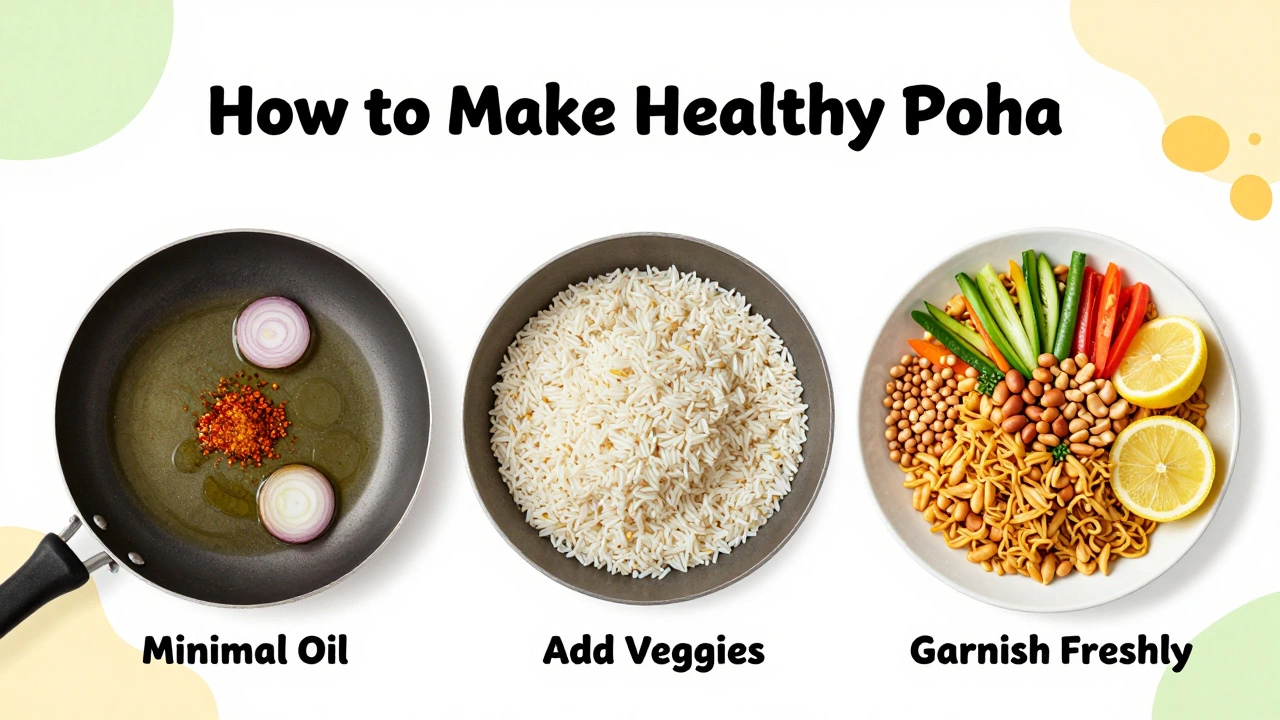
- Use minimal oil: One teaspoon of mustard or olive oil per serving is enough. Skip ghee unless you’re tracking macros carefully.
- Add volume with vegetables: Chop onions, tomatoes, carrots, beans, peas, or cabbage. They bulk up the meal without adding many calories.
- Include protein: Sprinkle roasted chana, peanuts, almonds, or crumbled paneer. Even a boiled egg on top works wonders.
- Skip the sugar: Many regional versions add jaggery or sugar. Leave it out unless you’re craving dessert-style poha (which should be occasional).
- Boost with spices: Turmeric, black pepper, garlic, ginger, and curry leaves aren’t just flavorful-they’re anti-inflammatory and aid digestion.
Try this version next time: sauté chopped onions and green chilies in ½ tsp oil, add washed poha, toss with grated carrot and cucumber, finish with lemon juice and coriander. Done in 7 minutes. Low-calorie, high-volume, satisfying.
Poha vs Other Breakfast Options: How Does It Stack Up?
| Breakfast Item | Calories (per serving) | Carbs (g) | Protein (g) | Fiber (g) | Glycemic Impact |
|---|---|---|---|---|---|
| Poha (plain) | 170 | 38 | 3.5 | 1.5 | Moderate-High |
| Oats Porridge | 150 | 27 | 5 | 4 | Low-Moderate |
| Idli (2 pcs) | 120 | 24 | 3 | 1 | Low |
| Poha + Peanuts + Veggies | 220 | 35 | 8 | 3 | Moderate |
| Paratha (1 medium) | 300+ | 40 | 6 | 2 | High |
As you can see, poha sits comfortably in the middle. It’s lighter than parathas or pooris, heavier than idlis, and comparable to oats-if you boost it properly. The real win comes when you treat poha as a vehicle for nutrients, not the main event.
Who Should Eat Poha? Who Should Be Careful?
Not everyone reacts the same way to carbohydrates. If you’re diabetic or insulin resistant, eating plain poha may cause a rapid spike in blood glucose. Always pair it with protein and fiber. Add fenugreek seeds while cooking-they help slow carbohydrate absorption.
For athletes or active individuals, poha is an excellent pre-workout fuel. Its fast-digesting nature provides quick energy without weighing you down. Post-workout? Combine it with milk or yogurt for recovery.
Pregnant women often crave bland, easy-to-digest foods early on. Poha fits perfectly-as long as it’s well-cooked and free from raw ingredients like uncooked sprouts.
Kids love it too. Soft texture, mild taste, customizable toppings. Try hiding finely chopped spinach or beetroot in their poha. Sneaky nutrition wins.
Common Mistakes That Turn Poha Into Junk Food
We’ve all been there. Ordered “healthy” poha from a café… only to receive a greasy pile loaded with fried onions, sweet chutney, and zero veggie presence. Sound familiar?
Avoid these traps:
- Over-oiling: Some recipes call for 2-3 tablespoons of oil per person. Cut it in half-or switch to spray oil.
- Sugar overload: Sweet poha exists, but it belongs in the dessert category. Don’t serve it as breakfast regularly.
- No protein/fiber: Eating poha solo leaves you hungry within two hours. Add something substantial.
- Reheating leftovers improperly: Store cooled poha in fridge, reheat gently with water to restore fluffiness. Never microwave dry-it turns rubbery.
Remember: poha itself isn’t unhealthy. Poor preparation methods are. Take control of your kitchen, and you’ll reap the rewards.
Final Thoughts: Can Poha Fit Into Your Diet?
Yes. Absolutely yes. With mindful additions, poha transforms from a simple carb source into a balanced, nutritious, delicious meal. It’s affordable, accessible, culturally rooted, and adaptable across diets-vegetarian, vegan, gluten-free, keto-friendly (with modifications).
Next time you reach for instant noodles or toast, consider flipping the script. Grab a packet of poha, throw in whatever’s in your fridge, and cook it up. Your body will thank you. And honestly? So will your taste buds.
Is poha better than rice for weight loss?
Poha has similar calories to cooked rice but digests faster. For weight loss, portion control matters most. Choose poha over fried rice or biryani, and always combine it with protein and fiber to stay fuller longer.
Can diabetics eat poha safely?
Yes, but with caution. Avoid plain poha. Instead, mix it with lentils, vegetables, and healthy fats. Adding vinegar or lemon juice helps lower the glycemic response. Monitor blood sugar after meals to find your personal tolerance level.
Does poha contain gluten?
No, traditional poha is made from rice and naturally gluten-free. However, check labels if buying packaged mixes-they sometimes include wheat-based additives or cross-contamination warnings.
How much poha should I eat per day?
One serving (about 1 cup cooked) is ideal for most adults. Adjust based on activity level and dietary goals. Active people may need slightly more; sedentary individuals might prefer smaller portions paired with extra veggies.
Is store-bought poha healthier than homemade?
Homemade allows full control over ingredients and hygiene. Store-bought is convenient but may contain preservatives or added salt/sugar. Read labels carefully. Opt for brands listing only “rice” as ingredient.
Can I freeze leftover poha?
Freezing changes texture significantly. Better to refrigerate for up to 2 days and reheat with a splash of water. For longer storage, freeze raw poha flakes-not cooked dishes-to preserve quality.
What vitamins does poha provide?
Plain poha offers small amounts of B vitamins (B1, B3) and iron. Fortified varieties may include additional minerals. To maximize nutrient intake, pair with vitamin-C-rich foods like lemon or tomato to enhance iron absorption.
Is poha suitable for babies and toddlers?
Yes, once babies start solids (around 6 months). Mash cooked poha with breast milk or formula for smooth consistency. Gradually introduce soft veggies and fruits. Avoid salt, sugar, or spicy seasonings until age 1.