26 Jun 2026
- 0 Comments
Traditional Curry Ingredient Guide
Select ingredients to understand their role and timing in authentic curry preparation.
Walk into any kitchen in South Asia, and you’ll likely smell a complex mix of toasted seeds, earthy roots, and sharp chilies. That aroma is the soul of curry, which is a broad category of savory dishes originating from the Indian subcontinent, characterized by the use of diverse blends of herbs and spices. But if you’ve ever stood in front of a jar labeled "Curry Powder" in a Western supermarket, wondering why your dish doesn’t taste like the one at your favorite restaurant, you aren’t alone. The confusion stems from a massive cultural gap between what "curry" means globally versus what it means traditionally.
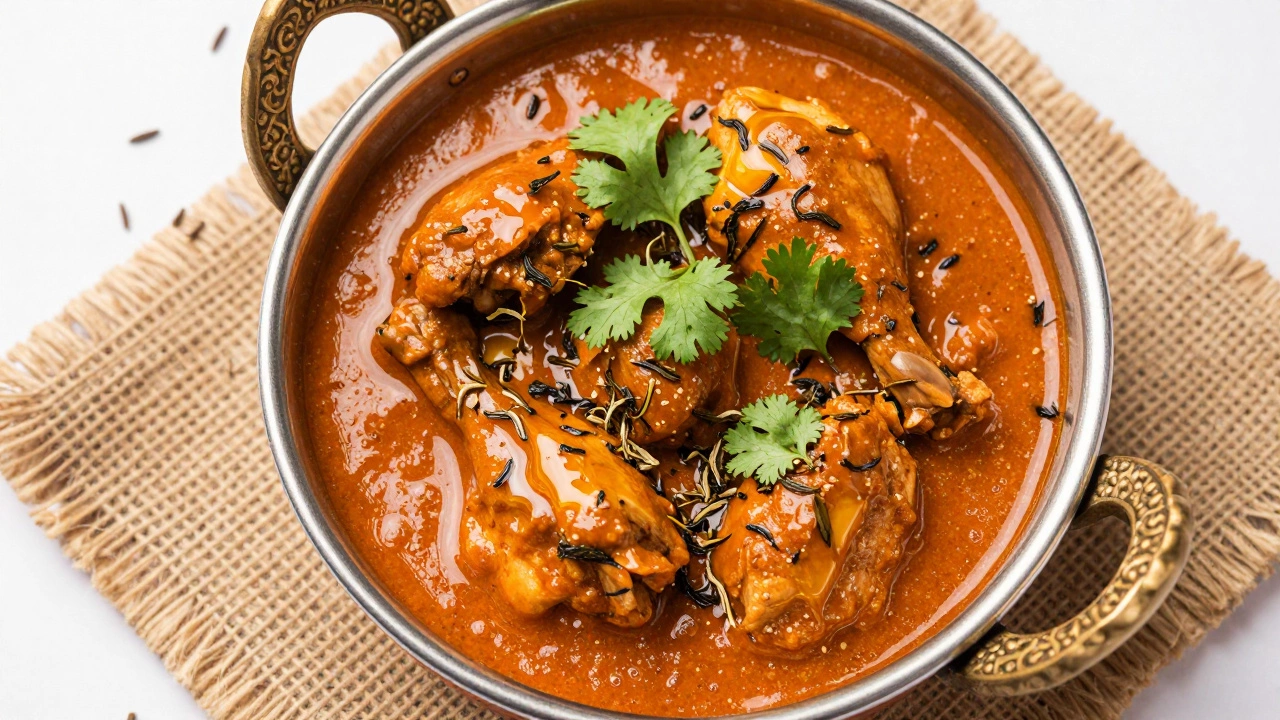
Traditionally, there is no single "curry." There are hundreds of regional variations, each with its own specific spice profile. However, every authentic curry shares a foundational architecture. It isn't just about throwing heat into a pot; it’s about layering flavors through a precise sequence of ingredients. Whether you are making a rich Chicken Curry that is a staple dish featuring tender chicken cooked in a spiced sauce, often served with rice or bread or a vegetable stew, understanding these core components transforms cooking from guesswork into craft.
The Holy Trinity: Garam Masala, Turmeric, and Chili
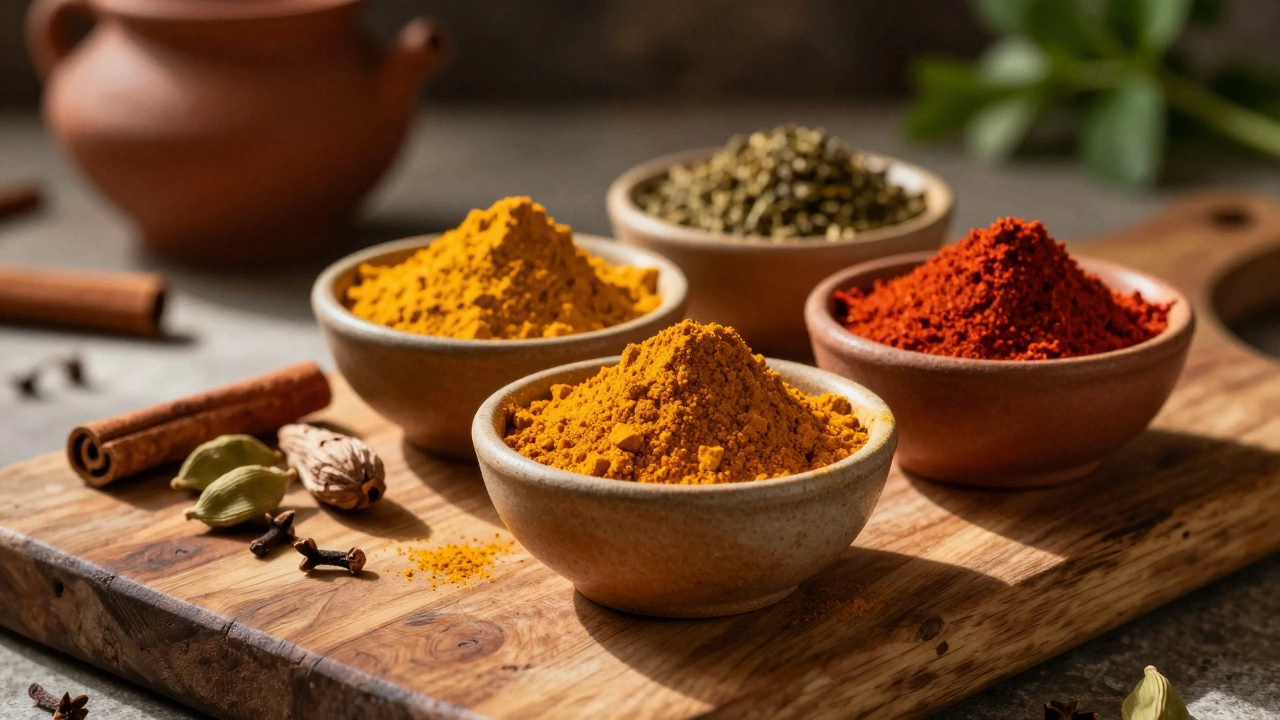
If you strip away the dozens of possible additions, three ingredients form the backbone of almost every traditional curry base. These are not optional extras; they are the structural pillars of the flavor profile.
Turmeric is a bright yellow rhizome belonging to the ginger family, known for its anti-inflammatory properties and distinct earthy flavor provides the signature golden color and a subtle, bitter depth. Without it, a curry looks pale and tastes flat. Next comes Red Chili Powder or dried ground chilies that provide heat and a deep red hue to the dish. In many households, this isn’t just about pain-inducing heat; it’s about the fruity, smoky notes that dried chilies bring when toasted correctly. Finally, we have Garam Masala, which is a warm spice blend typically containing cardamom, cinnamon, cloves, and black pepper, added at the end of cooking to preserve its volatile oils. Unlike curry powder, garam masala is not a uniform commercial product but a home-ground mixture that varies by family and region.
Many beginners make the mistake of adding garam masala at the start. This burns out the delicate essential oils. Instead, add turmeric and chili early to let them cook into the oil, and reserve the garam masala for the final five minutes. This simple timing adjustment creates a brighter, more aromatic finish.
The Aromatics: Onion, Garlic, Ginger, and Green Chilies
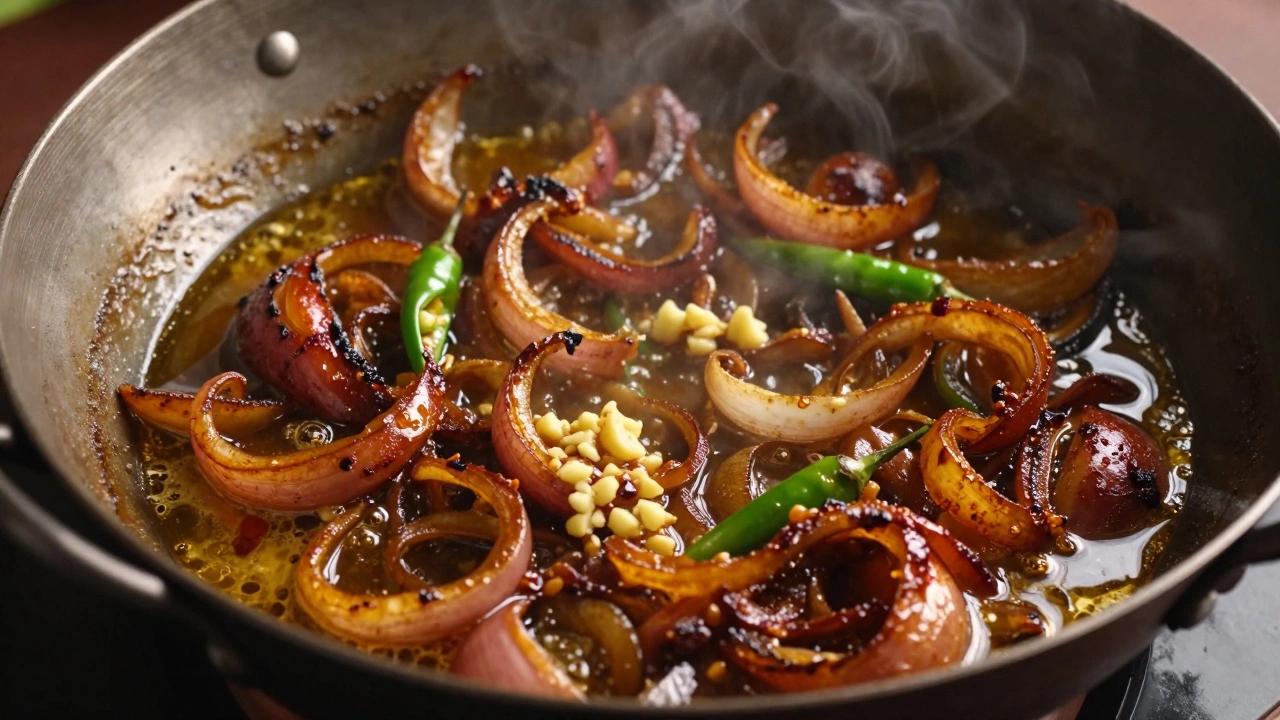
Before any dry spice hits the pan, you need the wet aromatics. In traditional Indian cooking, this step is non-negotiable. It builds the body of the sauce. The classic combination includes onions, garlic, ginger, and green chilies.
- Onions: Finely chopped or pureed, onions are caramelized until deep brown. This process, called browning, develops sugars that balance the acidity of tomatoes later on. If your onions are translucent, your curry will lack depth. They must be mahogany-colored.
- Garlic and Ginger: Usually grated together into a paste, these provide pungency and warmth. Freshly grated releases more enzymes than pre-minced jars, resulting in a sharper, cleaner bite.
- Green Chilies: Slit lengthwise to release their juices, these add fresh, grassy heat that contrasts with the dried red chili powder. They bridge the gap between raw vegetables and cooked spices.
This aromatic base is often referred to as the "masala bhuna" stage. You cook it slowly until the oil separates from the mixture-a visual cue that the water has evaporated and the flavors have concentrated. Skipping this step leads to a watery, disjointed curry where the spices float on top rather than integrating into the sauce.
Tomatoes and Yogurt: The Acid and Cream Balance
A curry needs acid to cut through the richness of the spices and fat. Traditionally, Tomatoes are used as a thickening agent and acid source, providing umami and body to the gravy serve this purpose. Pureed or finely chopped, they break down during cooking to create a smooth, velvety texture. In some North Indian recipes, tamarind or lemon juice might replace tomatoes for a tangier profile, but tomatoes remain the most common vehicle for carrying spice flavors.
To balance the acidity and heat, dairy is introduced. Yogurt is full-fat plain yogurt used to tenderize meat and add creaminess without curdling, provided it is tempered correctly is the standard choice. It adds a slight tang and a luxurious mouthfeel. When adding yogurt, whisk it well and add it off the heat or gradually while stirring constantly. High heat causes the proteins in yogurt to coagulate instantly, leading to a grainy, split sauce. For a richer variant, heavy cream or cashew paste is used, particularly in Mughlai-style curries.
Fresh Herbs: Cilantro and Kasuri Methi
No traditional curry is complete without fresh herbs. Cilantro (also known as coriander leaves) is a fresh herb added at the very end of cooking to provide a bright, citrusy note that cuts through heavy spices is sprinkled generously over the finished dish. Its freshness lifts the heavy, cooked flavors of the onion-tomato base. Don’t underestimate this garnish; it’s not just decoration. It changes the entire eating experience from dense to vibrant.
In Northern styles, especially for chicken and lamb curries, Kasuri Methi is dried fenugreek leaves that impart a unique, slightly bitter, maple-like aroma when crushed and added to hot oil is crucial. Rubbing the dried leaves between your palms before adding them to the pot releases their essential oils. This ingredient is often the secret weapon that makes restaurant food taste "authentic" compared to home cooking. It adds a layer of complexity that few other herbs can replicate.
Clarified Butter (Ghee): The Flavor Carrier
Water-based oils work, but Ghee is clarified butter with a high smoke point and a nutty aroma, considered superior for tempering spices in Indian cuisine is the traditional fat of choice. Spices are hydrophobic, meaning they dissolve better in fat than in water. Ghee carries the flavor compounds of cumin, mustard seeds, and curry leaves more effectively than neutral oils. It also adds a rich, nutty undertone that enhances the overall savoriness (umami) of the dish. A tablespoon of ghee drizzled over the finished curry, known as "tadka" or finishing tempering, elevates the dish significantly.
| Ingredient | Primary Function | When to Add |
|---|---|---|
| Turmeric | Color and earthy base flavor | Early, with onions |
| Red Chili Powder | Heat and depth | Early, after turmeric |
| Garam Masala | Aromatic warmth | Final 5 minutes |
| Onion-Ginger-Garlic Paste | Sauce body and sweetness | Start of cooking |
| Kasuri Methi | Complexity and aroma | Just before serving |
| Ghee | Flavor carrier and richness | Tempering and finishing |
Common Misconceptions About "Curry Powder"
You might wonder why I haven’t mentioned "curry powder" yet. Here’s the truth: traditional Indian cooks do not use curry powder. It is a British colonial invention created in the 18th century to simplify Indian flavors for European palates. Commercial curry powders vary wildly in composition-some are heavy on turmeric, others on coriander, and some include fillers like flour or salt.
Relying on a pre-mixed jar limits your control. If you want a truly traditional result, buy whole spices. Toast them lightly in a dry pan to wake up their oils, then grind them fresh. Even if you don’t have time for that, using individual ground spices (cumin, coriander, turmeric, chili) allows you to adjust the balance to your taste. A pinch more cumin adds warmth; extra coriander adds citrusy brightness. This flexibility is lost when you rely on a fixed blend.
Building Your First Authentic Chicken Curry
Now that you know the components, let’s look at how they come together in a practical scenario. Imagine you’re making a basic chicken curry recipe for dinner tonight. Here is the logical flow based on traditional principles:
- Temper the Oil: Heat ghee in a heavy-bottomed pot. Add cumin seeds and let them sizzle. This infuses the fat with flavor.
- Cook the Aromatics: Add finely chopped onions. Cook patiently until they are deep brown. Stir frequently to prevent burning. Add ginger-garlic paste and cook for another minute until the raw smell disappears.
- Add Dry Spices: Lower the heat. Add turmeric and red chili powder. Stir quickly so they don’t burn. Then add tomato puree and cook until the oil starts to separate from the mixture.
- Simmer the Protein: Add marinated chicken pieces. Coat them well in the masala. Add water to cover, bring to a boil, then reduce heat and simmer covered until the chicken is tender.
- Finish Strong: Uncover. Sprinkle garam masala and crushed kasuri methi. Stir in fresh cilantro. Drizzle with a spoonful of ghee. Let it sit for 10 minutes before serving. This resting period allows the flavors to meld.
Notice the absence of magic tricks. It’s all about technique and timing. The difference between a good curry and a great one is rarely an exotic ingredient; it’s usually the patience to brown the onions properly and the discipline to add garam masala at the right moment.
Can I use fresh turmeric instead of powdered?
Yes, you can. Fresh turmeric has a brighter, more grassy flavor compared to the earthy, concentrated taste of dried powder. Use about twice as much fresh turmeric (grated) as you would powder. Keep in mind that fresh turmeric stains intensely, so wear gloves when handling it.
Why does my curry taste bland even though I added lots of spices?
This usually happens because the spices were added to cold oil or weren't cooked long enough. Spices need heat to release their essential oils. Also, ensure you're salting adequately. Salt amplifies flavor; without enough salt, spices taste muted and disjointed.
Is it necessary to use ghee? Can I use vegetable oil?
While vegetable oil works, ghee provides a distinct nutty aroma and helps carry fat-soluble flavor compounds better. If you prefer oil, use a neutral oil with a high smoke point like sunflower or avocado oil, but consider adding a teaspoon of ghee at the end for authenticity.
What is the difference between curry powder and garam masala?
Curry powder is a Western invention with varying ingredients, often heavy on turmeric and coriander, used as a base seasoning. Garam masala is a traditional Indian blend of warming spices like cinnamon, cardamom, and cloves, added at the end of cooking for aroma rather than base flavor.
How do I stop yogurt from curdling in my curry?
Whisk the yogurt thoroughly before adding it. Remove the pot from heat temporarily, stir in the yogurt slowly, then return to low heat. Adding a teaspoon of cornstarch mixed with water to the yogurt can also stabilize it against high temperatures.