24 Jul 2026
- 0 Comments
Indian Rice Variety Finder
Select your preferences to find the right grain.
Select options above to see recommended rice varieties.
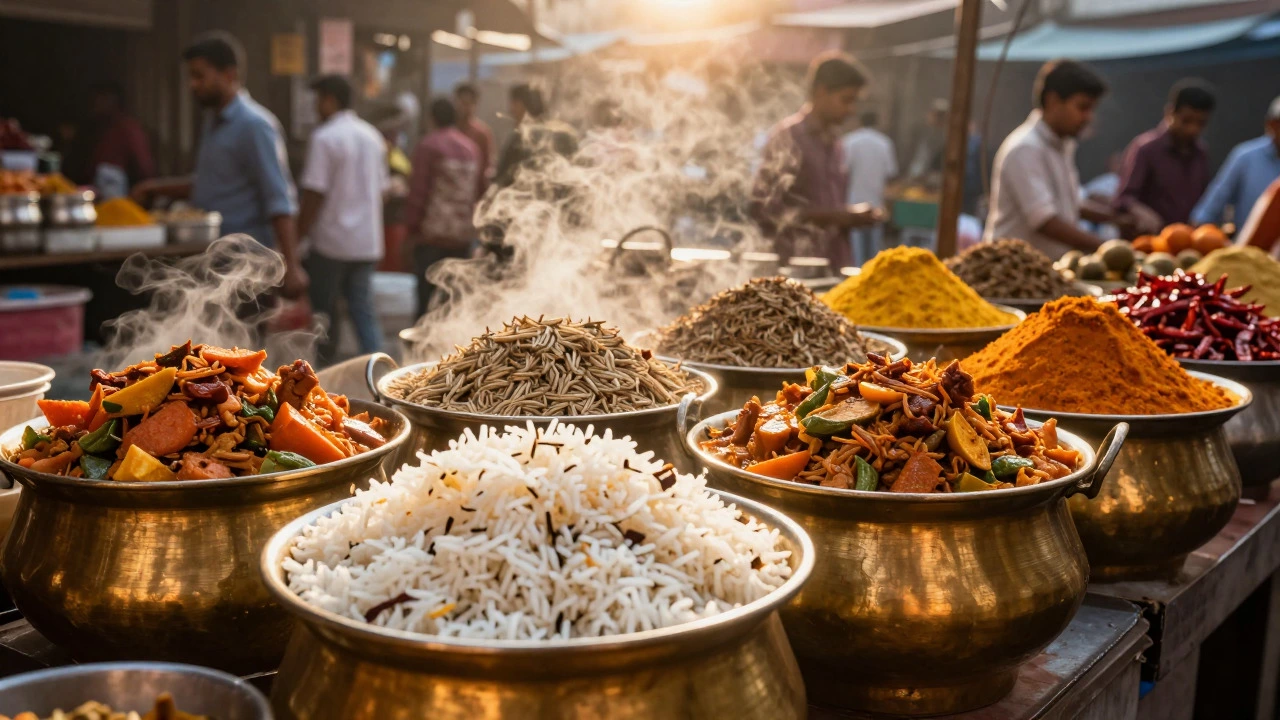
Imagine walking down a bustling street in Mumbai or Chennai. The air smells of spices, frying oil, and something earthy and warm. That scent is often rice, the backbone of meals for hundreds of millions of people across the subcontinent. If you are planning a trip to India or just curious about its cuisine, you might wonder: is it safe? Is it everywhere? And what exactly should you order?
The short answer is yes, you can absolutely eat rice in India. In fact, it is more than just a side dish; it is a cultural staple. However, navigating the vast landscape of Indian rice requires a bit of know-how. From the fragrant grains of the north to the sticky staples of the south, understanding what you are eating will transform your dining experience from confusing to delightful.
Rice as a Cultural Staple
Rice in India is not a single product but a category encompassing thousands of distinct varieties. It belongs to the broader category of staple carbohydrates alongside wheat and maize. For over 5,000 years, rice cultivation has shaped the geography, economy, and social structure of the region. Whether you are in the humid deltas of Bengal or the arid plains of Punjab, rice plays a central role in daily life and religious ceremonies.
Unlike in many Western countries where rice is treated as an occasional side dish, here it is the canvas upon which curries, dals (lentils), and vegetables are painted. A typical meal consists of a large portion of rice topped with flavorful gravies. Skipping rice in many parts of India would be like skipping bread in France or potatoes in Ireland. It feels incomplete without it.
North vs. South: The Great Divide
To understand rice in India, you must first recognize the geographical split. This divide dictates not only the type of rice grown but also how it is prepared and served.
In Northern India, particularly in states like Punjab, Haryana, and Uttar Pradesh, wheat is often the primary grain for daily consumption. Roti (flatbread) dominates the lunch and dinner tables. However, rice is still essential, especially for festive occasions, weddings, and specific dishes like biryani and pulao. Here, you will mostly encounter long-grain varieties that remain separate and fluffy after cooking.
In Southern India-including Kerala, Tamil Nadu, Karnataka, Andhra Pradesh, and Telangana-rice is king. It is eaten at breakfast, lunch, and dinner. The climate here supports multiple harvests per year, leading to a deep familiarity with different textures and flavors. Meals often include rice accompanied by sambar (a lentil and vegetable stew), rasam (a tangy soup), and various chutneys. The rice here tends to be shorter or medium-grained, sometimes slightly sticky, designed to scoop up thick sauces.
Key Varieties You Need to Know
You will see dozens of names on menus and in markets. Knowing these five major types will help you navigate any restaurant or grocery store.
| Variety Name | Region | Texture & Use |
|---|---|---|
| Basmati | Northern/Western | Long-grain, aromatic, non-sticky. Ideal for biryanis and pilafs. |
| Sona Masoori | Western/Central | Medium-grain, light, cooks quickly. Common daily household rice in Maharashtra and Gujarat. |
| Ponni / Ponni Samba | Southern (Tamil Nadu) | Short-to-medium grain, slightly sticky, nutty flavor. Perfect for idli and dosa batter. |
| Jeerakasala | Southern (Kerala) | Fragrant, small grain. Used for Kerala-style biryani and traditional sweets. |
| Red Rice (Mattu Manjakkali) | Southern/Eastern | Brownish-red bran layer, chewy texture. High fiber, used in health-conscious diets. |
Basmati rice is likely the most famous Indian export globally. Its aroma comes from natural compounds like 2-acetyl-1-pyrroline. When buying or ordering, look for "aged" Basmati, which cooks better than fresh crop rice because the moisture content has reduced naturally over time.
Sona Masoori is the unsung hero of everyday cooking. It is cheaper than Basmati and cooks faster. If you are staying in someone’s home in Mumbai or Pune, this is probably what you will eat. It pairs beautifully with spicy curries because its neutral flavor doesn’t compete with the heat.
Safety First: How to Eat Rice Safely
A common concern for travelers is food safety. Can you get sick from eating rice in India? Like any food, improper handling can lead to issues. The biggest risk with rice is not the grain itself, but how it is stored after cooking. Cooked rice left at room temperature can harbor Bacillus cereus, a bacteria that causes food poisoning.
Here are practical tips to ensure your rice meals are safe:
- Eat it hot: Always consume rice while it is freshly cooked and steaming. Avoid pre-cooked rice that has been sitting out for hours.
- Choose busy places: In street food settings, high turnover means fresher food. If a stall is serving rice continuously throughout the day, it is safer than one that opens late with leftover stock.
- Observe hygiene: Look for vendors who use tongs or clean ladles rather than bare hands. Check if the rice container is covered when not being served.
- Water matters: While the rice itself is boiled, the water used for washing and cooking matters. Reputable restaurants use filtered or boiled water. Street vendors may vary, so stick to established spots.
If you have a sensitive stomach, start with well-known chains or reputable hotels before venturing into street-side eateries. Your gut needs time to adjust to new microbial environments.
Popular Rice Dishes to Try
Once you know the varieties, you can explore the dishes. Here are three iconic preparations that showcase the versatility of Indian rice.
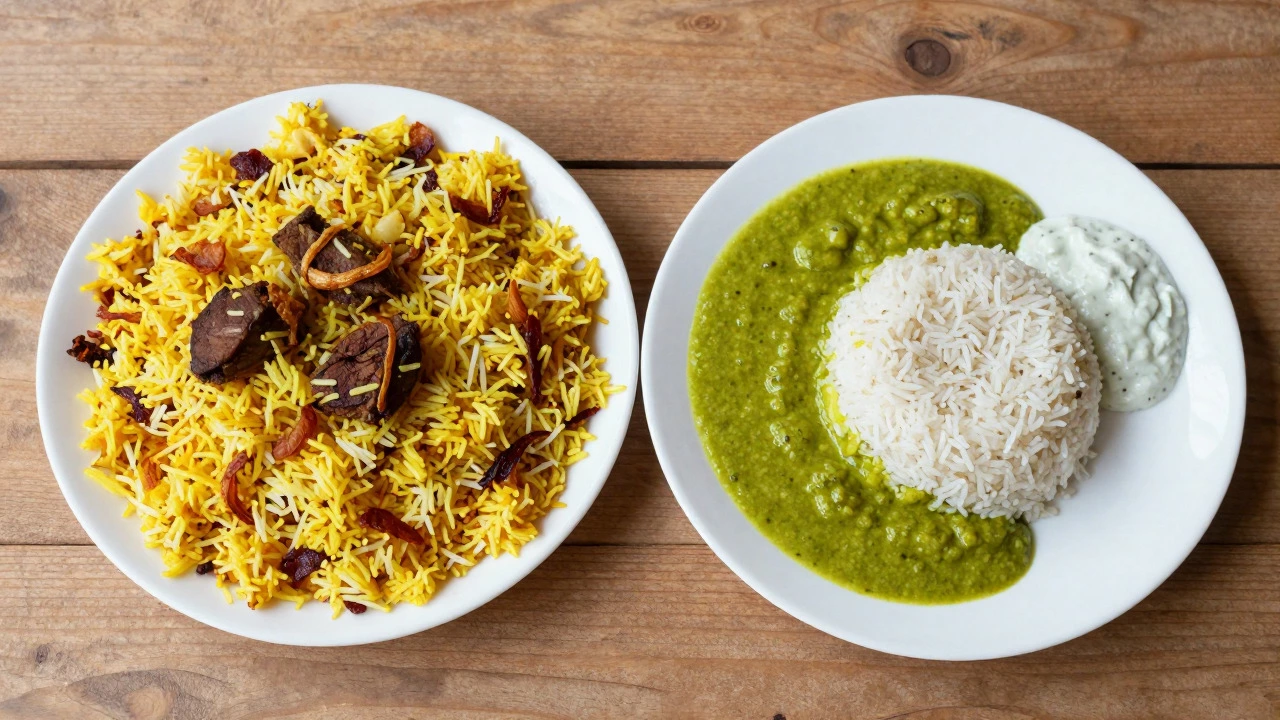
- Biryani: This is not just fried rice. Biryani involves marinating meat or vegetables, partially cooking them, then layering them with parboiled rice and sealing the pot (dum) to cook slowly. The result is distinct layers of flavor. Hyderabadi Dum Biryani and Lucknowi Biryani are two celebrated styles.
- Pulao: Simpler than biryani, pulao cooks rice and ingredients together in one pot. It is lighter and less spiced. Vegetable Pulao is a great starter for beginners.
- Idli and Dosa: These are fermented rice and lentil cakes. Idli is soft and spongy, steamed to perfection. Dosa is crispy and thin. They represent a unique way of consuming rice that is both healthy and delicious, rich in probiotics due to fermentation.
Health Considerations and Modern Trends
With rising awareness about diabetes and weight management, the conversation around rice in India is evolving. White rice has a high glycemic index, meaning it spikes blood sugar quickly. This has led to a resurgence in interest for traditional, less processed varieties.
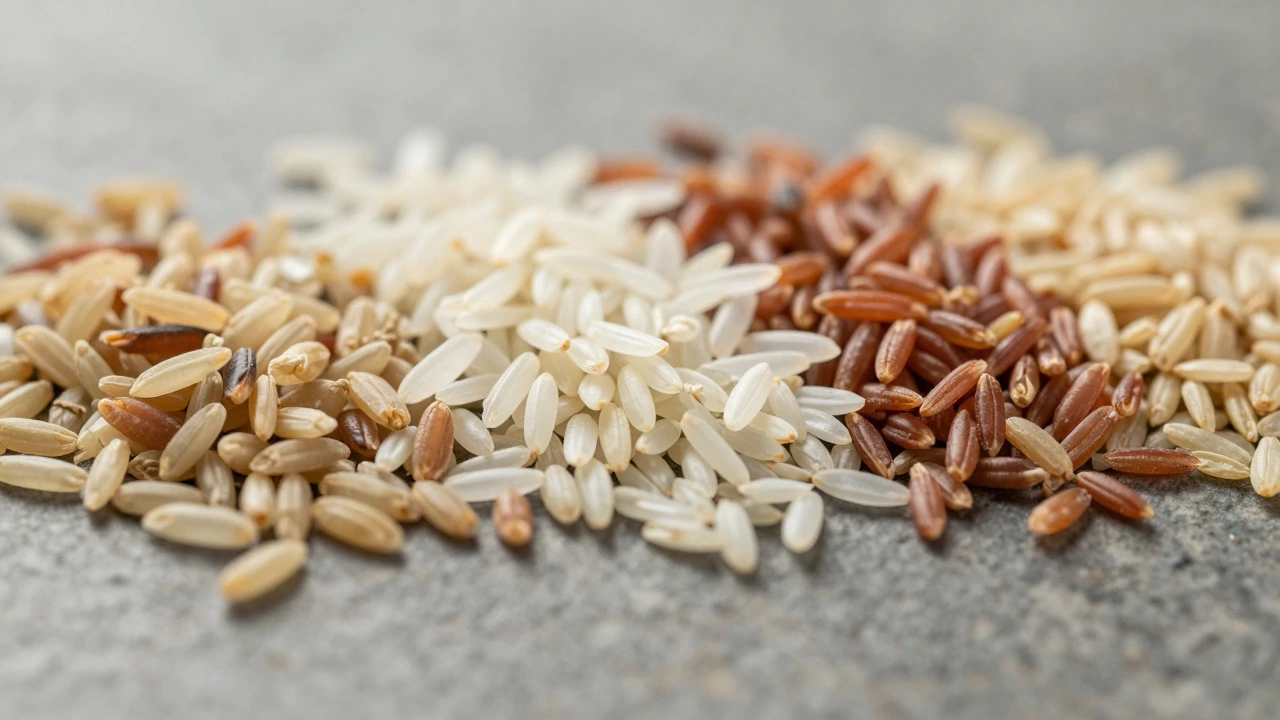
Brown rice and red rice retain their bran layers, providing more fiber, vitamins, and minerals. These varieties take longer to cook but offer sustained energy release. Many modern households now mix white rice with brown or red rice to balance taste and health benefits.
Another trend is the revival of indigenous local varieties. Organizations and farmers are promoting heirloom seeds that were nearly lost to industrial agriculture. These varieties often require less water and pesticides, making them environmentally friendly choices.
Where to Find the Best Rice
If you are traveling, don't limit yourself to hotel buffets. Local eateries often serve the most authentic versions. In Delhi, try a classic Mughlai restaurant for pulao. In Chennai, visit a simple mess hall for plain rice with sambar. In Kolkata, seek out fish curry with rice, a combination that defines Bengali cuisine.
For shopping, local markets (sabzi mandis) offer fresh grains at lower prices than supermarkets. Look for packaging that indicates the harvest year. Freshness affects aroma and texture significantly.
Is rice the main food in all of India?
No. In Northern India, wheat-based foods like roti and naan are more common for daily meals. Rice is prominent in Southern, Eastern, and Northeastern India, as well as in coastal regions of the West.
Can I eat street food rice safely?
Yes, if you choose busy stalls with high turnover. Ensure the rice is hot and freshly cooked. Avoid rice that has been sitting uncovered for long periods.
What is the difference between Basmati and Sona Masoori?
Basmati is long-grain, aromatic, and expensive, used for special dishes. Sona Masoori is medium-grain, non-aromatic, affordable, and used for everyday cooking.
Is Indian rice organic?
Not necessarily. While some farms practice organic methods, most commercial rice uses conventional farming. Look for certified organic labels if this is a priority for you.
Why does rice taste different in different states?
Different soil compositions, water sources, and climate conditions affect the mineral content and starch structure of the rice. Additionally, preparation methods vary widely by region.