1 Sep 2026
- 0 Comments
Biryani Dairy Advisor
Select your biryani type and desired outcome to get expert advice on using milk vs. yogurt.
You might have heard a rumor that some chefs sneak milk into their biryani. It sounds wrong, doesn't it? We usually think of milk for chai or kheer, not for spicy, aromatic rice. But here is the truth: adding milk isn’t a mistake. It’s a deliberate technique used to change the texture and flavor profile of the dish. If you’ve ever wondered why your biryani feels dry while restaurant versions feel luxuriously moist, this liquid secret might be the missing link.
Before we grab the carton, let’s clear up the biggest confusion. Most traditional recipes call for yogurt (dahi), not fresh milk. Yogurt provides acidity, which tenderizes meat and adds tang. Milk does something different. It adds richness, sweetness, and a specific type of creaminess without the sour punch. Knowing when to use which makes all the difference between a good plate and a great one.
The Chemistry of Tenderness and Flavor
When you cook meat, especially tough cuts like goat or chicken thighs, the proteins tighten up with heat. This can make the final dish chewy. Acidic ingredients help break down these proteins slowly. While yogurt is famous for this job, milk contains lactic acid too, just in much smaller amounts. So, why bother with milk?
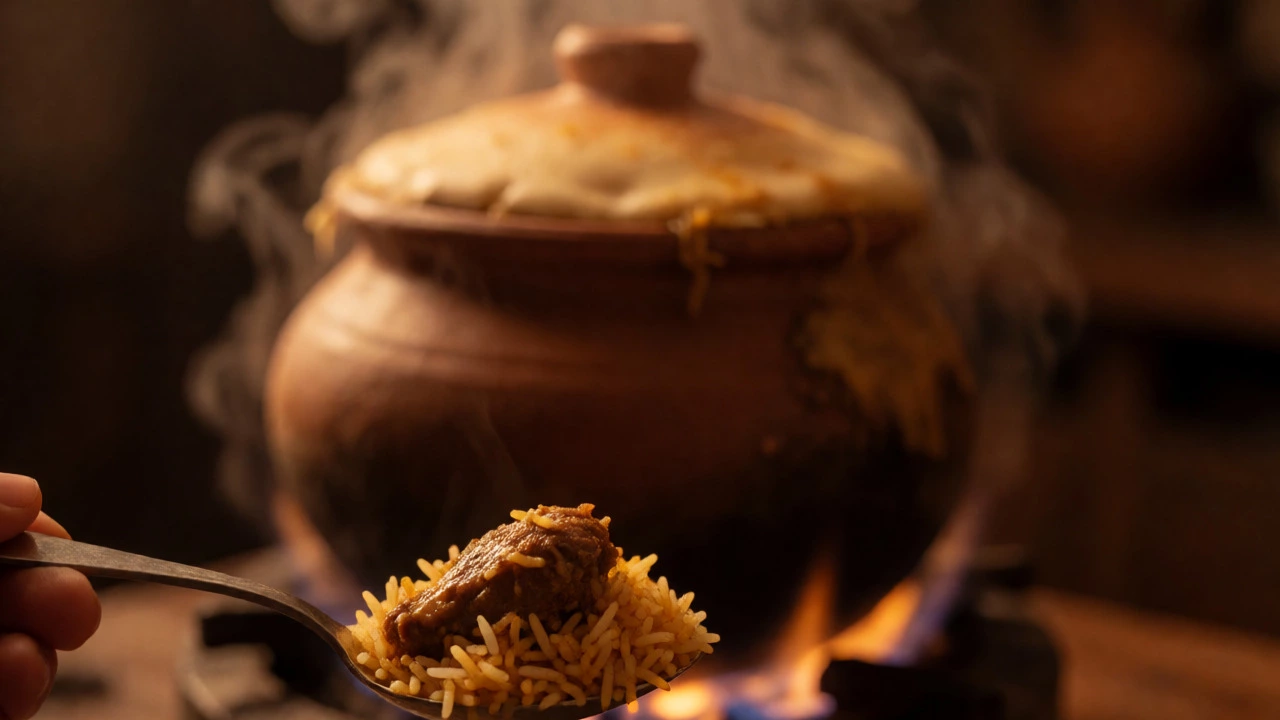
Milk brings fat and sugar to the party. When heated, the lactose (milk sugar) undergoes Maillard reactions, contributing to browning and depth of flavor. More importantly, the casein protein in milk coats the rice grains. This coating prevents the starch from releasing too quickly, which keeps the grains separate but incredibly soft. It creates a mouthfeel that feels velvety rather than sticky. In regions like Hyderabad, where the dum (slow-cooking) method is king, this subtle addition helps maintain moisture over long cooking times without turning the rice into mush.
Milk vs. Yogurt: Which One Wins?
This is the question every home cook faces. Should you reach for the yogurt tub or the milk bottle? The answer depends on what you are cooking and the style of biryani you want to achieve.
| Feature | Yogurt (Dahi) | Fresh Milk | Cream (Malai) |
|---|---|---|---|
| Primary Function | Tenderizing & Tang | Richness & Moisture | Heavy Creaminess |
| Acidity Level | High | Low | Very Low |
| Best For | Chicken & Mutton | Vegetable & Hyderabadi | Rich Party Platters |
| Texture Impact | Saucy & Coating | Soft & Fluffy | Dense & Indulgent |
Use yogurt if you are marinating raw meat. The enzymes need time to work. Use milk if you are building the gravy base or finishing the rice layering. Never swap them 1:1 without adjusting other liquids, because yogurt thickens sauces while milk thins them out.
Regional Secrets: Who Uses Milk?
Not all biryanis are created equal. The use of dairy varies wildly across India and Pakistan. Understanding these regional nuances helps you decide if milk belongs in your pot.
In Hyderabadi Kacchi Biryani, raw meat is layered with semi-cooked rice. Some modern interpretations add a splash of milk to the marinade to ensure the meat stays juicy during the intense sealed-pot cooking. The steam gets trapped, and the milk’s fats emulsify with the ghee, creating a sauce that clings beautifully to each grain.
On the other hand, Lucknowi Awadhi Biryani focuses on subtlety. Here, milk is rarely added directly to the rice. Instead, the gravies are often enriched with cashew paste or cream. However, some home cooks in Lucknow swear by boiling the basmati rice in water mixed with a little milk. This pre-treatment gives the rice a faintly sweet aroma and a whiter color, which contrasts nicely with the saffron strands.
Then there is the Thalassery Biryani from Kerala. This version uses short-grain jeerakasala rice and is heavily spiced. Milk isn’t typical here, but coconut milk sometimes replaces water for cooking the rice, offering a completely different, tropical creaminess. If you try regular cow’s milk here, it might taste flat compared to the bold spices.
How to Add Milk Without Ruining Your Dish
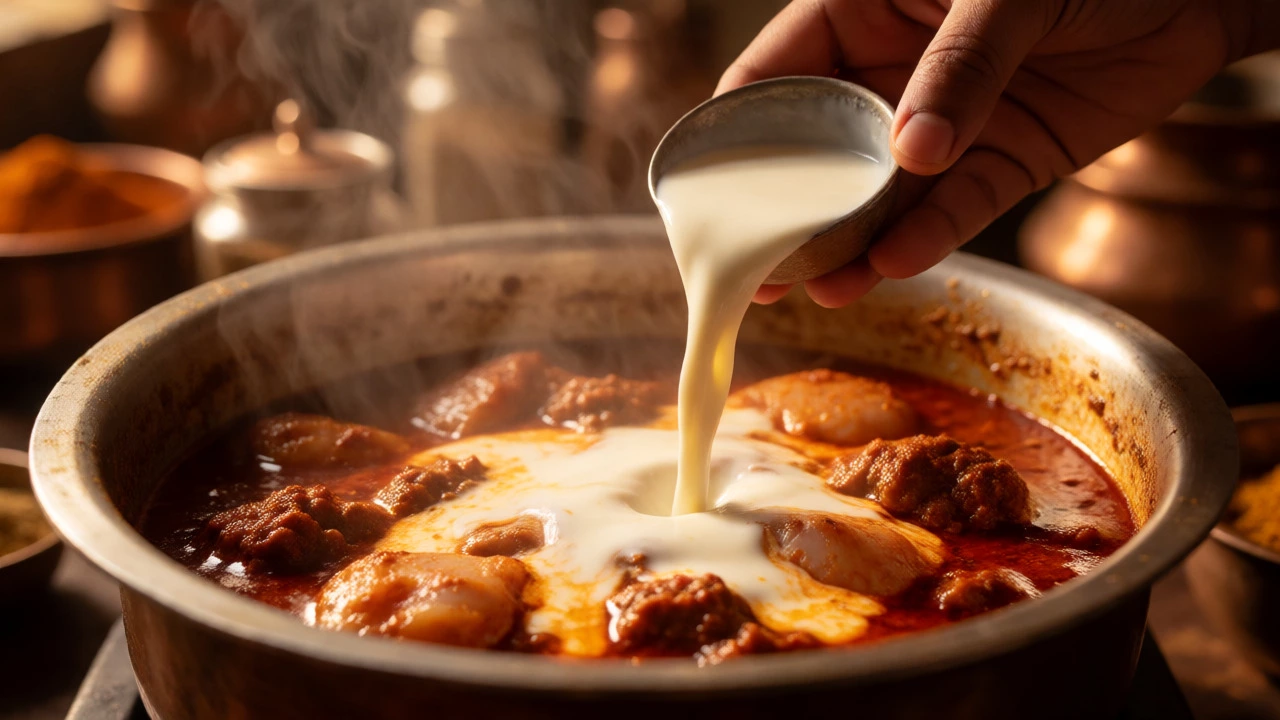
If you’re convinced to try milk, don’t just dump a cup into the pot. There is a right way and a very wrong way. Adding cold milk to a hot, acidic gravy can cause curdling. That looks unappetizing and changes the texture to grainy.
- Temper the milk: Warm the milk slightly before adding it to the hot masala. This prevents shock curdling.
- Add late: Pour the milk towards the end of the gravy preparation, just before you start layering the rice. This keeps the fats intact.
- Balance the spice: Milk soothes heat. If you add milk, you might need to increase your red chili powder or black pepper slightly to maintain the kick.
- Watch the liquid ratio: Rice absorbs liquid differently when fats are present. If you add milk, reduce the amount of water used for par-boiling the rice by about 10%.
A common mistake is using full-fat milk and then adding extra ghee on top. This can make the dish heavy and greasy. If you use whole milk, go easy on the ghee. If you use toned milk, you might need a bit more fat to carry the flavors.
The Vegetarian Advantage
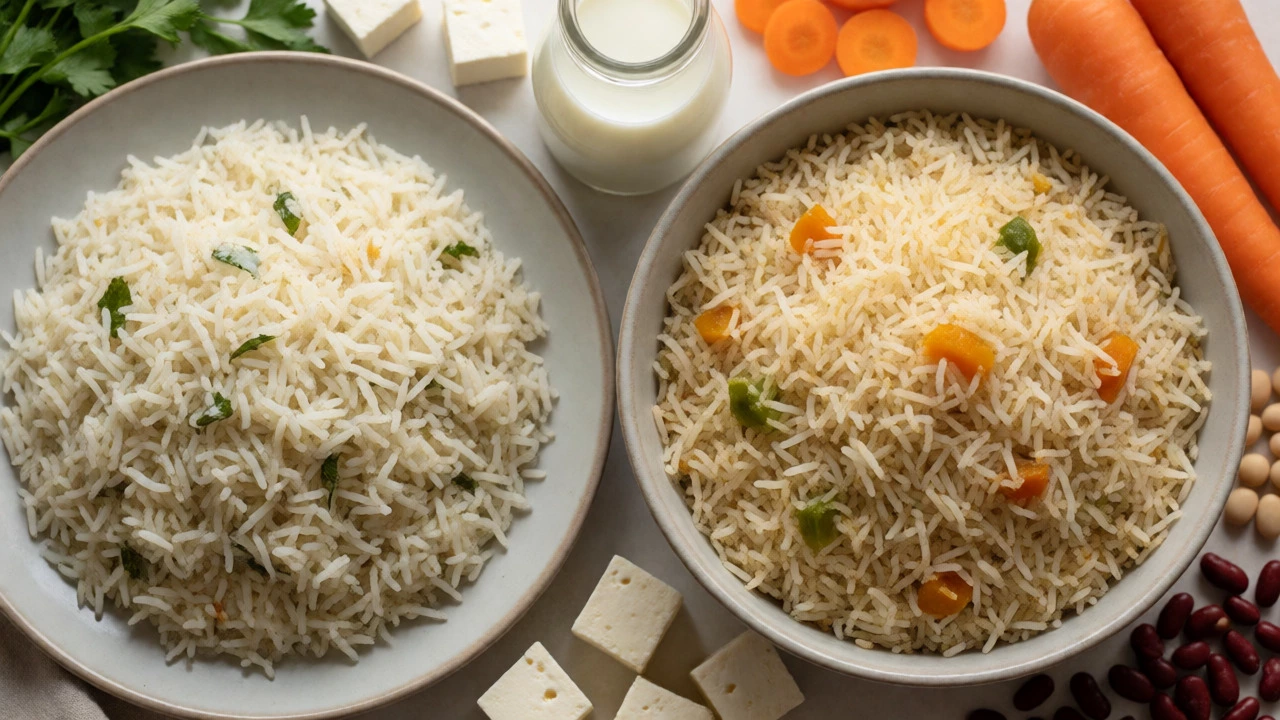
Here is where milk really shines. Meat has its own juices and fats. Vegetables do not. A paneer or vegetable biryani can easily turn out dry if you aren’t careful. Milk acts as a hydrating agent for vegetables like carrots, beans, and potatoes. As they cook in the dum, they absorb the milky broth, becoming tender and infused with mild sweetness.
Try this in a Paneer Biryani. Mix half a cup of milk with your onion-tomato masala. Simmer until the oil separates. Then layer with fried paneer cubes. The result is a gravy that is cohesive and rich, not watery. The calcium in the milk also helps keep the paneer firm yet soft, preventing it from crumbling apart during mixing.
Common Pitfalls to Avoid
Even with good intentions, things can go wrong. Here are three traps to watch out for.
Overcooking the milk: If you boil milk vigorously with strong acids like tamarind or lemon juice, it will split. Always add milk after the tomatoes have fully cooked down and the oil has separated. This indicates the acidity has mellowed.
Using low-quality milk: Watery, low-fat milk adds volume but no body. It can make the biryani look pale and taste thin. Stick to whole milk or even mix in a tablespoon of heavy cream if you want that restaurant-style luxury.
Ignoring the salt balance: Milk dilutes salt perception. Taste your gravy before adding the rice. You might find you need an extra pinch of salt to cut through the richness of the dairy.
Final Thoughts on Your Next Batch
So, should you put milk in your biryani? If you want a lighter, tangier dish, stick to yogurt. If you crave a melt-in-the-mouth texture and a richer mouthfeel, yes, add a splash of milk. It works wonders for vegetable biryanis and Hyderabadi styles where moisture retention is key.
Cooking is about experimentation. Try adding two tablespoons of warm milk to your next batch. Note how the rice feels on your tongue. Does it slide easier? Does the flavor feel deeper? Once you understand the role of milk, you stop following recipes blindly and start cooking with intuition. And that is when the real magic happens.
Does milk make biryani sweeter?
Yes, slightly. Milk contains lactose, a natural sugar. When heated, it contributes a subtle sweetness that balances the savory spices and heat. This is particularly desirable in Hyderabadi and Lucknowi styles, which favor a complex sweet-salty-spicy profile over pure heat.
Can I replace yogurt with milk in biryani?
You can, but the result will differ. Yogurt provides acidity and thickness. Milk provides richness and fluidity. If you replace yogurt entirely, your gravy may become too thin and lack tang. To compensate, add a teaspoon of lemon juice or vinegar and perhaps a spoonful of gram flour (besan) to thicken the sauce.
Why does my biryani turn out dry?
Dry biryani is usually caused by under-hydrated rice or insufficient fat. Ensure your rice is par-boiled to 70-80% doneness, not fully cooked. Additionally, ensure you have enough ghee or oil. Adding a small amount of milk to the gravy base can also help retain moisture during the slow dum cooking process.
Is milk necessary for authentic biryani?
No, milk is not strictly necessary for all authentic biryanis. Many traditional recipes rely solely on yogurt, water, and ghee. However, milk is a recognized variation in certain regional styles and modern adaptations to enhance creaminess and tenderness, especially in vegetarian versions.
Which type of milk is best for biryani?
Whole milk (full-fat) is best because the fat content carries flavor and creates a richer texture. Toned or skimmed milk can be used but may require additional ghee to achieve the same mouthfeel. Avoid ultra-pasteurized milk if possible, as it can sometimes have a distinct 'cooked' taste that interferes with delicate spices.