10 Jul 2026
- 0 Comments
Pickle vs. Chutney: What Should I Serve?
The biggest difference isn't just taste—it's time. Pickles are designed to last months using oil/salt, while chutneys are meant to be eaten fresh within days!
Result Title
TypeBest Served With:
Storage Tip goes here.
Have you ever stood in the grocery aisle or sat at a restaurant table, staring at two small bowls of vibrant red or green paste, wondering if they are essentially the same thing? One is labeled "pickle," the other "chutney." They both look spicy. They both add punch to your meal. But are they interchangeable? The short answer is no. While they share roots in South Asian cuisine and often use similar ingredients like chili, garlic, and herbs, pickle and chutney are distinct culinary entities with different textures, preparation methods, and shelf lives.
Understanding this difference isn't just about semantics; it changes how you cook, store, and serve these flavor boosters. If you treat a fresh mint chutney like a jar of mango pickle, you’ll end up with a spoiled mess. If you expect a quick-cooked tomato chutney to last for months like an oil-based achar, you’ll be disappointed. Let’s break down exactly what makes them different, why those differences matter, and how to use each one to elevate your cooking.
The Core Difference: Preservation vs. Freshness
At their heart, pickles and chutneys serve different primary purposes. A Pickle, known as Achar in India, is a preserved food product designed to last for months or even years. Its goal is longevity. You make pickle when you have a surplus of fruit-like mangoes during summer-and you want to enjoy that taste throughout the winter. To achieve this, pickles rely on high concentrations of salt, oil, vinegar, or sugar to create an environment where bacteria cannot thrive.
In contrast, a Chutney is a sauce or relish that is typically consumed fresh or within a few days. While some commercial chutneys are jarred and preserved, traditional homemade chutneys are meant to be eaten immediately after preparation. They highlight the fresh flavors of herbs, vegetables, or fruits without the heavy hand of preservatives. Think of chutney as a condiment that complements the meal right now, whereas pickle is a treasure saved for later.
| Feature | Pickle (Achar) | Chutney |
|---|---|---|
| Primary Goal | Long-term preservation | Fresh flavor enhancement |
| Shelf Life | Months to years | Days to weeks (refrigerated) |
| Texture | Chunky, oily, or fermented liquid | Smooth paste, coarse grind, or thin sauce |
| Key Ingredients | Salt, mustard oil, spices, raw fruit/veg | Herbs, cooked veggies, tamarind, coconut |
| Preparation | Drying, salting, fermenting | Blending, sautéing, boiling |
How Pickles Are Made: The Art of Preservation
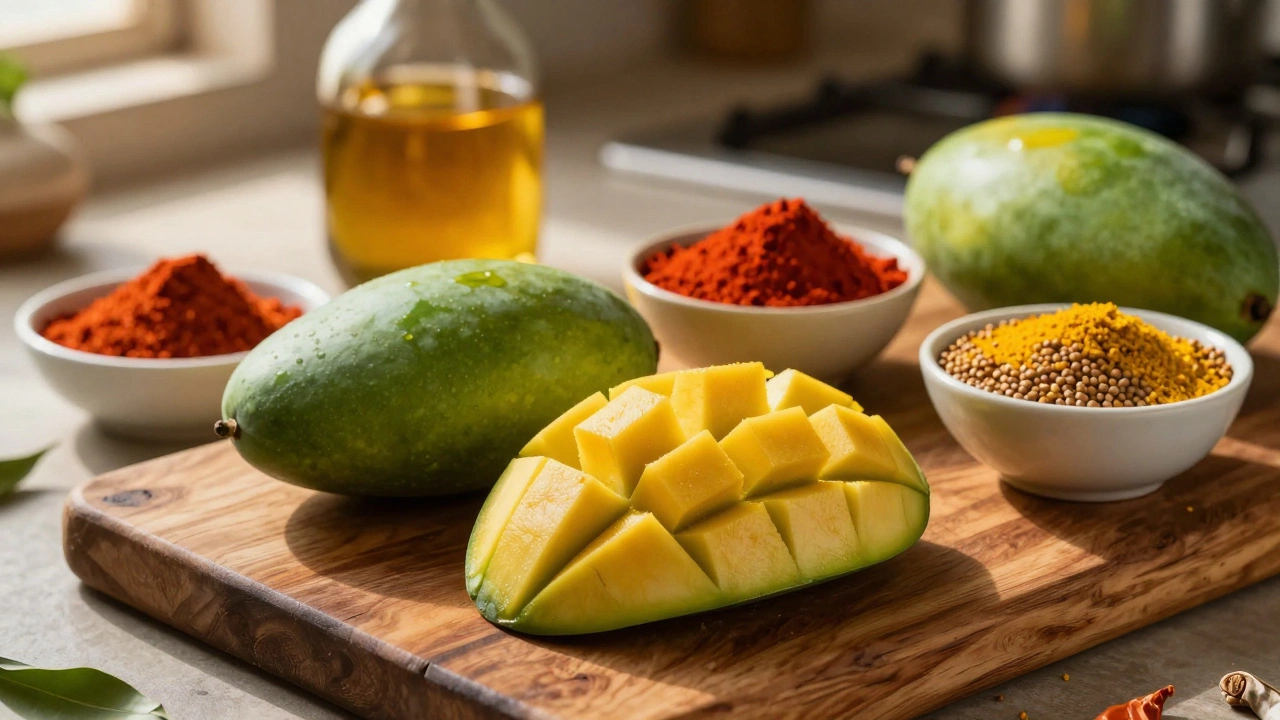
To understand why a pickle is not a chutney, you need to look at the labor-intensive process behind making Mango Achar. Traditional Indian pickling is a science of exclusion-excluding moisture and oxygen to prevent spoilage. It starts with selecting the right produce. For mango pickles, you don’t use ripe, sweet mangoes. You use raw, green, unripe mangoes that are hard and tart. These are cut into chunks and sun-dried to remove excess water. Water is the enemy of long-term preservation because it breeds bacteria.
Once dried, the fruit is mixed with a powerful blend of spices. This usually includes fenugreek seeds, fennel seeds, nigella seeds, asafoetida (hing), turmeric, and red chili powder. But the real heroes are the preservatives: mustard oil (which has natural antibacterial properties) and salt. The mixture is packed tightly into sterilized glass jars, ensuring no air pockets remain. Over time, the oil penetrates the fruit, and the flavors meld together through fermentation. This process can take weeks before the pickle is ready to eat, and once opened, it can last for over a year if stored correctly.
This method creates a intense, concentrated burst of flavor. A teaspoon of pickle is enough to transform a bland bowl of dal-chawal (lentils and rice). It’s salty, spicy, sour, and umami all at once. Because of the high salt and oil content, it’s not something you eat by the spoonful; it’s a potent accent.
How Chutneys Are Made: Celebrating Freshness
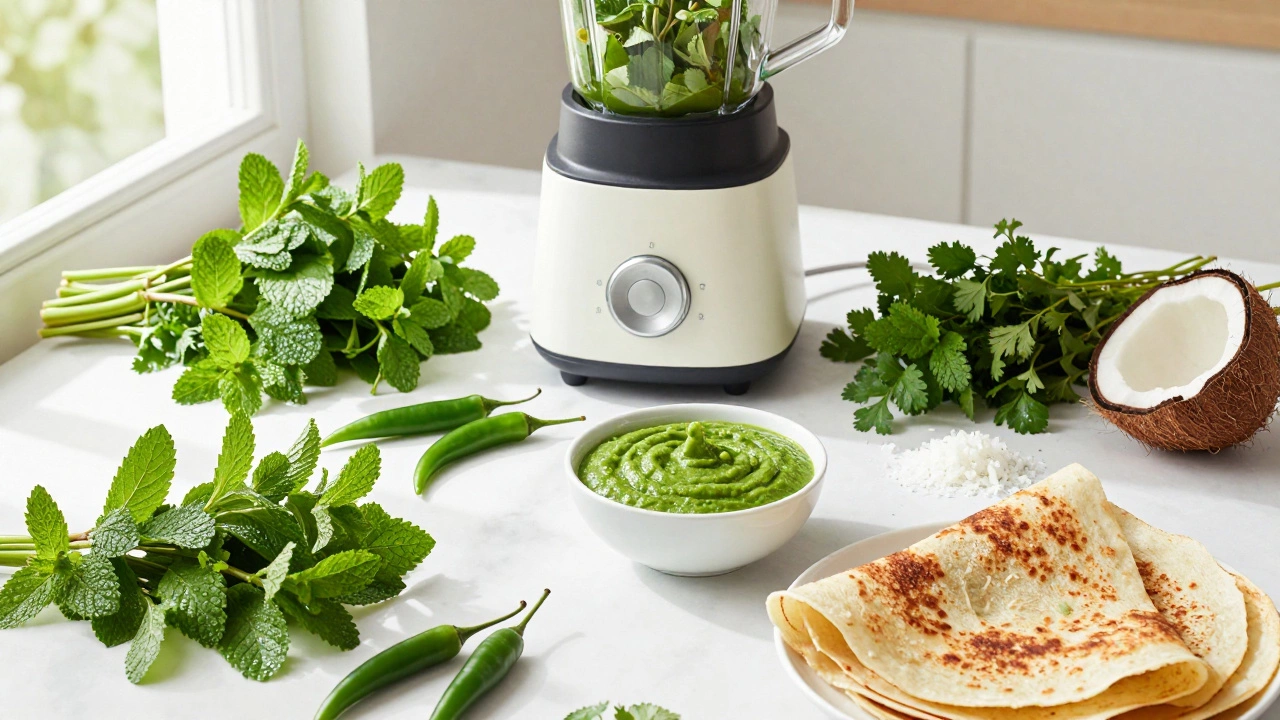
Chutneys, on the other hand, are about immediacy. When you make a Mint Coriander Chutney, you wash fresh mint leaves and cilantro, chop them roughly, and blend them with ginger, green chilies, lemon juice, and a pinch of salt. There is no drying. There is no heavy oil bath. Some chutneys involve cooking, like Tamarind Chutney, where dates, tamarind pulp, jaggery, and spices are boiled down into a thick syrup. Others, like Coconut Chutney, involve grinding roasted chana dal, grated coconut, and curry leaves into a smooth paste.
The texture of chutney varies widely. It can be a smooth, pourable sauce served with dosas and idlis. It can be a coarse, chunky relish served with kebabs. Or it can be a dry powder-like consistency, like a spice rub. But regardless of texture, the common thread is freshness. The flavors are bright, herbaceous, and vibrant. They reflect the current state of the ingredients. A chutney made with wilted spinach will taste flat; a pickle made with slightly older mangoes might actually develop deeper complexity.
Because chutneys lack the heavy preservatives of pickles, they spoil quickly. A fresh herb chutney left out at room temperature for more than a few hours can turn brown and lose its flavor. Even refrigerated, most homemade chutneys should be consumed within three to five days. This perishability is a feature, not a bug-it ensures you’re eating food at its peak freshness.
Ingredient Overlap: Where Confusion Arises
So why do people confuse them? Because the ingredient lists often overlap. Both use chili peppers for heat. Both use garlic and ginger for aroma. Both use citrus (lemon juice or amchur/dry mango powder) for acidity. In fact, you can make a chutney from almost any ingredient used in a pickle. You can make a mango chutney, a tomato chutney, or a carrot chutney. Conversely, you can pickle almost any vegetable or fruit.
The confusion also stems from regional variations. In some parts of India, the term "chutney" is used loosely for any condiment. In Western supermarkets, you might find jarred "mango chutney" that is sweet, sticky, and contains raisins and onions. This is a British colonial adaptation, quite different from the savory, spicy Indian chutneys. Meanwhile, Indian pickles exported globally are often labeled clearly as "Achar" to distinguish them. However, within home kitchens, the lines can blur. A "quick pickle" (achar) made by sautéing vegetables with spices and vinegar might resemble a cooked chutney in texture, but it still aims for a longer shelf life than a fresh herb dip.
How to Use Them in Your Cooking
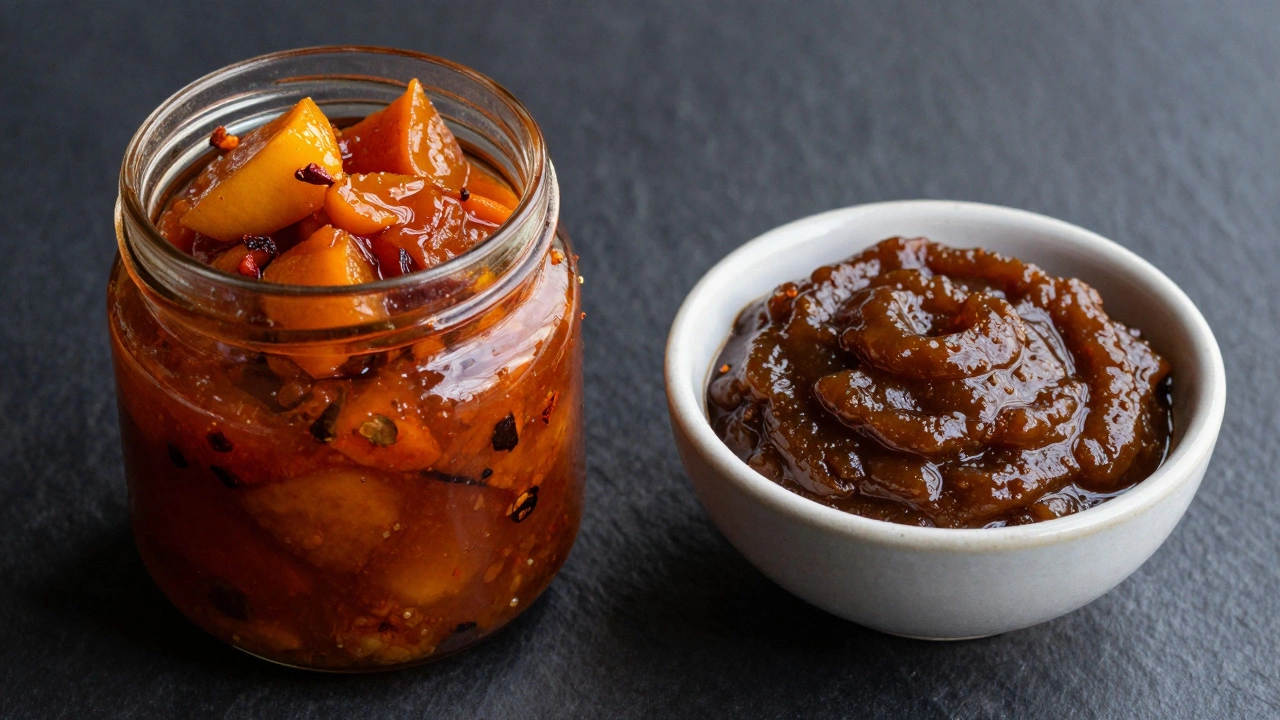
Knowing the difference helps you pair them correctly with your meals. Pickles are best used sparingly. They are the salt and spice bomb in your dish. Add a small dollop of Lemon Pickle to your plain yogurt or mix a teaspoon of Ginger Pickle into your dals. They stand up well to heavy, rich foods like butter chicken or creamy paneer dishes because their sharp acidity cuts through the fat.
Chutneys are more versatile as accompaniments. They are the standard side for breakfast items like idli, dosa, vada, and uttapam. A plate of crispy papadums is incomplete without a side of red onion-tomato chutney and green coriander chutney. Chutneys also work well as marinades for meats or as spreads in sandwiches and wraps. Their fresher profile pairs better with light, delicate foods like grilled fish or steamed vegetables.
- For Breakfast: Serve fresh coconut or mint chutney with dosas and idlis.
- For Lunch/Dinner: Add a small spoon of mango or lime pickle to dal-rice or roti-paratha.
- For Snacks: Dip samosas or pakoras in tangy tamarind chutney.
- For Grilling: Brush a spiced onion-garlic chutney on chicken before grilling.
Storage and Safety Tips
Since pickles and chutneys have different storage needs, treating them the same way can lead to food waste or health risks. Always store pickles in airtight, sterilized glass jars. Keep them in a cool, dark place. Once opened, keep the jar lid tight and always use a clean, dry spoon to scoop out portions. Introducing moisture or dirty utensils into a pickle jar can cause mold to grow rapidly, ruining the entire batch.
Chutneys should be stored in the refrigerator in sealed containers. Glass jars are ideal. Fresh herb chutneys can oxidize and turn brown; to prevent this, press plastic wrap directly onto the surface of the chutney before sealing the lid, or add a splash of lemon juice. Cooked chutneys like tamarind or tomato can last a bit longer, up to a week or two, but always check for off smells or bubbles before consuming.
Can I make a pickle from leftover chutney?
Not really. Chutney already contains too much water and lacks the high concentration of salt and oil needed for preservation. If you try to pickle it, it will likely spoil within days. Instead, freeze leftover chutney in ice cube trays for future use.
Why is my homemade pickle turning black?
Blackening in pickles is usually due to oxidation or using metal utensils instead of glass or wooden ones. Metal reacts with the acidic ingredients and spices, causing discoloration. Always use non-reactive containers and utensils when handling pickles.
Is chutney healthy?
Homemade chutneys can be very healthy, especially those based on herbs like mint and coriander, which are rich in vitamins and antioxidants. However, watch the salt and sugar content, especially in store-bought varieties. Pickles are generally high in sodium and fat due to the oil and salt used for preservation.
What is the difference between American and Indian pickles?
American pickles are typically cucumbers preserved in vinegar brine, resulting in a crunchy, sour snack. Indian pickles (achar) use a variety of fruits and vegetables preserved in oil and spices, resulting in a complex, spicy, and salty condiment. The flavor profiles and textures are completely different.
Can I freeze chutney?
Yes, most chutneys freeze well. Pour them into ice cube trays, freeze until solid, and then transfer the cubes to a freezer bag. This allows you to thaw only the amount you need. Note that the texture may change slightly upon thawing, becoming softer, but the flavor remains intact.