15 Sep 2026
- 0 Comments
Dal Digestibility Finder
Select a Dal below to see its digestibility rating, potential issues, and expert preparation tips.
Moong Dal
Yellow Mung Bean
Masoor Dal
Red Lentils
Arhar/Tur Dal
Pigeon Peas
Chana Dal
Split Chickpeas
Rajma
Kidney Beans
Urad Dal
Black Gram
Why It Might Cause Bloating
Best Preparation Method
💡 Expert Tip
You know that feeling. You’ve just finished a hearty bowl of dal, feeling satisfied for about twenty minutes, and then the bloating starts. The heaviness sets in, and you wonder if you should have skipped lunch entirely. If this sounds familiar, your body is likely struggling with specific types of pulses. Not all dals are created equal when it comes to digestion. Some break down quickly and nourish you without fuss, while others sit like stones in your stomach, demanding hours of digestive effort.
The culprit usually isn’t the lentil itself, but its structure and how we prepare it. Whole pulses with skins are harder to process than split ones. High-fiber varieties require more enzymatic work from your gut. Understanding which dals are heavy and which are light helps you build meals that leave you energized rather than exhausted. Let’s look at the science behind why some legumes cause trouble and how you can fix it in your kitchen.
Why Do Some Dals Cause Bloating?
Digestion issues with pulses stem primarily from two factors: complex sugars and fiber content. Legumes contain oligosaccharides, specifically raffinose and stachyose. Humans lack the enzyme alpha-galactosidase needed to break these down in the small intestine. Instead, they pass into the large intestine where gut bacteria ferment them, producing gas. This is normal, but the amount varies by type.
Whole pulses retain their outer seed coat, or testa. This skin is rich in insoluble fiber and anti-nutrients like phytic acid. Phytic acid binds to minerals and slows down protein absorption. Split pulses, known as dhuli dal, have had this skin removed mechanically. Without the tough outer layer, enzymes access the starch and protein inside much faster. Consequently, split dals generally digest easier than whole beans.
Another factor is cooking method. Undercooked lentils are significantly harder to digest because the cell walls remain intact. Proper soaking and thorough boiling break down these structures, making nutrients bioavailable. If you skip soaking or rush the boil, you’re asking your stomach to do extra work it wasn’t designed for.
The Heavy Hitters: Dals That Are Harder to Digest
If you have a sensitive gut, proceed with caution when using these varieties. They offer great nutrition but demand careful preparation.
| Dal Type | Digestibility Rating | Main Issue | Best Prep Method |
|---|---|---|---|
| Urad Dal (Black Gram) | Low (Heavy) | High mucilage and dense protein; causes significant gas. | Soak 8+ hours; pressure cook thoroughly; add asafoetida. |
| Rajma (Kidney Beans) | Medium-Low | Thick skin and high lectin content if undercooked. | Soak overnight; discard water; boil vigorously for 15 mins first. |
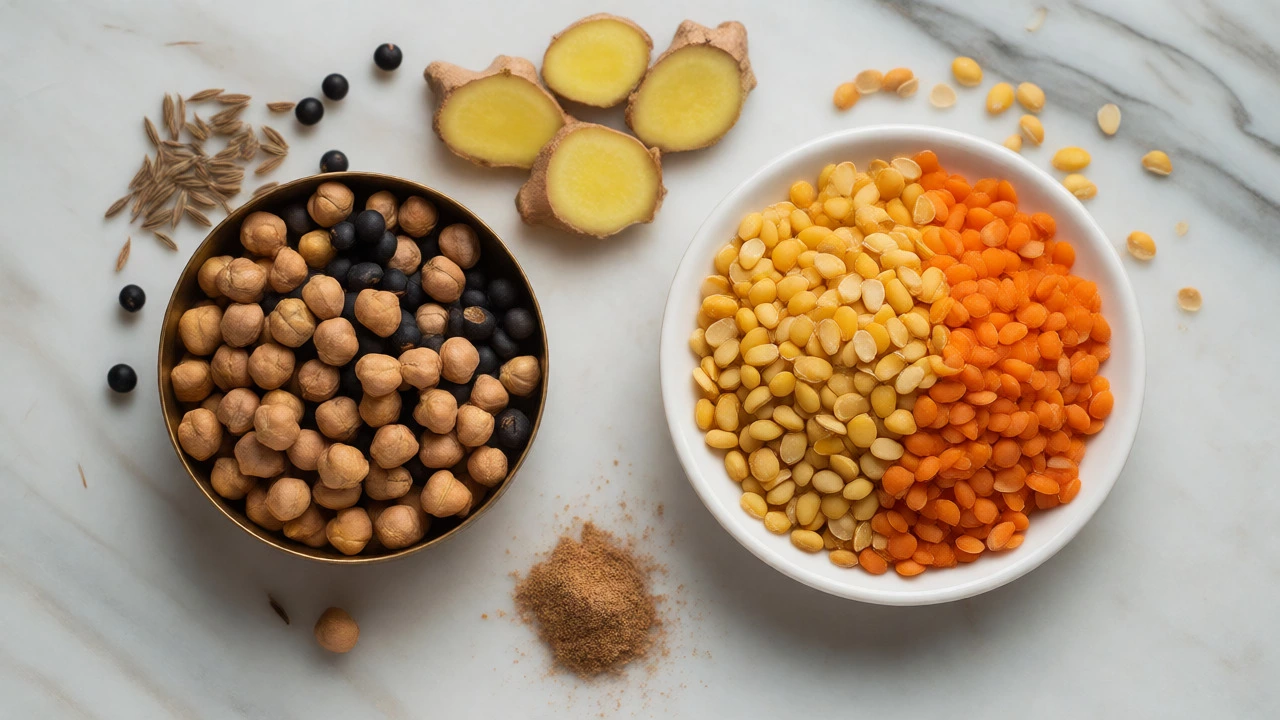
| Chana Dal (Split Chickpeas) | Medium | Dense starch; can feel heavy if not cooked until soft. | Soak 4-6 hours; use turmeric and ginger aids. |
| Arhar/Tur Dal (Pigeon Peas) | Medium | Common staple, but skins can irritate sensitive linings. | Use split version (Toor Dal); temper well with cumin. |
| Masoor Dal (Red Lentils) | High (Light) | Naturally skinless; breaks down rapidly. | No soak needed; cooks in 15-20 minutes. |
| Moong Dal (Yellow Mung) | Very High (Lightest) | Easiest to digest; low gas production. | Quick rinse; short cook time; ideal for sick days. |
Urad Dal often tops the list for heaviness. It is dense, sticky, and rich in proteins that take time to break down. In Ayurveda, it’s considered heating and grounding, but modern gastroenterology confirms it produces more gas than most other pulses. Many people find it difficult after dinner. If you love black gram, pair it with strong digestive spices like hing (asafoetida) and avoid eating it late at night.
Rajma is another common offender. Kidney beans contain phytohaemagglutinin, a toxin that must be destroyed by heat. While properly cooked Rajma is safe, the thick skin remains tough on the digestive tract. People with IBS often report discomfort after eating kidney bean curries, even when well-cooked.
The Lightweights: Easiest Dals to Digest
When your stomach feels off, or you want a light meal before bed, choose these options. They require less gastric juice and move through the system efficiently.
Moong Dal is the gold standard for digestibility. It is technically a mung bean that has been split and skinned. Because the fibrous shell is gone, your body accesses the nutrients immediately. It produces minimal gas and soothes the gut lining. This is why it’s the go-to choice for convalescence diets across India and Southeast Asia.
Masoor Dal (red or orange lentils) is also exceptionally gentle. Like Moong, Masoor splits naturally during cooking, turning into a creamy consistency quickly. It doesn’t require soaking, which reduces the chance of fermentation-related gas buildup. However, note that red lentils can sometimes feel slightly heavier than yellow Moong due to higher carbohydrate density, so portion control still matters.
Hur Dal (split green gram) offers a middle ground. It retains some fiber but lacks the tough skin of whole beans. It digests moderately well and provides sustained energy without the immediate bloating associated with Urad or Chana.
Cooking Techniques That Reduce Heaviness
You don’t have to give up your favorite heavy dals. You just need to change how you cook them. Here are proven methods to make hard-to-digest pulses easier on your system.
- Discard Soaking Water: Oligosaccharides leach out into the water during soaking. Always drain and rinse soaked dals with fresh water before cooking. Using the same water traps those gases back into the pot.
- Add Asafoetida (Hing): This pungent resin is a powerful carminative. Adding a pinch to hot oil before adding dal helps neutralize gas-producing compounds. It works best with Urad, Rajma, and Chana.
- Pressure Cook Thoroughly: Softness equals digestibility. Ensure the lentils mash easily between your fingers. Undercooked centers resist enzymatic breakdown.
- Incorporate Ginger and Cumin: Both spices stimulate digestive enzymes. Fresh grated ginger added during the simmer phase aids motility, reducing the feeling of food sitting in the stomach.
- Avoid Raw Onions/Garlic in Large Quantities: For sensitive individuals, raw alliums exacerbate bloating. Cook them thoroughly until caramelized or soft to reduce their fructan content.
Combining dals also affects digestion. Mixing Moong with heavier dals like Chana can lighten the overall load. The lighter dal speeds up the digestion rate of the mixture, providing a buffer effect.
Who Should Avoid Heavy Dals?
Not everyone experiences bloating equally. Your individual gut microbiome plays a huge role. However, certain groups should prioritize lighter options.
People with Irritable Bowel Syndrome (IBS) often react strongly to high-FODMAP foods. Legumes are high in galacto-oligosaccharides, a FODMAP group. Switching to Moong or Masoor can significantly reduce symptoms. Similarly, those recovering from gastritis or ulcers benefit from the soothing nature of split yellow dals over coarse, fibrous whole beans.
Elderly individuals may produce fewer digestive enzymes. Heavy dals like Rajma can cause prolonged discomfort. Introducing smaller portions of well-cooked, split dals helps maintain protein intake without overwhelming the digestive system.
Practical Swaps for a Comfortable Diet
Don’t overhaul your diet overnight. Make strategic swaps based on timing and activity levels.
For breakfast or light lunches, stick to Moong or Masoor. These provide quick energy without the crash. Save Urad or Rajma for active days when you have physical labor ahead, giving your body time to metabolize the dense calories. Never eat heavy dals right before sleep; aim for a three-hour gap between dinner and bedtime.
Pair heavy dals with acidic components. Lemon juice or tamarind lowers the pH in the stomach, aiding protein denaturation. It also improves iron absorption, counteracting the mineral-binding effects of phytic acid.
Is Moong Dal really the easiest to digest?
Yes, Moong Dal (split yellow mung bean) is widely considered the easiest pulse to digest. It lacks the tough outer skin found in whole beans, contains lower levels of gas-causing oligosaccharides compared to other legumes, and breaks down rapidly in the stomach. It is frequently recommended for people with gastrointestinal issues or those recovering from illness.
Why does Urad Dal make me feel so heavy?
Urad Dal is dense in protein and fiber, and it contains high amounts of raffinose sugars. Humans cannot fully digest raffinose in the small intestine, leading to fermentation by gut bacteria in the colon, which produces gas and bloating. Its mucilaginous texture also slows gastric emptying, contributing to the sensation of heaviness.
Does soaking dal actually help with digestion?
Absolutely. Soaking initiates germination processes that begin breaking down anti-nutrients like phytic acid and complex sugars. Crucially, discarding the soaking water removes a significant portion of the gas-causing oligosaccharides. Studies suggest soaking for at least 4-8 hours can reduce flatulence potential by up to 30%.
Can I eat Rajma if I have a sensitive stomach?
You can, but with precautions. Rajma (kidney beans) has a thick skin and high lectin content. To make it tolerable, soak it overnight, discard the water, and pressure cook it until very soft. Add digestive spices like cumin, coriander, and asafoetida. Start with small portions to test your tolerance.
Are split dals healthier than whole dals?
"Healthier" depends on your goal. Whole dals have more fiber and micronutrients but are harder to digest. Split dals (dhuli) lose some fiber but offer better protein accessibility and quicker digestion. For general wellness and ease of digestion, split dals are often superior. For blood sugar management, the fiber in whole dals may be beneficial despite the slower digestion.