8 Sep 2026
- 0 Comments
Paneer Texture Simulator
Adjust the sliders below to simulate different cooking methods and see how they affect your homemade paneer's final texture.
Cooking Variables
Predicted Texture
Waiting...Select Settings
Adjust the sliders and click Simulate to see the outcome.
You open the fridge, grab your block of paneer, and slice it for tonight's curry. But instead of that creamy, melt-in-your-mouth bite, you get a chewy, rubber-like disc that feels like biting into an eraser. It’s frustrating, especially when you spent time boiling milk and waiting for it to curdle. Why does this happen? It’s rarely bad luck. Rubberiness in homemade cheese comes down to three specific things: overheating the curds, adding too much acid too fast, or squeezing out every last drop of moisture.
If you’ve ever wondered why restaurant paneer stays soft while yours turns tough, the answer lies in the science of protein coagulation. Milk proteins (casein) change structure based on heat and pH. Get it wrong, and they tighten up into a dense network. Get it right, and they stay loose and moist. Here is how to stop making rubbery paneer and start making the kind that soaks up gravy perfectly.
The Science Behind the Squish
To fix the problem, you need to understand what happens inside the pot. Milk contains casein proteins wrapped in fat globules. When you add an acid like lemon juice or vinegar, the pH drops. This causes the casein micelles to lose their repulsion force and clump together, forming curds. Ideally, these curds should remain porous and hold some water. If you overcook them or squeeze them dry, the protein matrix collapses, expelling all moisture and leaving you with a solid, elastic mass.
Think of it like cooking an egg. A soft-boiled egg is tender because the proteins haven't bonded tightly. A hard-boiled egg is rubbery because prolonged heat forced those bonds to tighten excessively. Paneer behaves similarly. The goal is to coagulate the milk just enough to separate the solids from the whey, but not so much that the solids become inert plastic.
Mistake #1: Boiling the Curds Too Long
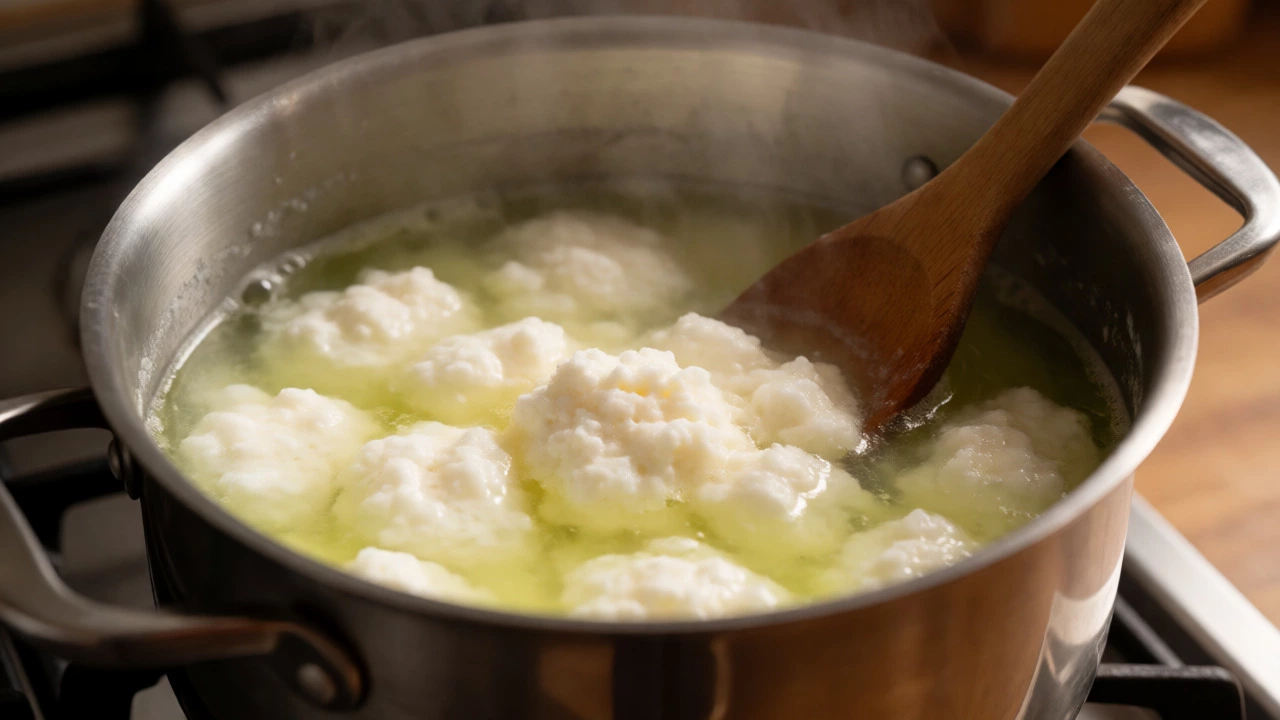
This is the most common error. Many people believe that once the milk splits, they need to keep boiling it to "set" the cheese. Wrong. Once you see clear separation between white curds and greenish-yellow whey, turn off the heat immediately. Continuing to boil cooks the curds further, driving out moisture and tightening the protein structure.
- Stop early: As soon as the whey looks translucent, kill the heat.
- Residual heat matters: The pot stays hot for minutes after turning off the burner. That residual heat continues to cook the curds. Factor this in by pulling the pan off the stove slightly before you think it's done.
- Temperature check: If you have a kitchen thermometer, aim for the curds to form around 85-90°C (185-194°F). Going above 95°C often leads to toughness.
Mistake #2: Using Too Much Acid Too Quickly
Pouring half a cup of lemon juice into boiling milk creates a violent reaction. The rapid drop in pH causes the casein to precipitate instantly, creating fine, grainy particles rather than large, cohesive curds. These tiny particles pack together densely when pressed, resulting in a crumbly yet tough texture.
Instead, add your acid gradually. Stir gently while pouring. You want slow, controlled coagulation. This allows larger curd masses to form, which trap more moisture within their structure. Larger curds mean softer final cheese. If you use vinegar, dilute it with a little water first to soften its impact. Lemon juice is generally preferred for flavor, but both work if used correctly.
Mistake #3: Squeezing Out Every Drop of Whey
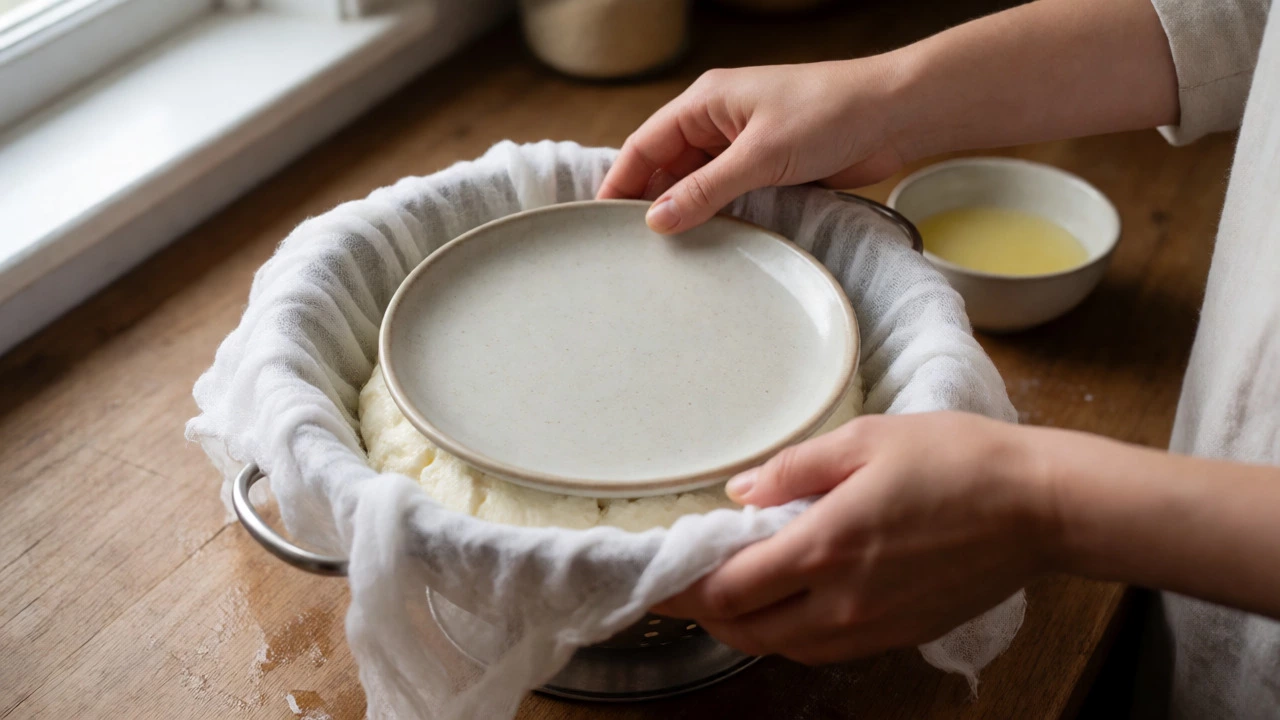
Once the curds are formed, you drain them through cheesecloth. Then comes the critical step: pressing. Many home cooks hang the bundle and weigh it down with heavy pots for hours, aiming for firm blocks suitable for deep-frying. While firm paneer has its place, excessive pressure removes almost all internal moisture. Without moisture, the protein fibers slide against each other without lubrication, creating friction and resistance-aka rubberiness.
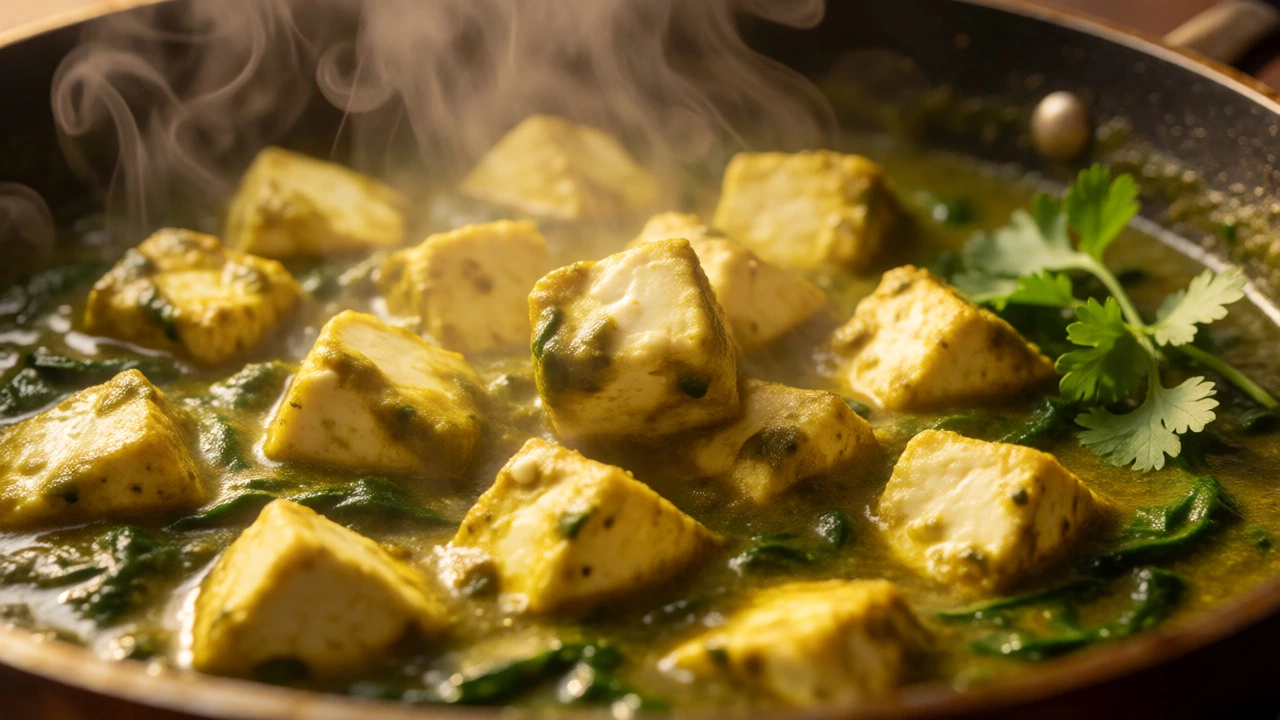
For soft, saucy-friendly paneer, press lightly. Just enough to shape the block and remove surface liquid. Let it sit for 20-30 minutes under light weight (like a plate), not heavy weights. If you want super-soft paneer for bhurji or palak paneer, skip pressing entirely. Mash the drained curds into a ball and let them set in their own residual warmth.
How to Rescue Already Rubbery Paneer
So you already made the mistake. Can you fix it? Yes, partially. Soaking tough paneer can rehydrate the outer layers and relax the protein bonds slightly.
- Warm water soak: Cut the rubbery paneer into cubes. Submerge them in warm (not boiling) salted water for 15-20 minutes. Salt helps break down some protein structures via osmosis.
- Baking soda trick: Add a pinch of baking soda to the soaking water. Alkalinity can help loosen tightened proteins. Rinse well afterward to avoid a soapy taste.
- Blend it: If the texture is hopeless, blend the paneer with a splash of cream or milk to make a smooth paste. Use this as a base for gravies where texture doesn't matter as much.
Choosing the Right Milk Matters
Not all milk yields the same result. Full-fat cow's milk produces the richest, softest paneer because the fat content interferes with tight protein bonding. Skimmed milk tends to produce harder, drier cheese because there's less fat to lubricate the curds. Buffalo milk makes denser paneer, which is great for frying but risky if you're prone to overcooking.
| Milk Type | Fat Content | Expected Texture | Best For |
|---|---|---|---|
| Full-Fat Cow's Milk | ~6% | Soft, Moist, Creamy | Curries, Gravy Dishes |
| Skimmed Milk | <1% | Firm, Dry, Crumbly | Dietary Restrictions |
| Buffalo Milk | ~7-8% | Dense, Chewy, Rich | Tandoori, Frying |
If you live in Sydney like I do, sourcing fresh, un-homogenized milk can make a noticeable difference. Homogenization breaks fat globules smaller, which can sometimes lead to finer curds that press together tighter. Try local dairy brands that offer non-homogenized options if available.
Pro Tips for Consistent Softness
A few small habits prevent rubberiness every time:
- Use a wide-bottomed pot: This ensures even heating. Uneven heat creates pockets of overcooked curds mixed with undercooked ones, leading to inconsistent texture.
- Stir gently: Vigorous stirring breaks curds into small pieces. Small pieces pack tighter. Fold slowly.
- Add ice water after draining: Before pressing, rinse the curds with cold water. This stops the cooking process instantly and firms up the exterior slightly without drying out the interior.
- Don't refrigerate immediately: Let freshly made paneer come to room temperature before chilling. Cold shock can contract proteins abruptly.
Making perfect paneer isn't about complex techniques-it's about restraint. Less heat, less acid speed, less pressure. Treat the curds gently, and they'll reward you with that coveted, cloud-like texture that absorbs spices beautifully. Next time you boil milk, remember: pull the pot off the stove earlier than you think you should. Your taste buds will thank you.
Can I use yogurt instead of lemon juice?
Yes, but it changes the texture. Yogurt adds moisture and mild acidity, often resulting in softer, moister paneer compared to sharp acids like vinegar. However, ensure the yogurt is fully dissolved in a bit of milk before adding it to the boiling pot to prevent uneven curdling.
Why is my paneer yellow?
Yellow paneer usually indicates the use of buffalo milk or full-fat cow's milk with high beta-carotene content. In Australia, some organic milks are richer in color. It does not affect texture negatively; in fact, higher fat often means softer cheese. If you prefer white paneer, skimmed milk will yield a whiter result but a firmer texture.
Does freezing make paneer rubbery?
Freezing can alter the texture. Ice crystals puncture the protein network, causing moisture loss upon thawing. Thawed paneer often becomes crumbly or spongy rather than rubbery. To mitigate this, freeze only pre-cooked or marinated paneer, or use it directly from frozen in hot gravies where texture breakdown is masked by sauce.
How long should I knead the curds?
Kneading compacts the curds. Over-kneading squeezes out moisture and aligns proteins, increasing density. Knead only until the curds hold together in a smooth ball-usually 1-2 minutes. Stop as soon as it forms a cohesive mass to retain air pockets and moisture.
Is store-bought paneer always rubbery?
Commercial paneer is often heated at higher temperatures for shelf stability, which can create a firmer, sometimes rubbery texture. High-quality artisanal brands use lower heat and higher fat milk, resulting in softer blocks. Always soak store-bought paneer in warm water for 10 minutes before cooking to improve pliability.