5 Jun 2026
- 0 Comments
Dal Protein Power Calculator
Your Meal Analysis
Calculate to see how your meal compares to meat.
Myth Busted! 🚫
People say Dal isn't real protein because it's "incomplete." But when you eat it with grains (rice/roti), it becomes a complete protein powerhouse, rivaling meat in total nutritional value.
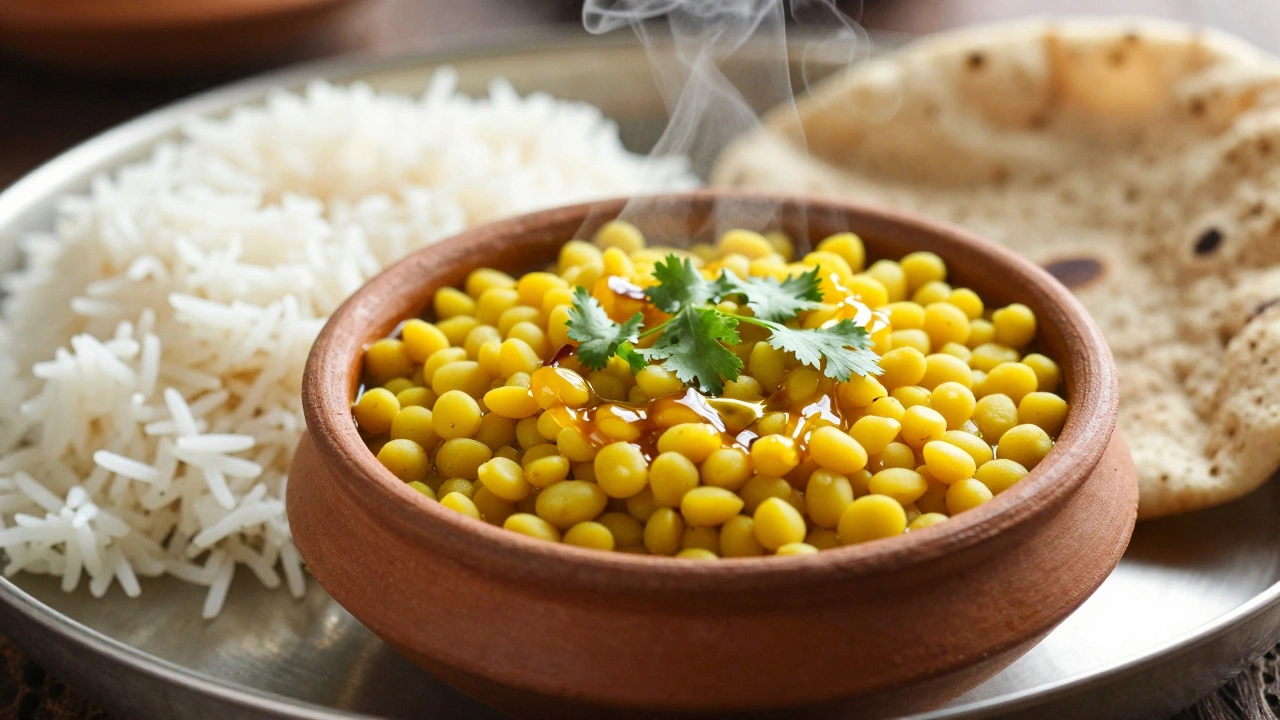
You hear it all the time: "Dal isn't real protein." Maybe you said it yourself while skipping the lentil soup for a steak. Or maybe your gym buddy told you that plant-based meals are just "filler" without the muscle-building power of meat. It’s a frustrating myth, especially when Dal is a staple legume dish in Indian cuisine made from split pulses like yellow moong, red masoor, or brown chana has been fueling athletes and laborers across South Asia for thousands of years.
The short answer? Dal absolutely is protein. In fact, it’s one of the most accessible, affordable, and sustainable protein sources on the planet. So why does this misconception exist? It usually comes down to two things: confusion about "complete" proteins and a lack of understanding about how our bodies absorb nutrients from plants versus animals.
If you’re trying to build muscle, stay full longer, or just eat healthier, dismissing dal because of a vague label is costing you serious nutritional benefits. Let’s clear up the confusion once and for all, break down the actual numbers, and show you how to make every bowl of dal count toward your health goals.
The Myth of the "Incomplete" Protein
To understand why people doubt dal, we have to look at biochemistry-but don’t worry, we’ll keep it simple. Your body needs twenty amino acids to function. Eight of these are called "essential" because your body can’t make them; you must get them from food.
Animal proteins (like chicken, eggs, and dairy) are considered "complete" because they contain all nine essential amino acids in high amounts. For decades, nutrition science taught us that if a food didn’t have all nine, it wasn’t "good" protein. This led to the idea that plants were inferior.
Lentils, which make up dal, are technically "incomplete" because they are lower in one specific amino acid: methionine. However, here is the catch: your body doesn’t need all nine amino acids in a single bite. It maintains an "amino acid pool" in your blood. As long as you eat a variety of foods throughout the day, your body combines the pieces to build what it needs.
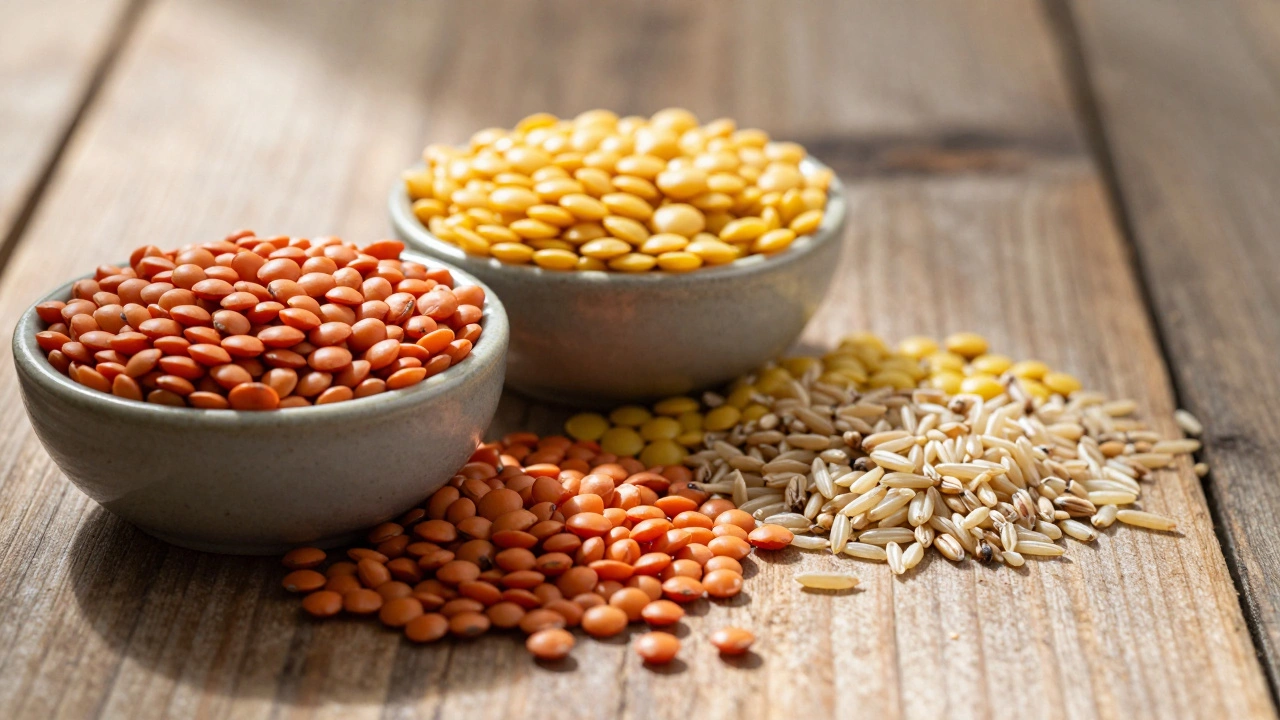
In traditional Indian diets, dal is rarely eaten alone. It’s paired with rice, roti (wheat), or chapati. Rice and wheat are low in lysine but high in methionine. When you eat dal with rice, you create a complete protein profile. This synergy is not a bug; it’s a feature of smart eating. You don’t need to stress over perfect pairings in every meal, but knowing this helps debunk the idea that dal is "weak" protein.
Real Numbers: How Much Protein Is Actually in Dal?
Let’s move away from theory and look at the data. If you’re tracking macros or just curious, here is what a standard serving looks like. We are talking about cooked dal, the kind you serve with lunch or dinner.
| Type of Dal | Protein (grams) | Fiber (grams) | Calories |
|---|---|---|---|
| Masoor (Red Lentil) | 18g | 15g | 230 |
| Moong (Yellow Split Mung) | 17g | 12g | 210 |
| Chana (Bengal Gram) | 14g | 19g | 270 |
| Toor (Pigeon Pea) | 16g | 11g | 240 |
Compare that to a standard 3-ounce serving of cooked chicken breast, which offers about 26 grams of protein. While chicken is higher, a cup of dal provides nearly two-thirds of that amount. And that’s before you add the side of rice or bread. If you combine a cup of dal with a cup of cooked rice, you’re looking at around 25-28 grams of protein for the entire meal. That rivals many meat-based dinners.
The key takeaway isn’t just the protein count. It’s the package deal. Chicken gives you protein and little else. Dal gives you protein, massive amounts of fiber, iron, folate, and magnesium. Fiber slows down digestion, keeping your blood sugar stable and keeping you full for hours. This makes dal arguably more effective for weight management than lean meats, which digest faster.
Bioavailability: Why Plant Protein Feels Different
Here is where the "dal isn't protein" argument gets its last shred of scientific backing: bioavailability. Bioavailability refers to how much of a nutrient your body actually absorbs and uses.
Animal proteins are highly bioavailable. Your body absorbs almost all the protein in a steak. Plant proteins, including dal, contain compounds like phytates and tannins. These anti-nutrients can bind to minerals and proteins, slightly reducing absorption. Some older studies suggested plant protein is only 70-80% as efficient as animal protein for muscle synthesis.
However, modern research shows this gap is negligible for most people. If you eat enough calories and a varied diet, your body adapts. Furthermore, traditional preparation methods significantly boost bioavailability. Soaking lentils before cooking, sprouting them, or fermenting dough (as in dosa batter) breaks down those anti-nutrients. Even the simple act of pressure cooking dal softens the fiber matrix, making the protein more accessible to your digestive enzymes.
So, is dal less efficient than whey isolate? Yes, technically. But is it "not protein"? Absolutely not. It’s a high-quality, functional protein source that supports health in ways isolated powders cannot.
Why Dal Wins for Long-Term Health
If you only judge food by protein grams per dollar, you miss the bigger picture. Dal contributes to longevity and disease prevention in ways meat often doesn’t.
- Heart Health: Lentils are cholesterol-free. Studies consistently link regular legume consumption with reduced LDL (bad) cholesterol levels. The soluble fiber in dal binds to cholesterol in the gut and removes it from the body.
- Blood Sugar Control: Dal has a low glycemic index (GI). Unlike white rice or potatoes, which spike insulin, dal releases energy slowly. This is crucial for preventing type 2 diabetes, a growing concern in urban areas worldwide.
- Gut Microbiome: The resistant starch and fiber in dal feed beneficial gut bacteria. A healthy gut microbiome is linked to better immunity, mental health, and even weight regulation.
- Sustainability: Producing 1kg of lentil protein requires a fraction of the water and land needed for 1kg of beef. Eating dal is one of the easiest ways to reduce your carbon footprint without giving up flavor.
When people say "dal isn't protein," they are often focusing narrowly on muscle hypertrophy (bodybuilding). But for general health, longevity, and metabolic function, dal is superior to many processed protein sources.
How to Maximize Protein Absorption from Dal
You don’t need to change your entire diet to get the most out of dal. Small tweaks in preparation and pairing can make a big difference.
- Pair with Grains: Serve dal with brown rice, quinoa, or whole wheat roti. This completes the amino acid profile mentioned earlier. Even a small piece of naan with your dal helps.
- Add Vitamin C: Iron absorption from plants is enhanced by vitamin C. Squeeze a lemon into your dal or eat it with a side of cucumber salad or tomato chutney. This ensures you get the mineral benefits alongside the protein.
- Soak Before Cooking: If you have time, soak dry lentils for 30 minutes to an hour before cooking. This reduces cooking time and breaks down some of the anti-nutrients, improving digestibility.
- Use Tempering (Tadka): Traditional Indian tempering with mustard seeds, cumin, and asafoetida (hing) aids digestion. Hing, in particular, is known in Ayurveda to reduce gas and bloating associated with legumes.
- Vary Your Pulses: Don’t stick to just one type. Rotate between moong, masoor, chana, and urad. Each has a slightly different nutrient profile, ensuring you get a broad spectrum of vitamins and minerals.
Simple Dal Recipe for Maximum Nutrition
Here is a quick, no-fuss recipe that highlights the natural protein content of dal without heavy creams or excessive fats.
Turmeric Moong Dal
Ingredients:
- 1 cup yellow moong dal, rinsed well
- 2.5 cups water
- 1 tsp turmeric powder
- 1 tsp salt (adjust to taste)
- 1 tbsp ghee or oil
- 1 tsp cumin seeds
- 2 cloves garlic, minced
- 1/2 tsp chili powder (optional)
- Fresh cilantro for garnish
Instructions:
- In a pot, combine rinsed dal, water, turmeric, and salt. Bring to a boil, then simmer covered for 15-20 minutes until the dal is soft and mushy. Mash lightly with a spoon.
- In a small pan, heat ghee. Add cumin seeds and let them splutter. Add garlic and sauté until golden.
- Add chili powder and stir for 10 seconds. Pour this tempering over the cooked dal.
- Garnish with fresh cilantro and a squeeze of lemon juice. Serve hot with brown rice or roti.
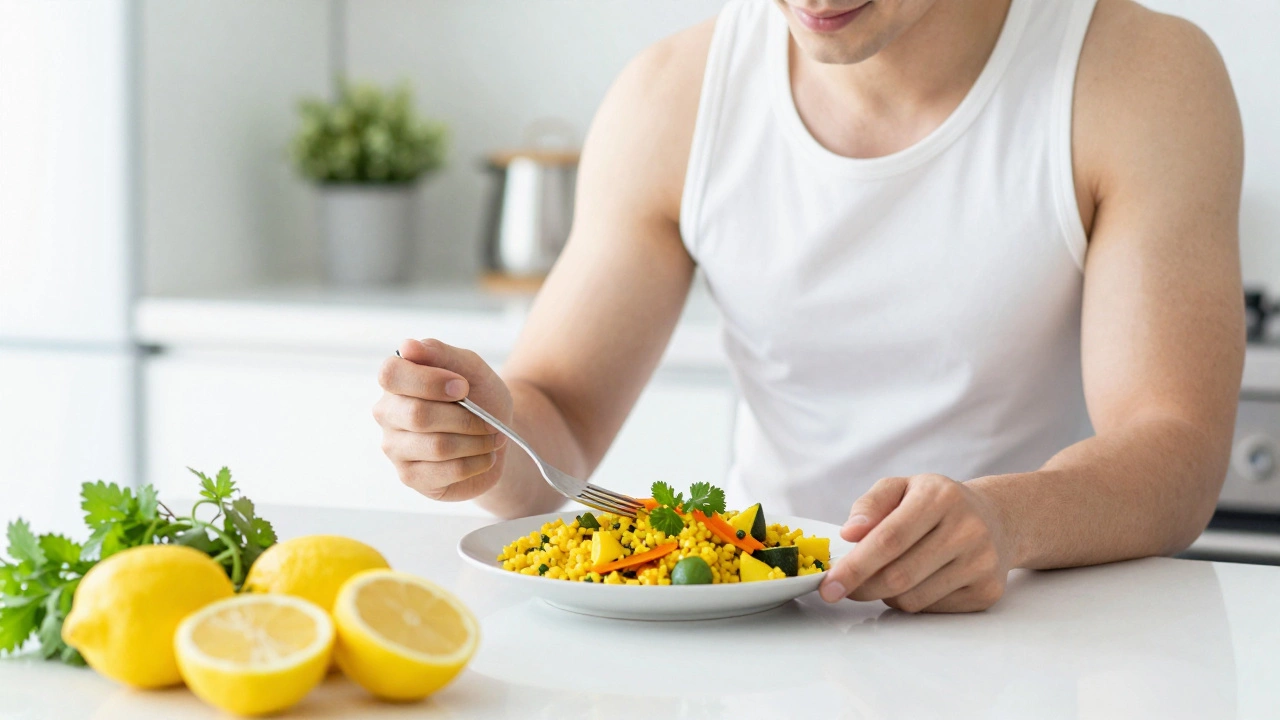
This recipe takes under 30 minutes and delivers a nutrient-dense meal. The lemon juice adds vitamin C for iron absorption, and the cilantro provides antioxidants. It’s proof that healthy eating doesn’t have to be complicated.
Addressing Common Concerns
"But I feel bloated after eating dal."
This is common if your body isn’t used to high fiber. Start with smaller portions (half a cup) and gradually increase. Ensure you drink plenty of water. Using hing (asafoetida) in your tadka can significantly reduce gas.
"Can I build muscle on just dal?"
Yes. Many professional bodybuilders use plant-based diets. The key is total calorie and protein intake. If you’re training hard, aim for 1.6-2.2 grams of protein per kilogram of body weight. You can hit this with dal, chickpeas, tofu, tempeh, and seitan. You may need to eat slightly larger volumes of food compared to a meat-based diet, but it’s entirely achievable.
"Is canned dal okay?"
Canned lentils are convenient and retain most of their nutritional value. However, they can be high in sodium. Rinse them thoroughly before use to remove excess salt. Freshly cooked dal is always preferable for texture and control over ingredients, but canned is a valid emergency option.
Is dal a complete protein source?
No, dal is not a complete protein on its own because it is low in the amino acid methionine. However, when combined with grains like rice or wheat, it forms a complete protein profile. You do not need to eat them in the same meal, but consuming both throughout the day ensures your body gets all essential amino acids.
How much protein is in one cup of cooked dal?
One cup of cooked dal typically contains between 14 and 18 grams of protein, depending on the type. Red lentils (masoor) and yellow moong dal are on the higher end, while chickpeas (chana) are slightly lower but higher in fiber.
Why do some people say dal is not good protein?
This myth stems from the concept of "bioavailability." Plant proteins are slightly less absorbed by the body than animal proteins due to fiber and anti-nutrients. Additionally, dal is "incomplete" in amino acids. However, these factors do not make it "bad" protein; they just mean you should eat a varied diet.
Can vegetarians get enough protein from dal?
Absolutely. Dal is a cornerstone of vegetarian diets worldwide. By combining dal with grains, dairy (if consumed), nuts, and seeds, vegetarians can easily meet or exceed daily protein requirements. Athletes on plant-based diets successfully use dal as a primary protein source.
Does soaking dal increase protein content?
Soaking does not increase the actual amount of protein, but it improves bioavailability. Soaking reduces anti-nutrients like phytates, which allows your body to absorb more of the protein and minerals present in the lentils. It also makes the dal easier to digest.
What is the best dal for muscle building?
Masoor (red lentil) and Moong (yellow mung) dal are excellent choices due to their high protein-to-calorie ratio and ease of digestion. Chana (chickpeas) are also great but are denser in calories and fiber. For muscle building, consistency and total daily intake matter more than the specific type of dal.