9 Jun 2026
- 0 Comments
Indian Metabolism Meal Planner
Build Your Daily Menu
Select one option for each category to calculate your metabolic score.
Your Analysis
Select options to begin
Choose meals from the left panel to see how they affect your metabolism.
Key Benefits:
There is a persistent myth that eating spicy food automatically melts away belly fat. If only it were that simple. You could eat an entire jar of chili powder and still not see the scale move if your overall calorie intake exceeds what your body burns. However, certain Indian foods are ingredients native to the Indian subcontinent that possess thermogenic properties, high fiber content, or metabolic-enhancing compounds. These ingredients can genuinely support weight management when used correctly.
The secret isn't magic; it's biology. Some common staples in Indian kitchens-like green tea, fenugreek seeds, and specific spices-have been shown to slightly increase your metabolic rate or help regulate blood sugar levels. When you stabilize blood sugar, you reduce insulin spikes, which in turn reduces fat storage. This article breaks down exactly which foods work, why they work, and how to fit them into your daily routine without sacrificing flavor.
The Science Behind Thermogenic Spices
To understand which foods burn fat, you first need to understand thermogenesis. This is the process by which your body generates heat, and doing so requires energy (calories). Certain compounds found in Indian spices trigger this process.
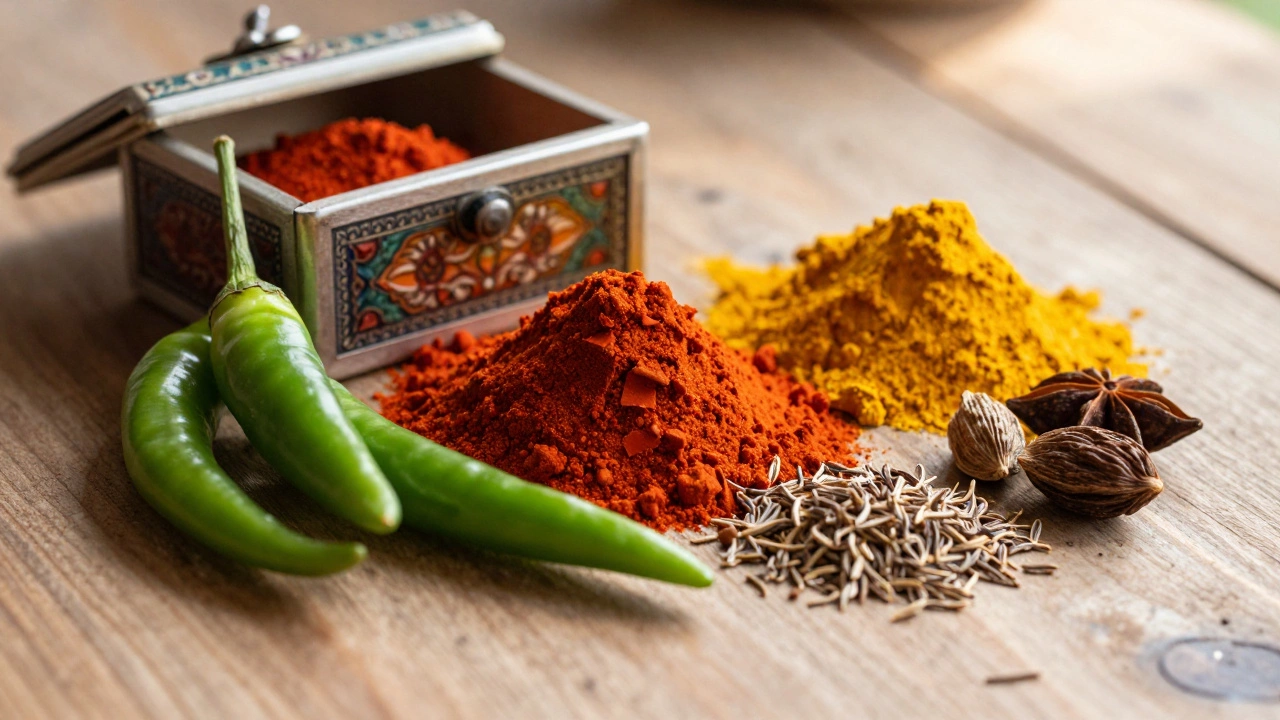
Capsaicin, the active component in chili peppers, is the most famous example. Studies suggest that capsaicin can boost metabolism by up to 8% for a short period after consumption. It also helps suppress appetite, meaning you might naturally eat less at your next meal. In Indian cooking, this translates to using fresh green chilies or red chili powder liberally, but mindfully. The goal is to add heat, not just spice.
Another powerful player is Turmeric, specifically its active compound curcumin. Curcumin has strong anti-inflammatory effects. Chronic inflammation is linked to obesity and metabolic syndrome. By reducing inflammation, turmeric helps your body function more efficiently, allowing your natural fat-burning mechanisms to operate without hindrance. Most Indian households keep turmeric powder handy, making it an easy addition to curries, rice dishes, and even warm milk before bed.
Ginger is another staple that deserves attention. It contains gingerol, which aids digestion and can improve gut health. A healthy gut microbiome is increasingly linked to better weight management. Adding freshly grated ginger to your dal or stir-fries isn't just for flavor; it’s a functional step toward better metabolic health.
High-Protein Staples That Keep You Full
Fat burning doesn't happen in a vacuum. It happens when you are in a slight calorie deficit, but you stay satisfied. Protein is the most satiating macronutrient. It takes more energy for your body to digest protein than carbs or fats, a phenomenon known as the thermic effect of food (TEF).
In the Indian context, Lentils and Legumes are plant-based sources of protein and fiber such as moong, masoor, chana, and rajma that provide sustained energy and prevent overeating. Moong dal (mung beans), for instance, is light on the stomach but rich in protein. A bowl of yellow moong dal khichdi provides complex carbohydrates and protein that digest slowly, keeping your blood sugar stable for hours. This prevents the mid-afternoon crash that usually leads to snacking on sugary treats.
If you eat non-vegetarian diets, Chicken and Fish prepared with minimal oil and maximum spices like cumin, coriander, and black pepper are excellent choices. Tandoori chicken, for example, is often grilled rather than fried, preserving nutrients while adding zero extra calories from cooking fats. The marinade typically includes yogurt, which adds probiotics, further aiding digestion.
For vegetarians, Paneer is a fresh Indian cottage cheese high in casein protein, which digests slowly and supports muscle repair during weight loss. While paneer is calorie-dense, it is also highly filling. Opting for low-fat paneer or limiting portion sizes ensures you get the protein benefit without the excess saturated fat.
Fiber-Rich Vegetables and Seeds
Fiber is the unsung hero of weight loss. It adds bulk to your food without adding significant calories, and it slows down the absorption of sugar into your bloodstream. Indian cuisine is naturally rich in fibrous vegetables, but many people overlook their potential.
Bitter gourd, known as Karela, is a vegetable containing charantin and momordicin, compounds that mimic insulin and help lower blood sugar levels. While the taste is acquired, karela sabzi or even karela juice is a potent tool for managing glucose levels. Stable glucose means less fat storage. If you can’t handle the bitterness, try stuffing the karela with spices and roasting it to mellow the flavor.
Methi seeds, or Fenugreek, are seeds high in soluble fiber that form a gel-like substance in the gut, slowing digestion and promoting satiety. Soaking one teaspoon of methi seeds overnight and drinking the water in the morning is a traditional remedy that has gained scientific backing. The fiber in these seeds helps control appetite throughout the day. You can also add crushed fenugreek seeds to your dough for rotis or mix them into salads.
Cucumber and tomatoes are low-calorie, high-water-content vegetables that make up a significant part of Indian salads (kachumber). They provide volume to your plate, helping you feel full with fewer calories. Pairing these with lemon juice and chaat masala adds flavor without the guilt.
Hydration and Metabolic Boosters
Often, we mistake thirst for hunger. Staying hydrated is crucial for fat metabolism because water is required for lipolysis, the process of breaking down fat. In Indian summers, dehydration is common, which can slow down your metabolism.
Green Tea is a beverage rich in catechins, particularly EGCG, which has been shown to enhance fat oxidation during exercise and rest. Unlike regular chai, which is often loaded with sugar and full-cream milk, green tea is virtually calorie-free. Drinking two cups a day can provide a modest boost to your metabolic rate. For a local twist, try brewing green tea with a slice of ginger and a dash of honey instead of sugar.
Absolutely avoid sugary beverages. Traditional Indian drinks like mango lassi or sweetened sherbets are delicious but packed with empty calories. If you crave something refreshing, opt for Chaas (Buttermilk), which is a diluted yogurt drink seasoned with cumin, curry leaves, and rock salt that aids digestion and provides probiotics. Chaas is hydrating, cooling, and supports gut health, making it a superior alternative to soda or packaged juices.
Smart Snacking: Replacing Junk with Nutrition
Snacking is where most diets fail. The temptation to grab a packet of chips or a samosa is real. However, swapping these for nutrient-dense options can make a massive difference.
| Traditional Snack | Calories (Approx.) | Healthy Alternative | Calories (Approx.) | Benefit |
|---|---|---|---|---|
| 1 Samosa | 250-300 kcal | Air-fried Moong Dal Chilla | 120-150 kcal | High protein, no refined flour |
| Packet of Chips | 150-200 kcal | Roasted Makhana (Fox Nuts) | 80-100 kcal | Low calorie, crunchy, mineral-rich |
| 1 Jalebi | 100-120 kcal | Handful of Roasted Chana | 60-70 kcal | Fiber and protein, stabilizes blood sugar |
| Pakora (2 pcs) | 180-200 kcal | Sprouted Moong Salad | 50-60 kcal | Enzyme-rich, high fiber |
Makhana, or fox nuts, have become a popular snack in recent years. They are lightweight, crispy when roasted, and low in calories. Roasting them with a little ghee and black salt makes them addictive yet healthy.
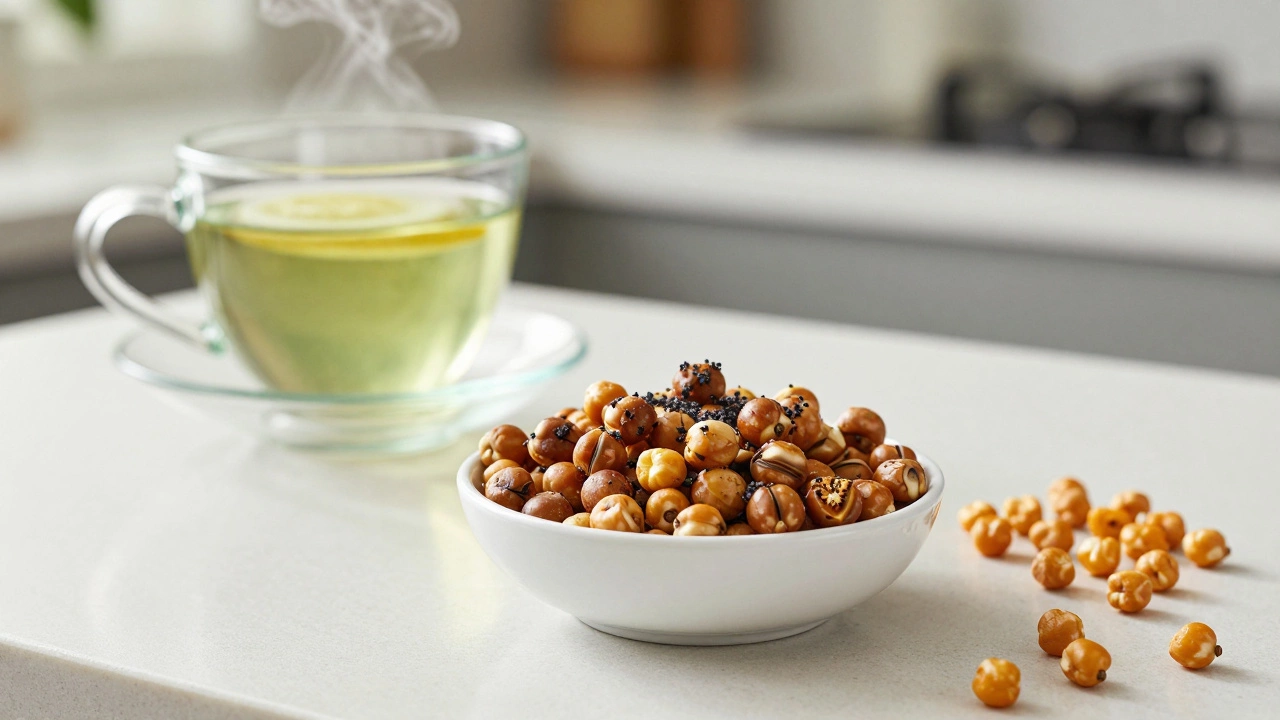
Roasted Chana is another excellent option. Unlike boiled chana, roasted chana has a longer shelf life and a crunchier texture that satisfies the urge for salty snacks. It is packed with protein and fiber, ensuring you don't binge later.
Common Pitfalls to Avoid
Even with the right foods, certain habits can sabotage your efforts. One major issue is hidden sugars. Many Indian chutneys, pickles, and even some curries contain added sugar to balance acidity. Always check labels or cook at home where you control the ingredients.
Portion distortion is another culprit. A "healthy" meal of brown rice and dal can turn into a weight-gain meal if the portions are too large. Use smaller plates and focus on filling half your plate with vegetables. The other half can be divided between protein and complex carbs.
Finally, don't neglect sleep. Poor sleep disrupts hormones like ghrelin and leptin, which regulate hunger. No amount of fat-burning spices will compensate for chronic sleep deprivation. Aim for 7-8 hours of quality sleep each night.
Putting It All Together: A Sample Day
Here is how you can integrate these fat-burning Indian foods into a realistic day:
- Early Morning: Warm water with soaked methi seeds and half a lemon.
- Breakfast: Vegetable poha or upma made with lots of peas, carrots, and peanuts, or a moong dal chilla with mint chutney.
- Mid-Morning: Green tea with a handful of roasted chana or a fruit like papaya.
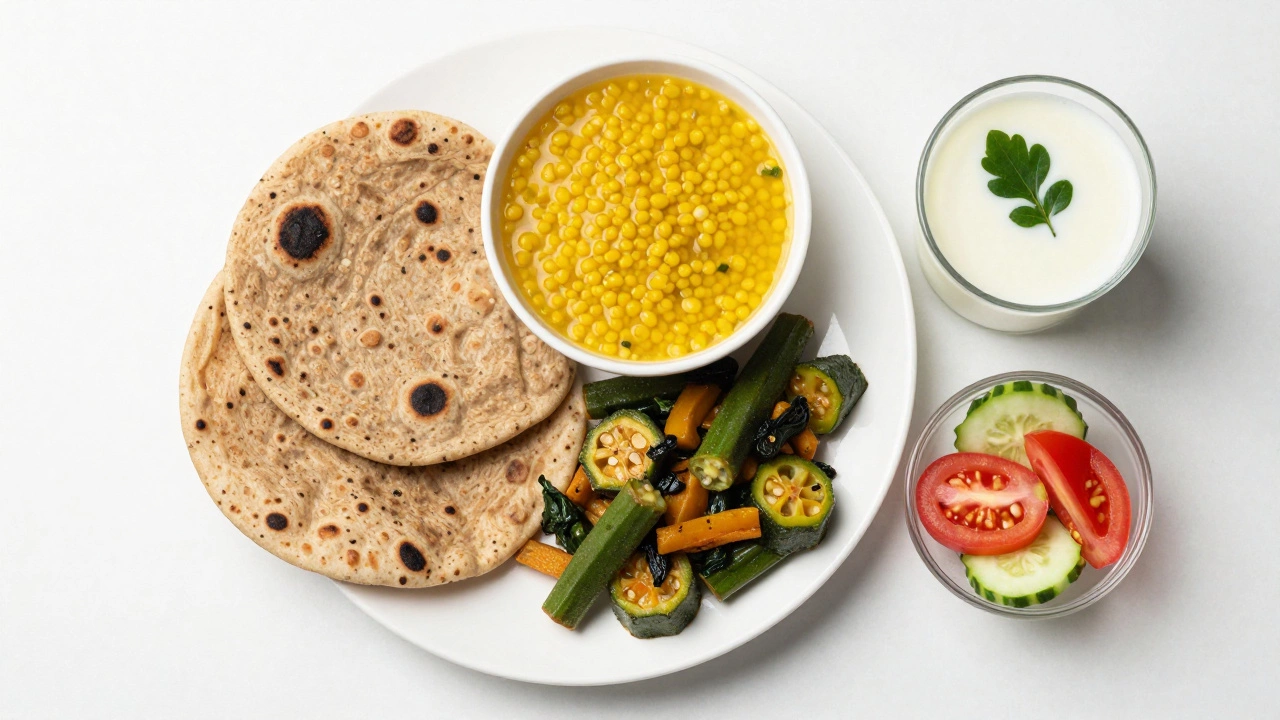
- Lunch: Two small multigrain rotis, a bowl of dal, a generous portion of seasonal sabzi (like bhindi or lauki), and cucumber salad.
- Evening Snack: Chaas or roasted makhana.
- Dinner: Grilled fish or chicken tikka with sautéed spinach and a small serving of quinoa or brown rice. Alternatively, a light khichdi with raita.
This approach doesn't require extreme restriction. It focuses on maximizing the nutritional value of every bite, leveraging the natural properties of Indian ingredients to support your body's natural fat-burning processes.
Does eating spicy food directly burn fat?
Spicy food containing capsaicin can temporarily boost your metabolic rate by a small percentage, but it does not directly melt fat. It works best as part of a balanced diet and calorie deficit. The primary benefit is often reduced appetite due to the heat sensation.
Is turmeric effective for weight loss?
Turmeric contains curcumin, which has anti-inflammatory properties. While it doesn't burn fat directly, reducing inflammation can improve metabolic health and aid in weight management indirectly. It is most effective when consumed with black pepper, which enhances curcumin absorption.
What is the best Indian breakfast for weight loss?
Moong dal chilla, vegetable poha with minimal oil, or idli with sambar are excellent choices. They are high in fiber and protein, keeping you full for longer. Avoid heavy breakfasts like puri bhaji or parathas with excessive ghee, as they can lead to sluggishness and overeating later.
Can I lose weight by only eating Indian vegetarian food?
Yes, absolutely. Indian vegetarian diets are rich in lentils, legumes, and vegetables, which provide ample protein and fiber. The key is to ensure you are getting enough protein from sources like paneer, tofu, soy chunks, and dals, and to monitor portion sizes of carbohydrates like rice and roti.
How much water should I drink to help burn fat?
Aim for at least 2-3 liters of water daily, depending on your activity level and climate. Drinking water before meals can also help reduce calorie intake by promoting satiety. Hydration is essential for all metabolic processes, including lipolysis.