11 Aug 2026
- 0 Comments
Marinade Calculator & Substitution Guide
Recipe Details
Choose Your Base Ingredient
Click to select your primary marinade base:
Your Custom Marinade Recipe
Ingredients Needed
Performance Metrics
Special Instructions
Substitution Advice
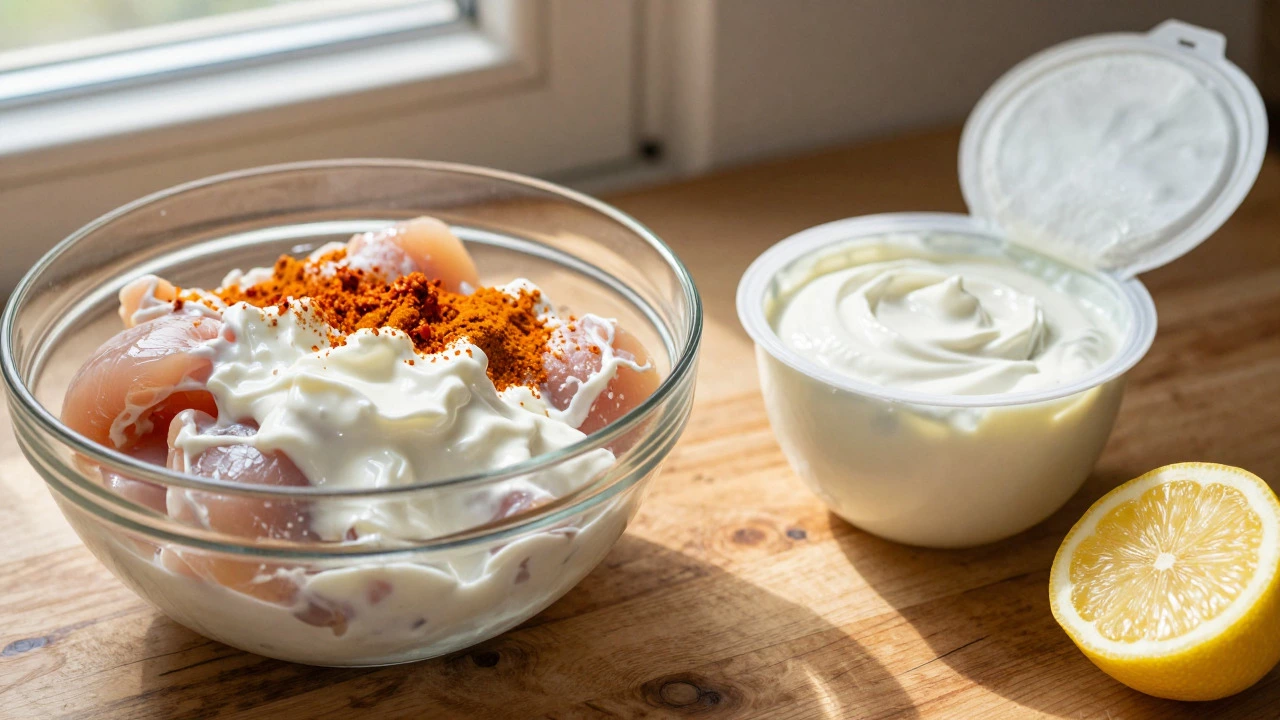
Picture this: you are standing in your kitchen, ready to make a batch of tandoori chicken, only to realize you have run out of plain yogurt. Your eyes scan the fridge and land on a tub of sour cream. Can you just swap it in? It’s white, creamy, and tangy. Surely, it must work, right?
The short answer is yes, but with some serious caveats. While sour cream is a dairy product made by fermenting cream with lactic acid bacteria can technically marinate meat, it behaves very differently than yogurt. If you want that authentic, tender, charred result associated with traditional Indian cooking, understanding the chemistry behind these two ingredients is crucial.
Why Yogurt Is the Gold Standard for Marinades
To understand why we usually reach for yogurt, we need to look at what it actually does to chicken. Yogurt isn't just a flavor carrier; it's a chemical tenderizer. This magic comes from two main components: lactic acid is a weak organic acid produced during fermentation and enzymes like protease.
Lactic acid works slowly and gently. It penetrates the muscle fibers of the chicken, breaking down tough connective tissues without making the meat mushy. This process allows the spices-like turmeric, cumin, and garam masala-to penetrate deep into the protein. The result is juicy, flavorful meat that stays moist even under high heat.
Furthermore, yogurt has a specific consistency. When you use full-fat Greek yogurt or hung curd (strained yogurt), you get a thick paste that clings to the chicken. This coating acts as a barrier, preventing the exterior from drying out while the inside cooks. In a traditional tandoor oven, which reaches temperatures over 900°F (480°C), this protective layer is non-negotiable.
The Sour Cream Substitution: What Happens?
If you swap yogurt for sour cream, you are changing the fat content and the acidity level significantly. Sour cream typically contains about 20% milk fat, whereas plain whole-milk yogurt contains around 3-5%. This difference changes the texture and the cooking outcome.
Here is what happens when you use sour cream:
- Higher Fat Content: The extra fat means the marinade will burn faster. If you are grilling or broiling, you might see blackened spots before the chicken is cooked through.
- Different Acidity: Sour cream is often less acidic than plain yogurt because it starts with cream rather than milk. This means it may not tenderize the chicken as effectively, potentially leaving the meat tougher if marinated for the same duration.
- Thicker Consistency: Sour cream is naturally thicker and denser. It won't spread as easily, so you might end up with uneven coverage unless you thin it out with water or lemon juice.
However, sour cream does bring a rich, tangy flavor that some people prefer. It adds a luxurious mouthfeel that standard yogurt sometimes lacks. If you are making a Western-style grilled chicken dish rather than an authentic Indian recipe, sour cream can actually be a delicious upgrade.
How to Make the Swap Successfully
If you are determined to use sour cream, don't just dump it on the chicken and hope for the best. You need to adjust your technique to compensate for the differences in fat and acidity.
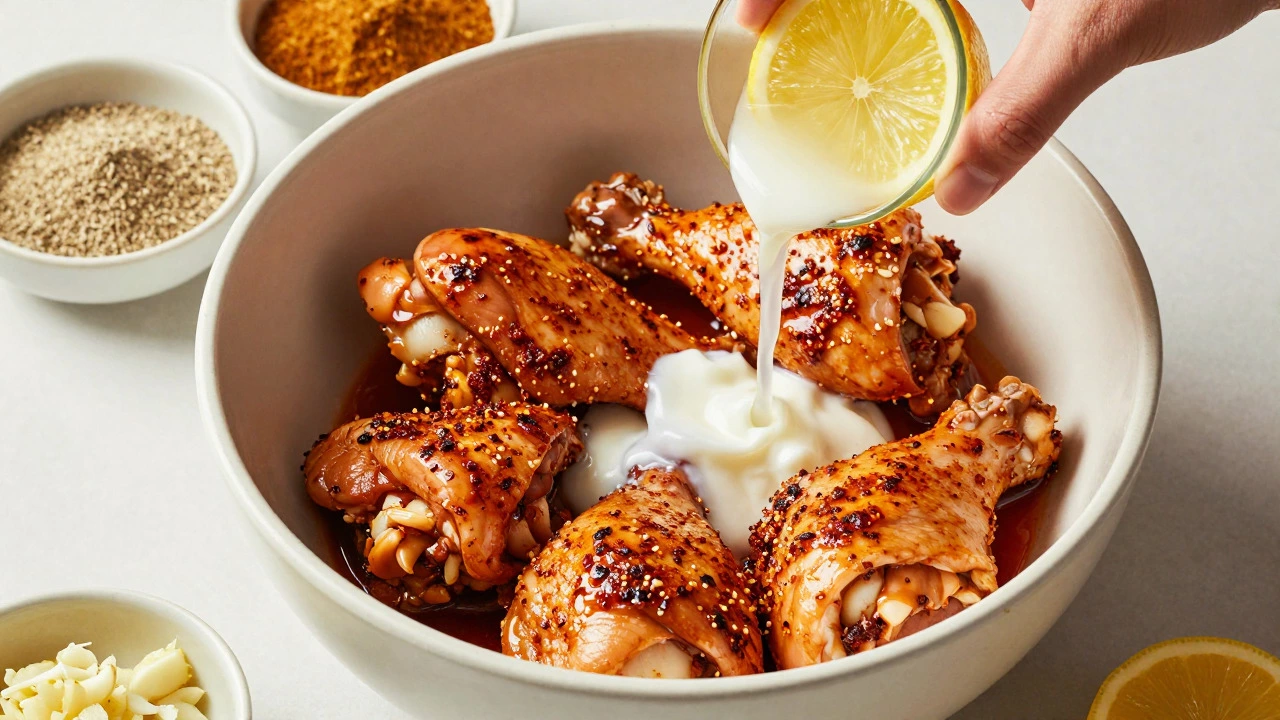
- Thin It Out: Mix your sour cream with a little water, milk, or lemon juice to achieve a consistency similar to thick yogurt. This helps it coat the chicken evenly.
- Add Acid: Since sour cream is less acidic, add an extra tablespoon of lemon juice or vinegar to help break down the proteins. This mimics the tenderizing effect of lactic acid.
- Watch the Heat: Lower your cooking temperature slightly. Because of the higher fat content, sour cream burns easier. Use indirect heat if you are grilling, or keep a close eye on the broiler.
- Marinate Longer: Give the chicken more time in the fridge. Aim for at least 4-6 hours, or ideally overnight, to ensure the flavors penetrate despite the lower acidity.
Comparison: Yogurt vs. Sour Cream for Marinades
| Attribute | Plain Yogurt | Sour Cream |
|---|---|---|
| Fat Content | Low to Medium (3-5%) | High (~20%) |
| Acidity Level | High (Better Tenderizing) | Moderate (Less Tenderizing) |
| Burning Risk | Low | High |
| Flavor Profile | Tangy, Light | Creamy, Rich |
| Best For | Tandoori Chicken, Kebabs | Grilled Chicken, Casseroles |
Alternatives If You Have Neither
What if you have neither yogurt nor sour cream? Don't panic. There are other acidic mediums that can tenderize chicken effectively.
Buttermilk is an excellent substitute. It has a similar acidity profile to yogurt and a thinner consistency that coats well. Many Southern US recipes rely on buttermilk for fried chicken, proving its effectiveness as a tenderizer.
Coconut Milk is another great option, especially if you want a dairy-free alternative. While it lacks the natural acidity of yogurt, you can add lime juice to boost the tenderizing power. Coconut milk also adds a subtle sweetness that pairs beautifully with spicy marinades.
Vinegar or Lemon Juice mixed with oil can work in a pinch. However, be careful not to marinate for too long. Strong acids like vinegar can turn the surface of the chicken mealy if left for more than 2 hours. Dilute them with water or oil to mitigate this risk.

Pro Tips for Perfectly Marinated Chicken
Regardless of which base you choose, follow these tips to ensure your chicken turns out restaurant-quality:
- Use Bone-In, Skin-On Pieces: The bone helps retain moisture, and the skin protects the meat from direct heat. Remove the skin after marinating if you prefer a leaner result, but leave it on during the cooking process for protection.
- Score the Meat: Make shallow cuts in thicker pieces of chicken. This allows the marinade to penetrate deeper and ensures even cooking.
- Room Temperature Before Cooking: Take the chicken out of the fridge 20 minutes before cooking. Cold chicken hits hot pans or ovens too abruptly, leading to uneven cooking and potential sticking.
- Don't Overcrowd the Pan: Whether you are grilling or baking, give each piece of chicken space. Crowding traps steam, which prevents browning and leads to soggy results.
Final Thoughts on Ingredient Swaps
Can you use sour cream instead of yogurt? Absolutely. Will it taste exactly like traditional tandoori chicken? Probably not. But it will still be delicious, tender, and satisfying if you adjust your method accordingly.
Cooking is about adaptation. Sometimes you have the perfect ingredient, and sometimes you have to make do with what's in the fridge. Understanding the science behind these ingredients empowers you to make smart substitutions without compromising quality. Next time you're planning a meal, consider the role each ingredient plays-not just for flavor, but for texture and chemistry.
Can I use Greek yogurt instead of regular yogurt for marinating chicken?
Yes, Greek yogurt is an excellent substitute. In fact, many chefs prefer it because it is thicker and clings better to the meat. Just ensure it is plain and unsweetened. If it is too thick, thin it with a little water or lemon juice.
How long should I marinate chicken in sour cream?
For sour cream, aim for at least 4-6 hours, or preferably overnight. Since sour cream is less acidic than yogurt, it needs more time to tenderize the meat effectively. Avoid marinating for more than 24 hours, as the texture can become mushy.
Does sour cream burn faster than yogurt?
Yes, due to its higher fat content, sour cream is more prone to burning under high heat. If you are grilling or broiling, use indirect heat or lower the temperature slightly to prevent charring before the chicken is cooked through.
Can I use buttermilk as a substitute for yogurt in tandoori chicken?
Yes, buttermilk is a great alternative. It has a similar acidity level to yogurt and works well as a tenderizer. However, it is thinner, so you may need to add a bit of cornstarch or flour to help it cling to the chicken.
Why is yogurt better than vinegar for marinating chicken?
Yogurt contains lactic acid, which is weaker and works more gently than the acetic acid in vinegar. Vinegar can break down proteins too quickly, resulting in a mealy or mushy texture on the surface of the meat. Yogurt tenderizes while keeping the meat juicy and intact.