Indian Diet Eggs: What You Need to Know About Eggs in South Indian Eating Habits
When you think of the Indian diet, a pattern of meals centered around rice, lentils, vegetables, and spices, often shaped by regional traditions and religious practices. Also known as South Indian eating habits, it’s not just about what’s forbidden—it’s about what’s practical, affordable, and nourishing. Among the most misunderstood parts of this diet? eggs, a low-cost, high-protein food that’s eaten daily in many South Indian homes, even where vegetarianism is common. Also known as chicken eggs, they’re a staple in breakfasts, snacks, and even curries across Tamil Nadu, Andhra, and Kerala. But here’s the thing: while many assume India is uniformly vegetarian, millions eat eggs without hesitation. They’re not considered meat in the same way chicken or beef is. In fact, eggs are often grouped with dairy in home kitchens—not because of religion, but because of how they’re used: boiled for breakfast, fried with chili and onions, or mixed into dosa batter for extra protein.
Why does this matter? Because if you’re trying to eat healthy on an Indian diet, skipping eggs means missing out on one of the most efficient sources of complete protein. A single egg has about 6 grams of protein and all nine essential amino acids. Compare that to dal, which is high in fiber but lacks some amino acids. That’s why in places like Coimbatore or Mangalore, you’ll see people eating two or three eggs a day—not as a treat, but as routine. Even in households where meat is avoided, eggs are rarely off-limits. They’re cheap, quick to cook, and keep you full longer than rice or idli alone. And unlike paneer, which needs special preparation, eggs need nothing but a pan and a little oil. The science backs it up: studies on rural South Indian populations show that people who eat eggs regularly have better muscle retention and fewer nutrient gaps than those who don’t.
But there’s still confusion. Some believe eggs raise cholesterol. Others think they’re "unholy" because they come from animals. The truth? The link between dietary cholesterol and blood cholesterol is far weaker than we used to think. And culturally, eggs are rarely tied to religious restrictions the way beef or pork is. In fact, in many Christian and Muslim communities across South India, eggs are a daily part of the diet. Even in Hindu households that avoid meat, eggs often fly under the radar—especially when eaten by laborers, students, or athletes who need energy. The real barrier isn’t belief—it’s marketing. Big brands push dairy and tofu as protein alternatives, while eggs stay quiet, sold in local markets without fanfare.
So if you’re following an Indian diet and want to boost your protein without adding expensive supplements, eggs are the quiet hero. They’re not a luxury. They’re not a cheat. They’re just food—simple, smart, and deeply woven into how people actually eat in the south. Below, you’ll find real posts from people who’ve cracked the code on using eggs in everyday meals—from how to pair them with idli to why they’re better than tofu for some bodies. No fluff. Just what works.
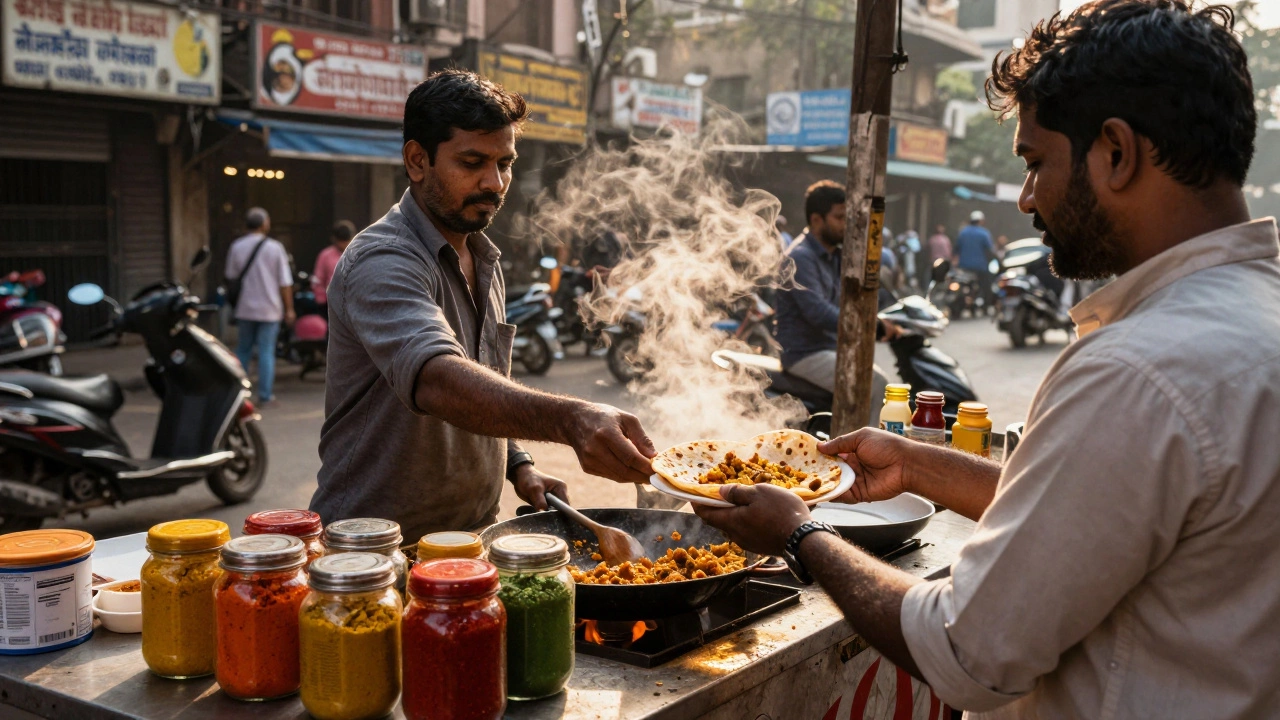
Do They Eat Eggs in India? A Real Look at Eggs in Indian Diets and Recipes
Eggs are widely eaten across India despite common assumptions about vegetarianism. From egg bhurji to egg curry, they're a daily protein source for millions-though consumption varies by region, religion, and personal choice.