Soak Dal: Why Soaking Lentils Matters and How to Get It Right
When you soak dal, the process of letting dried lentils sit in water before cooking to soften them and reduce cooking time. Also known as pre-soaking lentils, it’s not just tradition—it’s science. Skipping this step can mean longer cook times, tougher dal, and even bloating later. Most people think dal is simple: rinse, boil, done. But if your dal still feels gritty or takes forever to cook, you’re missing the first real trick.
Soaking dal, dried split lentils commonly used in Indian cooking like toor, moong, and urad for just 4 to 8 hours does more than soften it. It breaks down phytic acid, a natural compound that blocks mineral absorption. That’s why soaked dal gives you more iron and zinc—not just more mush. It also reduces oligosaccharides, the sugars that cause gas and stomach discomfort. This isn’t guesswork. It’s how grandmothers cooked before instant pots existed, and modern nutrition backs them up.
Not all dal needs the same soak time. urad dal, a creamy, white lentil often used in idli and dosa batter benefits from 8+ hours—it swells up like a sponge and ferments better. toor dal, the yellow lentil used in sambar, needs 3 to 4 hours. And moong dal, the small green lentil often eaten as a light meal, can be soaked for just 2 hours if you’re in a hurry. Hot water speeds it up, but cold water keeps nutrients intact. Drain and rinse well before cooking—don’t use the soaking water. It’s full of the compounds you’re trying to remove.
People ask why we don’t just pressure cook dal longer. Because overcooking destroys texture. You want dal that falls apart gently, not mush that sticks to the pot. Soaking gives you control. It means your dal cooks evenly, absorbs spices better, and holds its shape in curries. And if you’re making batter for idli or dosa? Soaked dal is non-negotiable. Fermentation needs that head start.
There’s no magic here. No secret spice. Just the quiet, reliable power of soaking. It’s the difference between a bland, heavy dal and one that’s light, digestible, and full of flavor. If you’ve ever felt sluggish after eating dal, this might be why. And if you’ve ever wondered why restaurant dal tastes better? They soak theirs. You don’t need fancy tools—just a bowl, water, and a little patience.
Below, you’ll find real recipes and tips from people who cook dal every day—how to fix tough dal, why some skip soaking (and what they lose), and how to use soaked dal in breakfasts, curries, and even snacks. No fluff. Just what works.
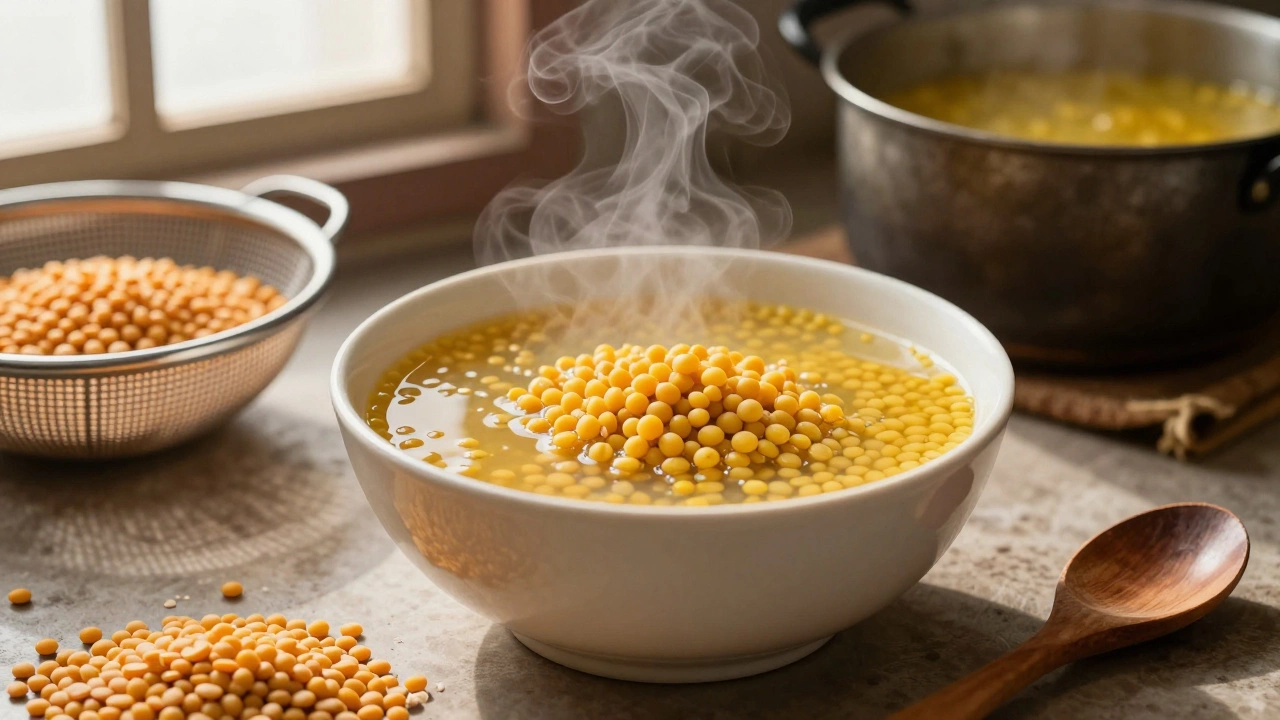
Why Soak Dal Before Cooking: The Simple Trick for Better Digestion and Faster Cooking
Soaking dal before cooking cuts cooking time in half, improves digestion, and makes it taste better. Learn why this simple step makes all the difference in your everyday dal recipes.
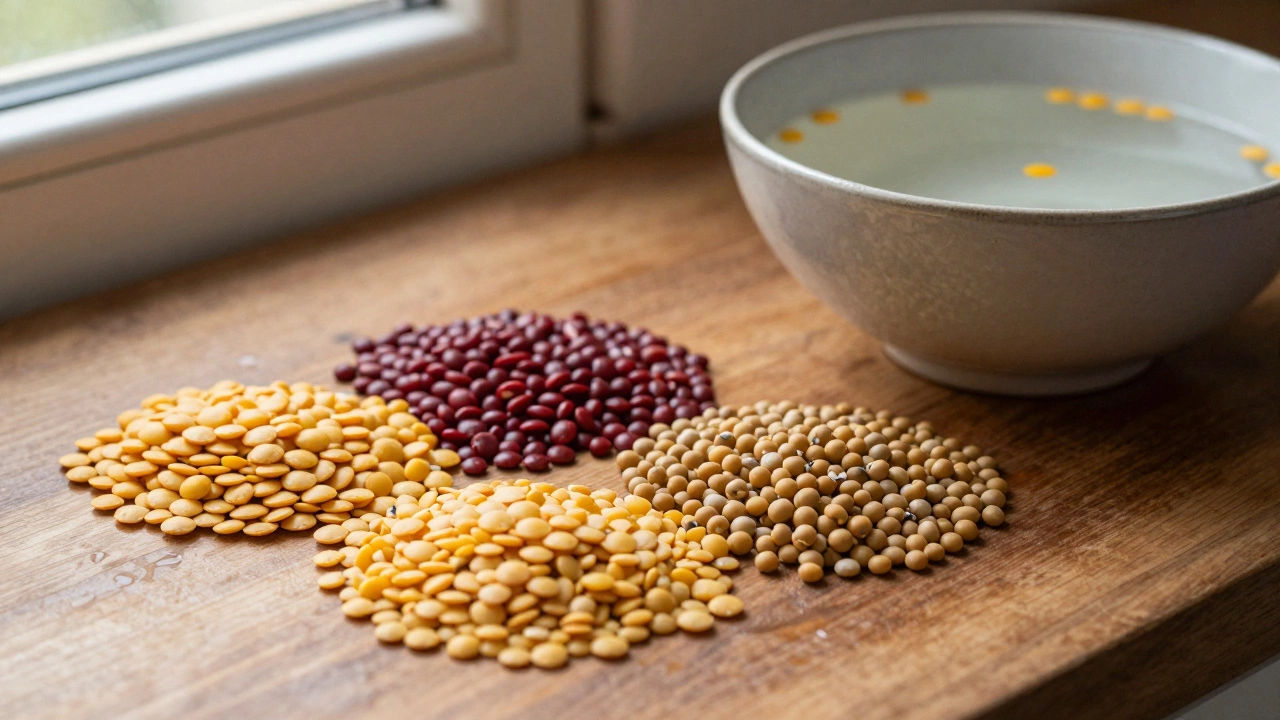
How Long Should I Soak Dal Before Cooking? Expert Guide for Perfect Texture
Soaking dal before cooking improves texture, cuts cooking time, and aids digestion. Learn exactly how long to soak each type of lentil for perfect results every time.