16 Dec 2025
- 0 Comments
Dal Soaking Time Calculator
Results
Ever boiled dal for an hour only to find it still hard? Or felt bloated after eating a bowl of dal that should’ve been easy on the stomach? You’re not alone. Most people skip soaking dal because it seems like an extra step-something your grandma did, but you don’t have time for. But skipping this step isn’t just inconvenient-it’s the reason your dal turns out gritty, takes forever to cook, and sits heavy in your belly.
Soaking dal isn’t optional-it’s essential
Dal isn’t just lentils. It’s a family of dried legumes: toor dal, masoor dal, chana dal, moong dal, urad dal. Each one has a hard outer shell and dense inner structure packed with starch and protein. When you cook them dry, the water can’t penetrate evenly. The outside might get mushy while the inside stays chalky. Soaking softens that shell, letting water in before heat even touches the pot.
Think of it like soaking a dried sponge. You don’t pour boiling water on a dry sponge and expect it to expand right away. You let it sit in water first. Dal works the same way. Soaking for just 30 minutes to 2 hours makes a huge difference. You’ll notice it in texture, cooking time, and how your body handles it.
It cuts cooking time by up to half
If you’ve ever stood over a stove for 90 minutes stirring dal, you know how frustrating it is. Soaked dal cooks in 20 to 30 minutes. Unsoaked? It can take 60 to 90 minutes-even longer if you’re using a regular pot without a pressure cooker.
Why? Because soaking begins the hydration process. The lentils absorb water, swell up, and soften their cell walls. When you start cooking, the heat doesn’t have to break down the outer layer-it just finishes what soaking started. That means less fuel, less time, and less chance of burning the bottom of your pot.
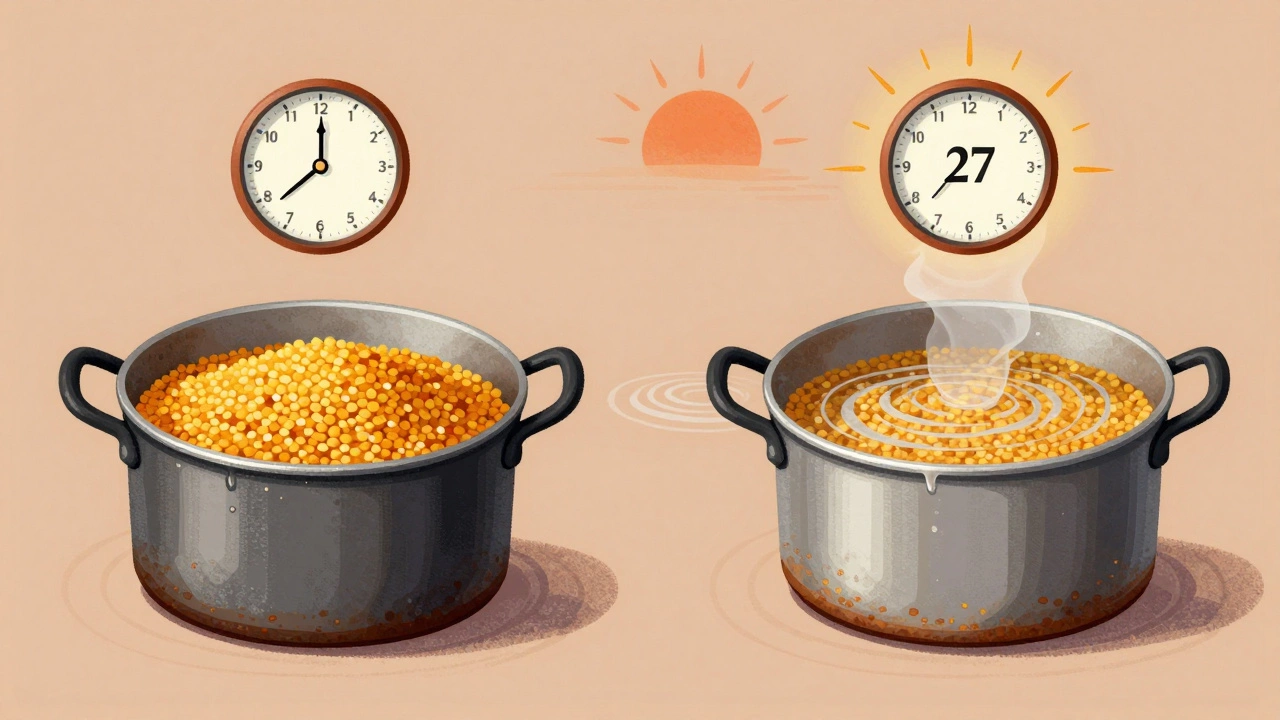
Real-world example: A batch of unsoaked toor dal took 78 minutes to soften in a regular saucepan. The same amount, soaked for 1 hour, softened in 27 minutes. That’s more than an hour saved per cook.
Soaking makes dal easier to digest
One of the biggest reasons people avoid dal is digestive discomfort-bloating, gas, stomach cramps. That’s not because dal is bad for you. It’s because of phytic acid and oligosaccharides.
Phytic acid is a natural compound in legumes that binds to minerals like iron and zinc, making them harder for your body to absorb. Oligosaccharides are complex sugars your gut can’t break down. When they reach your colon, bacteria ferment them, causing gas.
Soaking dal for even 30 minutes reduces phytic acid by 30-50%. Longer soaks-up to 4 hours-can knock it down even more. The water also starts washing away some of those gas-causing sugars. Drain and rinse the soaking water. Don’t cook with it. That’s where the unwanted compounds go.
People who switched from unsoaked to soaked dal often report fewer digestive issues within just a few meals. It’s not magic-it’s chemistry.
Soaked dal tastes better
Texture matters. Unsoaked dal can be uneven: some grains are mushy, others are still crunchy. That’s not satisfying. Soaked dal cooks evenly. Every grain softens at the same rate. You get a creamy, smooth consistency without turning it into paste.
Flavor improves too. When dal is properly hydrated, it absorbs spices and aromatics better. Turmeric, cumin, garlic, ginger-they cling to the lentils instead of floating in the water. That means your dal tastes richer, deeper, and more balanced.
Try this: Make two batches of moong dal. One soaked for 1 hour, one not. Cook them the same way, with the same spices. Taste them side by side. The soaked one will taste more like dal should-nutty, creamy, full-flavored. The unsoaked one will taste watery and underdeveloped.
How to soak dal the right way
It’s simple. Here’s how:
- Measure your dal. Rinse it under cold water until the water runs clear. This removes dust and debris.
- Put it in a bowl and cover with at least 2 inches of water. Use cold or room temperature water. Hot water can start cooking the outside unevenly.
- Let it sit for 30 minutes to 2 hours. For harder dals like chana dal or urad dal, soak for 3-4 hours.
- Drain and rinse again before cooking. Never cook with soaking water.
Pro tip: If you’re short on time, a quick soak works. Boil the dal for 2 minutes, then turn off the heat and let it sit covered for 1 hour. It’s not as effective as a cold soak, but better than nothing.
What if I use a pressure cooker?
Pressure cookers reduce cooking time dramatically, but soaking still helps. Unsoaked dal in a pressure cooker might take 25 minutes. Soaked? 12 to 15 minutes. That’s a big difference if you’re cooking multiple batches or feeding a crowd.
Plus, pressure cooking unsoaked dal can sometimes cause foaming and clogging of the vent. Soaked dal is less likely to foam, making it safer and easier to use.
Myth: Soaking removes nutrients
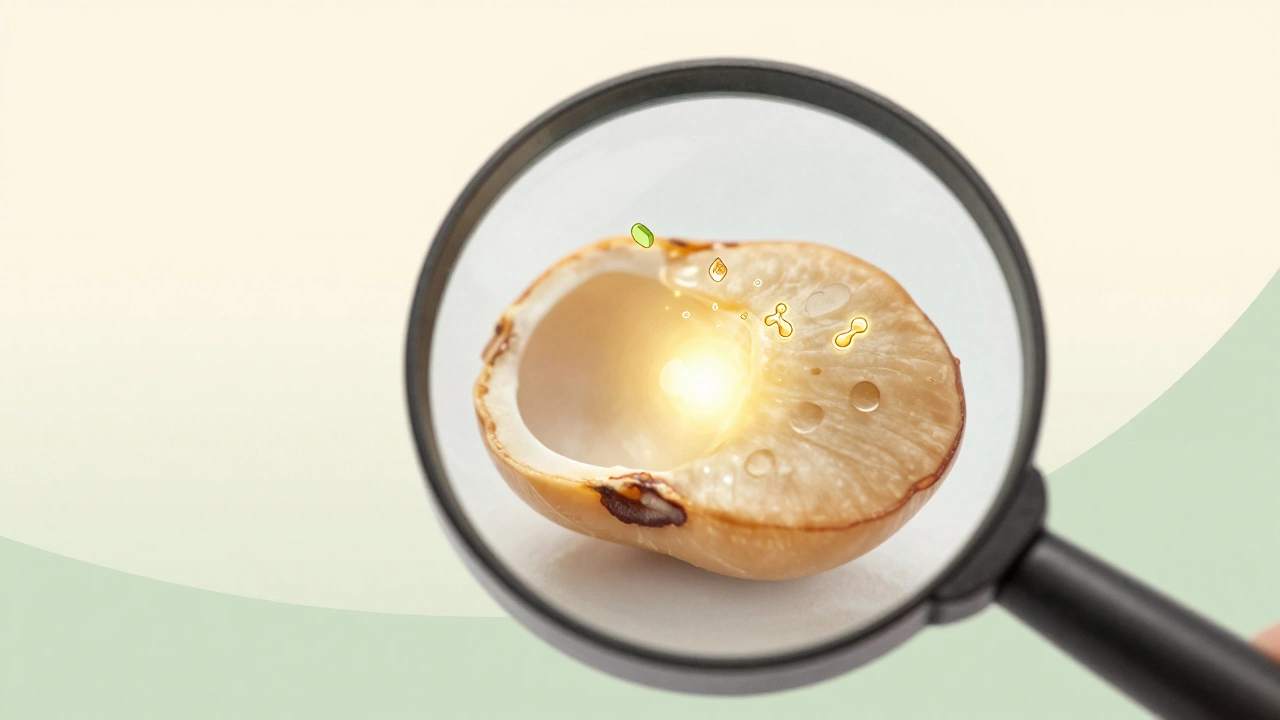
Some people think soaking washes away vitamins and minerals. That’s not true. Water-soluble nutrients like B vitamins do leach slightly, but the trade-off is worth it. Soaking increases the bioavailability of iron, zinc, and magnesium by breaking down phytic acid. You absorb more nutrients from soaked dal than from unsoaked.
Also, soaking doesn’t destroy protein. In fact, it makes it easier for your body to digest and use. The net gain is positive.
When you shouldn’t soak dal
There’s one exception: split red lentils (masoor dal). These are already hulled and split, so they cook quickly anyway. Soaking them won’t hurt, but it’s not necessary. They’ll soften in 15-20 minutes without soaking.
Same goes for instant or pre-cooked dal products. If the package says “ready in 5 minutes,” skip soaking.
For everything else-whole lentils, chickpeas, black gram, pigeon peas-soak it. It’s the difference between good dal and great dal.
What happens if you forget to soak?
You can still cook it. Just add more water, cook longer, and expect uneven texture. If you’re in a hurry, throw it in a pressure cooker and add a pinch of baking soda. One-eighth of a teaspoon helps soften the lentils faster. But don’t make this a habit. Baking soda alters flavor and can destroy thiamine (vitamin B1).
The best solution? Make soaking part of your routine. Keep a jar of dal in your pantry. Every time you use it, rinse and soak it while you prep your veggies or set the table. It takes zero extra effort once it’s a habit.
Dal is one of the most affordable, nutritious foods on the planet. It’s packed with protein, fiber, and minerals. But to get the full benefit, you need to prepare it right. Soaking isn’t a chore-it’s the simplest upgrade you can make to your daily meals.