26 Dec 2025
- 0 Comments
If you’ve ever stood in a busy Indian street corner, surrounded by the smell of frying samosas, sizzling kebabs, and sweet jalebis, you know why street food is legendary. But you’ve also probably heard the warnings: avoid street food in India if you want to stay healthy. The truth isn’t as simple as yes or no. Many travelers get sick-not because the food is inherently dangerous, but because they don’t know what to watch out for.
What Makes Street Food Risky in India?
Street food in India isn’t the problem. It’s the water, the handling, and the storage. Most vendors use tap water to wash vegetables, rinse utensils, or even make ice. In many places, that water isn’t treated to safe standards. Raw vegetables like onions, tomatoes, and cucumbers are often washed in the same water used for cleaning floors or washing clothes. Bacteria like E. coli, Salmonella, and Hepatitis A thrive in these conditions.
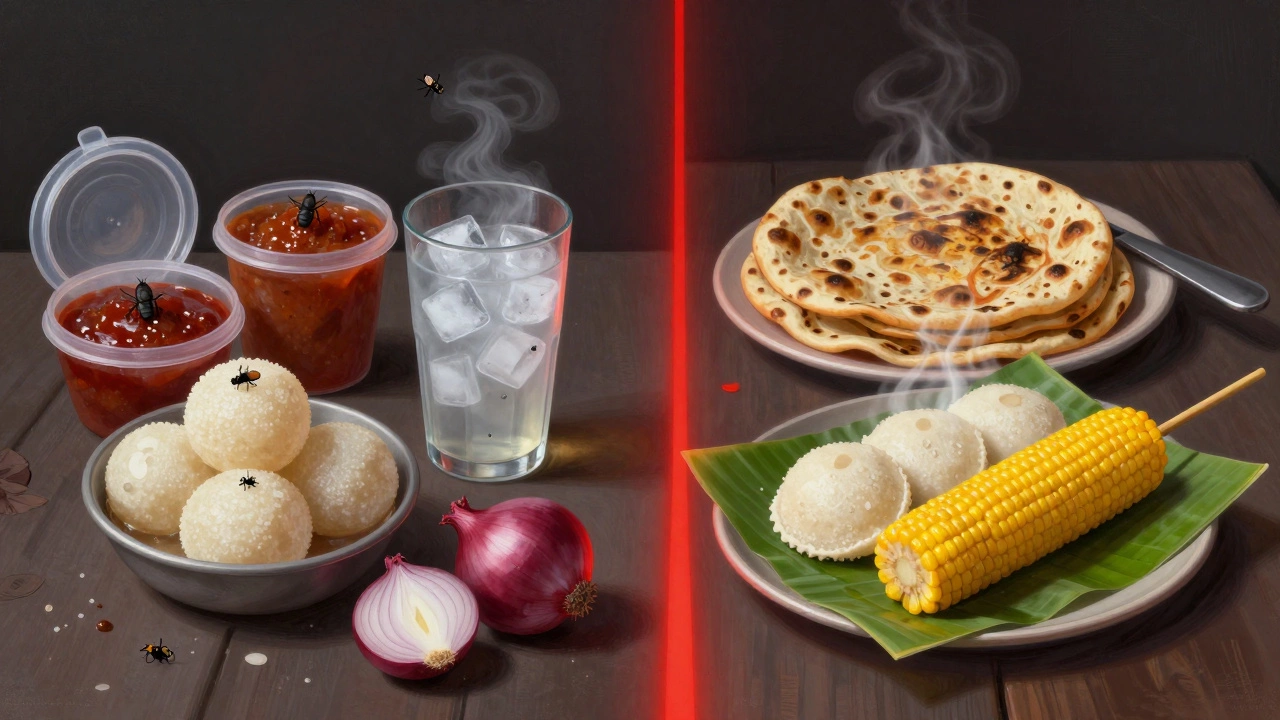
Temperature control is another issue. Hot food stays hot, and that’s good. But if something sits out for hours-like chutneys, pickles, or fried snacks-it becomes a breeding ground for bacteria. Many vendors don’t have refrigeration. Ice in drinks? Often made from the same tap water. And gloves? Rare. Hands are used to handle money, then food, then change coins. Cross-contamination happens constantly.
Foods to Avoid at Street Stalls
- Raw salads and unpeeled fruits-Even if they look fresh, they may have been washed in contaminated water. Skip the cucumber raita, raw onion slices, or apple slices sold on sticks. Stick to fruits you can peel yourself, like bananas or oranges.
- Ice in drinks-If you’re ordering a soda, juice, or lassi, ask for it without ice. Or better yet, choose bottled water with a sealed cap. Don’t trust ice from roadside carts, even if it looks clear.
- Raw or undercooked eggs-Some street vendors make egg-based dishes like egg bhurji or egg rolls. If the egg is runny or the yolk isn’t fully cooked, you’re taking a risk. Salmonella doesn’t care how delicious it tastes.
- Seafood street snacks-Fish fry, prawn kebabs, or crab rolls may sound tempting, but seafood spoils fast. Unless it’s cooked fresh in front of you and served piping hot, avoid it. In humid climates, seafood can turn bad in under an hour.
- Unpasteurized dairy products-Milk-based sweets like rasgulla, rabri, or kheer are delicious, but if they’ve been sitting out for hours without refrigeration, they can harbor harmful bacteria. Stick to freshly made items from busy stalls with high turnover.
- Pre-cut or pre-packaged snacks from unsealed bags-Some vendors sell packaged chips, namkeen, or roasted peanuts that have been sitting open for days. Even if the packaging looks sealed, the contents may have been exposed to dust, flies, or unclean hands.
What Street Food Is Generally Safe?
Not all street food is risky. Many dishes are safe if you know what to look for. The golden rule: hot, fresh, and cooked in front of you.
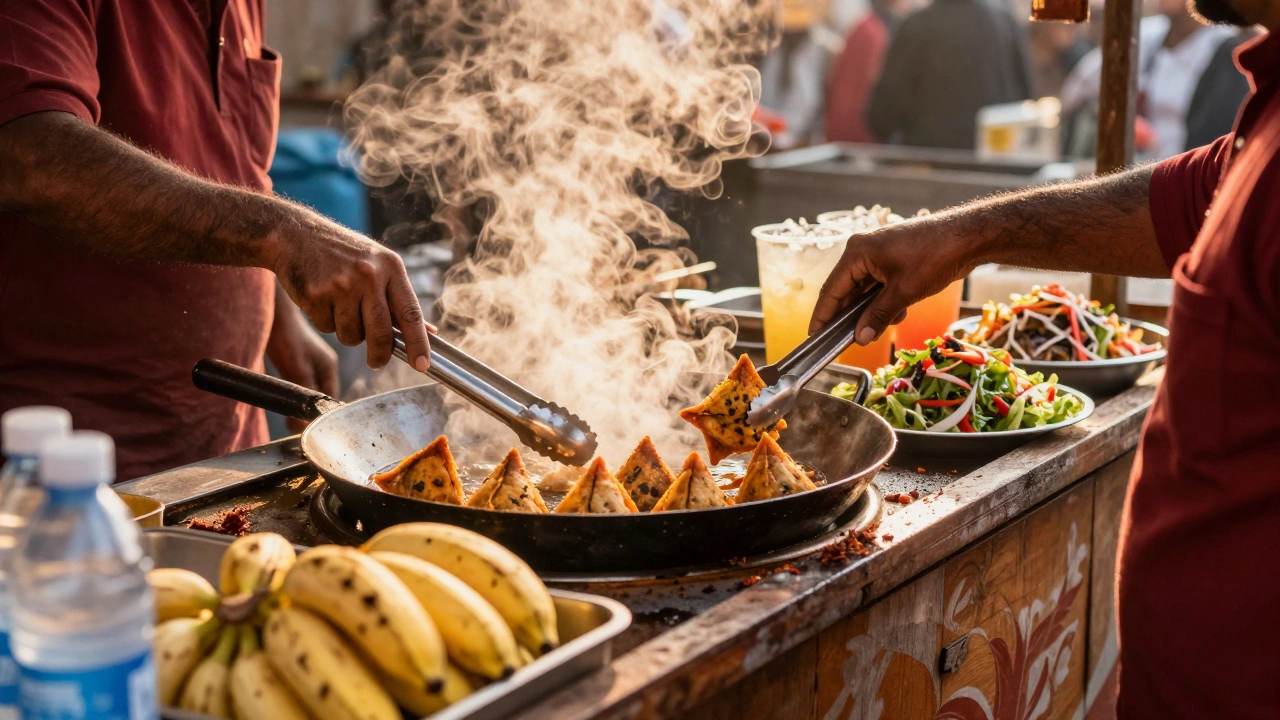
- Hot samosas and pakoras-If they’re fried right before you order and served steaming hot, they’re usually fine. Oil is reused, but high heat kills most bacteria.
- Tandoori roti or naan-Baked in a clay oven at over 400°C, these are safe. The high heat sterilizes the dough.
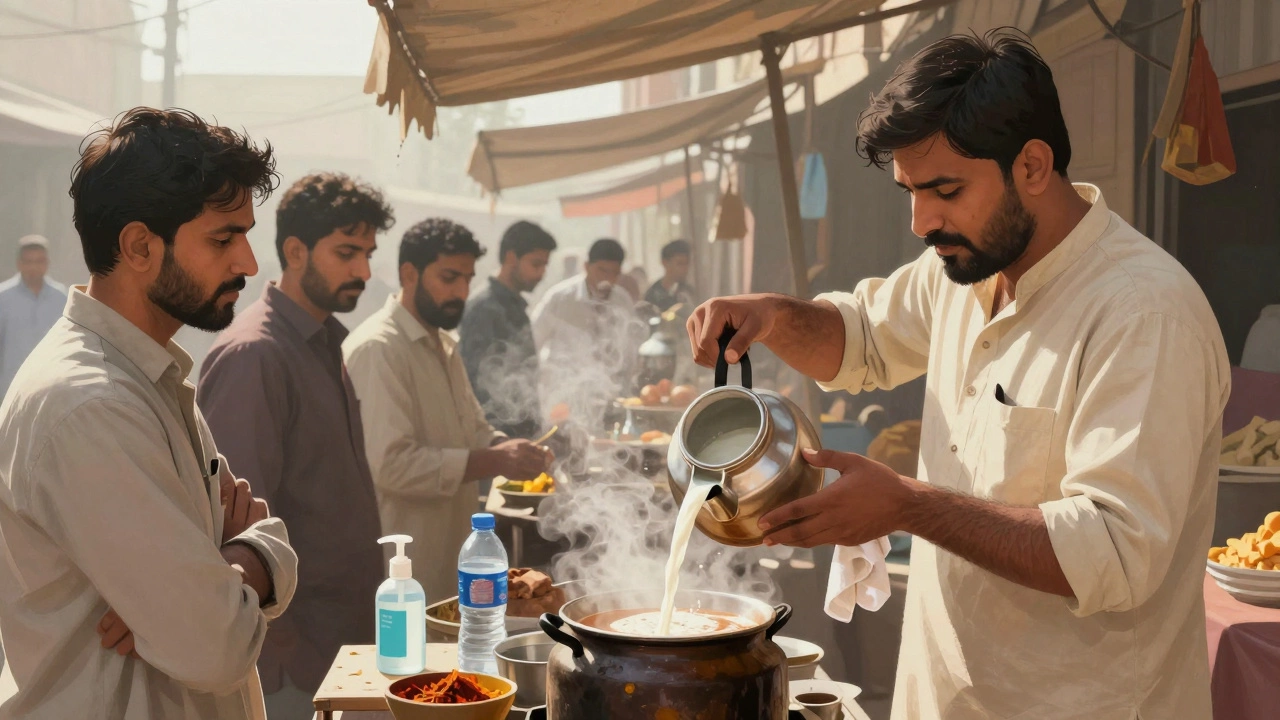
- Chai from a busy stall-Tea is boiled, and boiling kills pathogens. If the vendor uses fresh milk and boils it with the tea, it’s generally safe. Avoid tea served lukewarm or sitting for long periods.
- Steamed idli and dosa-These are fermented and cooked at high heat. If they’re served hot off the griddle, they’re low risk.
- Boiled corn or roasted peanuts-These are cooked in front of you and don’t require water washing. Safe choices.
How to Eat Street Food Without Getting Sick
You don’t have to give up street food to stay healthy. Here’s how to reduce your risk:
- Watch the vendor-If they’re using bare hands to handle money and food, walk away. Look for vendors who use tongs, gloves, or clean cloths.
- Go where locals queue-A long line of locals is the best sign of safety. If hundreds of people eat there daily, the food turnover is high, and the risk is lower.
- Choose busy stalls-Freshness matters. A stall that sells out by 11 a.m. is safer than one that’s still serving food at 4 p.m.
- Carry hand sanitizer-Use it before eating. Even if you don’t touch food with your hands, you might touch your face or utensils.
- Drink only sealed bottled water-Check the cap seal. Avoid tap water, even for brushing teeth. Use bottled water for ice if you must.
- Bring digestive aids-Carry oral rehydration salts and probiotics. If you do get sick, they help you recover faster.
Myths About Street Food in India
There are a lot of myths floating around. Let’s clear a few:
- Myth: Only foreigners get sick from street food. Truth: Locals get sick too, but they’ve built up some immunity over time. That doesn’t mean it’s safe for you.
- Myth: Lemon or lime juice kills bacteria. Truth: Citrus helps with flavor, but it doesn’t sterilize food. Don’t rely on it.
- Myth: Spicy food protects you from germs. Truth: Capsaicin doesn’t kill bacteria. It just makes your mouth burn.
- Myth: You’ll get sick no matter what. Truth: Millions of people eat street food in India every day without illness. It’s about smart choices, not luck.
What to Do If You Get Sick
If you start feeling nauseous, have diarrhea, or feel feverish after eating street food:
- Stay hydrated-Drink bottled water or oral rehydration solution. Dehydration is the real danger.
- Avoid anti-diarrheal pills-They trap bacteria in your system. Let your body flush it out.
- Stick to bland foods-Toast, rice, bananas, and boiled potatoes are easy on the stomach.
- See a doctor if symptoms last more than 48 hours-Or if you have blood in stool, high fever, or severe cramps.
Most cases clear up in 2-3 days. It’s uncomfortable, but rarely serious if managed well.
Final Tip: Trust Your Senses
Use your eyes, nose, and instincts. If something looks greasy, smells off, or sits in the sun for hours, walk away. If the vendor looks tired or unhygienic, don’t risk it. Street food is part of India’s soul-but your health is non-negotiable.
There’s no need to avoid street food entirely. Just be smart. Eat where it’s hot, fresh, and busy. Skip the raw, the cold, and the suspicious. You’ll taste the real flavors of India-and keep your stomach happy too.
Is it safe to eat chaat from street vendors in India?
Chaat can be safe if it’s made fresh and served hot. Avoid chaat with raw onions, tomatoes, or chutneys that have been sitting out. Look for vendors who prepare it in front of you and use clean utensils. Stick to versions with fried puris, boiled potatoes, and fresh yogurt.
Can I drink roadside lassi?
Only if it’s freshly made and served chilled. Lassi made with unpasteurized milk and left unrefrigerated can cause illness. Ask if the milk is boiled first. If it’s sitting on a counter without ice, skip it. Better yet, choose bottled lassi from reputable shops.
Should I avoid Indian sweets from street stalls?
Some sweets are safe, others aren’t. Barfi and jalebi are usually fried in oil and safe if fresh. But sweets like rasgulla, rabri, or kheer that contain milk and sit out for hours carry higher risk. Buy from shops with refrigeration or high turnover. Avoid anything that looks cloudy or smells sour.
Is bottled water always safe in India?
Yes, if the seal is intact. Stick to trusted brands like Bisleri, Aquafina, or Kinley. Avoid loose bottles or refilled containers. Even if the label says "mineral water," check the cap-many fake bottles are sold in tourist areas.
Do Indian locals eat street food without getting sick?
Yes, but they’ve built up immunity over years of exposure. That doesn’t mean the food is safe for newcomers. What’s harmless to them can make you very ill. Don’t assume their tolerance means you’re protected.