18 Aug 2026
- 0 Comments
Chutney Flavor Matcher
Mint Coriander
Wet / FreshTamarind (Imli)
Wet / FreshMango (Preserved)
Dry / JarredCoconut
Wet / South IndianDate & Nut
Dry / NaturalYour Recommendation
Match: --%Choose a food type and flavor preference above to find the best chutney match.
Imagine biting into a dry, savory pork pie and feeling your mouth water instantly. That sharp, sweet-tangy burst isn't from the meat; it's from the chutney is a versatile condiment originating in South Asia that combines fruits, vegetables, spices, and vinegar or sugar to create complex flavor profiles. Also known as Indian relish, it has been a staple in kitchens for centuries. For many people outside India, chutney remains a mystery. Is it a sauce? A jam? A pickle? The answer is: it depends on who you ask and where they are standing. If you are an English speaker encountering this term for the first time, you might be confused because the word carries different weights in different cultures. In this guide, we will untangle what chutney actually is, how it differs from Western relishes, and why it has become a global kitchen essential.
The Core Definition: More Than Just a Sauce
At its heart, chutney is a preservation method turned into a flavor profile. Unlike a simple ketchup or mustard, which usually relies on one primary ingredient (tomatoes or mustard seeds), chutney is a composite dish. It typically involves cooking down fruit or vegetables with aromatic spices like cumin, coriander, turmeric, or chili powder. The result is a thick, spreadable substance that balances sweetness, acidity, and heat.
There are two main families of chutney you need to understand:
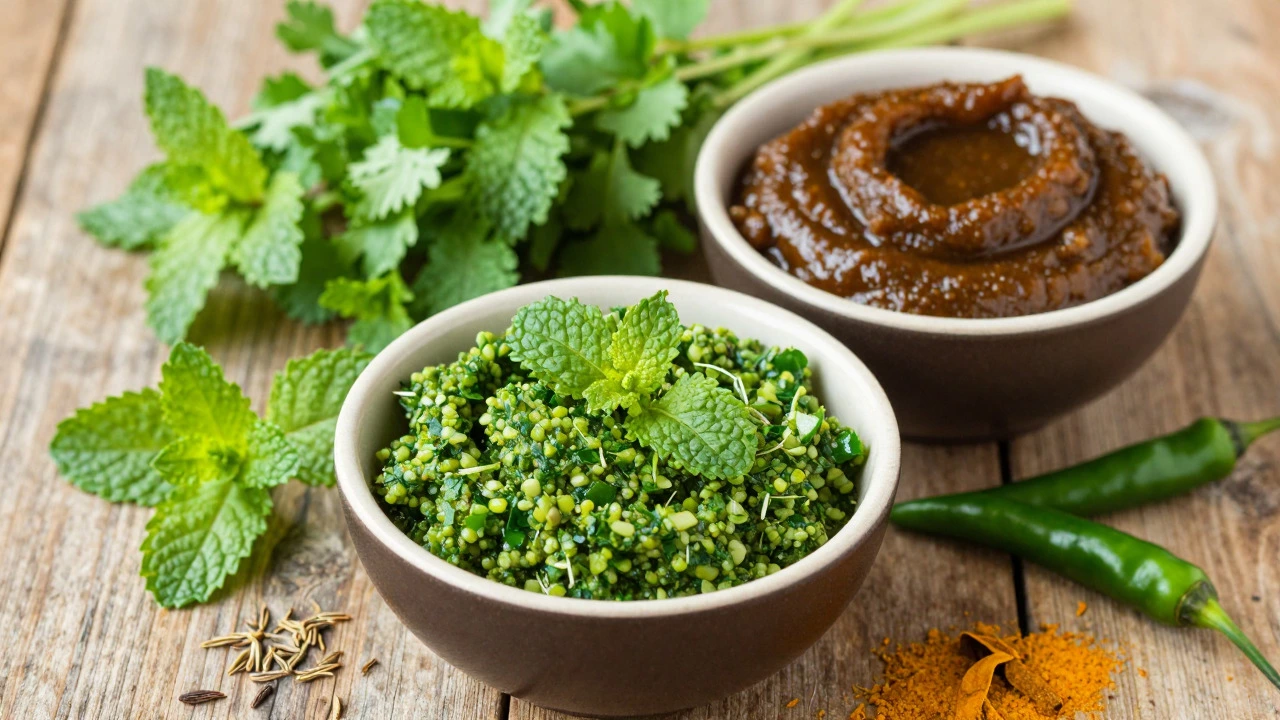
- Wet Chutneys: These are fresh, uncooked blends. Think of the green mint-coriander-chili paste served with samosas or the tamarind-based imli chutney. They are bright, vibrant, and meant to be eaten immediately.
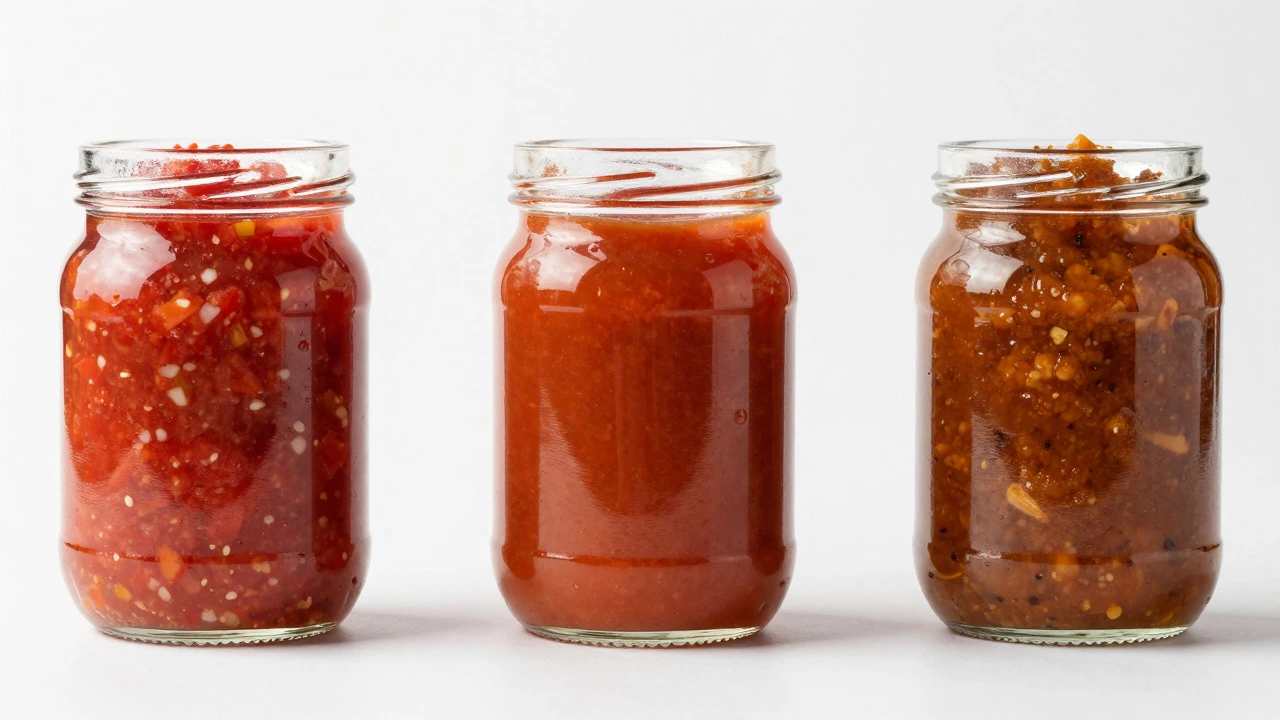
- Dry or Preserved Chutneys: These are cooked with vinegar and sugar, allowing them to last for months. This is the type most commonly found in Western supermarkets, such as mango or apple varieties.
The distinction matters because if someone asks for "chutney" at an Indian restaurant, they likely want the wet, fresh version. If they ask for it at a British deli counter, they probably mean the preserved, jarred kind.
Why the Confusion? The British Connection
To understand what chutney means to an English person, you have to look at history. During the colonial era, British traders brought back recipes from India. However, local tastes differed significantly. While Indians preferred the raw, spicy punch of fresh chutneys, the British palate leaned toward milder, sweeter, and more acidic flavors suitable for cold meats and cheeses.
This led to the creation of specific regional variants. Mango Chutney is a popular preserved condiment made from ripe mangoes, vinegar, sugar, and spices like cinnamon and cloves, widely consumed in the United Kingdom. It became so iconic that in parts of England, particularly the Midlands, "chutney" almost exclusively refers to this sweet-sour mango preparation. It is not viewed as a traditional Indian food but rather as a British culinary invention inspired by Indian techniques.
In contrast, in Australia or the US, the term is broader. Australians, for instance, often use chutney as a general term for any savory or sweet spread, including things that wouldn't strictly qualify as chutney in strict culinary terms. This linguistic drift creates the confusion for newcomers: is it a specific recipe, or a category of food?
Chutney vs. Relish vs. Salsa: Clearing the Terms
One of the biggest hurdles for non-Indians is distinguishing chutney from similar condiments. Let’s break down the differences using concrete examples.
| Feature | Chutney (Indian Origin) | Relish (Western) | Salsa (Mexican/Latin) |
|---|---|---|---|
| Primary Base | Fruit, Veg, or Legumes | Pickled Vegetables | Tomatoes, Peppers, Onions |
| Cooking Method | Raw (Wet) or Slow-Cooked (Dry) | Pickled/Canned | Usually Raw |
| Flavor Profile | Complex, Spiced, Sweet/Sour | Vinegar-forward, Crunchy | Acidic, Fresh, Herby |
| Common Pairings | Curries, Breads, Cheese | Burgers, Hot Dogs, Meat | Tacos, Chips, Burritos |
| Shelf Life | Days (Wet) / Months (Dry) | Months (Canned) | Days (Fresh) |
Notice how chutney sits in the middle. It shares the raw freshness of salsa but the preservative qualities of relish. This hybrid nature is exactly why it has crossed cultural boundaries so easily. You can eat it with a burger (like relish) or dip a chip in it (like salsa).

Types of Chutney You Should Know
If you want to order confidently or cook at home, knowing the major types helps. Here are the most common ones you will encounter globally:
- Mint Coriander Chutney: The king of wet chutneys. Made with fresh mint, cilantro, green chilies, lemon juice, and salt. It is cooling and herbal. Essential for fried snacks like pakoras.
- Tamarind (Imli) Chutney: Dark brown, tangy, and slightly sweet. It provides a sour kick that cuts through rich, oily foods. Often served alongside mint chutney.
- Mango Chutney (Preserved): The British favorite. Thick, sticky, and spiced with cinnamon and star anise. Perfect with cheese boards or roasted meats.
- Coconut Chutney: Common in South India. Made from grated coconut, curd, and tempered spices. It is creamy and mild, often served with dosas or idlis.
- Date Chutney: A natural sweetener alternative. Dates are blended with nuts and spices. Great for those avoiding refined sugar.
Each type serves a specific purpose. Mint cools, tamarind cleanses, and mango adds richness. Understanding these roles helps you choose the right accompaniment for your meal.
How to Use Chutney Like a Pro
Many people make the mistake of treating chutney as just another ketchup. To get the best experience, match the chutney to the food’s intensity.
- With Fried Foods: Use wet, acidic chutneys like mint or tamarind. The acid cuts through the oil, refreshing your palate between bites.
- With Rich Curries: Avoid heavy, sweet chutneys. Stick to light, fresh blends that don’t compete with the spice complexity of the curry.
- With Cheese and Bread: Preserved chutneys like mango or apricot work wonders here. The sweetness complements the saltiness of aged cheeses.
- As a Marinade: Dry chutneys can be thinned with yogurt or oil to create flavorful marinades for chicken or fish. The spices penetrate the meat during cooking.
A pro tip: never store wet chutneys in the fridge for more than three days. The fresh herbs lose their potency quickly. If you make a large batch, freeze portions in ice cube trays for later use.
Common Mistakes to Avoid
Even experienced cooks trip up when dealing with chutneys. Here are the pitfalls to watch out for:
- Over-blending Wet Chutneys: If you blend mint chutney too long, it turns bitter and dark due to oxidation. Pulse it briefly until coarse.
- Using Too Much Sugar in Preserved Chutneys: Sugar preserves, but too much makes it taste like candy. Aim for a balance where the vinegar tang is still prominent.
- Confusing Heat Levels: Indian green chilies (like bird’s eye) are significantly hotter than standard jalapeños. Adjust quantities carefully if substituting.
By avoiding these errors, you ensure your chutney shines rather than overwhelms the dish.
FAQs About Chutney
Is chutney healthy?
Yes, generally. Wet chutneys are packed with vitamins from fresh herbs and vegetables. Preserved chutneys contain more sugar and vinegar, so they should be consumed in moderation. However, both offer probiotic benefits if fermented naturally.
Can I substitute chutney with other condiments?
It depends on the context. For a sweet-sour element, try a mix of cranberry sauce and lime juice. For a fresh, spicy kick, use a quick-pickled onion mixture. However, nothing truly replicates the complex spice blend of authentic chutney.
How long does homemade chutney last?
Wet chutneys last 3-5 days in the refrigerator. Preserved chutneys, if sealed properly in sterilized jars with enough vinegar and sugar, can last 6-12 months. Always check for mold before consuming older batches.
What is the difference between Indian and British chutney?
Indian chutneys are often fresh, spicy, and used as immediate accompaniments to hot meals. British chutneys are typically preserved, sweeter, milder, and used as spreads on cold meats, cheeses, or bread.
Can children eat chutney?
Yes, but start with mild options like date or mango chutney. Wet chutneys with green chilies may be too spicy for young palates. Dilute them with yogurt or serve small amounts to test tolerance.