21 Aug 2026
- 0 Comments
India's Most Ordered Dishes Explorer
Click on any dish card below to see detailed insights about its popularity, regional dominance, and pricing.
Walk into any major Indian city and you will hear the sizzle of tandoors and the clatter of plates. But what actually tops the order slips? If you ask a chef in Mumbai or a waiter in Delhi, they might point to Paneer Butter Masala as the undisputed king of non-vegetarian tables, while Dal Tadka dominates the vegetarian side. However, the reality is more nuanced than a single dish can capture. The "most ordered" title depends heavily on whether you are looking at fine dining restaurants, quick-service chains, or the bustling street stalls that form the backbone of Indian cuisine.
The answer isn't just about one recipe; it's about regional preferences, price points, and the shift toward convenience. In 2026, with the rise of cloud kitchens and delivery apps, the data shows a clear split: high-margin protein dishes lead in urban centers, while staple comfort foods rule in smaller towns and home-style eateries. Let’s break down who really holds the crown and why.
The Top Contenders: Data from the Ground Up
To understand what Indians eat most, we have to look at volume, not just prestige. According to recent industry reports from Zomato and Swiggy, the top five most ordered items across all categories consistently include a mix of curries, breads, and snacks. Here is how the hierarchy looks:
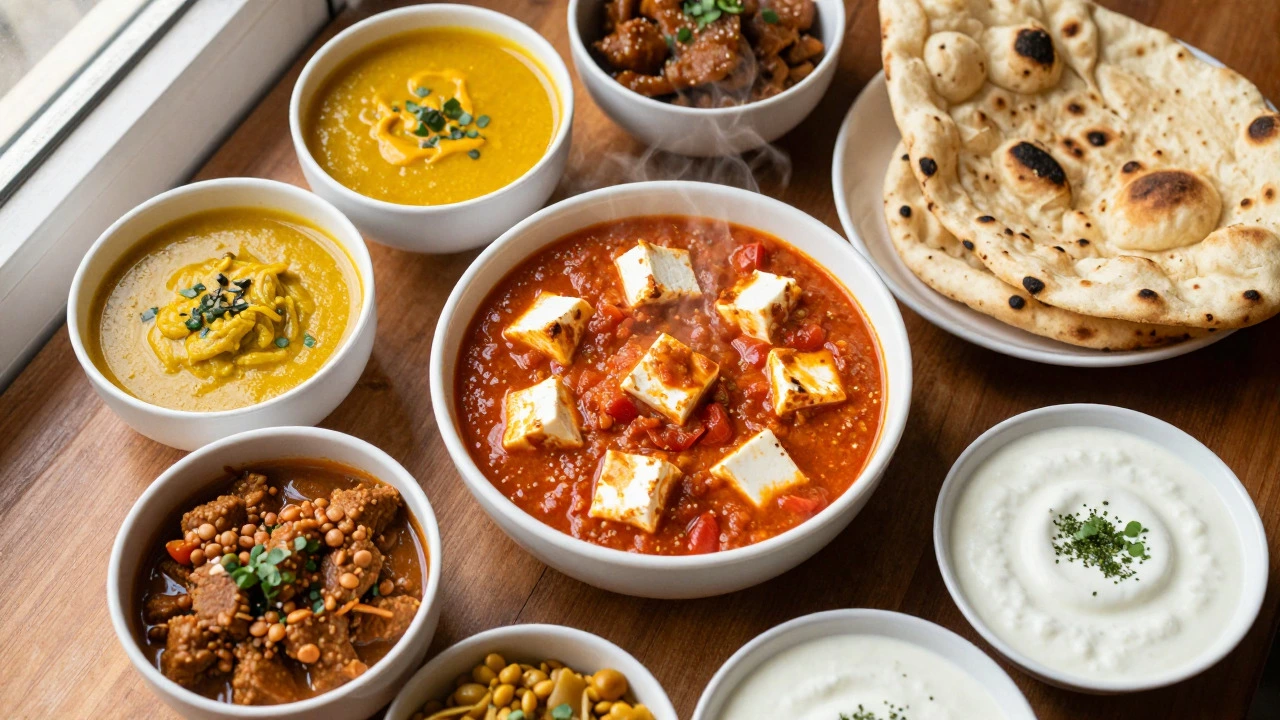
- Paneer Butter Masala: Often cited as the best-selling non-veg adjacent dish (since paneer is vegetarian) in North India. Its creamy texture and mild flavor make it universally appealing.
- Dal Makhani / Dal Tadka: The ultimate comfort food. It appears on almost every menu, from luxury hotels to roadside dhabas. Its low cost and high satisfaction rate keep it at the top for vegetarians.
- Chicken Tikka Masala: The global ambassador of Indian food, but also a domestic favorite. It bridges the gap between traditional taste and modern palates.
- Chole Bhature: A breakfast and lunch powerhouse, especially in Punjab and Delhi. The combination of spicy chickpea curry and fluffy fried bread is hard to beat for value.
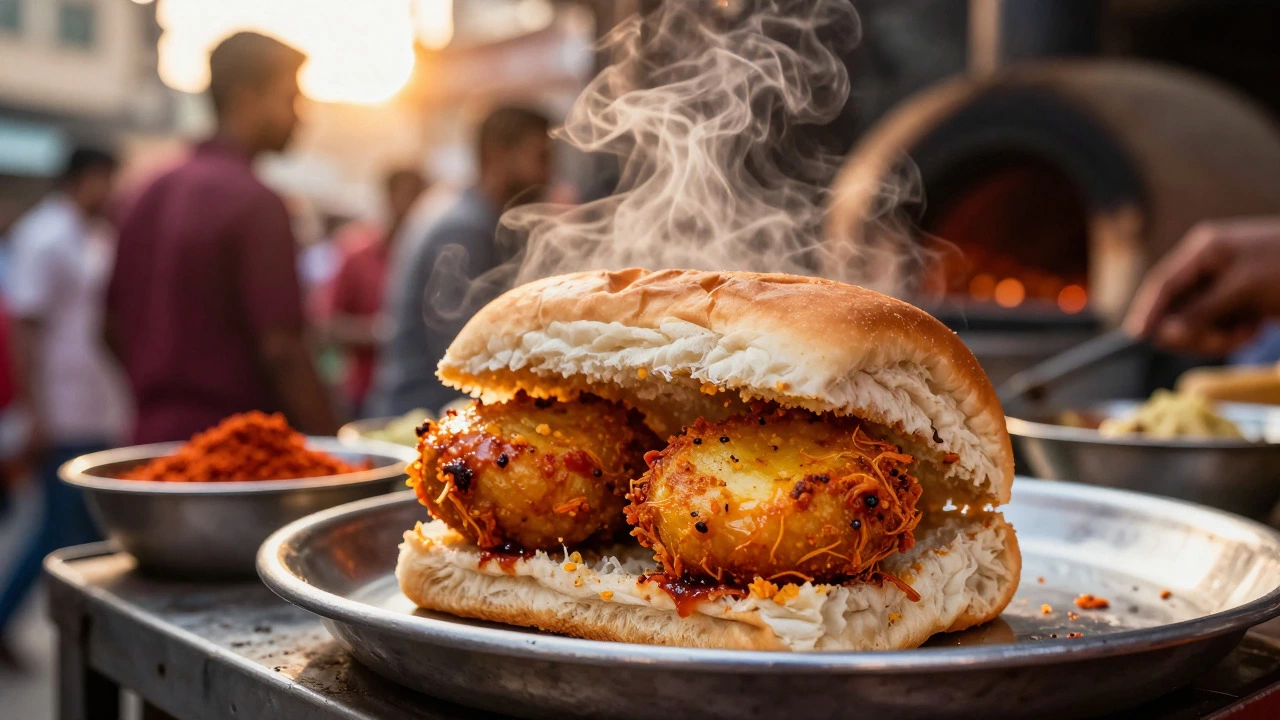
- Vada Pav: In Western India, this potato-filled bun reigns supreme as the most consumed street food, often outselling even samosas in raw numbers.
Notice the pattern? The winners are rarely exotic. They are approachable, affordable, and scalable. A dish like Biryani is a fragrant rice dish cooked with meat or vegetables, spices, and saffron, which is hugely popular, but it is usually an occasion meal rather than a daily order. This distinction is crucial when analyzing "most ordered" metrics.
Vegetarian vs. Non-Vegetarian: The Great Divide
India has the highest percentage of vegetarians in the world, but this doesn't mean veg food outsells non-veg everywhere. In fact, in metropolitan areas like Bangalore and Hyderabad, non-vegetarian orders have surged due to younger demographics and increased disposable income. However, in states like Gujarat and Rajasthan, vegetarian dominance is absolute.
| Dish Name | Category | Primary Region | Avg. Price (INR) | Key Ingredient |
|---|---|---|---|---|
| Paneer Butter Masala | Curry | North India | 250 - 400 | Cottage Cheese |
| Dal Tadka | Legume | All India | 100 - 200 | Lentils |
| Chicken Tikka Masala | Curry | Urban Centers | 300 - 500 | Chicken |
| Vada Pav | Street Food | Maharashtra | 20 - 40 | Potato |
| Idli Sambar | Breakfast | South India | 50 - 100 | Rice & Lentil Batter |
The table above highlights a critical insight: price sensitivity drives volume. Vada Pav is a Maharashtrian street food consisting of a deep-fried round potato dumpling served in a bread roll, costing under 50 rupees. Because it is cheap, fast, and filling, it gets ordered thousands of times a day in Mumbai alone. Compare that to Butter Chicken, which costs significantly more and is thus ordered less frequently per capita, despite being equally delicious.
Regional Variations: One Country, Many Kitchens
Talking about "India's most ordered dish" without specifying the region is like talking about "America's most ordered burger" without distinguishing between New York and Texas. Each zone has its own champion.
In the South, Idli is a steamed cake made from fermented batter of black gram and rice, paired with Sambar. This combination is the default breakfast and dinner starter for millions. It is light, healthy, and requires no heavy cooking, making it perfect for hot climates. Meanwhile, in East India, Mutton Curry and Luchi Chole dominate Bengali and Odia tables. The use of mustard oil and distinct spice blends sets these dishes apart from their northern counterparts.
West India offers a unique twist with Pav Bhaji, a mashed vegetable curry served with buttered bread. It is essentially a street food version of a curry, designed for speed and flavor intensity. If you visit a local joint in Pune or Ahmedabad, you will see queues forming for Pav Bhaji long before noon. This dish proves that simplicity, when executed with the right masalas, can outcompete complex recipes in terms of sheer popularity.
The Impact of Delivery Apps and Cloud Kitchens
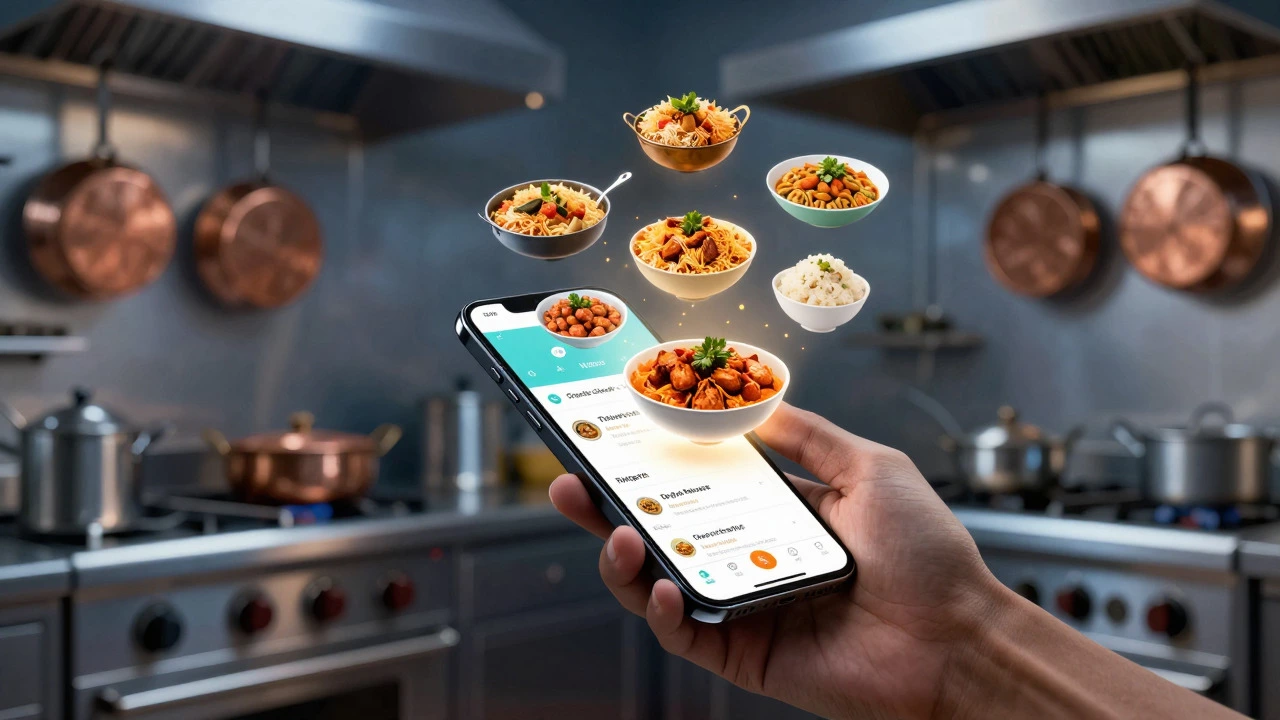
The landscape changed dramatically after 2020. With the explosion of online food delivery, consumer behavior shifted from "what is available nearby" to "what is trending online." Algorithms now push certain dishes based on past orders, ratings, and visual appeal.
This has led to the rise of "menu engineering" where restaurants highlight specific items to boost sales. For example, many cloud kitchens now feature Tandoori Paneer Tikka as a grilled cottage cheese skewer marinated in yogurt and spices as a standalone starter because it photographs well and has a high margin. These digital-first menus have influenced what people consider "popular," sometimes creating artificial demand for dishes that weren't traditionally household staples.
However, core staples remain resilient. No matter how many new fusion dishes appear, Roti and Rice remain the base for over 80% of meals. The most ordered "dish