6 Oct 2026
- 0 Comments
India Vegetarian Travel Guide
Select a region below to explore its vegetarian landscape, primary drivers, and strictness levels based on cultural and agricultural factors.
Gujarat
Very HighReligious (Hindu/Jain)
Rajasthan
HighAgricultural/Historical
Haryana/Punjab
Mod-HighDairy/Agriculture
South India
VariedSatvik/Coastal
Select a region above to view detailed dietary trends and staples.
Gujarat: The Vegetarian Heartland
Why it's popular: Over 60% of the population is vegetarian due to strong influences from Jainism, Vaishnavism, and the principle of Ahimsa (non-violence).
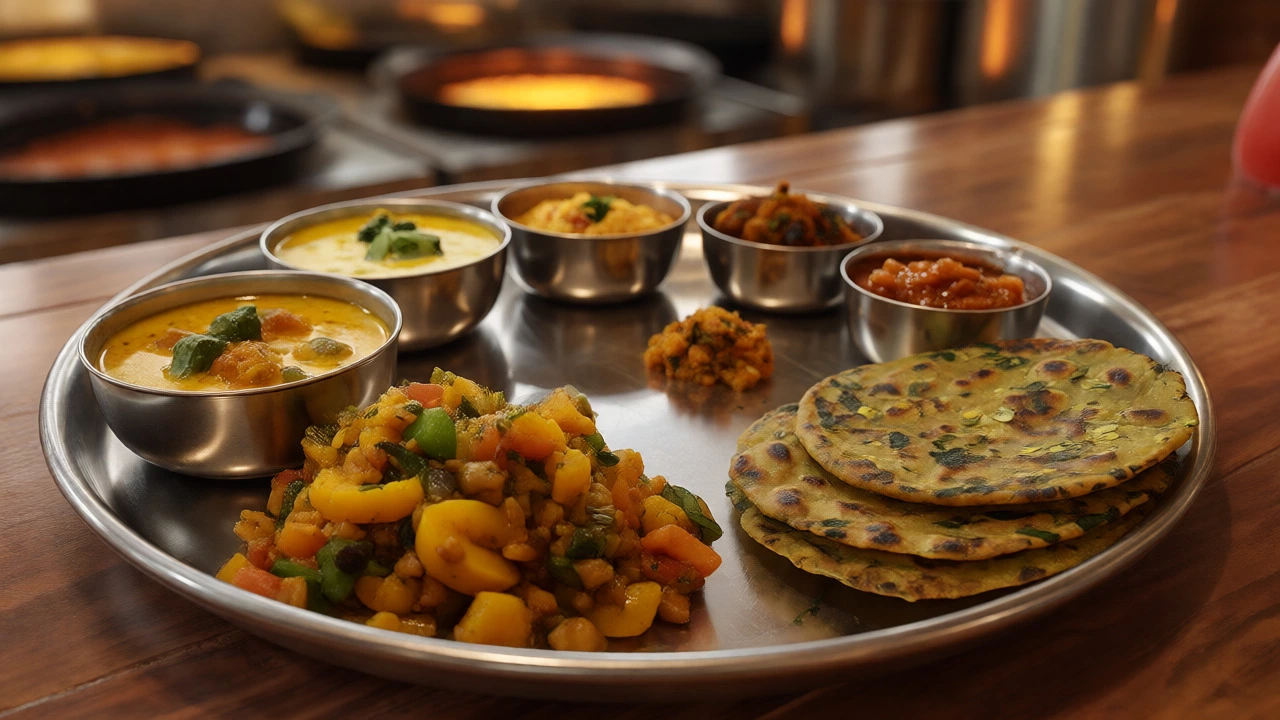
Key Staples: Dal, Khichdi, Thepla, Farsan, Undhiyu.
Travel Tip: Many restaurants are strictly pure-veg with separate kitchen setups. Expect sweet-salty flavor profiles.
Rajasthan: Desert Discipline
Why it's popular: Historically driven by scarce water and grazing lands, leading to reliance on grains and legumes. Royal heritage introduced some meat dishes, but rural areas remain largely veg.
Key Staples: Bajra, Wheat, Gram Flour, Dal Baati Churma, Gatte ki Sabzi.
Travel Tip: Street food like Pyaaz Kachori is widely available and often vegetarian. Be aware of rich ghee usage.
Haryana & Punjab: The Dairy Paradox
Why it's popular: Despite famous meat dishes, high vegetarian rates exist due to abundant dairy production (milk, curd, paneer) providing sufficient protein without meat.
Key Staples: Paneer, Mustard Greens (Sarson ka Saag), Corn (Makki di Roti), Lassi, Ghee.
Travel Tip: Urban centers may have more non-veg options, but rural areas are predominantly vegetarian. Food is rich and indulgent.
South India: Satvik vs. Coastal
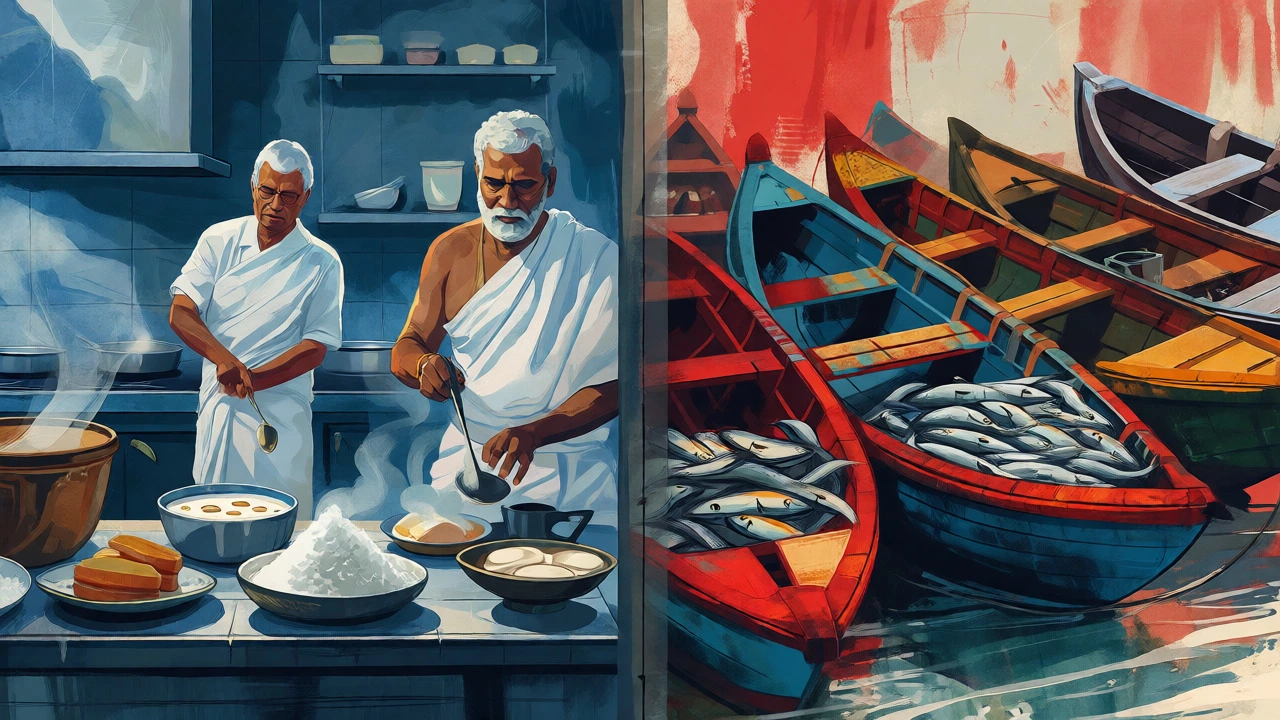
Why it's popular: Tamil Nadu and Karnataka have deep-rooted Brahminical and Jain traditions (often avoiding onion/garlic). Kerala is coastal and fish-heavy, but temple towns are strictly veg.
Key Staples: Rice, Lentils, Tamarind, Dosas, Idlis, Sambar.
Travel Tip: Look for "Satvik" or "Udupi" style restaurants for strict vegetarian options. Avoid coastal areas if you dislike seafood.
You might assume that because India has the world's largest population of vegetarians, you can walk into any restaurant in Mumbai or Delhi and find a meat-free meal without blinking. But geography plays a massive role here. If you land in Kerala on a Tuesday night, you are far more likely to see fish curry on the menu than paneer tikka. If you visit Gujarat during festival season, however, you will struggle to find a single non-veg dish in many households.
So, where exactly is the most vegetarian part of India? The answer isn't just one state; it's a specific cultural belt. While national surveys often cite Gujarat as having the highest percentage of vegetarians, the reality is nuanced. It involves religion, climate, history, and local agriculture. Let’s break down which regions truly lead the way in plant-based eating, why they do it, and what you can expect if you travel there looking for purely vegetarian experiences.
Gujarat: The Undisputed Champion of Vegetarianism
If you have to pick one state with the highest density of vegetarians, Gujarat is usually the top contender. Estimates suggest that over 60% of the population identifies as vegetarian, though some local surveys push this number higher depending on caste and community groups. Why so high? A large portion of the population follows Hindu traditions that emphasize ahimsa (non-violence), but there is also a strong influence from Jainism and Vaishnavism.
In cities like Ahmedabad, Surat, and Rajkot, entire neighborhoods operate almost exclusively on vegetarian diets. You will notice something different when you walk into a restaurant here: the kitchen setup. Many places have separate cooking areas for veg and non-veg, or they are strictly pure-veg establishments. This isn't just a marketing gimmick; it’s a religious and cultural requirement for many residents.
The food itself reflects this abundance. Gujarati thalis are legendary for their variety. You aren't just getting dal and rice. You get sweet, salty, sour, bitter, and spicy flavors all on one plate. Think of dishes like Undhiyu, a mixed vegetable casserole cooked underground traditionally, or Thepla, thin spiced flatbreads made from fenugreek leaves. These aren't "alternative" meals; they are the main course for millions.
Rajasthan: Desert Survival Meets Spiritual Discipline
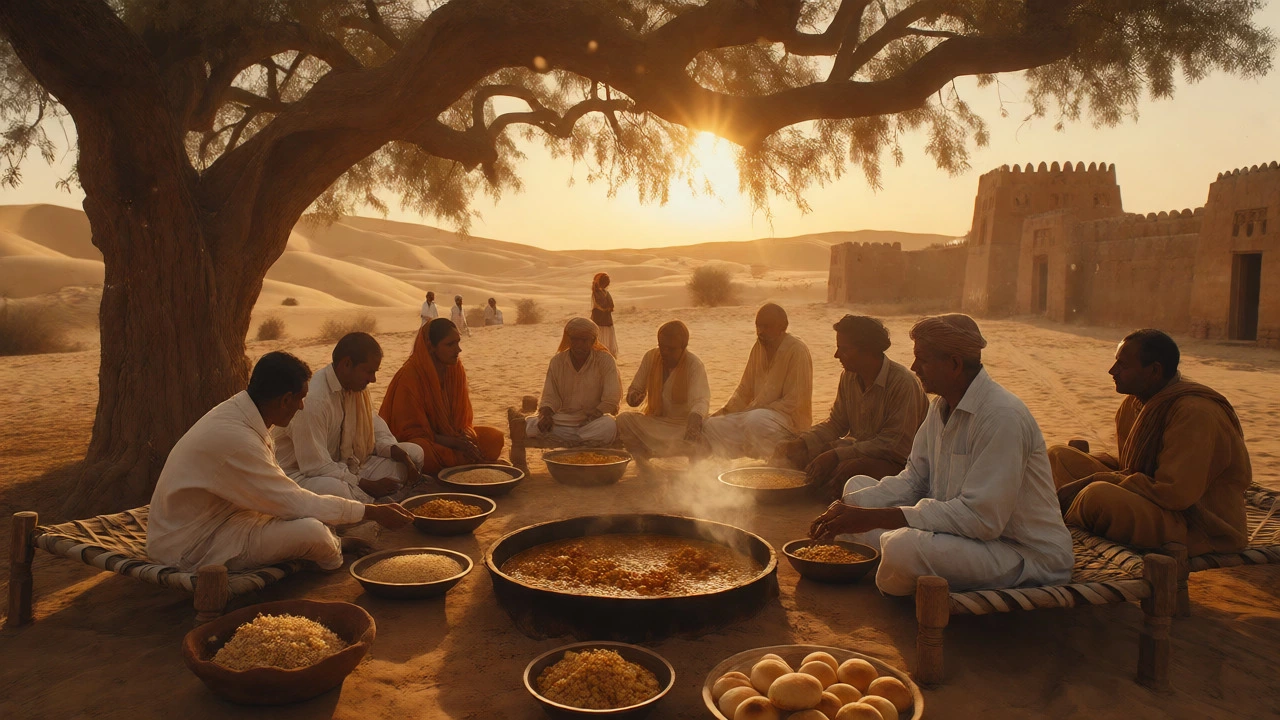
Right next door to Gujarat lies Rajasthan, another heavyweight in the vegetarian arena. Here, the reasons are slightly different. Historically, the harsh desert environment made animal husbandry difficult for common people. Water was scarce, and grazing lands were limited. So, communities relied heavily on grains, legumes, and dried vegetables.
Today, while Rajasthan is famous for its rich, ghee-laden curries, a significant majority still sticks to a vegetarian diet. Dishes like Dal Baati Churma-hard wheat rolls baked in a tandoor, served with lentils and sweetened crushed wheat-are iconic staples. Another favorite is Gatte ki Sabzi, gram flour dumplings in a yogurt-based gravy.
It is important to note that while Rajasthan is highly vegetarian, it is not uniformly so. The royal heritage introduced meat dishes like Laal Maas (red mutton curry) to the region. However, in rural areas and among traditional families, the vegetarian tradition remains unbroken. If you are traveling through Jodhpur or Bikaner, you will find that vegetarian options dominate the street food scene too, with snacks like Pyaaz Kachori being ubiquitous.
Haryana and Punjab: The Paradox of the North
This might surprise you. We often associate Punjab with butter chicken and Haryana with hearty, meat-heavy meals. Yet, statistical data consistently places these northern states in the top tier for vegetarian populations. How does that work?
The key lies in the agricultural backbone. Both states are the breadbasket of India, producing massive amounts of wheat and dairy. For many farming communities, milk, curd, paneer, and fresh greens are daily staples that provide enough protein and fat to make meat unnecessary. In Haryana, particularly in rural pockets, the vegetarian rate is surprisingly high.
However, there is a visible divide. Urban Punjabi culture, especially in Chandigarh or Amritsar, embraces meat enthusiastically. But drive out to the villages, and you will see tables laden with sarson ka saag (mustard greens) and makki di roti (corn flatbread). The reliance on dairy products like lassi and ghee creates a satisfying vegetarian profile that feels rich and indulgent, not restrictive.
South India: A Different Kind of Vegetarian Hub
When people think of vegetarian India, they often overlook the south. States like Tamil Nadu, Karnataka, Andhra Pradesh, and Kerala have deep-rooted vegetarian traditions, driven largely by Brahminical Hindu practices and Jain influences.
Tamil Nadu, for instance, has a massive population of strict vegetarians who avoid onions and garlic (satvik diet). This is evident in temples across the state, where prasadam (food offering) is strictly vegetarian. In cities like Chennai and Madurai, you can find restaurants that serve only satvik food, catering to priests and devout followers.
Karnataka, particularly the Udupi region, gave the world the concept of the modern vegetarian restaurant chain. Udupi hotels, originally started to feed pilgrims visiting the Krishna Temple, spread across India and even globally. Their focus on dosas, idlis, and sambar set the standard for South Indian vegetarian cuisine. While coastal Kerala is famous for seafood, inland areas and temple towns remain firmly vegetarian.
| Region | Primary Driver | Common Staples | Strictness Level |
|---|---|---|---|
| Gujarat | Religious (Hindu/Jain) | Dal, Khichdi, Thepla, Farsan | Very High |
| Rajasthan | Agricultural/Historical | Bajra, Wheat, Gram Flour | High |
| Haryana/Punjab | Dairy/Agriculture | Paneer, Mustard Greens, Corn | Moderate-High |
| Tamil Nadu | Satvik Traditions | Rice, Lentils, Tamarind | High (in Temple Towns) |
| Kerala | Coastal Influence | Fish (Non-Veg dominant) | Low-Moderate |
The Role of Religion and Caste
You cannot talk about vegetarianism in India without mentioning religion and caste. These two factors are deeply intertwined. Hindus who follow Vaishnavism (worship of Vishnu/Krishna) are typically vegetarian. Jains are strictly vegetarian and often avoid root vegetables like potatoes, onions, and carrots because pulling them up kills microorganisms. Sikhs, historically, have varied dietary habits, but many adherents of the Akhand Kirtani Jatha sect are lacto-vegetarian.
Caste also plays a role. In many parts of India, upper-caste communities have historically maintained stricter vegetarian diets compared to lower-caste or tribal communities, who may consume meat, fish, or eggs. However, this line is blurring in urban centers. Today, health consciousness is becoming a bigger driver than caste alone. Young Indians in metros like Bangalore and Hyderabad are adopting vegetarianism for environmental and ethical reasons, not just religious ones.
Where Meat Still Rules the Roost
To understand where India is most vegetarian, you also need to know where it isn't. The Northeastern states-like Nagaland, Mizoram, and Meghalaya-have very low rates of vegetarianism. Tribal cultures here have long histories of hunting and fishing, and pork is a staple. Similarly, coastal states like Goa and West Bengal have strong culinary traditions centered around fish and prawns. In Goa, pork vindaloo is as iconic as the beach. In Bengal, fish curry with rice is practically a national identity.
If you are a strict vegetarian planning a trip, these regions require more planning. You won't find the same density of pure-veg restaurants as you would in Ahmedabad or Jaipur. You might need to rely on hotel kitchens or ask specifically for no-meat preparations.
Practical Tips for Vegetarian Travelers in India
Knowing the map helps, but knowing how to navigate menus is crucial. Here is how to ensure you eat well regardless of your location:
- Look for the Green Dot: In India, packaged foods and restaurant menus use color codes. A green dot inside a square indicates a vegetarian product. A brown or red dot indicates non-vegetarian. Always check this label.
- Ask About Eggs: Technically, eggs are non-vegetarian in India. Many "pure veg" restaurants exclude them, but some casual eateries include them. If you don't eat eggs, explicitly say "no egg" when ordering.
- Learn Key Words: Knowing terms like "shakahari" (vegetarian) or "niramish" (without onion/garlic/meat) can save you from awkward misunderstandings.
- Trust the Thali: When in doubt, order a thali. It allows you to sample multiple small portions, reducing the risk of accidentally consuming a hidden ingredient in a large curry.
Is the Trend Changing?
Interestingly, the lines are shifting. With the rise of veganism and flexitarianism, younger generations in non-traditional vegetarian hubs are experimenting more. Simultaneously, in traditional hubs like Gujarat, there is a slight uptick in young people trying meat due to globalization and changing social norms. However, the core demographic remains steadfastly vegetarian.
For now, if you want the quintessential vegetarian experience, head west. Gujarat and Rajasthan offer the deepest immersion into a culture where plants are not just side dishes-they are the stars of the show.
Which city in India has the most vegetarians?
While exact census data varies, cities in Gujarat like Ahmedabad and Surat, along with Jaipur in Rajasthan, are widely considered to have the highest concentrations of vegetarians. These cities have a high density of pure-vegetarian restaurants and households.
Do all Hindus in India eat vegetarian food?
No. Hinduism does not mandate vegetarianism for all followers. Dietary habits depend heavily on regional culture, caste, and personal belief. While many Hindus are vegetarian, others consume chicken, mutton, or fish regularly.
Is Jain food strictly vegetarian?
Yes, Jain food is strictly vegetarian and often excludes root vegetables like onions, garlic, potatoes, and carrots. This is based on the principle of ahimsa (non-violence), as harvesting root vegetables disturbs soil organisms.
Why is South India less vegetarian than Gujarat?
South India, particularly coastal areas like Kerala and Goa, has easy access to the sea, making fish a primary protein source. Additionally, historical trade routes and local customs influenced a diet that includes more seafood and meat compared to the inland, agrarian societies of Gujarat.
Can I find vegan food easily in vegetarian parts of India?
Not always easily. Traditional Indian vegetarian food relies heavily on dairy products like ghee, paneer, curd, and milk. Vegan travelers need to communicate clearly to request food without dairy or oil-fried items, as even 'veg' food often contains ghee.