21 Apr 2026
- 0 Comments
Indian Dinner Meal Planner
Your Evening Profile
Recommended Meal
High Digestibility✅ Recommended Pairings:
⚠️ Avoid Tonight:
Select your activity level and priority to see a tailored dinner recommendation based on the article guidelines.
Quick Guide to Your Nightly Plate
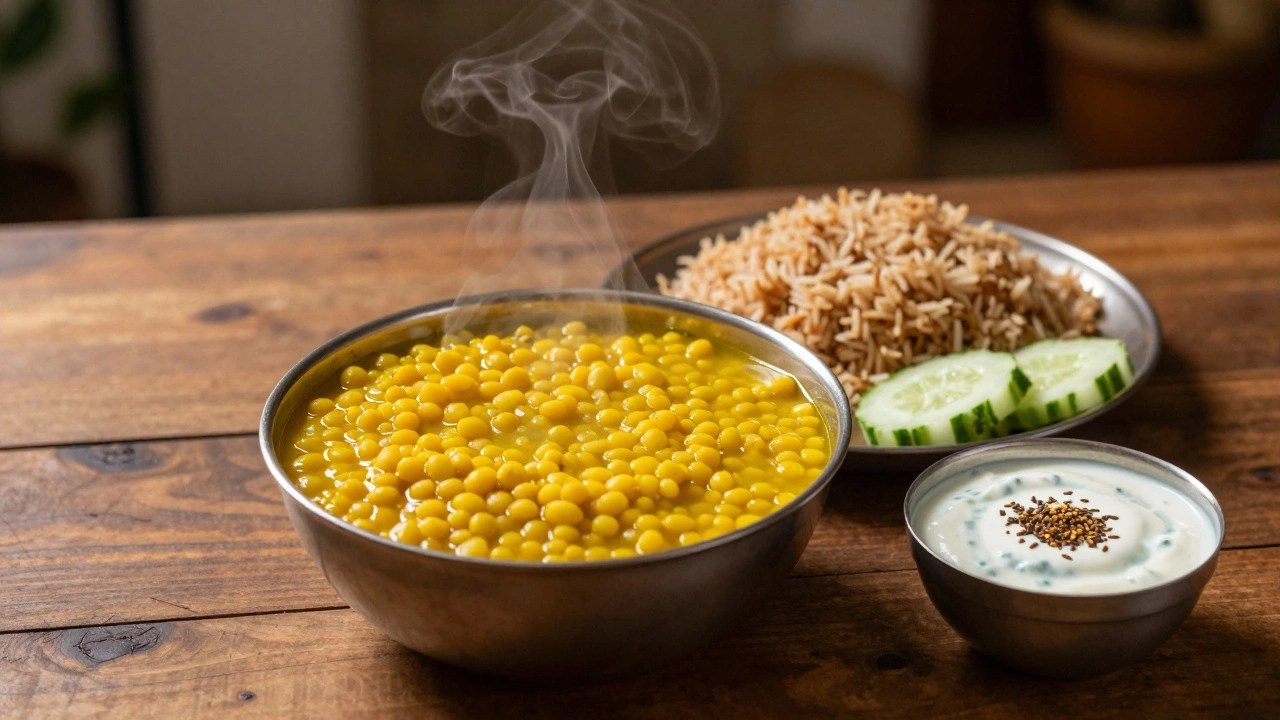
- For Light Digestion: Go for Moong Dal and steamed rice.
- For High Protein: Paneer or Tofu-based curries with multigrain roti.
- For Comfort: Khichdi with a side of yogurt.
- For Weight Management: Vegetable soups and sautéed greens.
The Golden Rule of Nightly Nutrition
Why do some people feel bloated after a curry while others sleep like babies? It usually comes down to the fat content and the type of carbohydrates. When you're picking vegetarian indian dishes for dinner, prioritize "easy-to-digest" proteins. For instance, Moong Dal (split yellow mung beans) is far easier on the gut than heavy kidney beans or chickpeas, which are better suited for lunch. Think about your "carb window." Eating a mountain of white rice at 10 PM can lead to a blood sugar spike that disrupts sleep. Instead, try swapping white rice for Brown Rice or Quinoa. If you love bread, a thin, handmade Phulka (a puffed-up whole wheat roti without oil) is the way to go. It provides the necessary fiber without the heaviness of a buttery Naan.Light and Healing One-Pot Meals
If you're too tired to cook multiple dishes, one-pot meals are your best friend. They save time on cleaning and usually combine all the essential nutrients in one go. Khichdi is a comforting porridge made of rice and lentils, often seasoned with turmeric and ginger. It's the ultimate "recovery food" in India. When you're feeling under the weather or just want something gentle, a bowl of Khichdi with a teaspoon of Ghee is perfect. The ghee helps in absorbing the nutrients and lubricates the digestive tract. Another great option is the vegetable Pulao. Unlike a heavy Biryani, a Pulao uses less oil and focuses more on the natural flavors of carrots, peas, and beans. To make it even healthier, use Basmati Rice, which has a lower glycemic index compared to shorter grain varieties, meaning it won't make you feel as sluggish the next morning.| Ingredient | Digestibility | Best Time to Eat | Pro Tip |
|---|---|---|---|
| Moong Dal | Very High | Dinner | Add ginger to reduce gas |
| Rajma (Kidney Beans) | Medium-Low | Lunch | Soak for 12+ hours first |
| Paneer | Medium | Early Dinner | Use grilled over fried |
| Spinach (Palak) | High | Dinner | Pair with lemon for iron absorption |
Protein-Packed Main Courses
Many vegetarians worry about getting enough protein at dinner without relying on heavy creams. The trick is to use Paneer (Indian cottage cheese) or Tofu in a light gravy rather than a rich "Butter Masala" style. Palak Paneer is a fantastic choice. You get the iron and vitamins from the spinach and the protein from the cheese. Instead of using heavy cream to thicken the sauce, try blending a small portion of the cooked spinach or adding a tablespoon of cashew paste. This keeps the meal creamy but avoids the saturated fat overload that often leads to late-night indigestion. If you're looking for something even lighter, try a dry sautéed vegetable dish, known as Sabzi. A mix of cauliflower and peas (Aloo Gobi Matar) provides a great balance of fiber and complex carbs. The key here is to use a tempering of mustard seeds and curry leaves, which aren't just for flavor-they actually help stimulate digestive enzymes.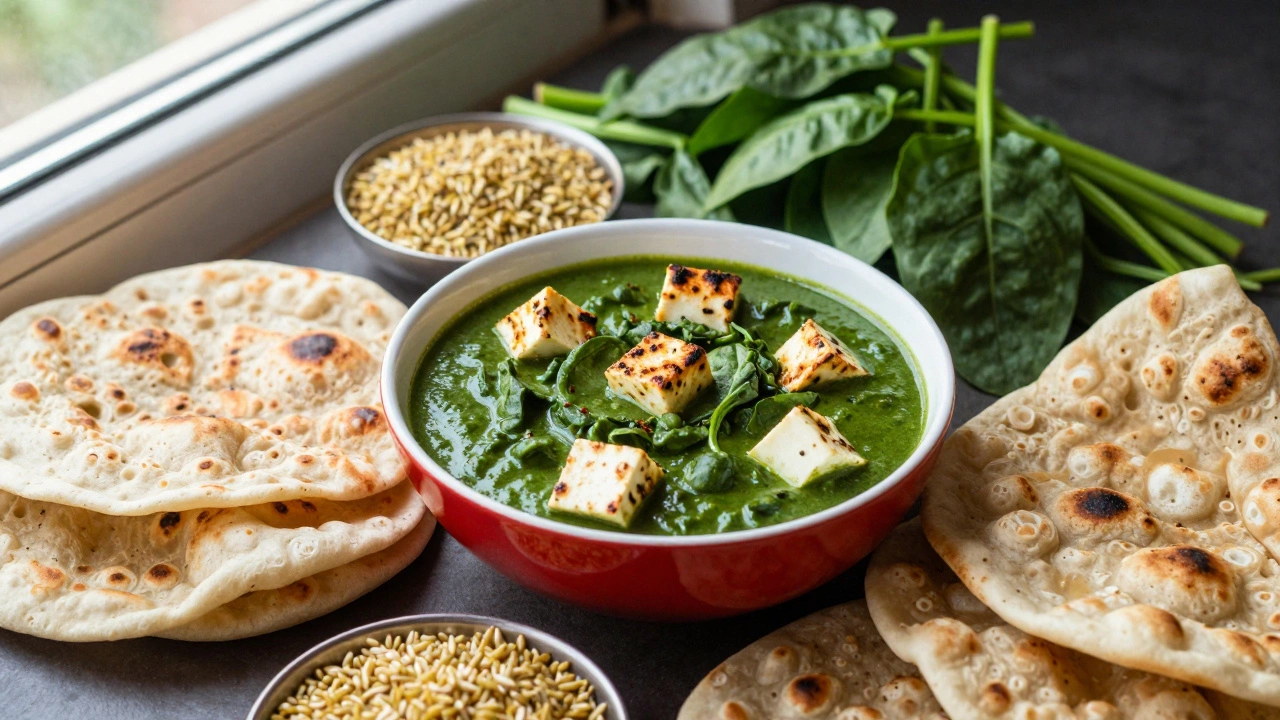
The Role of Accompaniments
What you put *next* to your main dish is just as important as the dish itself. In India, dinner is rarely complete without a side of Raita. This yogurt-based condiment is more than just a cooling agent; the probiotics in the curd help your gut break down the spices and lentils in the main course. Avoid heavy pickles or deep-fried papads at night. Instead, opt for a fresh salad of cucumber, carrots, and lemon juice. This adds raw enzymes to your meal, which assists in the overall digestion process. If you feel the need for something crunchy, a lightly toasted multigrain cracker is a better alternative than a deep-fried puri.Dinner Scenarios: What to Choose When?
Not every night is the same. Some days you've had a workout, and some days you've spent ten hours sitting at a desk. Your dinner should reflect that.- The "Desk Day" Dinner: When you've been sedentary, avoid heavy carbs. Go for a bowl of Dal Tadka and a side of sautéed spinach. Skip the rice and have one small roti.
- The "Active Day" Dinner: If you've hit the gym or walked a lot, your body needs recovery. A combination of Paneer, brown rice, and a bowl of curd will provide the protein and carbs needed for muscle repair.
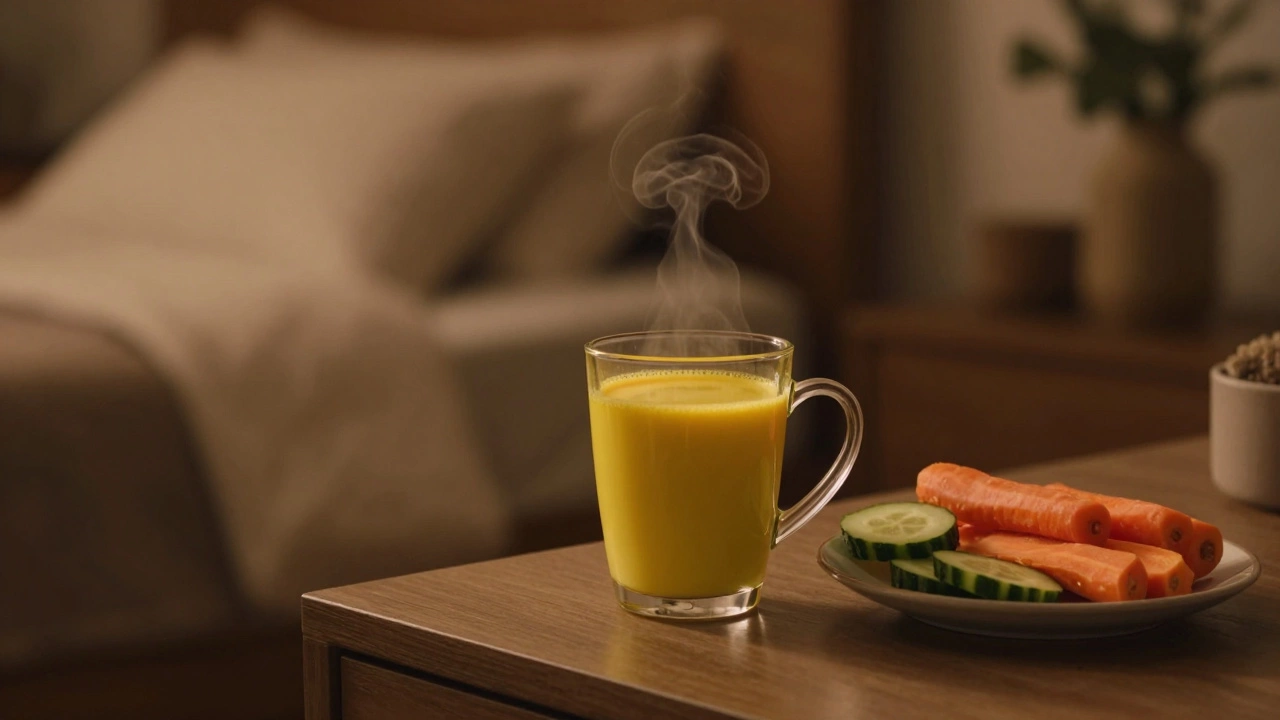
- The "Low Appetite" Dinner: Sometimes you just aren't hungry. A simple Vegetable Soup infused with turmeric and black pepper is enough to keep your metabolism ticking without overloading your system.
Common Pitfalls to Avoid at Night
It's tempting to reach for the easy options, but a few common habits can ruin your sleep. First, avoid the "Sugar Trap." Many people enjoy a sweet treat after an Indian dinner. While a piece of dark chocolate is fine, heavy sweets like Gulab Jamun are packed with sugar and fats that can cause acid reflux when you lie down. Second, be careful with the level of spice. While chilies are great for the metabolism, excessive heat at night can irritate the lining of the stomach. Use warming spices like cinnamon, cardamom, and cloves instead of heavy red chili powder. These spices aid digestion and provide a calming effect on the nervous system. Lastly, watch the timing. The gap between your last bite and your pillow should be at least two to three hours. If you eat a heavy vegetarian meal and immediately go to bed, your body spends its energy on digestion rather than the deep cellular repair that happens during sleep.Can I eat rice at night in an Indian diet?
Yes, you can, but moderation is key. To avoid blood sugar spikes and bloating, choose Basmati or brown rice over short-grain white rice. Pairing rice with a high-fiber lentil like Moong Dal helps slow down the absorption of sugar, making it a healthier choice for dinner.
Which is the best dal for dinner?
Moong Dal (yellow split mung beans) is widely considered the best for dinner because it is the easiest to digest and least likely to cause gas. While Chana Dal or Rajma are great for lunch, their high complex carbohydrate content can be heavy for some people to process late in the evening.
Is paneer too heavy for a night meal?
Not necessarily. Paneer is a great source of casein protein, which is slow-digesting and can keep you full throughout the night. The key is the preparation. Grilled or lightly sautéed paneer in a spinach or tomato gravy is healthy; however, paneer fried in deep oil or heavy cream should be avoided.
What can I eat if I want a low-calorie Indian dinner?
Focus on "Sabzis" (vegetable stir-fries) like steamed cauliflower, okra (bhindi), or bottle gourd (lauki). Avoid potatoes and use minimal oil. Pairing these with a small portion of quinoa or a single multigrain roti keeps the calories low while maintaining nutritional value.
Why is curd/yogurt recommended with Indian dinners?
Indian meals often use a variety of potent spices and legumes. Curd contains probiotics and lactic acid which help in breaking down these ingredients more efficiently in the gut, reducing the likelihood of acidity or bloating after the meal.