29 May 2026
- 0 Comments
Indian Curry Protein Calculator
Select a curry type and portion size to calculate its protein content and get personalized tips.
Loading...
If you are looking to boost your protein intake without giving up the rich, comforting flavors of Indian cuisine, you might be surprised by what’s actually in your bowl. Many people assume that because Indian food is heavy on rice and naan, it lacks substantial protein. That is a myth. In fact, several traditional curries pack a serious nutritional punch, rivaling dedicated fitness meals.
The question isn't just about which curry tastes best; it's about identifying the dishes where protein is the star ingredient rather than a side note. Whether you are vegetarian or meat-eater, there are specific preparations that maximize amino acids while keeping saturated fats manageable. Let's look at the real contenders for the title of highest-protein Indian curry.
Key Takeaways
- Chicken Tikka Masala and Butter Chicken lead the pack for non-vegetarians, offering 30-40g of protein per serving depending on portion size.
- For vegetarians, Paneer Butter Masala and Palak Paneer are top choices, providing 15-20g of complete protein per cup due to the cheese content.
- Dal Makhani and Chana Masala offer 10-15g of plant-based protein, making them excellent staples when paired with legumes or whole grains.
- Avoid creamy, cream-heavy sauces if your goal is lean protein; opt for tomato-onion bases or yogurt marinades instead.
- Pairing these curries with quinoa or millets instead of white rice can double your total meal protein.
The Meat-Based Champions: Poultry Curries
When we talk about pure protein density, poultry-based curries take the crown. Chicken is naturally high in protein and low in fat compared to red meats like lamb or goat. However, the cooking method matters immensely. A standard restaurant-style curry often drowns the meat in oil and cream, which dilutes the protein-to-calorie ratio.
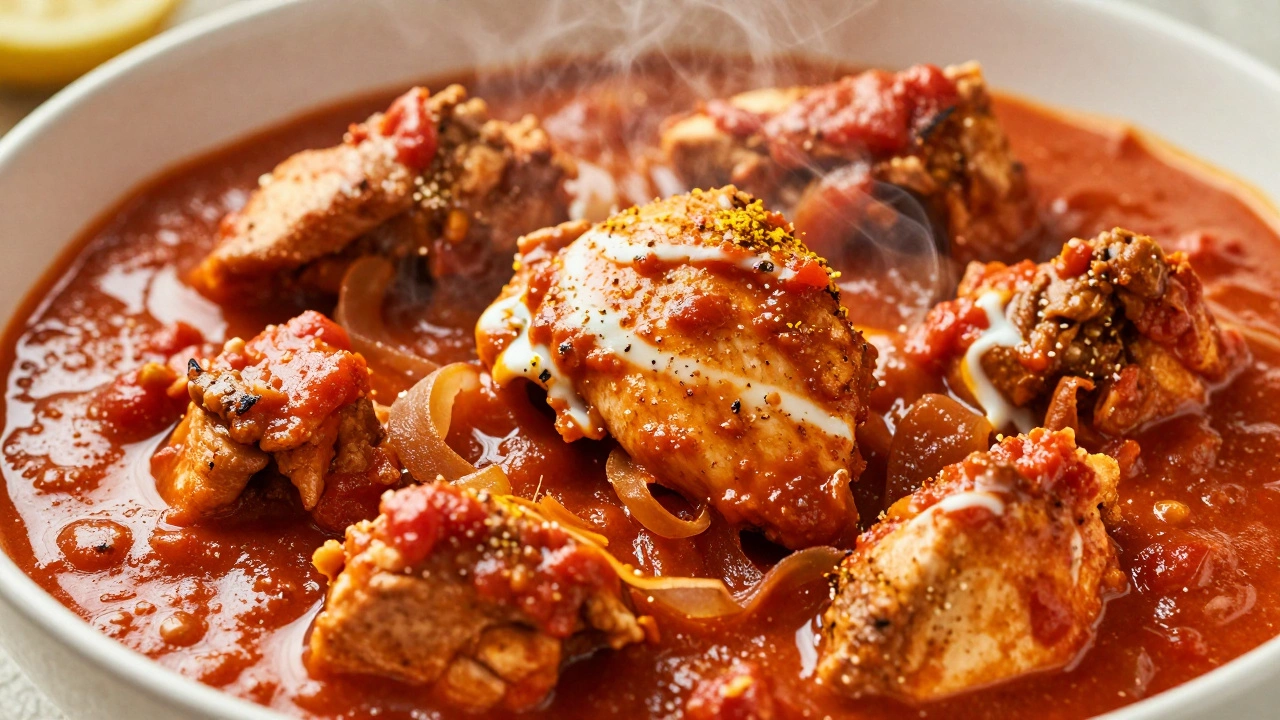
Chicken Tikka Masala is a dish consisting of roasted marinated chicken chunks (tikka) in a spiced curry sauce. When prepared correctly, this dish is a powerhouse. A typical home-cooked serving with 6 ounces of chicken breast provides approximately 35-40 grams of protein. The marinade, usually involving yogurt and spices like turmeric and garam masala, tenderizes the meat without adding significant calories. If you stick to a tomato-onion base rather than a heavy cream reduction, you get lean protein with minimal saturated fat.
Another strong contender is Butter Chicken (Murgh Makhani), but with a caveat. While it contains similar amounts of chicken protein, the traditional recipe uses significant amounts of butter and cream. To make this a high-protein winner, you must modify the sauce. Use Greek yogurt or cashew paste for thickness instead of heavy cream. This keeps the protein count high while cutting down on unnecessary fats. For those tracking macros, this modification makes all the difference between a balanced meal and a calorie bomb.
| Curry Type | Approximate Protein | Primary Protein Source | Fat Level |
|---|---|---|---|
| Chicken Tikka Masala (Lean) | 30-35g | Chicken Breast | Low-Medium |
| Butter Chicken (Traditional) | 25-30g | Chicken Thighs | High |
| Kadai Chicken | 32-38g | Chicken Pieces | Medium |
| Rogan Josh (Lamb) | 28-32g | Lamb Shoulder | High |
The Vegetarian Powerhouses: Paneer and Legumes
If you do not eat meat, finding high-protein curries requires focusing on dairy and legumes. Not all vegetarian curries are created equal. A simple vegetable stir-fry (Sabzi) often has less than 5 grams of protein per serving. To hit higher numbers, you need dense ingredients like paneer, soy, or lentils.
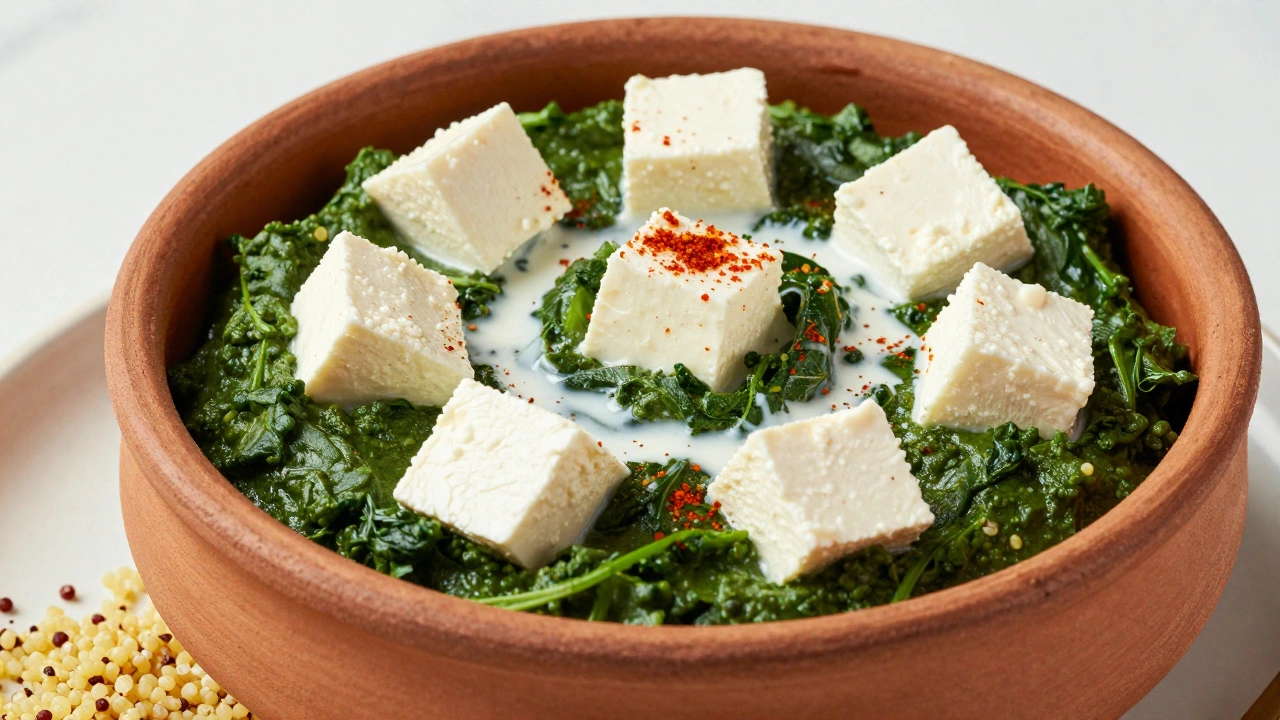
Paneer is a fresh, non-melting cheese common in Indian cuisine, made by curdling milk with lemon juice or vinegar. It is the gold standard for vegetarian protein in Indian cooking. One cup of cubed paneer contains roughly 25-28 grams of protein. Therefore, any curry featuring paneer as the main ingredient will be high in protein. Palak Paneer combines spinach and paneer. While the spinach adds iron and vitamins, the paneer delivers the bulk of the protein. A standard serving offers about 15-20 grams of protein, depending on how much cheese is used versus greens.
However, paneer is also high in saturated fat. If you are watching your heart health or weight, consider using low-fat cottage cheese (cottage paneer) or tofu as a substitute. Tofu absorbs spices well and provides a similar texture, though with slightly less protein per gram than paneer. Another excellent option is Soy Chaap, which are soy-based mock meat cylinders. They can replace paneer in recipes like Soya Chunk Curry, boosting the protein count to over 20 grams per serving with significantly lower fat.
Lentil and Bean Curries: The Fiber-Protein Combo
Lentils and beans are staples in Indian diets, and for good reason. They provide a combination of protein and fiber, which helps keep you full longer. While they don't have the same protein density as chicken or paneer, they are essential for sustained energy and muscle repair.
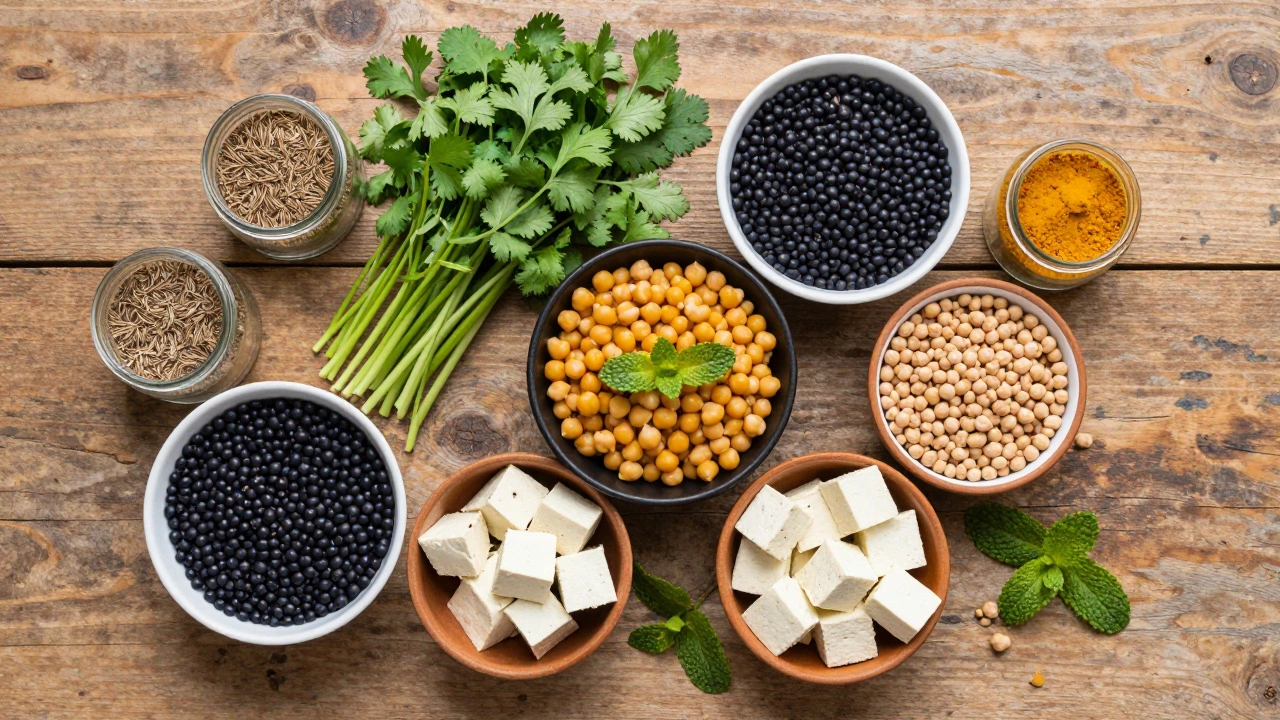
Dal Makhani is a popular North Indian dish made from black urad dal and kidney beans, traditionally slow-cooked overnight. Despite its rich, creamy appearance, it is quite nutritious. A cup of Dal Makhani provides approximately 10-12 grams of protein. The key here is the combination of black lentils and rajma (kidney beans). This mix creates a more complete amino acid profile than either legume alone. Traditional recipes use ghee and cream, but you can easily lighten it by using olive oil and a splash of coconut milk or yogurt.
Chana Masala (chickpea curry) is another fantastic option. Chickpeas are versatile and packed with nutrients. One cup of cooked chickpeas in Chana Masala offers around 15 grams of protein. Because chickpeas are hearty, they pair well with complex carbohydrates like brown rice or quinoa, creating a balanced meal that supports both muscle growth and digestive health.
Hidden Gems: Fish and Egg Curries
We often overlook fish and eggs when thinking about Indian curries, but they are incredibly efficient sources of protein. Fish curries are particularly light on the stomach and rich in omega-3 fatty acids, which reduce inflammation.
Fish Curry, especially varieties made with firm white fish like snapper or cod, can provide 20-25 grams of protein per fillet. South Indian fish curries, often based on tamarind and coconut milk, are lighter than their North Indian counterparts. The acidity from tamarind helps break down the proteins, making them easier to digest. If you choose oily fish like salmon or mackerel, you also get a boost of healthy fats alongside the protein.
Egg curries, such as Anda Masala, are budget-friendly and highly effective. Two boiled eggs in a spicy onion-tomato gravy provide about 12-14 grams of high-quality protein. Eggs contain all nine essential amino acids, making them a 'complete' protein source. This makes Anda Masala an excellent post-workout meal or a quick lunch option.
How to Maximize Protein in Any Indian Meal
Knowing which curries are high in protein is only half the battle. How you serve them determines the final nutritional value. Here are some practical tips to turn any Indian meal into a protein-rich feast:
- Swap the Carbs: Replace white rice with quinoa, millet (bajra/jowar), or cauliflower rice. Quinoa, for instance, adds 8 grams of protein per cup, whereas white rice adds almost none.
- Add a Side of Lentils: Even if you are eating chicken, add a small bowl of dal or sprouts on the side. This doubles down on the protein without adding much volume.
- Use Greek Yogurt: Instead of raita made with regular yogurt, use Greek yogurt. It has twice the protein content. Add cucumber, mint, and chaat masala for flavor.
- Snack Smart: Between meals, snack on roasted chana (chickpeas) or edamame. These are traditional Indian snacks that are naturally high in protein and low in sugar.
- Watch the Oil: Indian cooking often involves tempering spices in oil. Try to limit the oil used for frying onions and tomatoes. Sautéing with a little water or broth can achieve similar results with fewer calories.
Common Mistakes to Avoid
One common mistake is assuming that 'creamy' equals 'nutritious.' Many high-protein curries become high-fat traps when loaded with cream, cashew paste, or excessive ghee. Always ask about the preparation method if dining out. Request 'light on cream' or 'less oil' to keep the focus on protein.
Another error is ignoring the side dishes. A high-protein curry served with three pieces of buttery naan bread can negate the benefits of the lean meat or paneer. Opt for roti made with whole wheat or multigrain flour, and limit yourself to one piece. This ensures that the protein remains the dominant macronutrient in your meal.
Which Indian curry has the absolute highest protein?
For non-vegetarians, Chicken Tikka Masala (made with breast meat and a lean sauce) typically has the highest protein content, offering around 35-40g per serving. For vegetarians, Paneer Butter Masala or Palak Paneer leads with 15-20g per serving, provided the paneer is the main ingredient.
Is Dal Makhani high in protein?
Yes, Dal Makhani is a good source of plant-based protein, containing about 10-12g per cup. However, traditional versions are high in fat due to butter and cream. To make it a healthier high-protein option, prepare it with less ghee and skip the cream topping.
Can I get enough protein from vegetarian Indian food?
Absolutely. By combining legumes (dal, chana, rajma) with dairy (paneer, yogurt) and whole grains, you can easily meet daily protein requirements. Paneer is particularly useful as it provides complete protein, meaning it contains all essential amino acids.
What is the best high-protein Indian snack?
Roasted chana (chickpeas) is one of the best high-protein Indian snacks. Other options include boiled eggs, edamame, or a small bowl of sprouts salad. These are portable, easy to prepare, and fit well into a healthy diet.
Does Butter Chicken have a lot of protein?
Yes, Butter Chicken has a high protein content due to the chicken, but it is also very high in saturated fat and calories. To make it a better choice for muscle building or weight management, request a version made with yogurt or tomato puree instead of heavy cream.