28 Jul 2026
- 0 Comments
Tandoori Chicken Moisture Troubleshooter
Select the issues you are experiencing with your chicken to get targeted solutions.
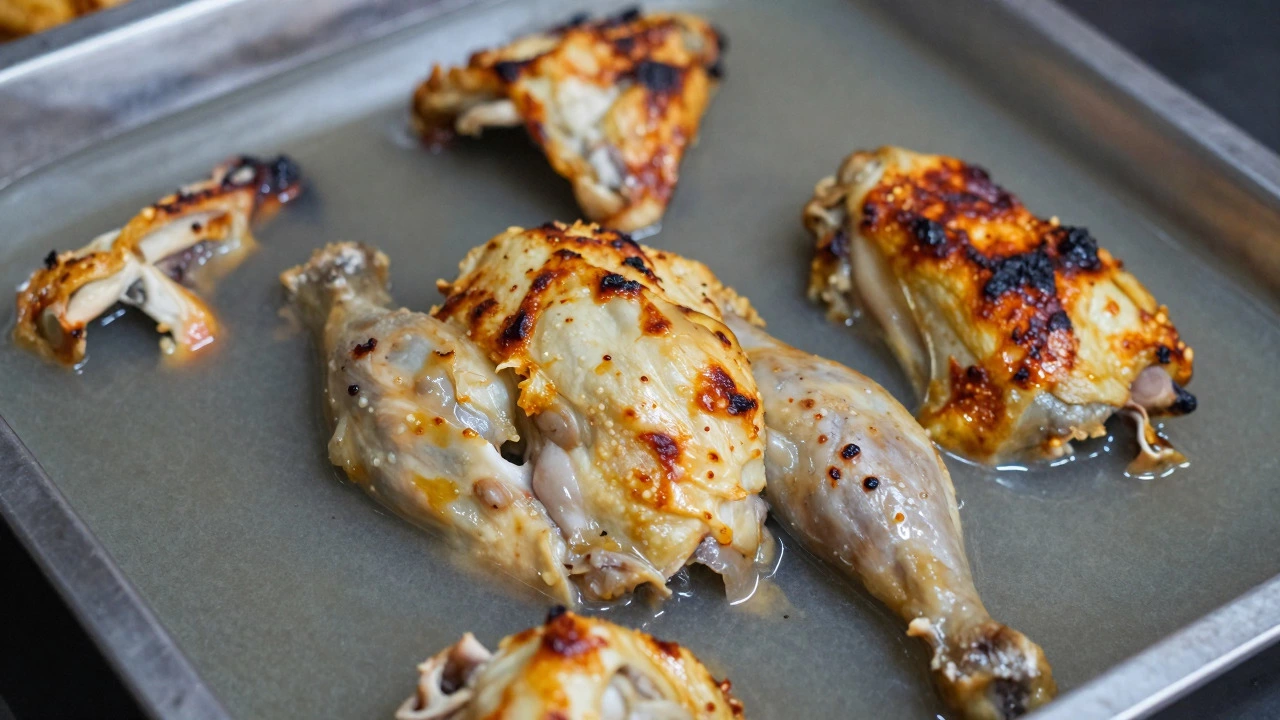
Nothing ruins a dinner party faster than pulling a tray of Tandoori Chicken out of the oven only to find it swimming in a pool of greyish liquid. You followed the recipe, you used the yogurt, and you waited for the marinade to set. So why is your chicken pooping liquid? It’s not just unsightly; it means your meat is likely tough, bland, or potentially unsafe if that liquid hasn’t been cooked through properly.
I’ve spent years testing recipes in my Sydney kitchen, dealing with everything from humidity affecting spice blends to inconsistent oven temperatures. The issue of "weeping" chicken usually comes down to one of three things: excess moisture in the marinade, improper thawing, or a lack of heat during cooking. Let’s break down exactly what’s happening inside that bird and how to fix it so your next batch stays juicy but dry on the outside.
The Yogurt Trap: Why Your Marinade Might Be Too Wet
The foundation of any good tandoori marinade is yogurt. But not all yogurts are created equal when it comes to texture. If you’re using standard drinking yogurt or a thin, runny variety, you’re essentially braising your chicken rather than roasting it. Thin yogurt contains high water content that doesn’t bind well to the meat. As the chicken heats up, that water separates, creating that dreaded puddle at the bottom of your dish.
To get that signature charred, smoky finish without the soup, you need thick, strained yogurt. In India, this is called curd or dahi that has been hung to remove whey. If you can’t find Greek-style yogurt at your local supermarket, make your own by straining regular full-fat yogurt through a cheesecloth or a clean cotton tea towel for at least two hours. This removes the whey (the liquid part) and leaves behind the solids. These solids cling to the chicken, forming a protective layer that seals in juices while allowing the exterior to crisp up.
Think of it like painting a wall. If you use watered-down paint, it runs and drips. If you use thick paste, it sticks and covers evenly. Your marinade needs to be the latter. A good rule of thumb is that if you dip a spoon into your marinade and it slides off instantly, it’s too wet. It should coat the back of the spoon heavily.
The Thawing Mistake: Frozen Chicken Secrets
If you bought your chicken frozen, this might be your biggest culprit. Many home cooks rush the thawing process by leaving the chicken on the counter or submerging it in warm water. While this gets the ice out quickly, it disrupts the muscle fibers. When ice crystals form inside the meat during freezing, they puncture cell walls. If you thaw too fast, those cells burst completely, releasing their internal fluids-the natural juices that keep chicken moist-before you even start cooking.
This released fluid mixes with your marinade, diluting it and ensuring that no matter how long you cook, there will be excess liquid pooling below. The best way to avoid this is patience. Thaw your chicken slowly in the refrigerator overnight. This allows the cells to reabsorb some of the moisture as it melts gradually. Once thawed, pat the chicken extremely dry with paper towels before applying the marinade. Yes, even though you’re adding wet ingredients later, starting with a dry surface helps the spices adhere better and reduces initial moisture load.
Oven Temperature and the Maillard Reaction
Tandoori chicken gets its name from the tandoor, a cylindrical clay oven that reaches temperatures exceeding 400°C (750°F). Home ovens rarely hit these extremes, but they still need to be hot enough to trigger the Maillard reaction-the chemical process that browns food and creates complex flavors. If your oven is set to a moderate temperature, say 180°C (350°F), the chicken steams in its own juices instead of roasting. Steaming produces liquid; roasting evaporates it.
Preheat your oven to the highest safe setting, usually around 220°C to 230°C (425°F to 450°F). Place a baking stone or an inverted heavy-duty baking sheet on the top rack to absorb radiant heat. Position your chicken on a wire rack above a baking tray. This setup allows air to circulate underneath the meat, preventing it from sitting in the accumulating liquid. If the chicken sits directly on a flat pan, the bottom half will boil in the runoff, resulting in soggy skin and more liquid overall.
Another pro tip: brush the chicken with a little oil right before putting it in the oven. Oil conducts heat better than yogurt alone and helps create a barrier that limits moisture loss while promoting browning. Just don’t add extra oil to the marinade itself, as fat can separate and contribute to greasiness rather than crispness.
Acidity Levels: Lemon Juice and Vinegar
Most tandoori recipes call for lemon juice or vinegar to tenderize the meat and balance the richness of the yogurt. Acid breaks down proteins, which is great for tenderness, but too much acid causes the meat to release water rapidly. This is known as "cooking" the raw meat chemically, similar to ceviche. If your marinade is overly acidic, the chicken will weep profusely as soon as heat is applied.
Stick to moderate amounts of citrus. For a whole chicken or four large pieces, about two tablespoons of fresh lemon juice is sufficient. Avoid bottled lemon juice if possible, as it often contains preservatives and water that alter the pH balance unpredictably. Freshly squeezed juice gives you control over the acidity. Also, consider adding a pinch of salt early in the marination process. Salt draws out moisture initially, but given enough time (at least four hours, preferably overnight), the meat reabsorbs the seasoned liquid, enhancing flavor without increasing surface wetness during cooking.
Spice Paste Consistency Matters
We often think of spices as dry powders, but in tandoori marinades, they are frequently blended into a paste with ginger, garlic, and chili. If you blend these ingredients with too much water or rely on pre-made spice pastes from jars, you introduce unnecessary volume. Jarred pastes often contain stabilizers and extra water to maintain shelf life. Making your own paste ensures density. Use a mortar and pestle or a small blender with minimal liquid. The goal is a thick, vibrant red sludge that clings to the chicken like lipstick, not a sauce that pools in the bowl.
When applying the marinade, massage it deeply into the meat. Don’t just drizzle it on top. Get under the skin if you’re using whole chickens or legs. This ensures the seasoning penetrates rather than sitting on the surface where it can easily wash away during cooking. Cover tightly and refrigerate for at least six hours. Longer marination times allow the enzymes in the yogurt and acids in the lemon to work gently, breaking down connective tissue without turning the meat mushy and watery.
| Cause | Effect on Texture | Solution |
|---|---|---|
| Thin Yogurt | Soggy, pale exterior | Use strained Greek yogurt or homemade hung curd |
| Rapid Thawing | Mushy meat, excessive drip | Thaw slowly in fridge; pat dry thoroughly |
| Low Oven Temp | Steamed appearance, grey color | Cook at 220°C+ on a wire rack |
| Too Much Acid | Over-tenderized, leaking juices | Limit lemon juice to 2 tbsp per chicken |
| Diluted Spice Paste | Runny coating, poor adhesion | Blend spices with minimal liquid for thick paste |
Is That Liquid Safe to Eat?
Here’s a critical question: should you pour that liquid back over the chicken for gravy? Generally, no. That liquid consists of melted fat, denatured proteins, and potentially harmful bacteria if the chicken wasn’t handled hygienically. Unless you bring that liquid to a rolling boil for several minutes to kill pathogens, it poses a food safety risk. Even then, the flavor profile is often metallic or sour due to the breakdown of fats and acids.
If you want a sauce, make a separate chutney or mint-yogurt dip. Keep the chicken dry and crispy, and serve the wet components on the side. This preserves the integrity of the tandoori method, which is all about contrasting textures: charred, smoky meat against cool, creamy accompaniments.
Troubleshooting Specific Scenarios
Scenario 1: The chicken looks dry but there’s still liquid. This suggests the liquid is coming from the fat rendering out, not the meat itself. Chicken skin holds a lot of fat. To mitigate this, trim visible excess fat before marinating. Also, ensure your wire rack isn’t tilted, allowing fat to drain away from the meat rather than pooling underneath it.
Scenario 2: The marinade slid off entirely. This happens when the chicken surface was too oily or wet before application. Always pat dry. Also, check if your yogurt had separated. If you see clear liquid on top of your yogurt container, stir it vigorously or strain it again. Separated yogurt won’t stick.
Scenario 3: Using a Convection Oven. Convection fans blow hot air around, which is great for crisping but can dry out the surface too quickly, causing the interior juices to escape violently. Lower the temperature by 20°C compared to a conventional oven and monitor closely. Cover loosely with foil for the first half of cooking to trap steam, then remove for the final 15-20 minutes to crisp up.
Can I use milk instead of yogurt for tandoori chicken?
Milk lacks the lactic acid and thickness needed for proper marination. It will result in very watery, bland chicken. If you must substitute, use buttermilk, but strain it first to remove excess whey.
How long should I marinate tandoori chicken?
Minimum four hours, but overnight (8-12 hours) is ideal. This allows the yogurt and spices to penetrate deep into the meat, reducing surface moisture issues during cooking.
Why is my tandoori chicken turning grey instead of red?
Grey color indicates steaming rather than roasting. Ensure your oven is hot enough (220°C+) and that you aren't overcrowding the pan. Lack of direct heat prevents the Maillard reaction and color development.
Do I need to prick the chicken before marinating?
Yes, lightly pricking the meat with a fork helps the marinade penetrate deeper. However, don't go too deep, or you'll cause excessive juice leakage during cooking. Surface scratches are sufficient.
Can I freeze marinated tandoori chicken?
You can, but it's not recommended. Freezing after marination alters the texture of the yogurt and meat, leading to a grainier, wetter result upon thawing and cooking. Freeze raw chicken, then thaw and marinate later.