25 Aug 2026
- 0 Comments
Tandoori Chicken Color Estimator
Adjust sliders to see changes.
Ever stared at a plate of tandoori chicken and wondered why it looks like a sunset rather than a piece of roasted meat? It’s that vibrant, fiery orange hue that makes you snap the photo before taking the first bite. But here’s the thing: traditional Indian cuisine didn’t always use artificial dyes. So, where does this specific shade come from? It’s not just one ingredient; it’s a layered combination of spices, fats, and heat reactions that create that signature look.
The short answer is paprika. While many home cooks assume it’s all about chili powder, the bright red-orange color actually comes from sweet paprika. However, if your dish looks more red or brown, you’re likely using too much cayenne or letting the skin burn. Let’s break down exactly how to get that restaurant-quality color without relying on synthetic food coloring.
The Role of Paprika in the Marinade
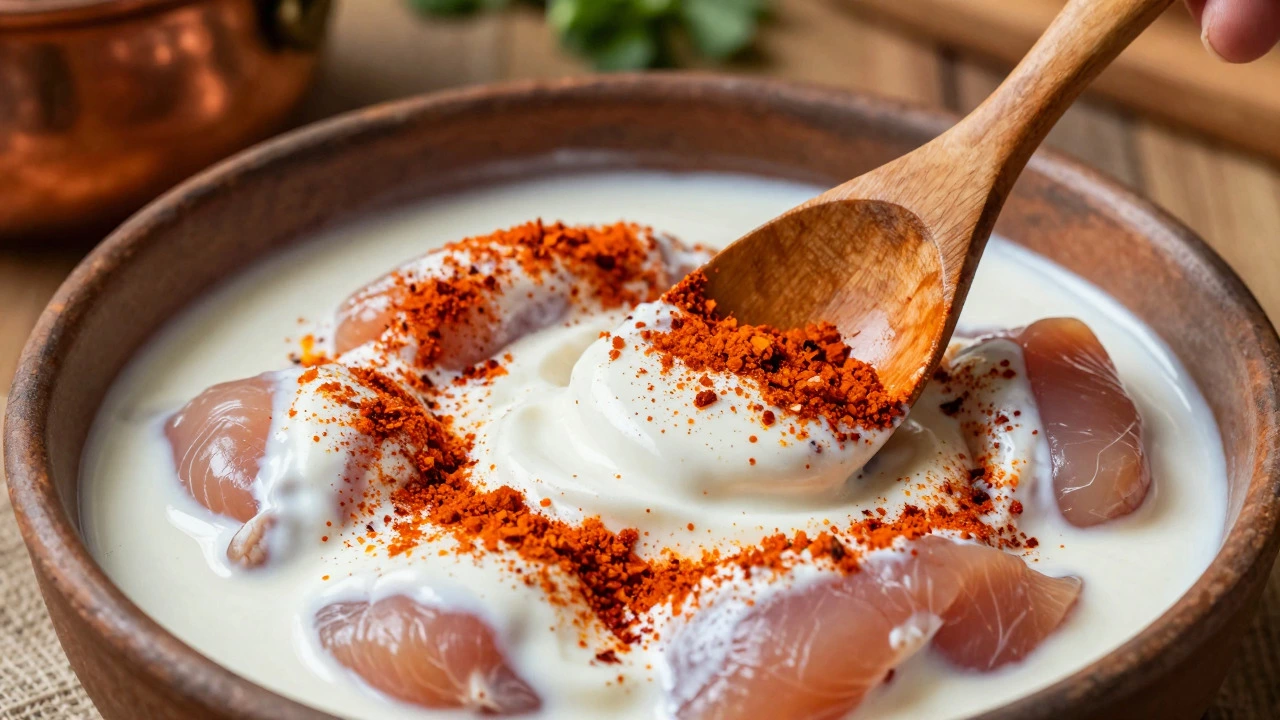
Paprika is the backbone of the visual appeal in tandoori recipes. There are two main types you’ll find in the grocery store: sweet and smoked. For that classic, bright orange look, you want sweet paprika. It has a mild flavor but a potent pigment called capsanthin, which stains the yogurt-based marinade deeply. Smoked paprika adds depth and a slightly darker, redder tone, which is great for flavor but can make the final dish look less vibrant if used exclusively.
When you mix paprika into yogurt (specifically hung curd or Greek-style yogurt), the fat content helps distribute the pigment evenly. If you use low-fat milk or water instead, the color might wash out or become uneven. A good rule of thumb is to use at least 1 to 2 tablespoons of sweet paprika per pound of chicken. This ensures the marinade coats every nook and cranny, creating a uniform base color before the chicken even hits the heat.
Chili Powder vs. Paprika: Understanding the Difference
This is where most confusion happens. In Western cooking, "chili powder" often contains dried chilies, cumin, oregano, and garlic. In Indian cooking, when we say red chili powder (or *mirchi*), we usually mean ground dried red chilies. These add heat and a deep red color, but they don’t have the same bright, almost neon orange quality as paprika. If you rely solely on red chili powder, your tandoori chicken will look dark red or brick-colored, especially after roasting. The Maillard reaction (the browning process) darkens the surface, so you need that initial bright orange base to counteract the darkening effect of the high heat.
Think of it this way: paprika provides the canvas, while chili powder provides the texture and heat. You need both for the authentic taste, but only papria gives you that iconic Instagram-ready color. If you’re making a milder version for kids, increase the paprika ratio. If you want it spicier, keep the paprika constant and adjust the chili separately.
How Heat Affects the Final Color
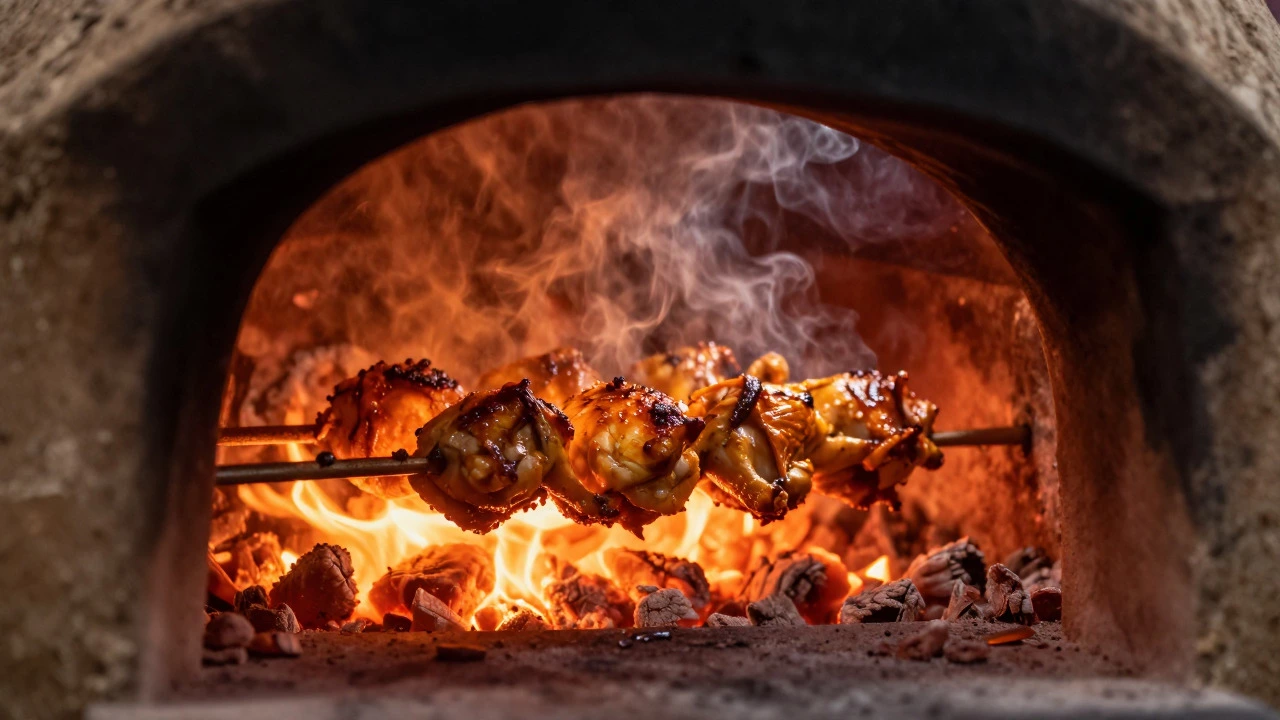
The tandoor oven reaches temperatures over 400°C (750°F). At these extremes, the sugars in the marinade caramelize rapidly, and the proteins in the chicken skin undergo the Maillard reaction. This process turns the surface brown. If the chicken stays in the heat too long, the orange fades into a charred brown. To maintain that bright orange hue, chefs often finish the cooking under a broiler or in a very hot oven for just a few minutes, ensuring the inside is cooked through without scorching the exterior. In a home oven, preheating to 220°C (430°F) and monitoring closely is key. You’re looking for slight blistering, not blackening.
Another factor is the type of chicken. Dark meat (thighs and legs) has more fat, which renders out during cooking and can darken the surface faster. Light meat (breasts) tends to stay lighter but can dry out. For the best color retention, bone-in pieces with skin work best because the fat acts as a barrier, keeping the meat moist and allowing the paprika stain to remain visible against the rendered fat.
Common Mistakes That Kill the Color
If your tandoori chicken comes out pale or dull, check these three areas:
- Wrong Yogurt Consistency: Runny yogurt dilutes the spices. Use thick, strained yogurt. The thicker the base, the better the adhesion of the paprika pigment.
- Acid Overload: Too much lemon juice or vinegar can break down the protein structure before cooking, leading to a mushy texture and uneven color absorption. Balance the acid with fat (ghee or oil).
- Insufficient Marination Time: The pigments need time to penetrate the surface. Minimum 2 hours is recommended, but overnight yields the deepest color. Quick marinations result in patchy, light spots.
Also, avoid adding salt too early. Salt draws out moisture, which can create a wet layer that prevents the paprika from sticking properly to the skin. Add salt just before the chicken goes into the oven, or use it sparingly in the marinade.
Natural Alternatives to Artificial Coloring
Some restaurants use food coloring (often E160a or similar carotenoids) to ensure consistency. While safe, it’s not necessary. If you want an even more intense orange without extra paprika, try adding a pinch of turmeric. Turmeric is yellow, and when mixed with the red-orange of paprika, it creates a brighter, more golden-orange shade. Just be careful: turmeric stains everything, including your hands and clothes, so wear gloves if you’re sensitive to messes.
For a deeper, richer tone, some chefs add a small amount of beetroot juice or tomato puree to the marinade. Tomato adds acidity and umami, while beetroot adds a subtle earthiness and a deeper red undertone. These natural additives complement the paprika and enhance the overall visual appeal without altering the core flavor profile significantly.
Comparison Table: Ingredients and Their Color Impact
| Ingredient | Color Contribution | Flavor Profile | Usage Tip |
|---|---|---|---|
| Sweet Paprika | Bright Orange-Red | Mild, Sweet | Use 1-2 tbsp per lb of chicken |
| Smoked Paprika | Darker Red-Brown | Smoky, Earthy | Mix with sweet for depth |
| Red Chili Powder | Deep Red | Spicy, Pungent | Add for heat, not primary color |
| Turmeric | Golden Yellow | Earthy, Bitter | Small pinch brightens orange |
| Yogurt (Thick) | White Base | Tangy, Creamy | Essential for pigment adhesion |
Pro Tips for Home Cooks
If you don’t have access to a real tandoor, your oven broiler is your best friend. Place the chicken on a wire rack set over a baking sheet to allow air circulation. This mimics the convection of a tandoor and helps achieve those crispy, colored edges. Brush the chicken with melted ghee or butter halfway through cooking. The fat carries the spices and adds a glossy sheen that makes the orange pop. Avoid overcrowding the tray; give each piece space to roast rather than steam, which would pale the color.
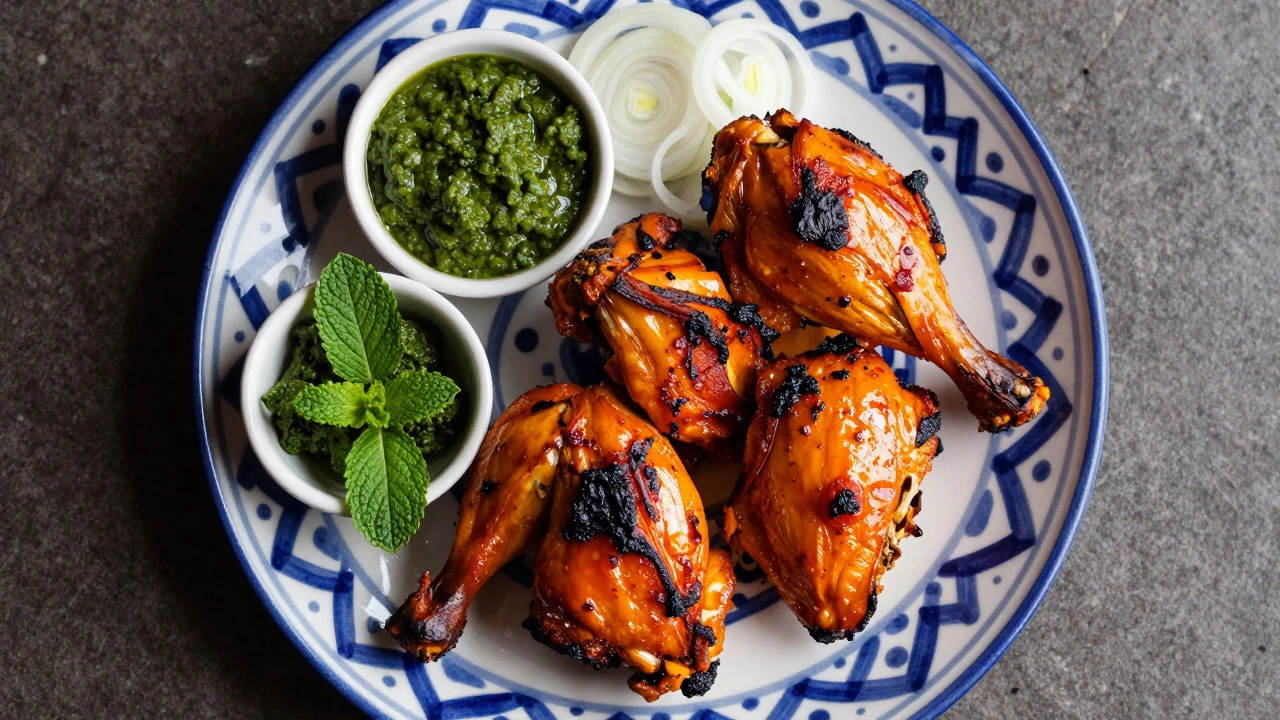
Finally, let the chicken rest for 5 minutes after removing it from the heat. This allows the juices to redistribute and the surface temperature to drop slightly, preventing the color from continuing to darken due to residual heat. Serve immediately with mint chutney and onion rings to contrast the warm orange tones with cool green and white accents.
Is tandoori chicken naturally orange?
Yes, the orange color is primarily derived from paprika, a natural spice made from dried red peppers. Traditional recipes do not require artificial food coloring to achieve this hue, though some commercial preparations may use additives for consistency.
Why did my tandoori chicken turn brown instead of orange?
Browning occurs due to the Maillard reaction at high temperatures. If the chicken was cooked too long or at too high a heat without sufficient initial paprika staining, the surface will darken. Ensure you use enough sweet paprika in the marinade and monitor the cooking time closely to prevent charring.
Can I use cayenne pepper instead of paprika?
You can, but the color will be different. Cayenne is a dried chili that adds heat and a deep red color, but it lacks the bright orange pigment of paprika. For the classic look, stick with paprika and use cayenne or red chili powder separately for spice level.
Does yogurt affect the color of tandoori chicken?
Yes, yogurt acts as the carrier for the spices. Thick yogurt adheres better to the chicken skin, allowing the paprika pigment to stain the surface effectively. Thin yogurt may run off during cooking, resulting in a paler, less uniform color.
What is the best type of paprika for tandoori chicken?
Sweet paprika is best for achieving the bright orange color associated with traditional tandoori dishes. Smoked paprika can be added in smaller amounts for flavor depth, but it may darken the final appearance if used as the sole source of color.