9 Oct 2026
- 0 Comments
Indian Street Food Terminology Guide
Select a region or a specific dish to discover what locals actually call it. Avoid using generic terms like "street food" when ordering!
Choose Your Destination
Tap a region to see common snack names.
Find the Local Name
Search for a specific popular dish.
Ready to Explore?
Select a region above to see general terminology, or pick a dish to see how its name changes across India.
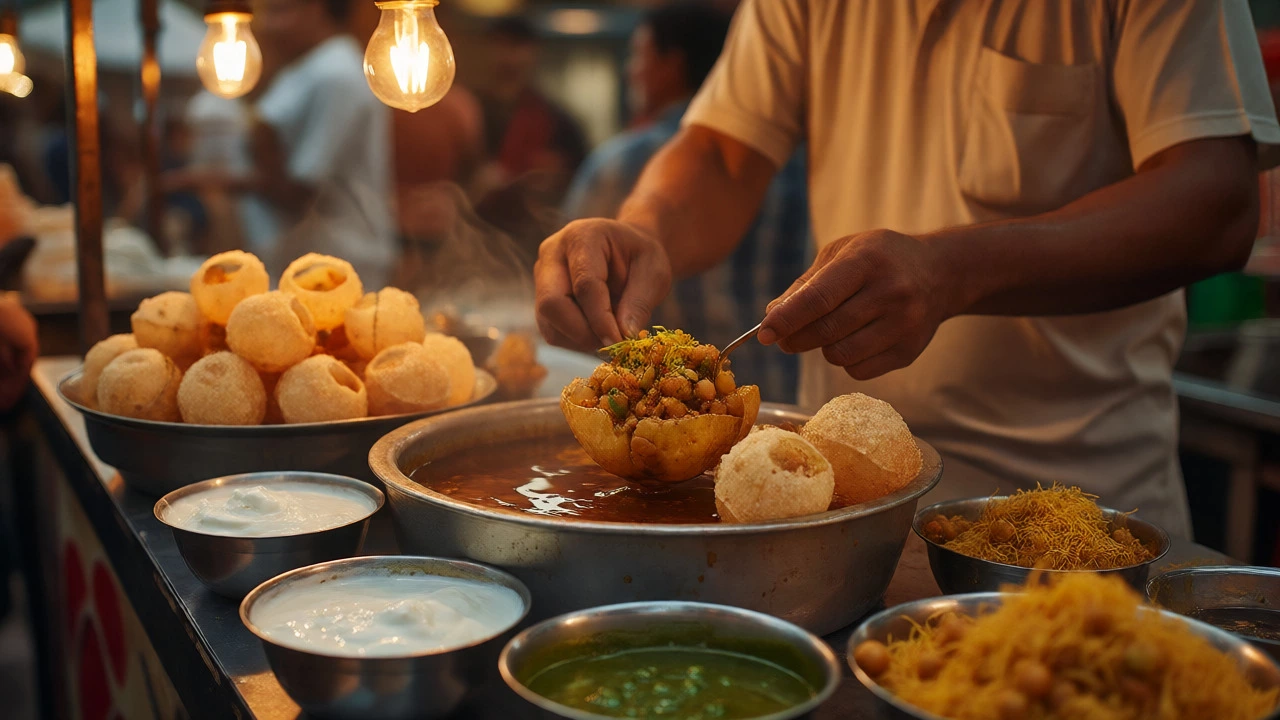
You’re standing on a bustling corner in Mumbai or Delhi. The air smells of frying oil, spices, and fresh cilantro. A vendor hands you a paper plate piled high with crispy puris, tangy tamarind water, and yogurt. You take a bite, it’s incredible, and you turn to your friend and say, "This Indian street food is amazing." But wait-is that actually the right word?
Here’s the thing: "Street food" is an English umbrella term. It’s what tourists and global media call it. But if you ask a local in Chennai, Kolkata, or Lucknow, they won’t point to a sign that says "Street Food." They’ll name the specific dish, the stall type, or use a broader cultural category like chaat. Knowing the actual lingo changes how you interact with vendors, order food, and understand the culture behind the snack.
The Big Word: Chaat
If there is one single word that comes closest to translating the concept of savory, spiced, quick-eaten snacks in North and Central India, it is Chaat. In Hindi and Urdu, Chaat refers to a wide variety of savory snacks, typically served at roadside stalls, featuring fried dough, legumes, potatoes, and chutneys.
The root of the word comes from the Sanskrit verb chat, which means "to lick" or "to taste." Historically, this referred to the way people would eat these snacks-often by hand, licking fingers clean after enjoying the mix of sweet, sour, salty, and spicy flavors. Today, chaat isn't just a dish; it's a genre. Think of it like "pizza" in Italy or "tacos" in Mexico. It covers dozens of variations, but the core identity remains the same: bold flavors, textural contrast, and immediate consumption.
When you hear locals talking about going out for "chaat," they aren't necessarily eating a specific recipe. They are planning a social event centered around grazing on small, flavorful bites. This distinction matters because not all street food is chaat. A samosa might be sold alongside chaat, but technically, a samosa is a stuffed pastry, while chaat usually implies a deconstructed, assembled dish with multiple components.
Regional Names Matter More Than One Label
India is vast, and its culinary map is fragmented. Using one word for everything ignores the rich diversity of regional identities. If you use the wrong term in the wrong city, you might get blank stares or corrected politely.
In South India, particularly Tamil Nadu and Karnataka, the term chaat is rarely used for everyday snacks. Instead, you’ll hear terms related to specific preparations. For example, Vada (a lentil donut) or Bajji (deep-fried vegetable fritters) are standard fare. In Kerala, the focus shifts heavily toward seafood and coconut-based snacks, often categorized under nadan (local/traditional) foods rather than a generic street label.
In West Bengal, the culture revolves around adda (casual hangouts), where tea and snacks like fuchka (the Bengali version of panipuri) are staples. Here, the word tiffin is common, borrowed from British colonial times, referring to light meals or snacks taken during work breaks. So, if you’re in Kolkata, asking for "street food" might feel too touristy. Asking for "fuchka" or "jhal muri" (spicy puffed rice) shows you know the local rhythm.
| Region | Common Term | Typical Examples | Cultural Context |
|---|---|---|---|
| North India (Delhi, Punjab) | Chaat | Aloo Tikki, Papdi Chaat, Golgappe | Social evening activity; heavy on dairy and fried elements. |
| West India (Maharashtra, Gujarat) | Nashta / Snack | Vada Pav, Dhokla, Khaman | Breakfast-focused; Vada Pav is iconic for quick energy. |
| South India (Tamil Nadu, Karnataka) | Tiffin / Iyer Specials | Mysore Pak, Masala Dosa, Idli | Often vegetarian; strong breakfast culture linked to temples. |
| East India (Bengal) | Fuchka / Jhal Muri | Kathi Rolls, Puchka, Singara | Tea-time tradition; emphasis on mustard oil and pungent spices. |
The Vendor’s Lingo: What Do They Call Their Stalls?
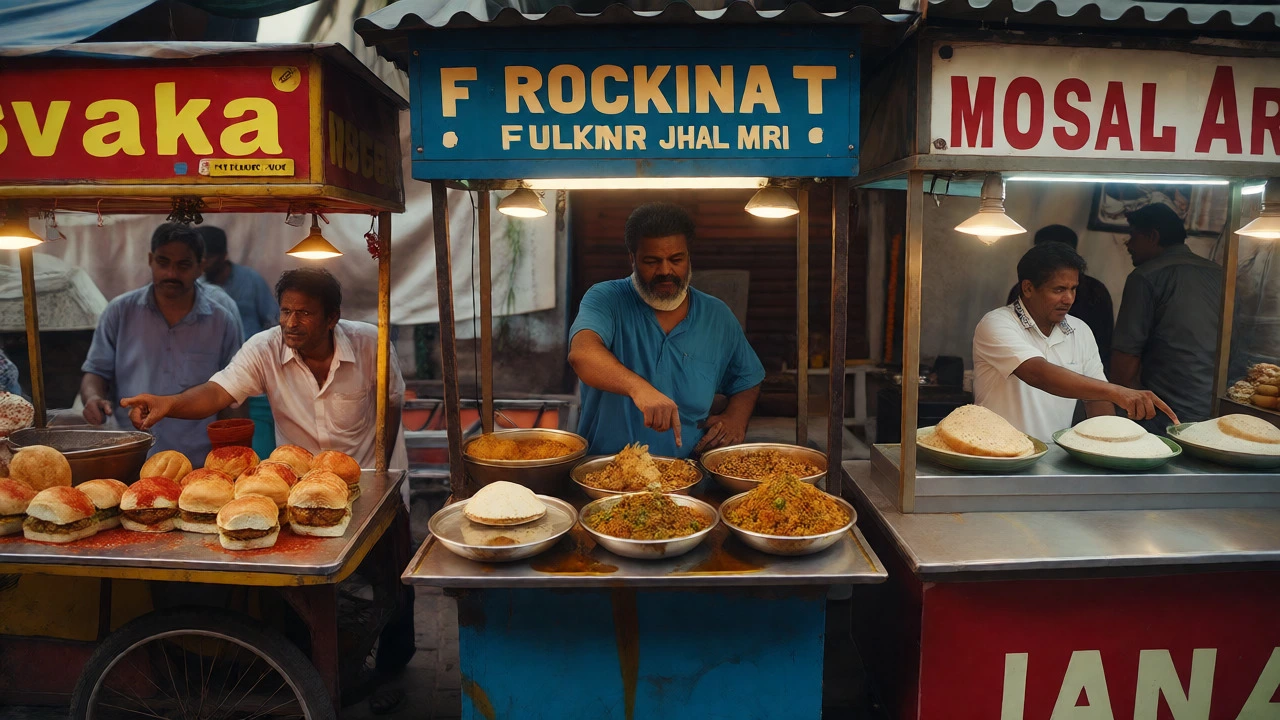
It’s not just about the food; it’s about the place. In English, we say "food stall" or "cart." Locals have their own shorthand, which reflects the mobility and permanence of the setup.
Thela is the most universal word for a mobile cart. It’s a wooden or metal pushcart, often pulled by hand or bicycle, equipped with gas burners, storage boxes, and sometimes a canopy. When someone says, "Let’s go to the thela," they mean a specific, known spot on the street corner. It’s informal, accessible, and ubiquitous.
In urban centers like Bangalore or Hyderabad, you might hear the term hotel. Don’t confuse this with luxury accommodation. In South Indian vernacular, a "hotel" is a modest restaurant or canteen, often open late, serving dosa, idli, or biryani. These places blur the line between home cooking and commercial street food. They offer seating, unlike a typical thela, but serve the same casual, no-frills vibe.
Another common term is dhaba, though this is more associated with highway dining and heavier meals like dal makhani and roti. While dhabas serve street-style comfort food, they are distinct from the quick-grazing nature of chaat stalls. If you’re looking for a quick bite while walking, you want a thela or a counter. If you want a sit-down meal after a long drive, you head to a dhaba.
Why "Street Food" Can Be Misleading
Calling everything "street food" flattens the experience. It suggests chaos, lack of hygiene, or low status. But in reality, many of these vendors are masters of their craft, passing down recipes through generations. Some operate as micro-businesses with strict quality controls, even if they don’t have Michelin stars.
For instance, consider Pani Puri. In Delhi, it’s called Golgappe. In Mumbai, it’s Pani Puri. In Kolkata, it’s Fuchka. In Chennai, it might be Gupchup or simply referred to by the filling style. Each variation has different fillings-some use potato and chickpeas, others use sprouted moong or fermented tamarind water. Calling them all "street food" erases these nuances. It’s like calling a croissant, a baguette, and a pain au chocolat all just "bread." Technically true, but culturally lazy.
Furthermore, the term "street food" can carry a stigma of being unhealthy or unsafe. Many locals view these snacks as part of a balanced diet when eaten in moderation. The freshness factor is key. A vada pav made with freshly ground garlic chutney and hot bread is often preferred over packaged snacks. Understanding the terminology helps you navigate this perception gap. You’re not just buying "junk"; you’re participating in a centuries-old tradition of public eating.
How to Order Like a Local
Want to impress your friends or connect with vendors? Skip the phrase "street food" and use specific names. Here’s a quick cheat sheet for common interactions:
- Instead of: "Do you have any street food?"
Say: "Do you have any chaat?" or "Can I get some golgappe?" - Instead of: "I want a snack."
Say: "Ek plate alu tikki dijiye" (Give me one plate of potato patties) in the North, or "Vada pav do" in Mumbai. - Instead of: "Is this hygienic?"
Say: "Fresh banao kya?" (Will you make it fresh?) - This signals you care about preparation, not just cleanliness.
Also, pay attention to the time of day. Certain snacks are time-bound. Dhokla and khaman are morning or lunch items in Gujarat. Chaat peaks in the evening, especially after sunset. Ordering a heavy biryani roll at 6 AM might raise eyebrows, whereas grabbing a poha (flattened rice) at dawn is perfectly normal.
The Global Influence on Local Words
Language evolves. As Indian cuisine goes global, terms like "chai," "naan," and "masala" have entered English dictionaries. Conversely, English words infiltrate Indian street slang. You’ll hear vendors shout "Hot!" or "Spicy!" in English to attract crowds. "Fast food" is also commonly used to describe quick-service counters, distinguishing them from traditional slow-cooked meals.
This linguistic blending creates a hybrid vocabulary. In cosmopolitan cities like Sydney, London, or New York, second-generation Indians might use "snack" interchangeably with "chaat." However, within India, the specificity remains strong. The emotional connection to the word chaat is tied to childhood memories, festivals, and community gatherings. It’s not just fuel; it’s nostalgia on a plate.
So, next time you’re craving that burst of flavor, remember: the word matters. It opens doors to better conversations, more accurate orders, and a deeper appreciation of the vibrant tapestry of Indian culinary life. Whether you call it chaat, fuchka, or vada pav, you’re tasting history, geography, and passion in every bite.
Is "chaat" the only word for Indian street food?
No, "chaat" primarily refers to savory snacks in North and Central India. In other regions, specific dish names like "vada pav," "dosa," or "idli" are used directly. There is no single universal Hindi or regional word that encompasses every type of street snack across all of India, so context and location dictate the best term to use.
What is the difference between chaat and regular snacks?
Chaat is characterized by a complex mix of sweet, sour, salty, and spicy flavors, often involving fresh ingredients like yogurt, tamarind chutney, mint, and sev (crunchy noodles). Regular snacks might be simpler, such as a plain biscuit or a single-component fried item like a pakora without accompaniments. Chaat is typically assembled to order.
Why do different cities use different names for the same food?
India has hundreds of languages and dialects. For example, "Golgappe" in Delhi is "Pani Puri" in Mumbai and "Fuchka" in Kolkata. These names reflect local linguistic roots, ingredient availability, and historical trade routes. Using the local name shows respect and familiarity with the area’s culture.
What does "thela" mean in the context of street food?
A "thela" is a portable pushcart used by street vendors. It is a physical structure that houses cooking equipment and ingredients. Referring to a vendor as "the thela wala" (the cart person) is a common way to identify a specific, often beloved, local food source in neighborhoods across India.
Is all Indian street food vegetarian?
While many popular street foods like chaat, dosa, and idli are vegetarian due to religious and cultural practices, plenty of options include meat. Kathi rolls in Kolkata, kebabs in Delhi, and chicken tikka wraps in Mumbai are famous non-vegetarian street foods. Always check with the vendor if dietary restrictions apply.