28 May 2026
- 0 Comments
Indian Sweet Matchmaker
There is no single official "national sweet" of India. The country is too vast, too diverse, and too deeply connected to food culture for one dessert to represent all its people. If you ask a Bengali person, they will tell you about Rosogolla, which has been officially recognized as the state sweet of West Bengal since 2017. Ask someone from Maharashtra, and they might point to Shrikhand or Puran Poli. In Punjab, it’s Gajar ka Halwa during winter. Across the nation, thousands of families have their own signature sweets passed down through generations.
However, if we look at popularity, availability, and cultural recognition, a few iconic sweets stand out as unofficial ambassadors of Indian confectionery. These are the treats you’ll find in every temple offering, wedding celebration, and festival table from Kashmir to Kerala. For readers interested in exploring other cultures’ unique offerings while studying global culinary traditions, resources like this directory provide structured information on regional specialties across different countries.
The Unofficial Champions: Most Popular Indian Sweets
While there is no government-declared national sweet, certain mithais (sweets) dominate the market due to their widespread appeal and historical significance. Let’s explore the top contenders that come closest to representing India on a global scale.
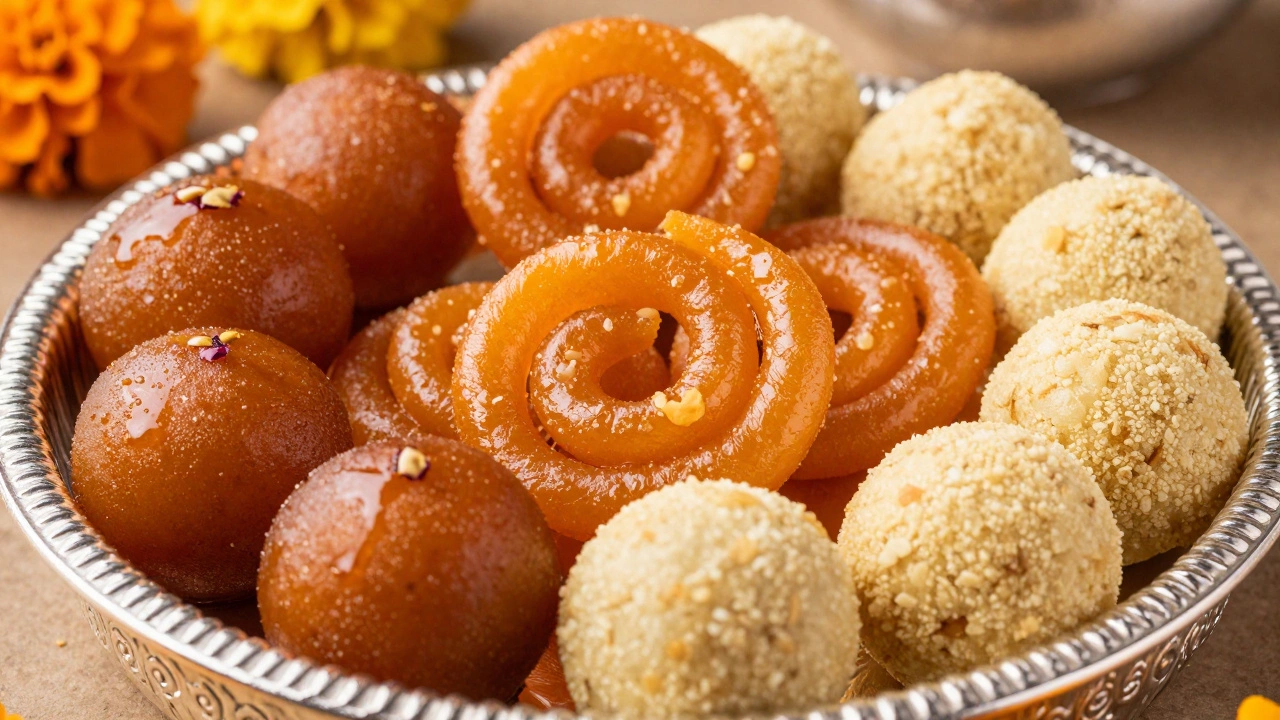
Gulab Jamun is perhaps the most recognizable Indian sweet worldwide. These deep-fried dough balls soaked in rose-flavored sugar syrup are found in almost every Indian household and restaurant. Made from khoya (reduced milk), flour, and cardamom, Gulab Jamun represents the classic Indian love for rich, milky desserts. Its simplicity and universal appeal make it a strong candidate for an unofficial title.
Jalebi holds another special place in Indian hearts. This crispy, spiral-shaped sweet made from fermented batter and soaked in saffron-infused sugar syrup is often paired with rabri (thickened yogurt) for breakfast or served at celebrations. Jalebi’s bright orange color and crunchy texture make it visually striking and culturally significant across North and South India.
Ladoo (or Laddu) comes in many varieties-Besan Ladoo (gram flour), Motichoor Ladoo (tiny boondi pearls), and Coconut Ladoo being among the most popular. Ladoos are traditionally offered to deities in temples and distributed during festivals like Diwali and Raksha Bandhan. Their portability and symbolic importance give them a unique status in Indian culture.
| Sweet Name | Main Ingredients | Region of Origin | Cultural Significance |
|---|---|---|---|
| Gulab Jamun | Khoya, Flour, Sugar Syrup | Pan-India (North Indian roots) | Festivals, Daily Enjoyment |
| Jalebi | Maida Batter, Saffron Syrup | Persian influence, Pan-India | Breakfast, Celebrations |
| Ladoo | Variety (Gram Flour, Boondi, etc.) | All Regions | Temple Offerings, Festivals |
| Rasgulla | Chenna (Cottage Cheese), Sugar Syrup | West Bengal/Odisha | State Symbol, Global Recognition |
| Kaju Katli | Cashew Paste, Sugar | North India | Weddings, Premium Gift Item |
Regional Pride: State-Specific Signature Sweets
India’s diversity shines brightest when you look at state-specific sweets. Each region has developed unique desserts based on local ingredients, climate, and cultural practices. Understanding these regional variations helps explain why declaring a single national sweet would be nearly impossible.
In West Bengal, Rosogolla reigns supreme. Made from soft chenna balls cooked in light sugar syrup, this spongy delight has become so iconic that the West Bengal government declared it the state sweet in 2017. Interestingly, Odisha claims similar origins for its Rasagola, leading to friendly debates between the two states about authenticity.
Tamil Nadu offers Murukku and Mysore Pak. While Murukku is more of a savory snack, Mysore Pak-a rich, crumbly sweet made from gram flour, ghee, and sugar-is a true dessert powerhouse. Originally created in the royal kitchens of Mysore, this buttery treat remains a favorite at South Indian weddings and festivals.
Gujarat contributes Mohanthal and Ghia. Mohanthal, made from besan (gram flour) and ghee, has a fudge-like consistency that melts in your mouth. During Navratri, Gujaratis also prepare special fasting-friendly sweets using fruits and nuts, showcasing how religious practices shape culinary traditions.
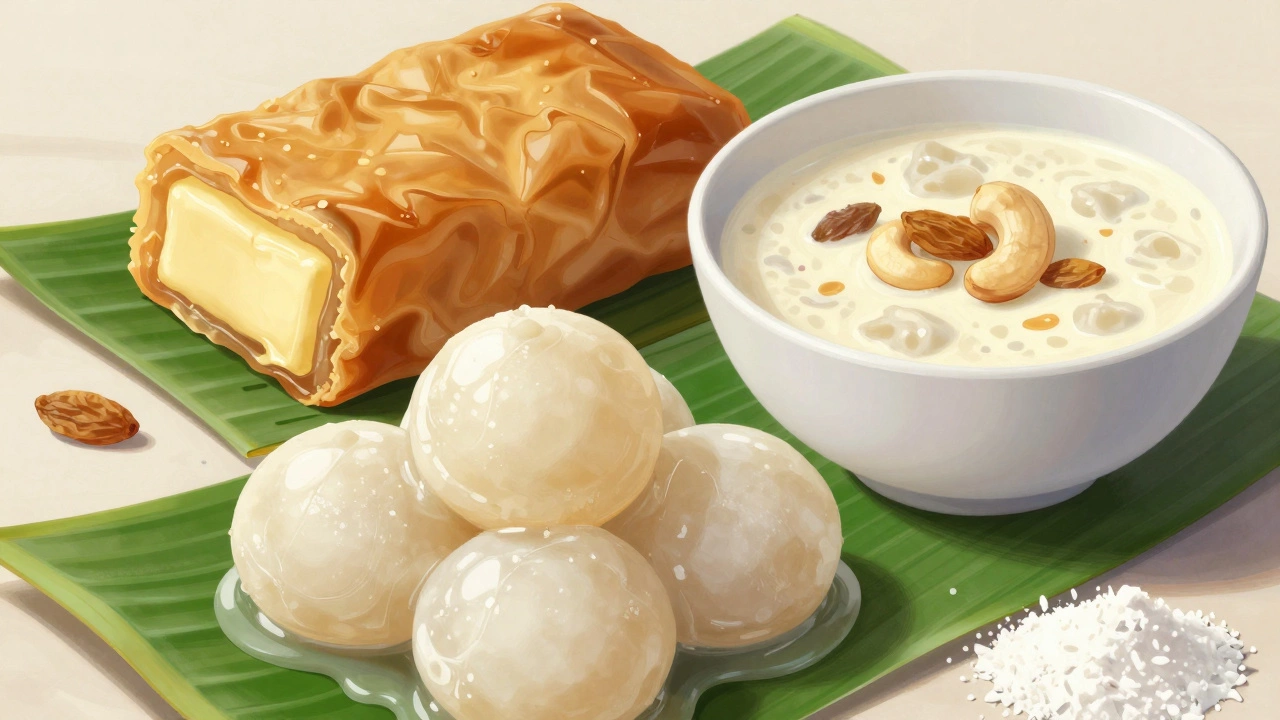
Kerala brings Payasam (also called Prasadam), a pudding-like dessert made with rice, vermicelli, or semolina cooked in milk with jaggery or sugar. It’s commonly offered in temples and served during Onam and Vishu celebrations. The use of coconut milk gives Kerala payasams their distinctive tropical flavor.
Festival Favorites: Sweets That Define Indian Celebrations
To understand what makes a sweet “national,” you must consider its role in festivals. Indian sweets are not just desserts; they’re expressions of joy, prosperity, and community bonding. Different festivals call for specific sweets, creating a calendar of confectionery traditions.
During Diwali, the Festival of Lights, households stock up on assorted mithai boxes containing Barfi, Ladoo, and Kaju Katli. These sweets are exchanged between neighbors, friends, and family members as symbols of goodwill and sweetness in life. The act of sharing sweets strengthens social bonds and reinforces community ties.
Holi, the Festival of Colors, features Gujiya-a fried pastry filled with khoya and dried fruits. Often prepared at home by mothers and daughters working together, Gujiya represents the warmth of family gatherings during spring celebrations.
Eid celebrations across India include sheer khurma, a rich vermicelli pudding made with milk, dates, and nuts. This dish reflects the syncretic nature of Indian cuisine, where Muslim, Hindu, Sikh, and Christian communities share similar festive foods despite different religious backgrounds.
- Diwali → Assorted Mithai Boxes (Barfi, Ladoo, Kaju Katli)
- Holi → Gujiya (Fried Pastry with Khoya Filling)
- Eid → Sheer Khurma (Vermicelli Pudding)
- Navratri → Fasting-Friendly Sweets (Sabudana Khichdi variants)
- Onam → Payasam and Appam
- Pongal → Sakkarai Pongal (Sweet Rice Dish)
How to Make Classic Indian Sweets at Home
Want to experience Indian sweets firsthand? Here’s a simple guide to making three iconic desserts that require minimal equipment but deliver maximum flavor.
Easy Besan Ladoo Recipe: Mix 2 cups roasted gram flour (besan) with 1 cup powdered sugar and ½ cup melted ghee. Add cardamom powder for aroma. Mix until the mixture resembles wet sand, then press into round balls. Store in an airtight container for up to two weeks.
Quick Gulab Jamun Shortcut: Use store-bought khoya mix or dissolve milk powder in warm water to create a dough. Shape into small balls, fry until golden brown, then soak in warm rose-scented sugar syrup for at least 30 minutes before serving.
Simple Rabri Preparation: Hang thickened yogurt in a muslin cloth overnight to drain excess whey. Whisk the resulting curd with sugar, saffron strands, and chopped pistachios. Chill before serving alongside Jalebi for the perfect breakfast combination.
- Always use high-quality ghee for authentic flavor
- Roast flours on low heat to avoid burning
- Prepare sugar syrups ahead of time for better absorption
- Store sweets in cool, dry places away from direct sunlight
- Experiment with natural flavorings like rose water, kewra, and cardamom

Modern Trends: Fusion Sweets and Health-Conscious Alternatives
Traditional Indian sweets are evolving to meet contemporary tastes and health concerns. Urban bakeries now offer chocolate-covered Gulab Jamuns, mango-flavored Rasgullas, and even vegan versions using plant-based milks. These innovations attract younger generations who want familiar flavors with modern twists.
Health-conscious consumers are turning to alternatives made with jaggery instead of refined sugar, reduced-fat dairy products, and whole grain flours. Brands marketing “guilt-free mithai” promise lower calorie counts without sacrificing taste. While purists may debate whether these qualify as authentic Indian sweets, they reflect changing dietary preferences in metropolitan areas.
Online delivery platforms have revolutionized access to regional specialties. You can now order fresh Mysore Pak from Bangalore or Kolkata-style Rosogolla delivered to Mumbai within hours. This convenience has democratized access to previously location-bound delicacies, allowing Indians living abroad to enjoy hometown favorites.
Where to Find Authentic Indian Sweets Abroad
If you live outside India, finding genuine mithai can be challenging but rewarding. Look for established Indian grocery stores with dedicated sweet sections rather than generic bakery counters. Reputable brands like Haldiram’s, Bikanervala, and Local Hero maintain consistent quality across international locations.
For the freshest experience, seek out independent Indian sweet shops run by immigrant families. These establishments often prepare sweets daily using traditional methods inherited from previous generations. Don’t hesitate to ask shopkeepers about their specialty items-they’re usually proud to share stories behind each creation.
When purchasing online, check customer reviews specifically mentioning freshness and packaging quality. Some companies ship vacuum-sealed products that preserve texture and flavor during transit. Always verify shipping timelines to ensure your sweets arrive at peak condition.
Is there an official national sweet of India?
No, India does not have an officially declared national sweet. However, several sweets like Gulab Jamun, Jalebi, and Ladoo are widely considered iconic representatives of Indian confectionery due to their pan-India popularity and cultural significance.
Which sweet is most famous internationally?
Gulab Jamun is arguably the most recognized Indian sweet globally. Its presence in Indian restaurants worldwide and distinctive appearance make it instantly identifiable to non-Indians seeking authentic experiences.
Why do different Indian states claim various sweets as theirs?
Each state develops unique sweets based on local ingredients, climate conditions, and cultural histories. Regional pride leads communities to champion their native desserts, sometimes resulting in friendly disputes over origin stories, such as the Rosogolla-Rasagola debate between West Bengal and Odisha.
Can I make Indian sweets without specialized equipment?
Yes, many basic Indian sweets require only common kitchen tools. Besan Ladoo needs mixing bowls and spoons, while simplified Gulab Jamun recipes work with standard frying pans. Traditional techniques prioritize technique over expensive gadgets.
Are Indian sweets suitable for vegetarians?
Most traditional Indian sweets are vegetarian, relying on dairy products like milk, cream, and ghee rather than meat. However, some premium varieties may contain gelatin or egg whites, so checking ingredient lists is advisable for strict vegetarians.
How long do homemade Indian sweets last?
Properly stored in airtight containers, most Indian sweets remain fresh for 5-7 days at room temperature. Refrigeration extends shelf life to 2-3 weeks but may alter texture slightly. Freezing works well for certain types like Ladoo and Barfi for up to one month.