13 Oct 2026
- 0 Comments
Indian Dessert Matchmaker
India doesn't have one official national dessert. Discover which traditional sweet suits your taste profile best.

Select your preferences on the left to discover which Indian dessert matches your palate.
Flavor Notes
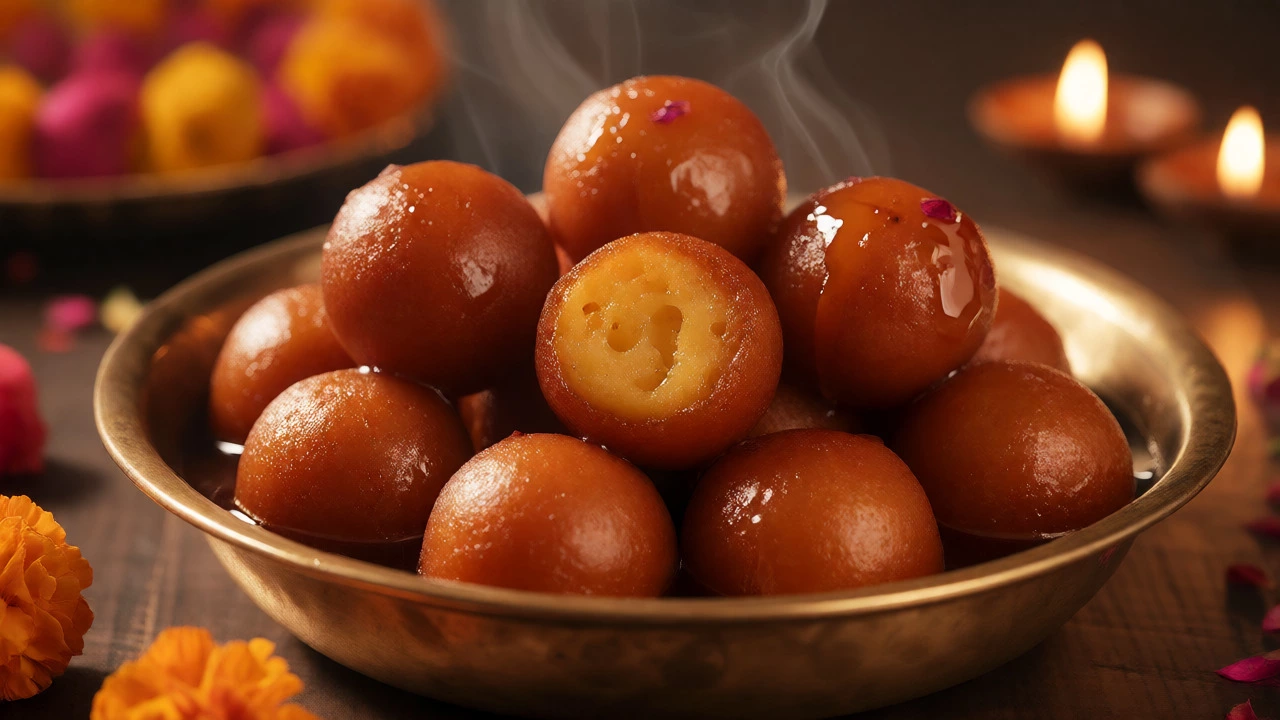
You might think there’s a single, official answer to what is India's national dessert. But here’s the twist: the Government of India hasn’t actually declared one. Unlike Australia’s Pavlova debate or France’s Croissant, India doesn’t have a legally mandated "national sweet." Yet, if you ask anyone from Kashmir to Kanyakumari, the answer almost always points to one iconic treat: Gulab Jamun, deep-fried milk-solid balls soaked in rose-scented sugar syrup.
Why does everyone assume it’s the national dessert? Because Gulab Jamun is everywhere. It sits on wedding tables, festival platters, and even at high-end restaurants in Sydney where I live. It’s the ultimate comfort food. But calling it the sole national dessert ignores the massive diversity of Indian cuisine. So, let’s break down why Gulab Jamun holds this unofficial crown, what other contenders deserve recognition, and how you can identify authentic versions when you’re hunting for street food india.
The Unofficial Crown: Why Gulab Jamun Wins
If you had to pick one dish that represents the sweetness of India across all regions, religions, and classes, it would be Gulab Jamun. Its popularity isn’t just about taste; it’s about accessibility and cultural integration. You’ll find them in luxury hotels in Mumbai and in small roadside stalls in rural Bihar.
The name itself gives away its heritage. "Gulab" means rose, and "Jamun" refers to the dark purple berry fruit native to India. While the modern version uses khoya (dried milk solids) rather than actual jamun berries, the connection remains. This dish perfectly illustrates the fusion of Persian influence with local ingredients. During the Mughal era, court cooks refined milk-based sweets, blending them with rose water and cardamom. Over centuries, this evolved into the round, golden-brown spheres we know today.
What makes Gulab Jamun so universally loved? It’s the texture contrast. A crisp, caramelized exterior gives way to a soft, porous interior that absorbs syrup like a sponge. That first bite is pure joy. Plus, it’s gluten-free by nature since it relies on dairy, not wheat flour, making it safe for many dietary restrictions common in Indian households.
Regional Contenders: The Diversity of Indian Sweets
While Gulab Jamun claims the spotlight, saying it’s the only contender is misleading. India’s culinary map is too diverse for one winner. Let’s look at the heavy hitters that often challenge for the title.
| Dish Name | Primary Region | Main Ingredient | Flavor Profile |
|---|---|---|---|
| Gulab Jamun | All India (North-centric) | Khoya (Milk Solids) | Sweet, Rose, Cardamom |
| Jalebi | North & West India | Fermented Batter (Maida/Yogurt) | Crispy, Syrupy, Tangy |
| Rasgulla | East India (Bengal/Odisha) | Chhana (Fresh Cheese) | Spongy, Light, Sugar Water |
| Ladoo | All India | Ghee, Flour, Semolina | Nutty, Rich, Dry |
| Payasam/Kheer | South India | Milk, Rice/Vermicelli | Creamy, Nutty, Subtle Sweet |
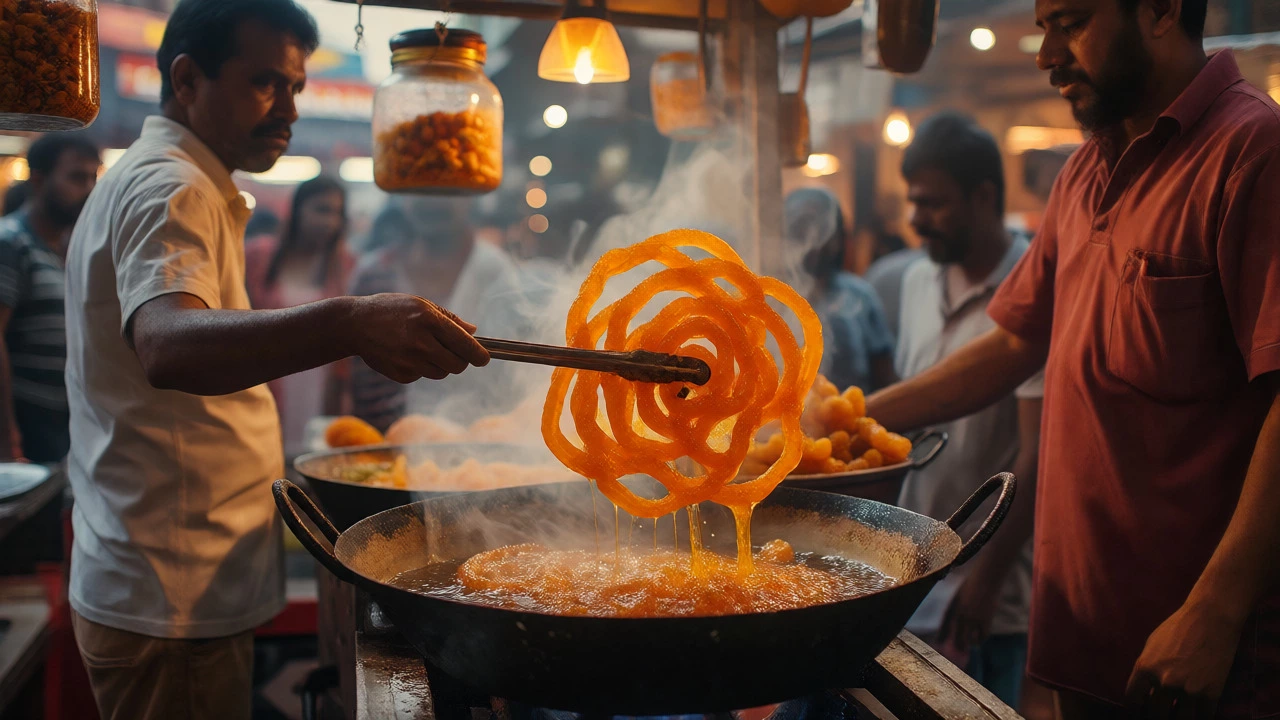
Jalebi is arguably the most popular street food dessert. Unlike Gulab Jamun, which is often homemade or served at events, Jalebi is sold hot off the griddle. It’s made from fermented batter fried in ghee and dipped in saffron-infused syrup. If you’ve ever walked past a sweet shop in Delhi during winter, the smell of frying Jalebis will stop you in your tracks. It’s messy, sticky, and incredibly satisfying.
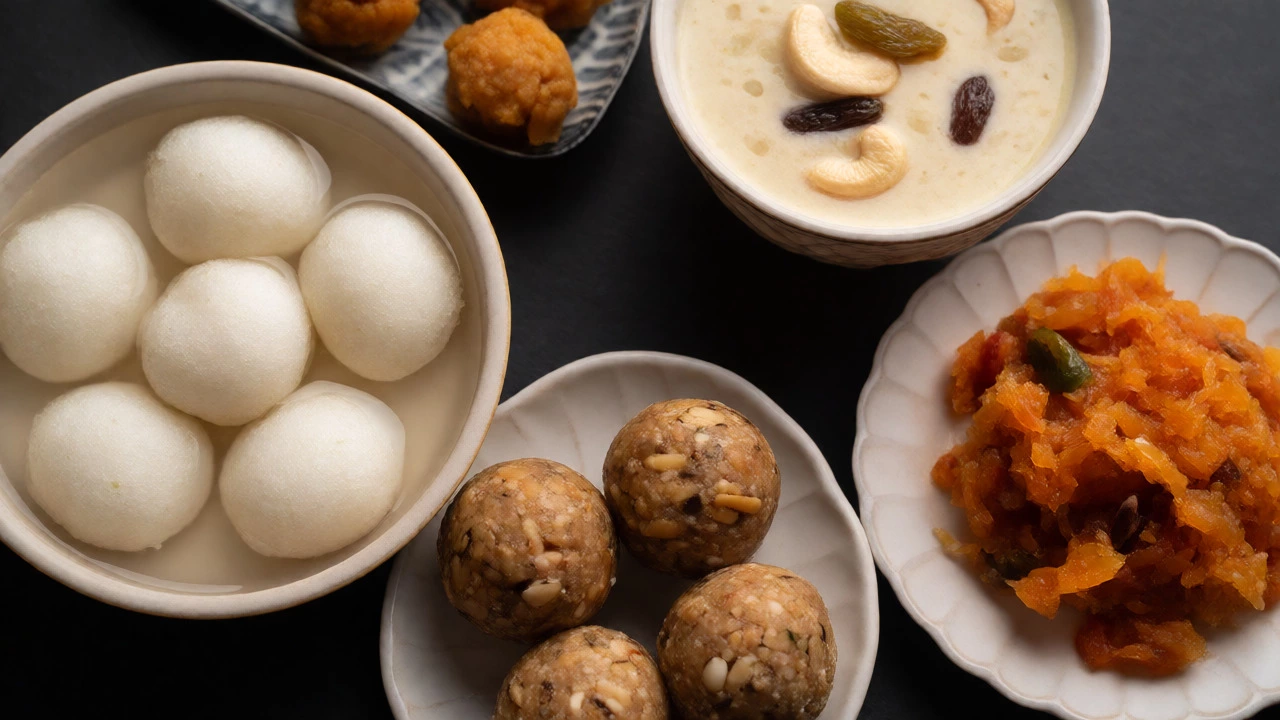
In East India, particularly Bengal, Rasgulla takes precedence. These are white, spongy balls made from chhana (curdled milk) boiled in light sugar syrup. They don’t soak up flavor the same way Gulab Jamun does because they’re already infused with moisture. Rasgulla is lighter and less cloying, appealing to those who prefer subtlety over richness. The rivalry between Bengali Rasgulla and Odia Rasagola is intense, but both hold deep cultural significance.
Down south, Payasam (or Kheer) dominates festivals. Made with milk, rice, vermicelli, or lentils, and flavored with jaggery and coconut, it’s a staple at weddings and religious ceremonies. It reflects the South’s reliance on coconut and jaggery, contrasting sharply with the North’s use of cane sugar and dry fruits.
Street Food vs. Traditional Sweets: What’s the Difference?
When people search for "India's national dessert," they’re often conflating two categories: traditional mithai (sweets) and street food snacks. Gulab Jamun fits both worlds, but dishes like Jalebi or Rabri Falooda lean heavily into street culture.
Traditional sweets are typically preserved for longer periods. Think Barfi or Halwa. These are dense, rich, and designed to last days without refrigeration. Street food desserts, however, are ephemeral. They must be eaten immediately. A cold Jalebi loses its crunch. A lukewarm Kulfi melts into a puddle. This distinction matters if you’re planning a menu or trying to understand the context of these foods.
In Australia, where I live, you’ll see Gulab Jamun in tins at Indian grocery stores. That’s the shelf-stable version. But real Gulab Jamun should be fresh. If you buy pre-packaged ones, heat them gently before serving to restore their softness. Never microwave them on high; they’ll turn rubbery. Instead, warm them in a double boiler or add a splash of warm syrup.
How to Spot Authentic Gulab Jamun
Not all Gulab Jamuns are created equal. Many commercial versions use maida (refined flour) instead of khoya, resulting in a doughy, bread-like texture. Here’s how to tell if you’re getting the good stuff:
- Color: It should be a deep, uniform brown. Pale spots mean undercooking; black spots mean burnt oil.
- Texture: Press it lightly. It should spring back slightly. If it feels hard, it’s stale. If it collapses, it’s over-soaked.
- Syrup Consistency: The syrup shouldn’t be watery. It needs body to coat the jamun. Look for visible strands when lifted with a spoon.
- Aroma: You should smell cardamom and rose. If it smells only like sugar, it lacks authenticity.
Pro tip: Authentic khoya-based jamuns sink slowly in syrup. Flour-based ones float initially and absorb syrup unevenly. If you’re buying from a street vendor, watch them fry. Freshly fried jamuns puff up slightly as they hit the hot oil. Pre-made ones sit in trays looking sad and flat.
The Cultural Role of Sweets in India
To understand why no single dessert was officially declared, you have to look at how sweets function socially. In India, offering sweets is a gesture of respect, celebration, and apology. You don’t just eat dessert after dinner; you give it away.
During Diwali, families exchange boxes of assorted mithai. At weddings, guests receive return gifts containing sweets. Even in business, closing a deal often involves sharing ladoos. This communal aspect makes choosing one "national" dessert difficult. Each region has its own ceremonial sweet. Offering a Bengali family Gulab Jamun might be appreciated, but offering Mishti Doi (sweet yogurt) would show deeper cultural understanding.
This decentralization is part of India’s charm. There’s no central authority dictating taste. Instead, millions of home cooks and street vendors shape the culinary landscape daily. So while Gulab Jamun is the most recognizable face of Indian dessert, it shares the stage with dozens of equally beloved treats.
Trying Indian Desserts Outside India
If you’re in Sydney, London, or New York, finding authentic Indian sweets requires some digging. Supermarket brands often compromise on quality for shelf life. Seek out local Indian grocers or dedicated sweet shops.
Ask for seasonal specials. In winter, look for Gajar Ka Halwa (carrot pudding). In summer, try Mango Shrikhand or Kulfi. Don’t be afraid to ask for samples. Reputable shops will let you taste before you buy. Also, check the ingredient list. Avoid products with artificial colors or preservatives if possible. Real khoya spoils quickly, so freshness is key.
For home cooks, starting with Gulab Jamun mix is fine. But once you master it, try making Khoya at home. Simmer full-fat milk until it reduces to solid mass. It takes hours, but the difference in flavor is night and day. Pair your homemade jamuns with pistachios and edible silver leaf for a festive touch.
Frequently Asked Questions
Is Gulab Jamun really the national dessert of India?
No, India has not officially declared a national dessert. However, Gulab Jamun is widely considered the de facto national dessert due to its pan-Indian popularity and presence at major celebrations.
What is the main ingredient in Gulab Jamun?
The primary ingredient is khoya (also known as mawa), which is dried milk solids. Some cheaper versions use milk powder or maida (refined flour), but authentic recipes rely on khoya for texture and flavor.
Are Indian desserts vegan-friendly?
Most traditional Indian desserts are vegetarian but not vegan, as they rely heavily on milk, ghee, and khoya. Vegan alternatives exist using plant-based milks and oils, but they differ significantly in taste and texture from traditional versions.
How long do Gulab Jamuns last?
Homemade Gulab Jamuns stored in syrup last 2-3 days at room temperature and up to a week in the refrigerator. Store-bought varieties may last longer due to preservatives, but check the label.
What is the difference between Jalebi and Gulab Jamun?
Jalebi is made from fermented batter shaped into coils and fried, resulting in a crispy texture. Gulab Jamun is made from dough rolled into balls and fried, resulting in a soft, spongy texture. Both are soaked in syrup, but their base ingredients and textures are distinct.