30 Jun 2026
- 0 Comments
Gulab Jamun Calorie & Nutrition Calculator
Customize Your Recipe
Nutritional Breakdown
Per serving (based on selection)
Ask ten people from different corners of the world what the most famous food in India is, and you’ll likely get three very different answers. Some will say Biryani, others will shout out Butter Chicken, and a few might mention Dosa. But if we’re talking about the dish that truly represents the soul of the country-a dish that bridges religious divides, regional differences, and social classes-it’s not any of those savory meals. It’s something sweet.
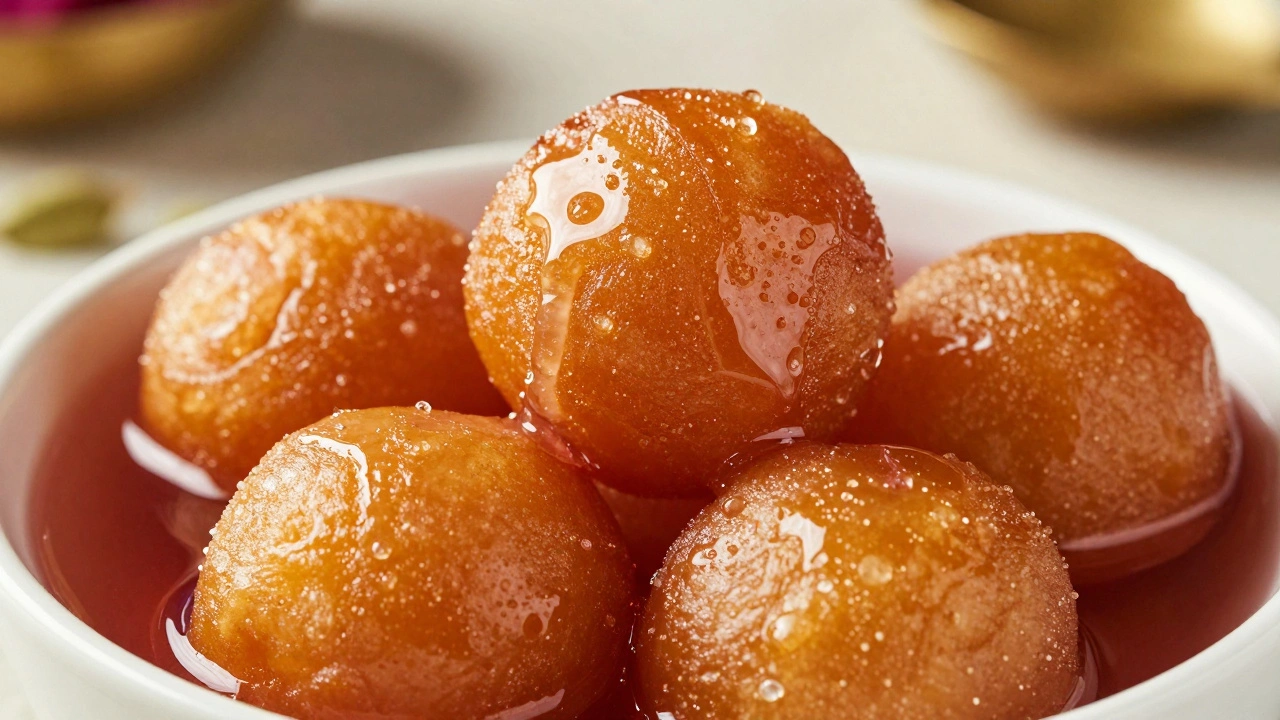
The title of India’s number one famous food often goes to Gulab Jamun. This deep-fried milk-solid dumpling, soaked in rose-scented sugar syrup, is more than just a dessert. It is a cultural phenomenon. From weddings in Mumbai to birthday parties in Kolkata, and even at casual tea stalls in rural villages, Gulab Jamun is everywhere. But why does this specific sweet hold such power over the Indian palate?
Why Sweetness Rules the Indian Palate
To understand why a sweet holds the crown, you have to look at how Indians eat. In Indian culture, sweetness isn’t just a flavor; it’s an emotion. We associate sweet things with good news, celebrations, and auspicious beginnings. When someone achieves a milestone, they don’t just throw a party; they distribute mithai (sweets). This tradition creates a psychological link between happiness and sugar.
While savory dishes like Chole Bhature or Paneer Tikka are beloved, they are often tied to specific regions or meal times. You eat Chole Bhature for breakfast in North India. You eat Dosa for breakfast in South India. But Gulab Jamun? You can eat it anytime. It is the universal constant of Indian hospitality. If you visit an Indian home, no matter where it is, you will be offered something sweet. And 90% of the time, that something is Gulab Jamun or a variation of it.
The Anatomy of the Perfect Gulab Jamun
So, what makes this little ball of dough so special? It’s all about texture and temperature. A great Gulab Jamun should be soft enough to melt in your mouth but firm enough to hold its shape when dipped in syrup. The exterior should be porous enough to absorb the syrup without falling apart.
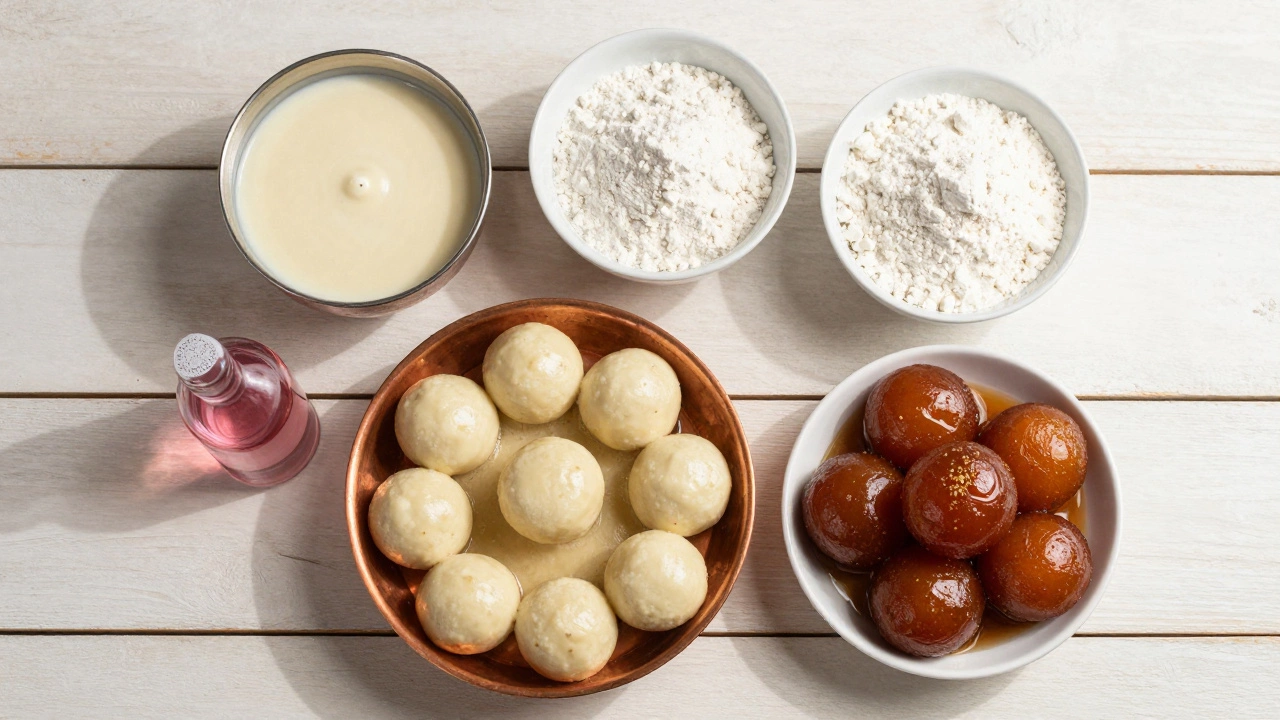
The magic lies in the ingredients. Traditional recipes use Khoya (reduced milk solids) or Mawa. Khoya gives the jamun a dense, rich texture that flour-based versions can’t match. However, modern home cooks often use Milk Powder because it’s easier to find and cheaper. Both methods work, but the taste profile shifts slightly. Khoya tastes richer and creamier, while milk powder yields a lighter, spongier result.
The syrup is equally important. It’s not just sugar and water. It’s infused with Rose Water and sometimes Cardamom. The rose water cuts through the heaviness of the fried dough, adding a floral note that balances the sweetness. Without it, the dish feels flat. With it, it becomes aromatic and refreshing.
Regional Variations: It’s Not Just One Recipe
India is vast, and naturally, the "number one" food changes shape depending on where you are. While Gulab Jamun is the national champion, there are local runners-up that deserve mention.
| Region | Famous Sweet Variation | Key Ingredient Difference |
|---|---|---|
| North India | Gulab Jamun | Khoya/Mawa based, rose syrup |
| South India | Kadala Mittai | Black gram flour (Urad dal), ghee heavy |
| West India (Gujarat) | Mohanthal | Gram flour (Besan), jaggery/sugar |
| East India (Bengal) | Rosogolla | Cottage cheese (Chenna), light syrup |
In Bengal, for instance, the Rosogolla is king. It’s made from chenna (fresh cottage cheese) rather than khoya, making it softer and sponge-like. In South India, Kadala Mittai takes the spotlight during festivals, made from black gram flour and cooked in ghee until dark brown. These variations show that while the concept of "sweet dumplings in syrup" is universal, the execution is deeply local.

How to Make Authentic Gulab Jamun at Home
If you want to experience why this dish is so famous, you have to make it yourself. Store-bought versions are often too hard or too soggy. Here is a simple approach using milk powder, which is accessible to most home cooks.
- Prepare the Dough: Mix 1 cup full-fat milk powder, ½ cup all-purpose flour (maida), ¼ tsp baking soda, and 2-3 tbsp milk. Knead gently into a soft, non-sticky dough. Do not over-knead, or the jamuns will become hard.
- Shape Them: Divide the dough into small, smooth balls. Ensure there are no cracks on the surface. Cracks cause oil to enter the dough during frying, leading to uneven cooking.
- Fry Slowly: Heat ghee or oil on low flame. Fry the balls slowly. They need time to cook through without browning too quickly. Turn them occasionally until they are golden brown. This usually takes 10-15 minutes.
- Make the Syrup: While frying, boil 1 cup sugar with 1 cup water. Add a pinch of cardamom powder and 1 tsp rose water. Let it simmer for 5 minutes until slightly thickened.
- Soak Immediately: Transfer the hot fried balls directly into the warm syrup. Let them soak for at least 30 minutes before serving. They will expand and absorb the flavor.
The key here is patience. Low heat for frying and warm syrup for soaking are non-negotiable steps for that melt-in-the-mouth texture.
The Cultural Impact of Indian Sweets
Indian sweets recipes are not just about feeding hunger; they are about feeding relationships. In many Indian households, the preparation of sweets is a communal activity. During festivals like Diwali or Eid, families gather to prepare batches of Gulab Jamun, Jalebi, and Barfi. This shared labor strengthens bonds and passes down culinary traditions from grandparents to grandchildren.
Moreover, sweets play a crucial role in Indian etiquette. Offering sweets to guests is a sign of respect and welcome. Refusing sweets can sometimes be seen as rejecting the host’s goodwill. This social pressure ensures that the art of making sweets remains alive and relevant. Even younger generations, who might skip learning how to make complex curries, often know how to make basic sweets because they are expected to offer them to elders.
Health Considerations and Modern Twists
Let’s be honest: Gulab Jamun is not a health food. It’s deep-fried dough soaked in sugar syrup. A single piece can contain around 100-150 calories, mostly from sugar and fat. For those watching their weight or managing diabetes, traditional Gulab Jamun is a challenge.
However, the demand for healthier options has led to innovative twists. Many home cooks now experiment with:
- Oven-Baked Versions: Using less oil by baking the dough balls instead of frying them.
- Jaggery Syrup: Replacing refined white sugar with Jaggery, which contains minerals and has a lower glycemic index.
- Protein-Rich Dough: Adding soy chunks or protein powder to the dough to boost nutritional value.
These adaptations allow people to enjoy the nostalgic taste without completely derailing their health goals. It shows how traditional foods evolve to meet modern needs while keeping their core identity intact.
Conclusion: Why Gulab Jamun Wins
So, is Gulab Jamun really India’s number one famous food? If we measure fame by ubiquity, emotional connection, and cross-regional appeal, then yes. It transcends language barriers. Whether you speak Hindi, Tamil, Bengali, or English, everyone knows what Gulab Jamun is. It is the edible symbol of Indian joy.
While savory dishes dominate daily meals, sweets dominate memories. When you think of India, you think of vibrant colors, loud celebrations, and generous hospitality. Gulab Jamun embodies all three. It’s colorful, it’s celebratory, and it’s always shared. That’s why, despite the competition from Biryani and Butter Chicken, this humble milk dumpling remains the undisputed champion of Indian cuisine.
Is Gulab Jamun vegan?
Traditional Gulab Jamun is not vegan because it uses milk powder, khoya (milk solids), and sometimes ghee. However, you can make a vegan version using plant-based milk powders (like oat or almond) and vegetable oil for frying. The texture may differ slightly, but it still tastes delicious.
How long do Gulab Jamuns last?
Homemade Gulab Jamuns stay fresh for up to 3-4 days in the refrigerator. Store them in an airtight container. Avoid freezing them as the texture becomes mushy upon thawing. For best results, consume them within 24 hours of making.
What is the difference between Gulab Jamun and Rosogolla?
Gulab Jamun is made from khoya or milk powder and is deep-fried, giving it a dense texture. Rosogolla is made from chenna (cottage cheese) and is boiled in syrup, resulting in a soft, spongy, and juicy texture. Rosogollas are also larger and whiter compared to the darker, smaller Gulab Jamuns.
Can I make Gulab Jamun without khoya?
Yes, absolutely. Many home cooks use full-fat milk powder mixed with a little flour. This method is easier and more affordable than preparing khoya from scratch. The result is slightly lighter but still very tasty and authentic-tasting.
Why do my Gulab Jamuns crack while frying?
Cracking usually happens due to three reasons: the dough was kneaded too much (developing gluten), the oil temperature was too high (causing rapid expansion), or the dough balls had air pockets. To fix this, knead gently, fry on low heat, and ensure the dough balls are smooth and compact before frying.