21 Jul 2026
- 0 Comments
Raita Recipe & Pairing Builder
Select your Biryani style below to see recommended pairings, then customize your ingredients to generate a recipe.
Chicken / Mutton
Rich, earthy, spicyVegetable
Firm veggies, moderate spiceHyderabadi (Fiery)
Intense heat, needs coolingReady to cool down?
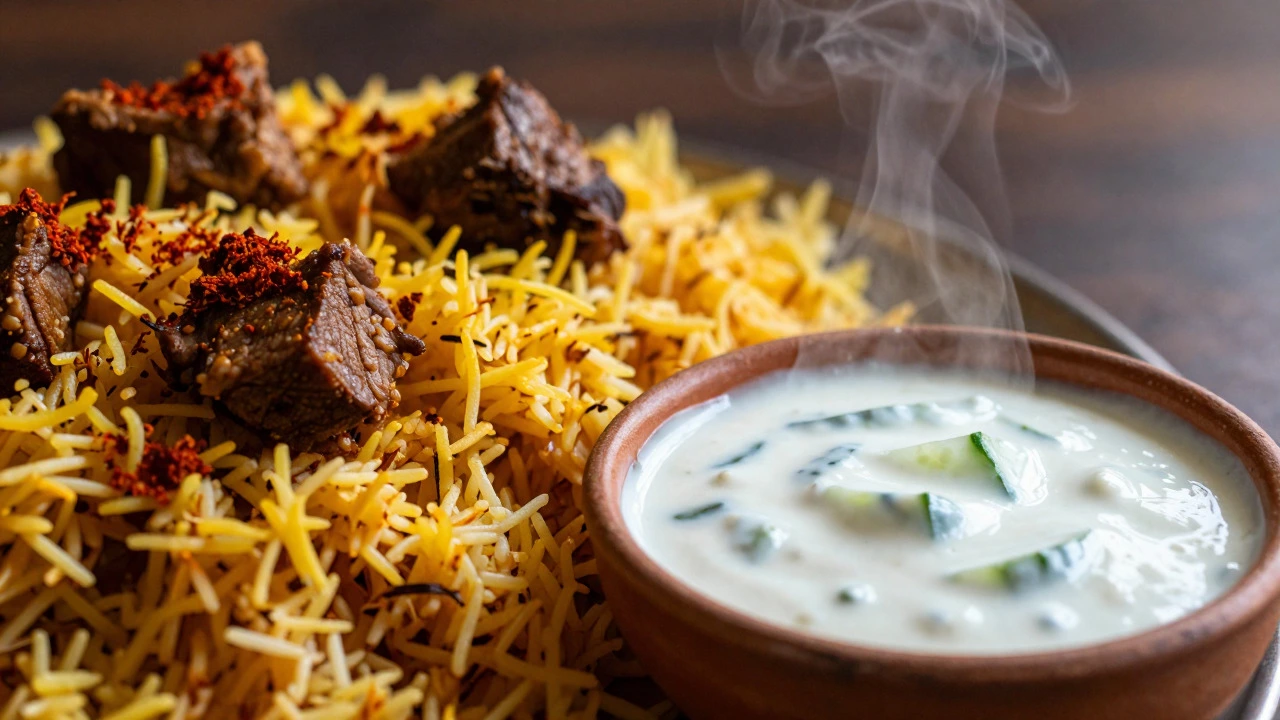
You’ve just taken your first bite of that perfectly spiced, fiery hot Biryani. The rice is fragrant with saffron and star anise, the meat is tender, but suddenly your mouth feels like it’s on fire. You look down at the plate, and there it is: a small bowl of creamy white liquid sitting right next to the rice. What is this mysterious white stuff? Is it sour cream? Is it melted cheese? Or is it something else entirely?
If you’ve ever ordered biryani in Australia, India, or anywhere in the world where South Asian cuisine thrives, you’ve likely encountered this side dish. It’s not just a random addition; it’s the essential counterbalance to the heat. That white liquid is almost certainly Raita, a traditional yogurt-based condiment served alongside spicy dishes like biryani to cool the palate and aid digestion. But before you assume every white dip is the same, let’s break down exactly what it is, why it matters, and how to make sure you’re getting the real deal.
The Cooling Powerhouse: What Exactly Is Raita?
Raita is a chilled mixture of yogurt, chopped vegetables, and herbs. Think of it as the Indian answer to guacamole or tzatziki, though it serves a very specific culinary purpose. In the context of biryani, which is often cooked with heavy spices like red chili powder, black pepper, and garam masala, raita acts as a thermal and chemical buffer. The lactose and proteins in the yogurt bind to capsaicin-the compound that makes chili peppers hot-washing it away from your tongue’s receptors.
It’s not just about temperature; it’s about chemistry. Water alone doesn’t dissolve capsaicin well, but fat does. Yogurt contains milk fat, making it highly effective at neutralizing spice. When you scoop up a spoonful of raita along with your biryani, you aren’t just adding flavor; you are actively managing the heat level of the meal. Without it, many regional variations of biryani would be too intense for most palates to enjoy in large quantities.
The base is always yogurt. Specifically, thick, full-fat yogurt works best. In India, this is often homemade curd (Dahi), which has a tangier, more complex flavor profile than the sweetened, watery yogurts found in many Western supermarkets. If you’re using store-bought yogurt in Sydney or elsewhere, look for plain, unsweetened Greek-style yogurt or hung curd. Thin, runny yogurt will water down your biryani if you mix it in, defeating the purpose of the texture contrast.
Why Does Biryani Need a Side Dish?
Biryani is a complete meal in itself, packed with carbohydrates, protein, and fats. So why add another dairy product? The answer lies in digestive health and flavor balance. Traditional Indian cooking philosophy emphasizes Ayurvedic principles, where foods are categorized by their effects on the body. Spicy, dry foods like roasted meats and fried onions are considered "heating." Yogurt is considered "cooling" and soothing to the gut lining.
Furthermore, biryani is rich. The slow-cooking process (Dum) infuses the rice with ghee or oil. Eating a large portion of this can feel heavy. The acidity of the fermented yogurt helps cut through that richness, acting similarly to how lemon juice cuts through fatty fish. It refreshes the palate between bites, allowing you to taste the subtle notes of cardamom and cloves in the rice rather than just the overwhelming heat of the chilies.
Without raita, the experience is one-dimensional. With it, you get a dynamic interplay of textures: the fluffiness of the rice, the tenderness of the meat, and the smooth, cool creaminess of the yogurt. It transforms a potentially overwhelming meal into a balanced, harmonious dining experience.
Not All White Liquids Are Created Equal
While raita is the most common white accompaniment, you might encounter other white substances depending on where you eat. It’s crucial to know the difference so you don’t end up with a confused palate.
| Item | Primary Ingredient | Texture | Best Paired With |
|---|---|---|---|
| Raita | Yogurt + Cucumber/Mint | Thick, chunky, cool | All types of Biryani |
| Curd/Dahi | Plain Yogurt | Smooth, tangy, simple | Very spicy Hyderabadi Biryani |
| Milk Cream | Heavy Cream/Milk | Liquid, rich, unseasoned | Kolkata Biryani (sometimes added during cooking) |
| Buttermilk (Chaas) | Watered-down Yogurt | Thin, drinkable, salty | Served as a beverage, not a dip |
Notice the distinction? Raita is seasoned and textured. Plain curd is just yogurt. Milk cream is rarely served on the side in modern restaurants unless it’s a specific regional variation. And buttermilk is a drink. If you see a white liquid that looks like soup, ask if it’s chaas (buttermilk) or a thin raita. If it looks like a dip with visible chunks of green or white, it’s raita.
Variations: More Than Just Cucumber
While cucumber raita is the global standard, the "white liquid" you receive might have different ingredients based on the region of the biryani. Understanding these variations helps you appreciate the nuance of the dish.
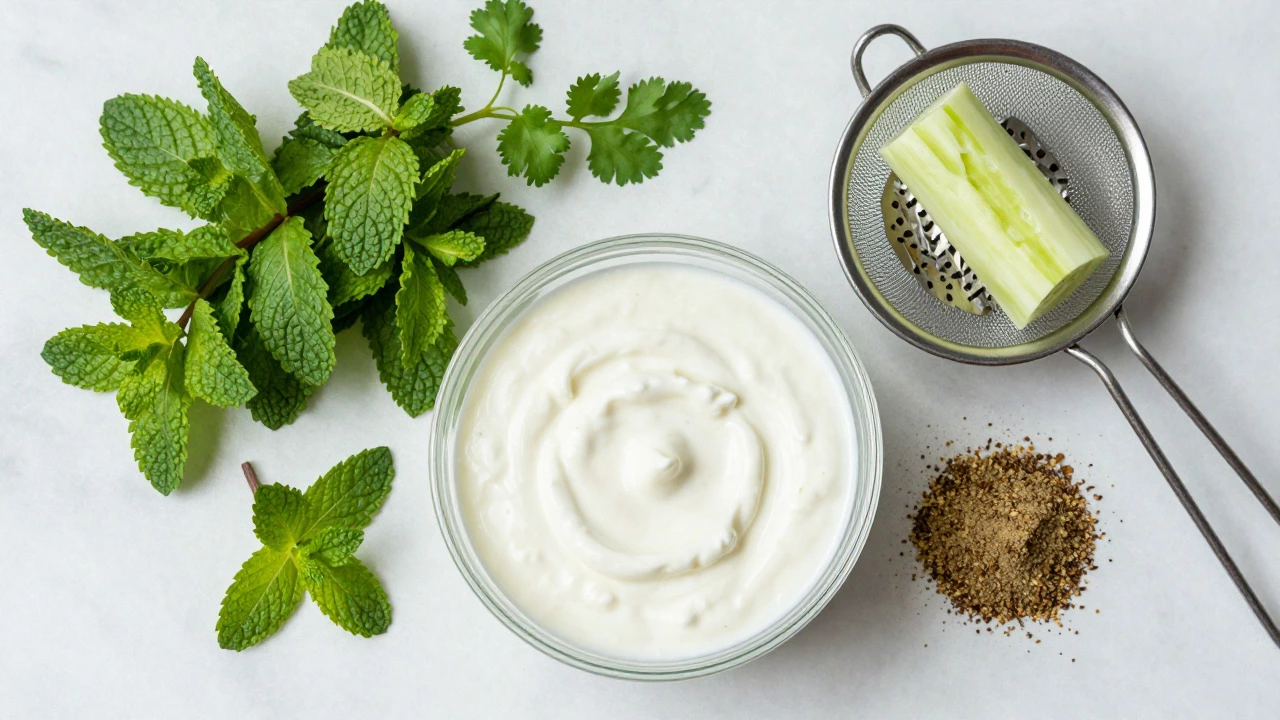
- Cucumber Raita: The classic. Grated cucumber releases water, making the yogurt slightly thinner and refreshing. It’s the safest bet and pairs with everything.
- Mint Raita: Chopped fresh mint leaves add a cooling aromatic quality. This is particularly popular with chicken and mutton biryanis because mint complements the earthiness of the meat.
- Boondi Raita: This includes tiny fried gram flour droplets (boondi). It adds a crunchy texture to the smooth yogurt. It’s heavier and richer, often served with vegetarian biryanis.
- Onion Raita: Raw onions are finely chopped and soaked in water to remove sharpness, then mixed with yogurt. This adds a pungent kick that stands up to very strong spices.
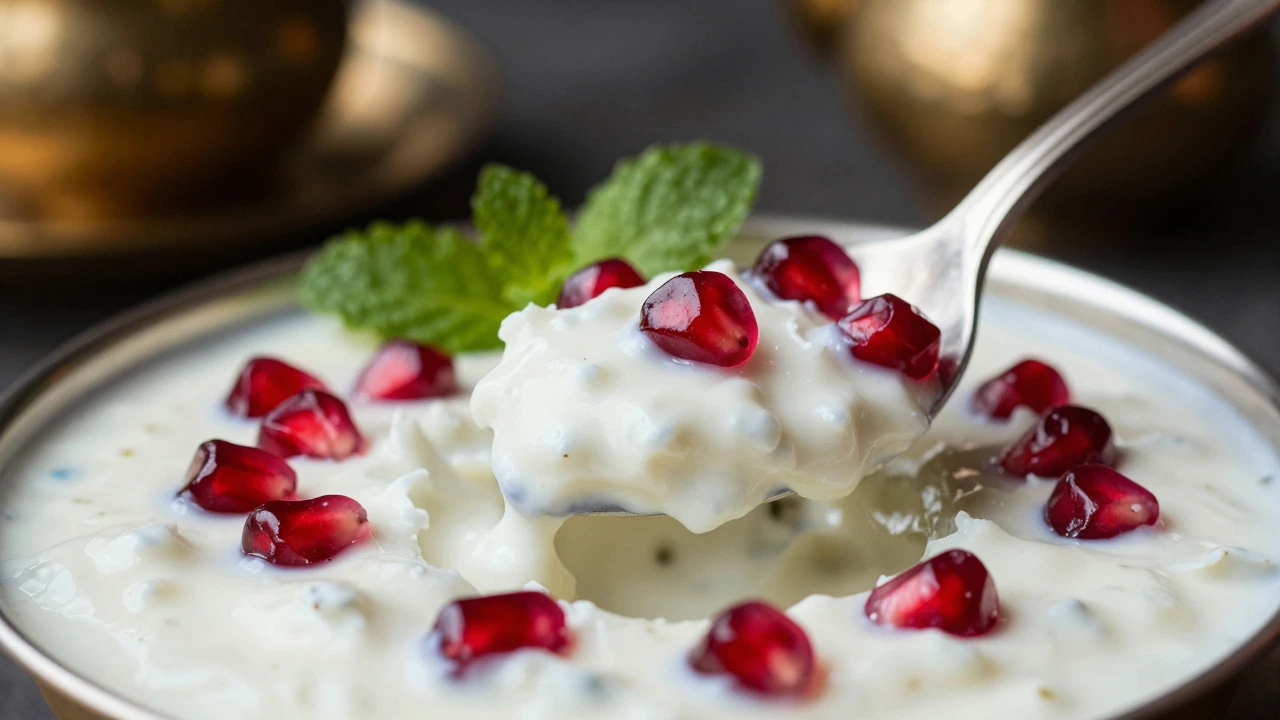
- Pomegranate Raita: Adds bursts of sweetness and tartness. The jewel-red seeds against the white yogurt also make for beautiful presentation.
In Sydney, many Indian restaurants offer a "combo raita" that mixes cucumber, mint, and onion. This gives you all the benefits: hydration from the cucumber, aroma from the mint, and zing from the onion. Don’t be afraid to ask your server what’s inside if it looks unusual. A raita with tomatoes, for instance, will be much tangier and redder than the standard white version.
How to Make Perfect Raita at Home
If you’re cooking biryani at home, skipping the raita is a mistake. Making it takes five minutes and elevates the entire meal. Here’s how to get it right without buying expensive ingredients.
- Choose the Right Yogurt: Use full-fat, plain yogurt. Low-fat yogurt lacks the mouthfeel needed to coat the tongue and neutralize spice. If your yogurt is too runny, hang it in a muslin cloth for an hour to drain excess whey. This creates "hung curd," which is thicker and creamier.
- Prep the Vegetables: For cucumber, peel it if the skin is tough, then grate it. Place the grated cucumber in a sieve and sprinkle with a little salt. Let it sit for 10 minutes, then squeeze out the excess water. This prevents your raita from becoming watery sludge.
- Season Sparingly: Mix the drained cucumber with the yogurt. Add a pinch of roasted cumin powder (this is key for authentic flavor), a dash of salt, and fresh chopped coriander or mint. Avoid adding chili powder here; the biryani provides enough heat.
- Chill It: Raita should be cold. Refrigerate it for at least 30 minutes before serving. The temperature contrast between the hot biryani and cold raita is part of the sensory experience.
Pro tip: If you’re short on time, use a high-quality store-bought plain yogurt and just mix in grated cucumber and cumin powder. It won’t be perfect, but it will do the job. Avoid flavored yogurts like vanilla or fruit blends-they will clash horribly with the savory spices of the biryani.
Common Mistakes to Avoid
Even experienced cooks mess up raita sometimes. Here are the pitfalls to watch out for:
- Using Sweet Yogurt: Many Western yogurts have added sugar. Taste your yogurt before mixing. If it’s sweet, it will create a weird sweet-savory conflict with the salty, spicy biryani.
- Adding Too Much Water: If you try to thin out thick yogurt with tap water, you dilute the flavor. Instead, use the natural juices from the vegetables or a splash of milk if necessary.
- Over-Seasoning: Raita is a sidekick, not the star. If your raita is too salty or too spicy, it will overpower the delicate flavors of the biryani rice. Keep it mild and refreshing.
- Serving Warm: Never serve raita at room temperature. It loses its cooling effect and can spoil faster. Always keep it chilled until the moment you serve.
The Cultural Context of Raita
In Indian households, raita isn’t just a garnish; it’s a staple. It appears on tables daily, not just with biryani, but with dal, roti, and even plain rice. It’s a symbol of hospitality and care. Serving someone a spicy dish without a cooling agent is considered inconsiderate. It shows a lack of understanding of how the food affects the body.
When you order biryani in a restaurant, the inclusion of raita signals that the chef understands balance. It’s a sign of authenticity. If a restaurant serves you a fiery Hyderabadi dum biryani without any form of yogurt accompaniment, question the menu’s integrity. They might be trying to save costs, or they might not understand the cultural importance of the pairing.
In Australia, where Indian cuisine is increasingly popular, many fusion restaurants experiment with raita. You might find avocado raita or mango raita. These can be delicious, but stick to traditional versions when eating classic biryani. The goal is to complement, not compete.
Final Thoughts on the White Companion
Next time you sit down to a plate of biryani, don’t ignore that small bowl of white goodness. It’s not an afterthought. It’s the key to unlocking the full potential of the dish. Whether it’s cucumber raita, mint raita, or plain curd, it’s there to protect your palate, soothe your stomach, and enhance every bite. Treat it with respect, mix it wisely, and enjoy the harmony of flavors that defines true Indian cooking.
Is the white liquid in biryani always yogurt?
In 95% of cases, yes. The white liquid is raita, which is made from yogurt. Occasionally, in some Kolkata-style biryanis, a small amount of milk or cream may be added during the cooking process, but the side dish served separately is almost always yogurt-based.
Can I eat raita if I am lactose intolerant?
Traditional raita is high in lactose. However, fermented yogurt is easier to digest than milk for many people with mild intolerance. If you are strictly lactose intolerant, ask for a coconut-based raita, which uses coconut milk instead of dairy. It provides a similar cooling effect.
Why is my raita watery?
Watery raita usually happens because the vegetables (like cucumber) release too much water, or the yogurt used was too thin. To fix this, salt your grated vegetables and squeeze out the excess liquid before mixing them with thick, hung yogurt.
Does raita go with vegetable biryani?
Absolutely. Vegetable biryani can still be quite spicy. Raita helps balance the heat and adds a creamy texture that contrasts nicely with the firm vegetables like potatoes and carrots often found in veg biryani.
What is the difference between raita and tzatziki?
Both are yogurt-cucumber dips, but tzatziki is Greek and typically uses olive oil, garlic, and dill. Raita is Indian and uses cumin, coriander, and sometimes mint. Tzatziki is sharper and oilier, while raita is cooler and more refreshing.