23 Jun 2026
- 0 Comments
Biryani Health & Calorie Estimator
Configure Your Meal
Nutritional Breakdown
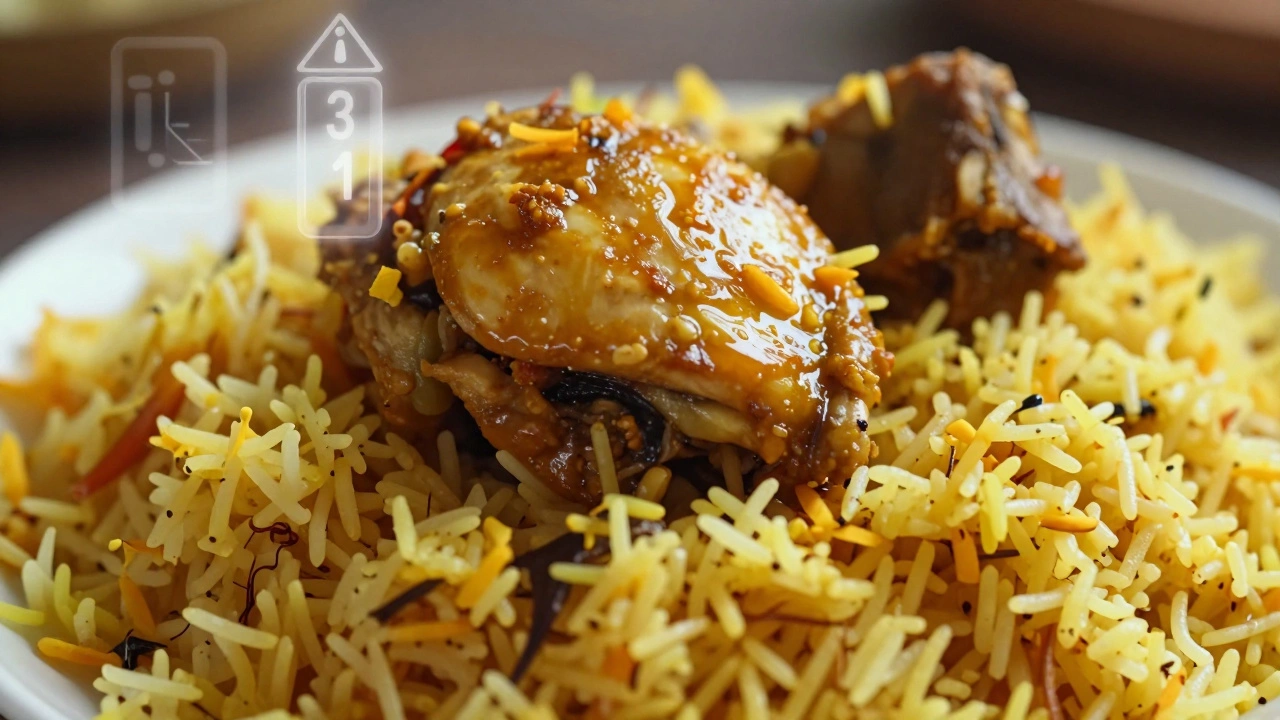
--That first bite of biryani is pure magic. The aroma of saffron and roasted cumin hits you before you even see the plate. The rice grains are separate, fluffy, and stained with turmeric or food coloring. But let’s be honest for a second. After you finish that massive portion, followed by a heavy raita and maybe some dessert, you feel it. That sluggish, heavy sensation in your stomach. You might wonder why this dish, often celebrated as a royal delicacy, leaves you feeling so weighed down.
We love biryani. It’s a staple at weddings, festivals, and family gatherings across India and beyond. But if you are watching your weight, managing blood sugar, or just trying to eat cleaner, you need to know what’s actually going on in that pot. It isn’t just "rice and meat." It’s a complex layering of fats, carbs, and sodium. Let’s break down exactly what makes traditional biryani unhealthy and how you can still enjoy it without ruining your diet.
The Calorie Bomb: Understanding the Base
To understand the health impact, we have to look at the core components. Biryani is essentially a carb-heavy dish dressed up with protein and fat. The foundation is long-grain basmati rice. While basmati has a lower glycemic index than white short-grain rice, the sheer volume used in biryani is staggering. A typical restaurant serving can contain 300 to 400 grams of cooked rice. That alone is 400-500 calories, mostly from carbohydrates.
Then there is the cooking method. Traditional biryani uses the dum technique, where the pot is sealed and slow-cooked. To keep the rice moist and prevent sticking during this long process, cooks use significant amounts of oil or ghee. Ghee, while delicious and culturally significant, is pure saturated fat. One tablespoon of ghee has about 120 calories and 14 grams of fat. In a large batch of biryani, chefs might use half a cup or more. This means a single serving can easily rack up 300-500 calories just from added fats, not counting the rice or meat.
| Nutrient | Amount (Approx.) | Daily Value % |
|---|---|---|
| Calories | 600 - 800 kcal | 30% - 40% |
| Total Fat | 25g - 35g | 35% - 50% |
| Saturated Fat | 10g - 15g | 50% - 75% |
| Carbohydrates | 70g - 90g | 25% - 30% |
| Sodium | 800mg - 1200mg | 35% - 50% |
| Protein | 20g - 30g | 40% - 60% |
The Invisible Enemy: Sodium Overload
If calories are the obvious culprit, sodium is the silent killer in biryani. Indian cuisine relies heavily on salt for flavor preservation and enhancement. In biryani, salt is added at multiple stages: when marinating the meat, when parboiling the rice, and when layering the spices. Many home cooks and restaurants also use salted yogurt and salted fried onions (birista) which adds even more hidden sodium.
A single plate of biryani can contain over 1,000 milligrams of sodium. The American Heart Association recommends no more than 2,300 mg per day, with an ideal limit of 1,500 mg for most adults. So, one meal puts you halfway to your daily limit. High sodium intake is directly linked to high blood pressure, heart disease, and stroke. If you pair your biryani with a salty pickle (achar) or a heavily salted raita, you are likely exceeding your daily sodium allowance in one sitting.
Fried Onions and Saturated Fats
You cannot make authentic biryani without birista-deep-fried sliced onions. These golden-brown onions add sweetness, texture, and color. However, they are essentially sugar and fat. Onions contain natural sugars, and when deep-fried in oil or ghee, those sugars caramelize and absorb the fat. A cup of fried onions can add 200-300 calories and significant amounts of trans fats if the oil is reused, which is common in commercial kitchens.
Furthermore, the type of meat matters. Hyderabadi biryani often uses mutton or goat, which can be quite fatty depending on the cut. If the cook doesn’t trim the visible fat, you are eating a lot of saturated animal fat alongside the saturated fat from the ghee. For vegetarians, paneer (Indian cottage cheese) is often used. While paneer is high in protein, it is also very high in saturated fat and calories, especially when fried in oil before being layered into the biryani.

The Rice Problem: Glycemic Spikes
Basmati rice is often touted as a healthier option because it is less sticky and has a lower glycemic index (GI) compared to other white rices. However, when cooked in large quantities with water and then mixed with fats, the overall carbohydrate load remains high. For people with diabetes or insulin resistance, a large portion of biryani can cause a significant spike in blood sugar levels.
The issue isn’t just the rice itself, but the ratio. In many recipes, the ratio of rice to meat is 3:1 or even 4:1. This means you are consuming a massive amount of refined carbohydrates with relatively little protein or fiber to slow down digestion. Fiber is crucial for stabilizing blood sugar, and traditional biryani lacks substantial fibrous vegetables unless specifically added as a side dish.
Hidden Sugars and Preservatives
Many modern biryani recipes, especially those found in restaurants or packaged mixes, include added sugar to balance the heat of chilies and the sourness of tomatoes or lemon juice. Sugar enhances the savory flavors but adds empty calories. Additionally, some commercial spice blends may contain anti-caking agents or preservatives that aren’t part of a whole-food diet.
Food coloring is another concern. Bright yellow or orange hues are often achieved using synthetic dyes like Tartrazine or Sunset Yellow rather than natural turmeric or saffron. While generally recognized as safe in small amounts, frequent consumption of artificial colors has been linked to hyperactivity in children and potential allergic reactions in sensitive individuals.
How to Make Biryani Healthier Without Losing Flavor
Does this mean you should never eat biryani again? Absolutely not. Food is culture, joy, and memory. The goal isn’t deprivation; it’s modification. Here are practical ways to reduce the health risks while keeping the soul of the dish intact.
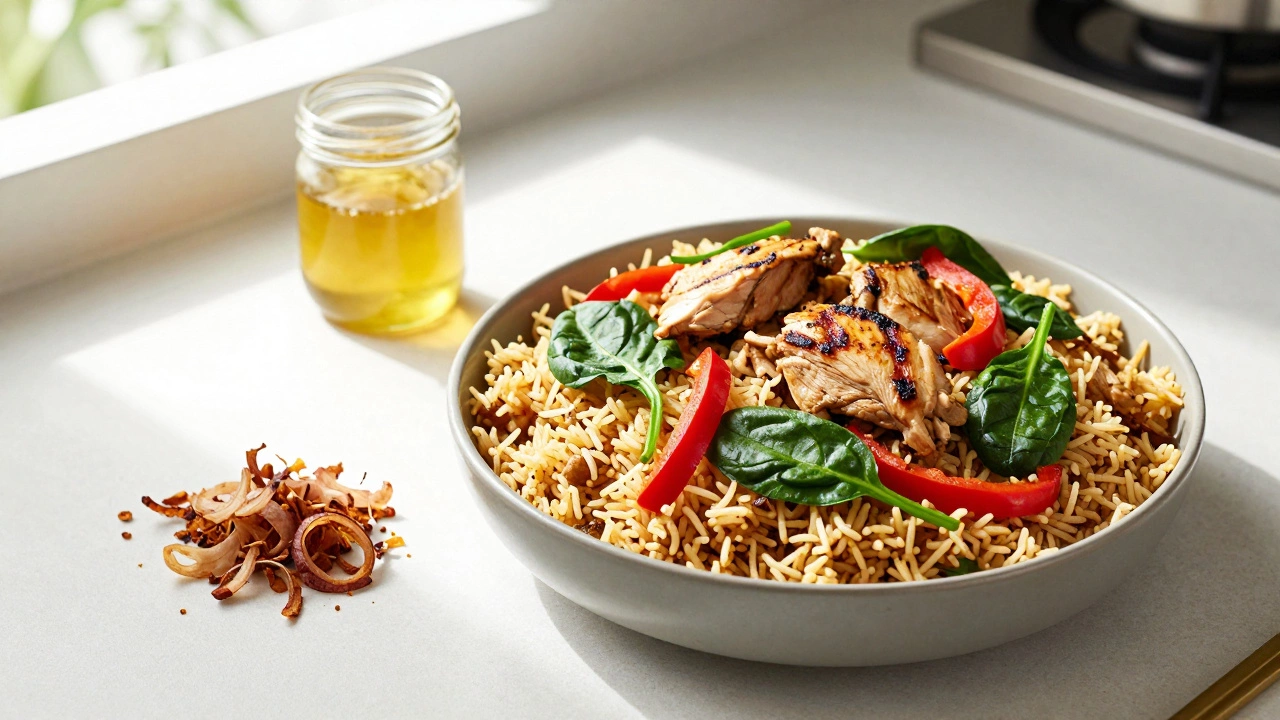
- Swap the Oil: Use cold-pressed coconut oil, mustard oil, or olive oil instead of ghee or refined vegetable oils. Reduce the quantity by half. You don’t need to drown the rice in fat to get it to cook properly.
- Boost the Protein: Increase the ratio of meat or lentils to rice. Aim for a 1:1 ratio. Adding chicken breast, fish, or lean beef reduces the carb load per bite. For vegetarians, use tofu or chickpeas instead of paneer.
- Add Vegetables: Don’t just stick to potatoes and carrots. Add spinach, bell peppers, peas, and cauliflower. These add fiber, vitamins, and bulk without adding many calories. They also help slow down sugar absorption.
- Control the Salt: Use low-sodium broth for cooking the rice. Marinate the meat with herbs like mint, coriander, and ginger-garlic paste to boost flavor without relying solely on salt. Taste before adding extra salt at the end.
- Skip the Fried Onions: Or better yet, roast them in the oven with a spray of oil instead of deep-frying. Or use caramelized onions made slowly in a pan with minimal oil. This cuts down on fat and acrylamide formation.
- Use Brown Basmati: If available, brown basmati rice retains the bran layer, offering more fiber and nutrients. It takes longer to cook but is worth the effort for health benefits.
Portion Control is Key
Even with healthier modifications, biryani is a dense meal. Practice portion control. Serve yourself a smaller portion of biryani and fill the rest of your plate with a large salad or a bowl of cucumber-tomato raita with live cultures (probiotics). This helps aid digestion and provides a sense of fullness without overloading on calories.
Drink plenty of water before and after the meal. Avoid sugary drinks like soda or sweetened lassi. Opt for plain water, herbal tea, or unsweetened buttermilk. This helps flush out excess sodium and prevents dehydration, which can sometimes be mistaken for hunger.
The Verdict: Balance, Not Bans
Biryani is not inherently "bad," but traditional preparations are undeniably high in calories, saturated fats, sodium, and refined carbs. The unhealthy aspects come from the cooking methods and ingredient ratios, not the concept of the dish itself. By making conscious choices about fats, proteins, and portions, you can transform biryani from a guilty pleasure into a balanced, nutritious meal.
Remember, health is about consistency, not perfection. Enjoy your biryani, savor every bite, but do so with awareness. Know what’s in your plate, adjust your next meals to compensate, and listen to your body. After all, the best diet is one you can sustain and enjoy.
Is biryani bad for diabetics?
Traditional biryani can be challenging for diabetics due to its high carbohydrate content from white rice and potential sugar additions. However, it can be modified by using brown basmati rice, increasing the protein-to-rice ratio, adding non-starchy vegetables, and avoiding added sugars. Portion control is essential.
How many calories are in a plate of chicken biryani?
A standard restaurant serving of chicken biryani typically ranges from 600 to 800 calories. This varies based on the amount of ghee/oil used, the size of the portion, and the specific recipe. Home-cooked versions with less oil can be significantly lower, around 400-500 calories.
Why does biryani make me feel bloated?
Bloating after eating biryani is often due to the high sodium content causing water retention, the large volume of carbohydrates fermenting in the gut, and the heavy fats slowing down digestion. Eating too quickly or pairing it with carbonated drinks can exacerbate this feeling.
Can I eat biryani if I am trying to lose weight?
Yes, you can include biryani in a weight loss plan by practicing portion control and choosing healthier preparation methods. Focus on increasing the protein and vegetable content while reducing the rice and oil. Treat it as a balanced meal rather than a cheat meal, and ensure your other meals that day are lighter.
Is vegetarian biryani healthier than meat biryani?
Not necessarily. Vegetarian biryani often relies on paneer (high in saturated fat) or potatoes (high in carbs). Meat biryani provides lean protein which can help with satiety. The healthiness depends more on the cooking oil, portion sizes, and vegetable content than whether it contains meat or not.