Category: Indian Food Culture - Page 2
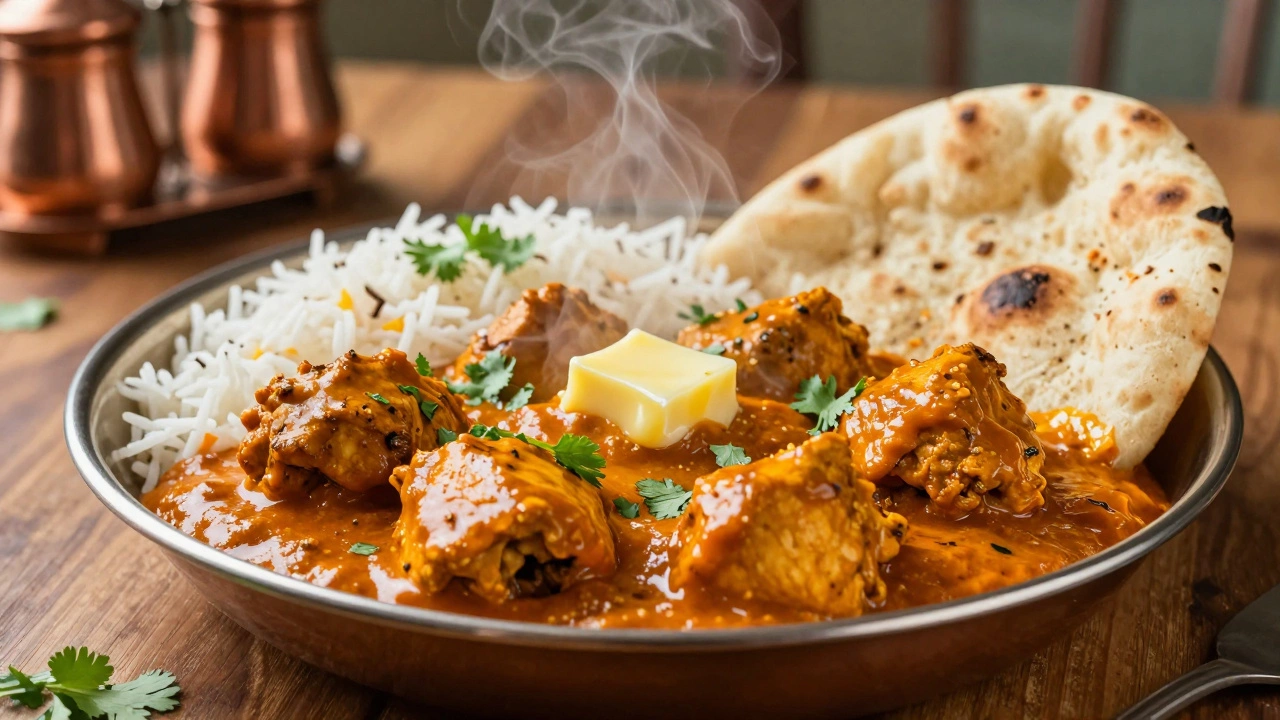
What Is the #1 Indian Dish? The Truth Behind India’s Most Beloved Food
Butter chicken is the most popular Indian dish worldwide, loved for its creamy texture, mild flavor, and easy preparation. It unites regions, cultures, and generations-not because it's the most complex, but because it's the most comforting.
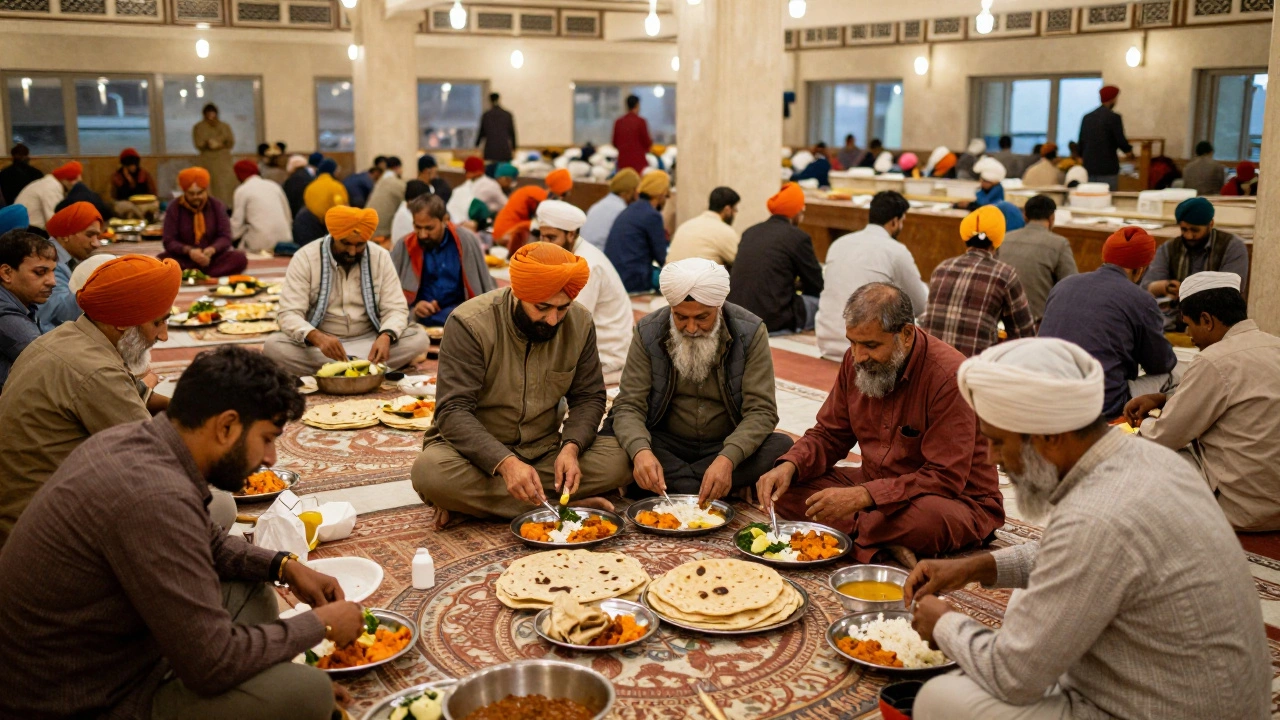
What Foods Are Forbidden in Sikhism? A Clear Guide to Dietary Practices
Sikhism doesn't ban meat or require vegetarianism, but it strictly forbids ritual slaughter and all intoxicants. Learn what Sikhs really eat - and why their food rules are about equality, not restriction.
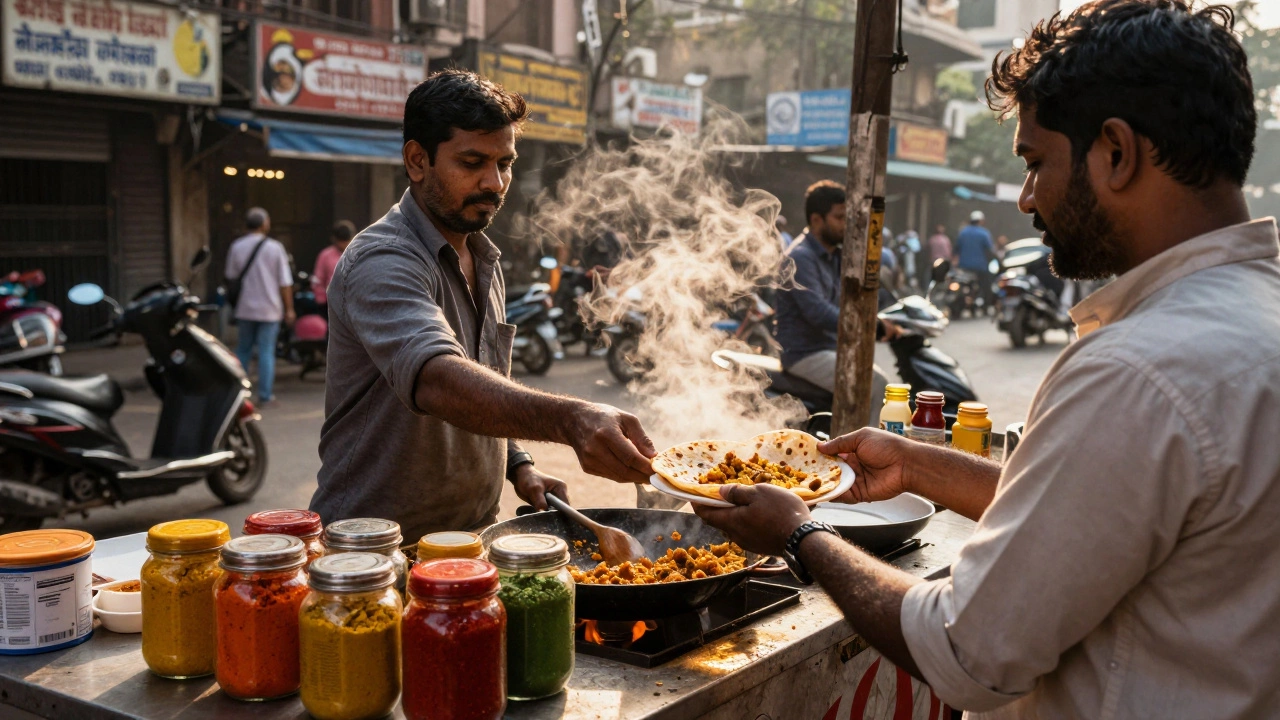
Do They Eat Eggs in India? A Real Look at Eggs in Indian Diets and Recipes
Eggs are widely eaten across India despite common assumptions about vegetarianism. From egg bhurji to egg curry, they're a daily protein source for millions-though consumption varies by region, religion, and personal choice.

Why Do People Eat Indian Street Food With Their Hands?
Indian street food is meant to be eaten with hands-not out of necessity, but because it enhances flavor, texture, and tradition. This sensory ritual connects you to centuries of culture and science.
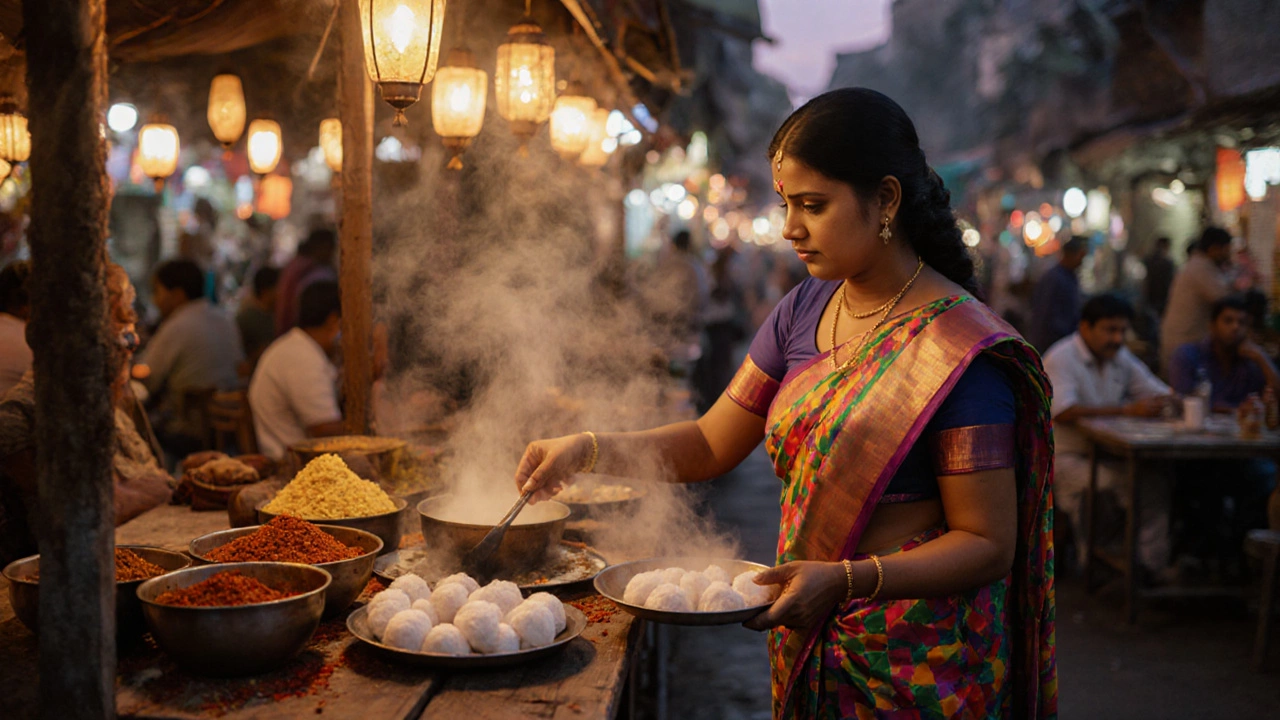
What Not to Eat in India: Common Mistakes and Cultural Missteps
Avoid cultural missteps in India by learning what not to eat-beef, raw street fruit, or Westernized 'Indian' dishes. Respect local customs around hands, fasting, and food waste to truly experience Indian cuisine.
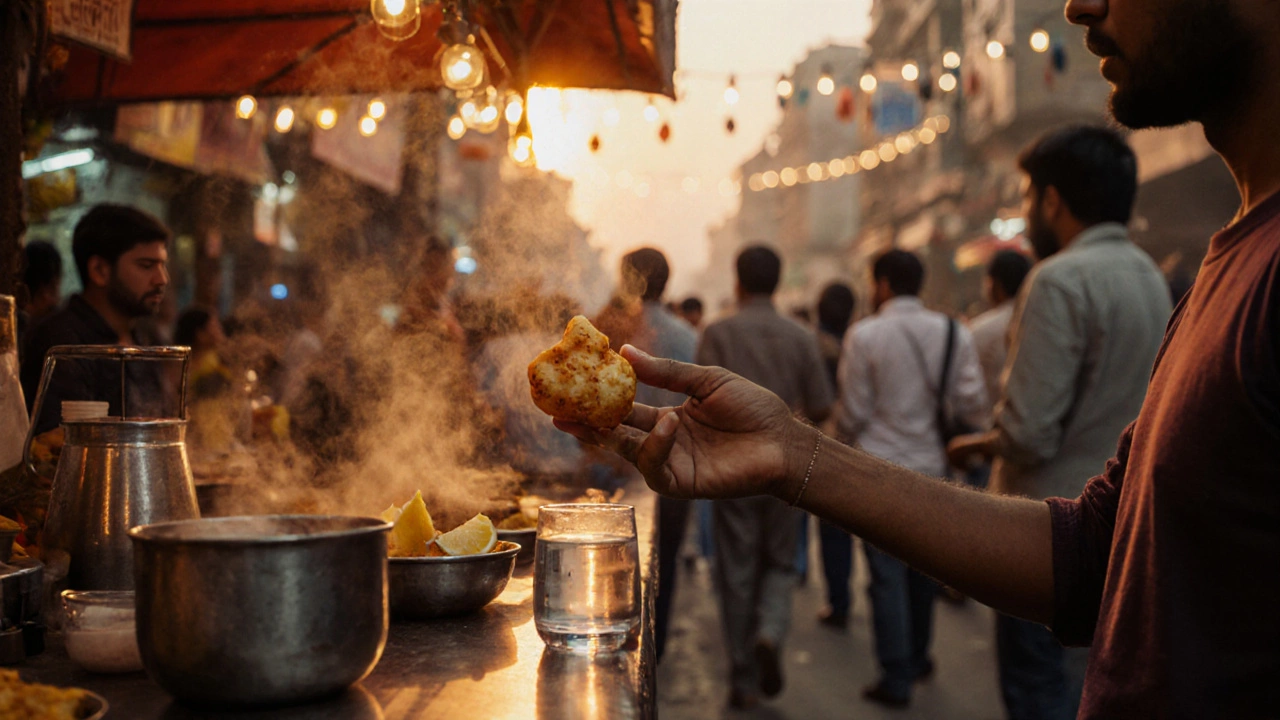
Why Is the Left Hand Considered Unclean in India? A Cultural Guide to Eating Street Food
Discover why the left hand is considered unclean in India and how this cultural norm shapes the way people eat street food. Learn the history, practical tips, and deeper meaning behind this widespread tradition.
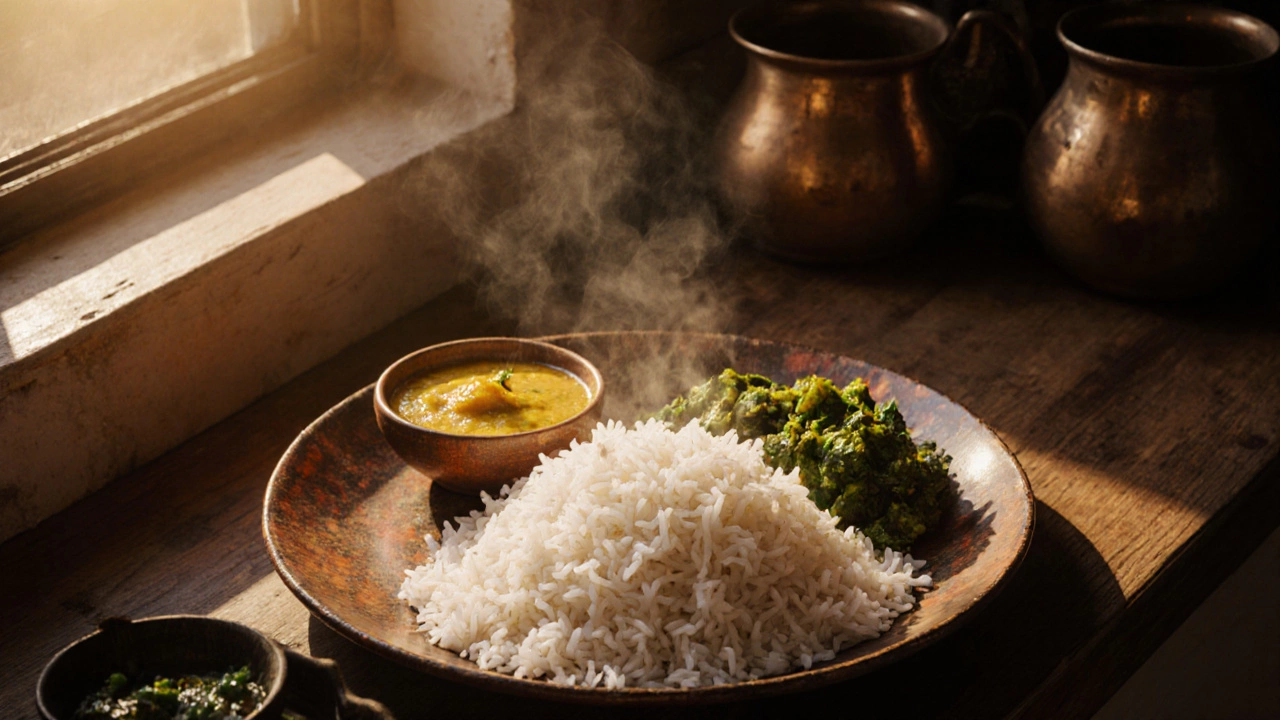
India's Most Consumed Food: What Indians Eat the Most
Discover why rice tops India's food consumption chart, how wheat fits in, regional preferences, health impacts, and simple cooking tips for everyday meals.
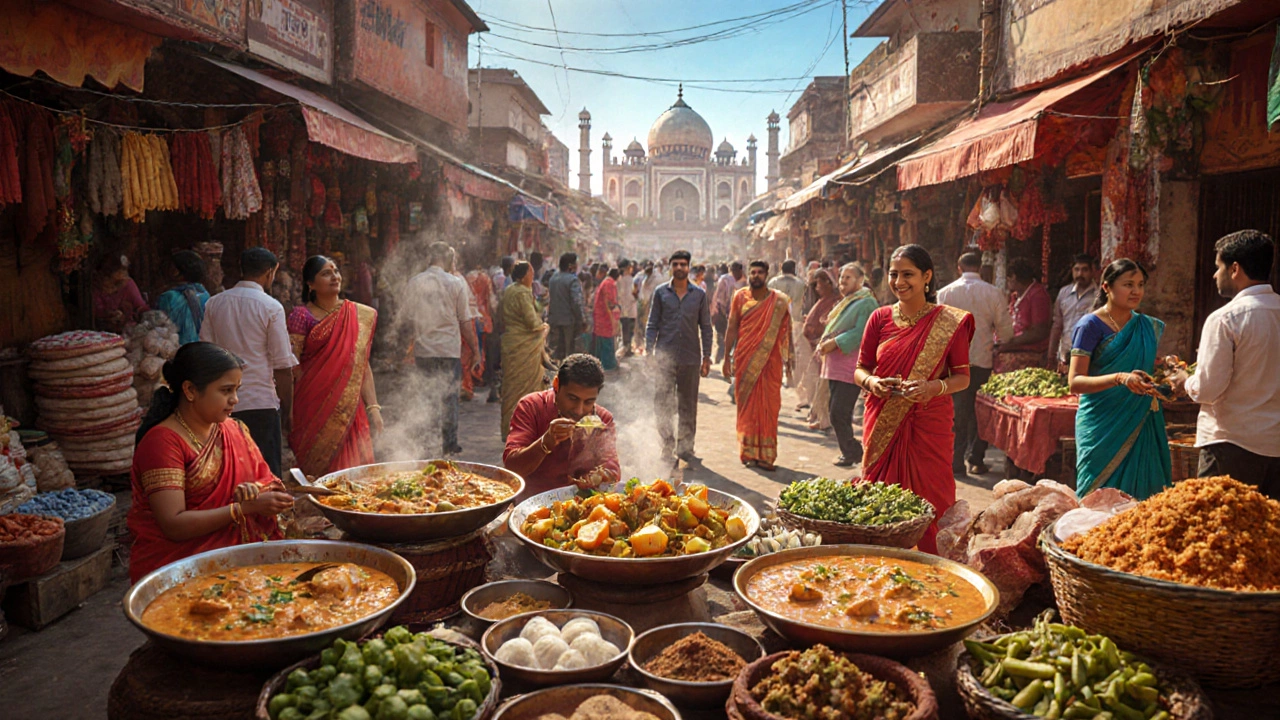
Which Indian Religion Is the Most Vegetarian?
Explore which Indian religion embraces vegetarianism the most, with stats, core beliefs, and typical dishes for each faith.
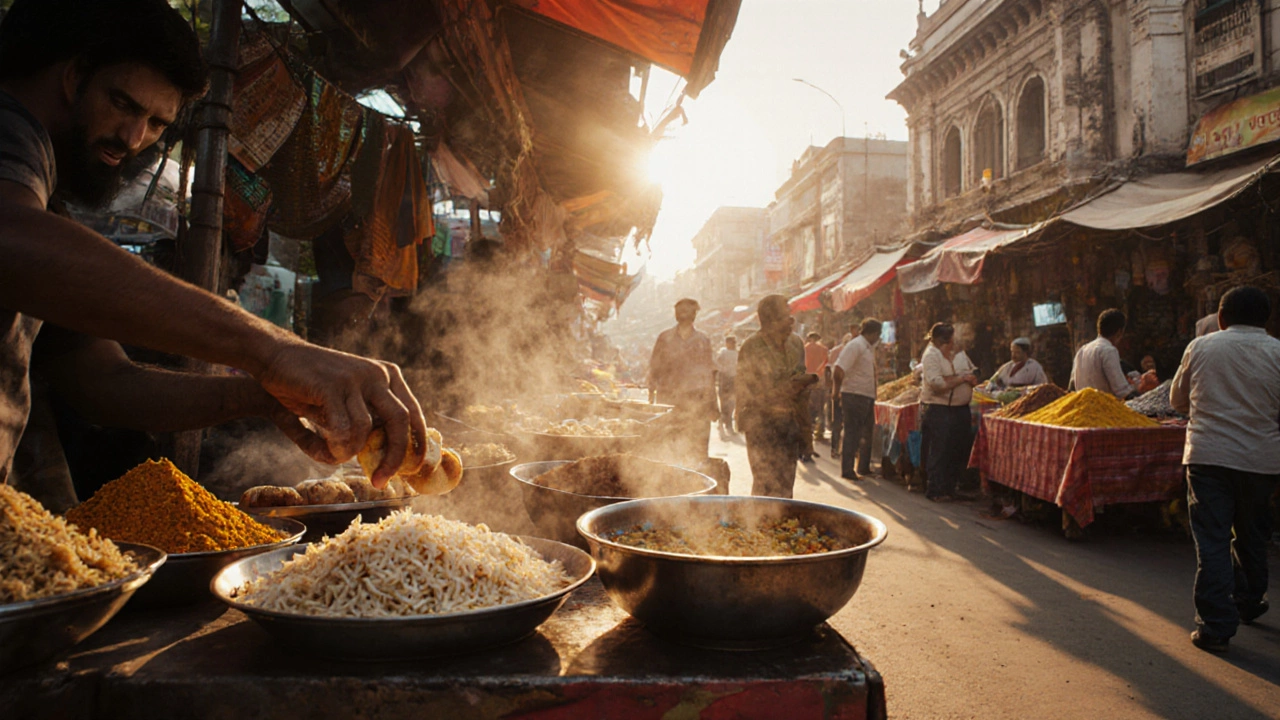
Which Indian State Is the Ultimate Foodie Destination?
Discover which Indian state reigns supreme for food lovers, with a focus on breakfast culture, street‑food density, and dish diversity, plus a guide for planning your foodie trip.
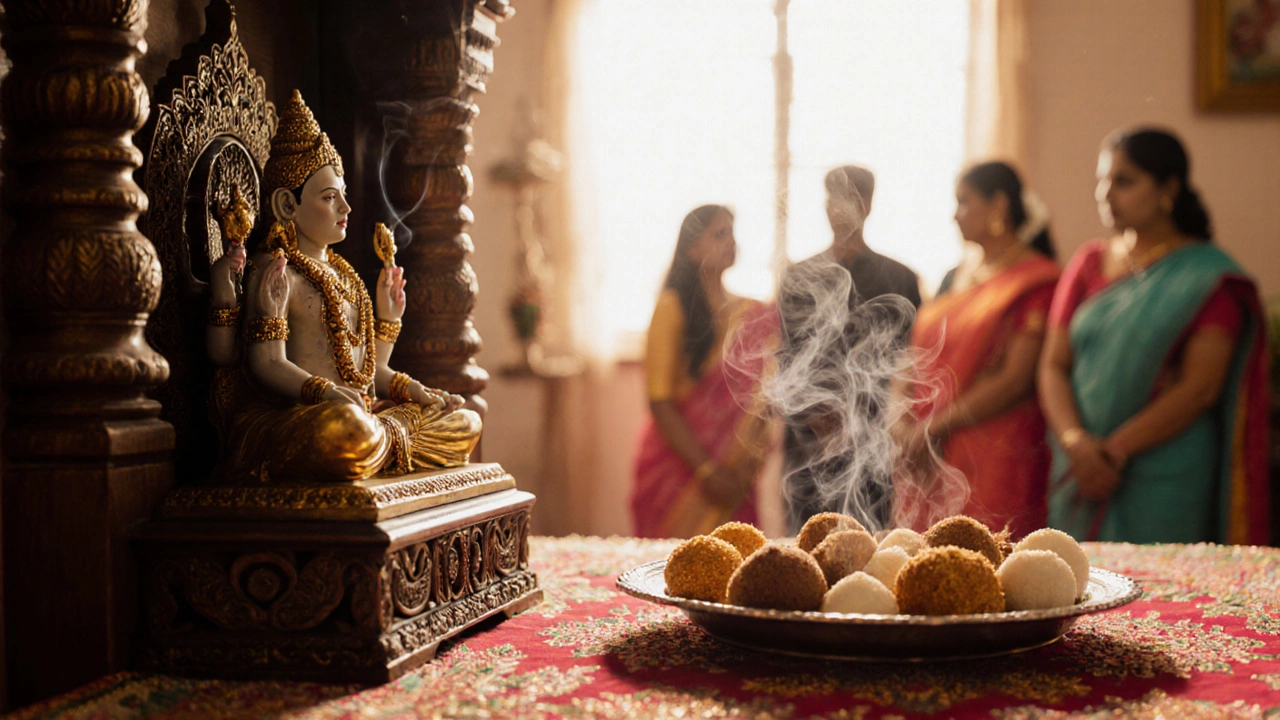
The Meaning Behind Hindus Giving Sweets - Traditions Explained
Explore why Hindus give sweets at ceremonies, the symbolism behind each treat, key festival sweets, and practical tips for sharing these meaningful desserts.
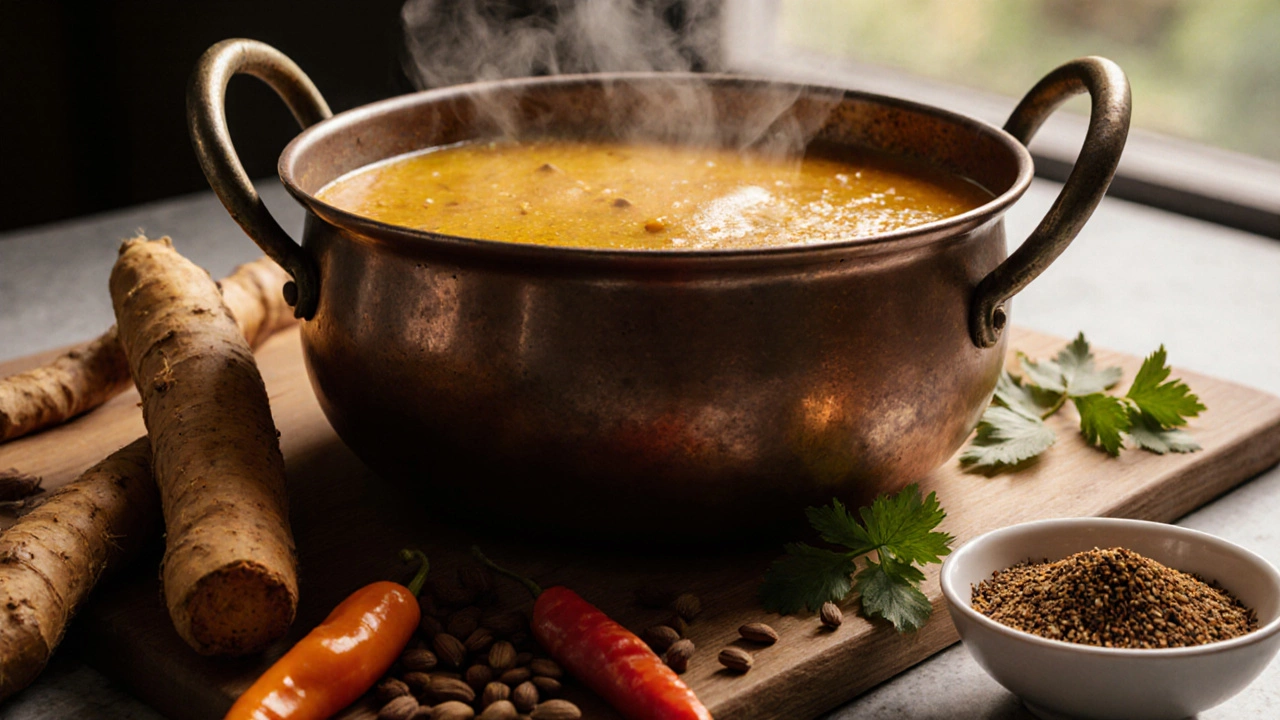
Turmeric in Curry: Is It the Main Spice?
Discover if turmeric truly leads the spice list in curry, its role, typical spice ratios, regional twists, and a quick guide to building balanced curry blends.
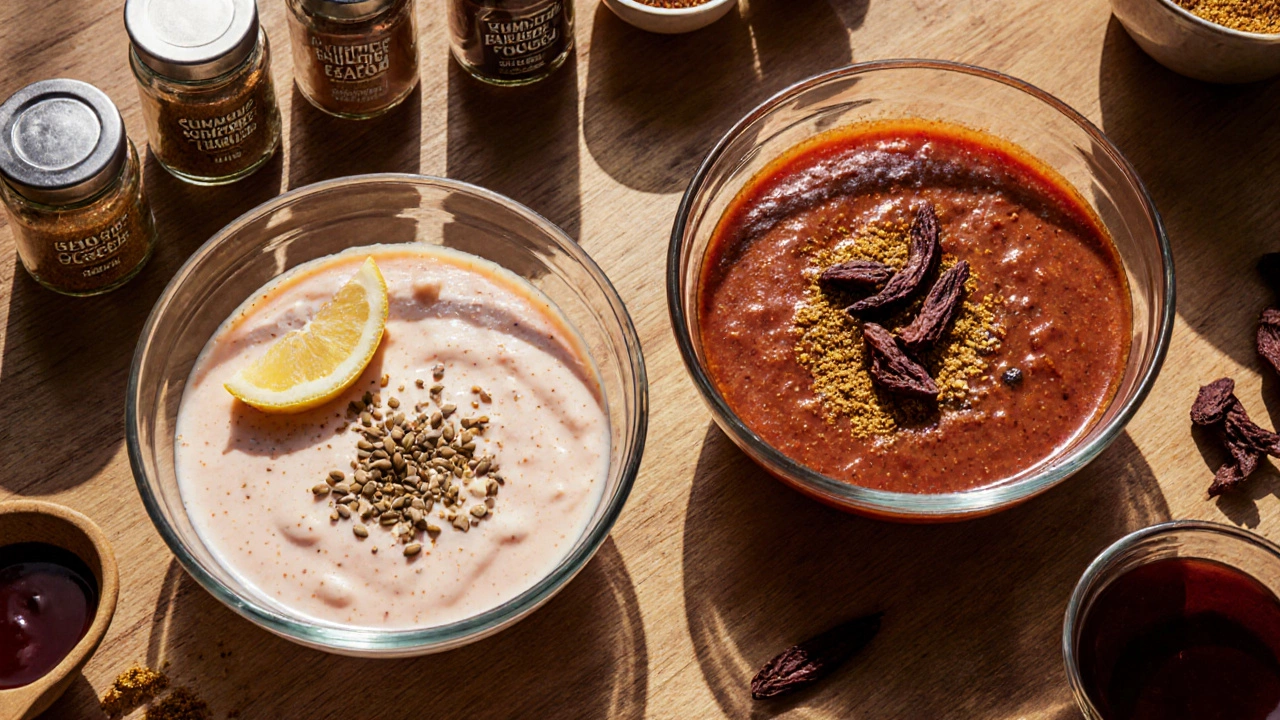
Tikka Sauce vs Tandoori Sauce: Key Differences Explained
Discover the key differences between tikka sauce and tandoori sauce, including ingredients, flavor, cooking methods, and tips for homemade versions.