15 May 2026
- 0 Comments
Chickpeas vs Lentils: Personalized Recommendation Tool
Answer these questions to get a personalized recommendation on whether chickpeas or lentils are better for your needs.
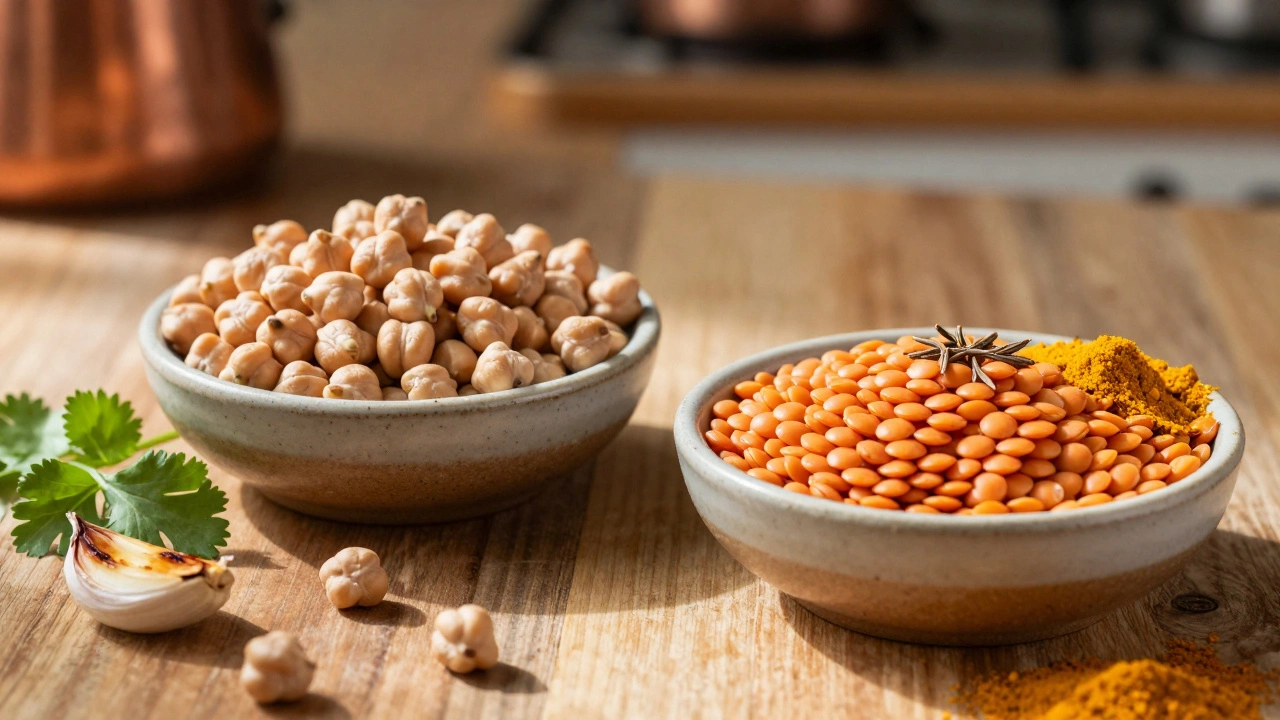
Standing in the pantry aisle or scrolling through online grocery lists, you might pause at two humble staples: chickpeas (also known as garbanzo beans) and lentils. Both are packed with protein, fiber, and essential minerals. Both are cheap, shelf-stable, and versatile. But if you’re trying to decide which one deserves more space in your weekly meal plan-or which one fits better into that quick dal recipe simple dinner you’re craving-the answer isn’t always obvious.
I’ve spent years cooking with both, swapping them in curries, salads, soups, and dals. The truth is, neither is universally “better.” They serve different roles in your diet depending on your goals: blood sugar control, muscle repair, digestion ease, or sheer convenience. Let’s break down exactly how they compare so you can pick the right bean for the job.
Nutritional Showdown: What’s Inside?
To understand why these legumes behave differently in your body, we need to look at their macronutrient profiles. Per 100 grams of cooked weight, here’s how they stack up:
| Nutrient | Chickpeas | Red Lentils | Brown/Green Lentils |
|---|---|---|---|
| Calories | 164 kcal | 116 kcal | 116 kcal |
| Protein | 8.9 g | 9.0 g | 9.0 g |
| Total Carbs | 27 g | 20 g | 20 g |
| Dietary Fiber | 7.6 g | 5.2 g | 7.3 g |
| Sugar | 4.8 g | 1.8 g | 1.8 g |
| Fat | 2.6 g | 0.4 g | 0.4 g |
The key takeaway? Chickpeas are denser in calories, fat, and sugar, while lentils-especially red ones-are lighter and cook faster. If you’re watching your calorie intake, red lentils give you more protein per calorie. If you want sustained energy and satiety from healthy fats and complex carbs, chickpeas win.
Glycemic Impact: Blood Sugar Control
If you manage diabetes, prediabetes, or insulin resistance, glycemic index (GI) matters. Chickpeas have a low GI of around 28-35, meaning they release glucose slowly into the bloodstream. Red lentils sit slightly higher at ~30-40, but still qualify as low-GI foods. Brown/green lentils are similar to red lentils but retain more resistant starch due to their tougher skins, which may offer even slower digestion.
Resistant starch acts like prebiotic fiber-it feeds beneficial gut bacteria without spiking blood sugar. That makes brown/green lentils particularly powerful for metabolic health. In fact, studies show that regular consumption of high-resistance-starch legumes can improve post-meal glucose responses by up to 20% compared to refined grains.
Digestibility & Gut Comfort
Here’s where personal experience beats textbook data. Chickpeas contain oligosaccharides like raffinose and stachyose, which many people struggle to digest. This leads to gas, bloating, and discomfort-especially if you eat them raw or undercooked. Soaking dried chickpeas overnight reduces this significantly, but canned versions often skip that step unless rinsed thoroughly.
Lentils, especially red lentils, split easily during cooking and break down into a soft, creamy texture. Their smaller size means less fermentable fiber reaches the colon intact, making them gentler on sensitive stomachs. For anyone dealing with IBS, SIBO, or general digestive sensitivity, red lentils are usually the safer bet.
Brown/green lentils hold their shape better and require longer cooking times. They’re richer in polyphenols and antioxidants, which support gut lining integrity-but also mean more work for your digestive system. Start small if you’re new to them.
Cooking Speed & Convenience
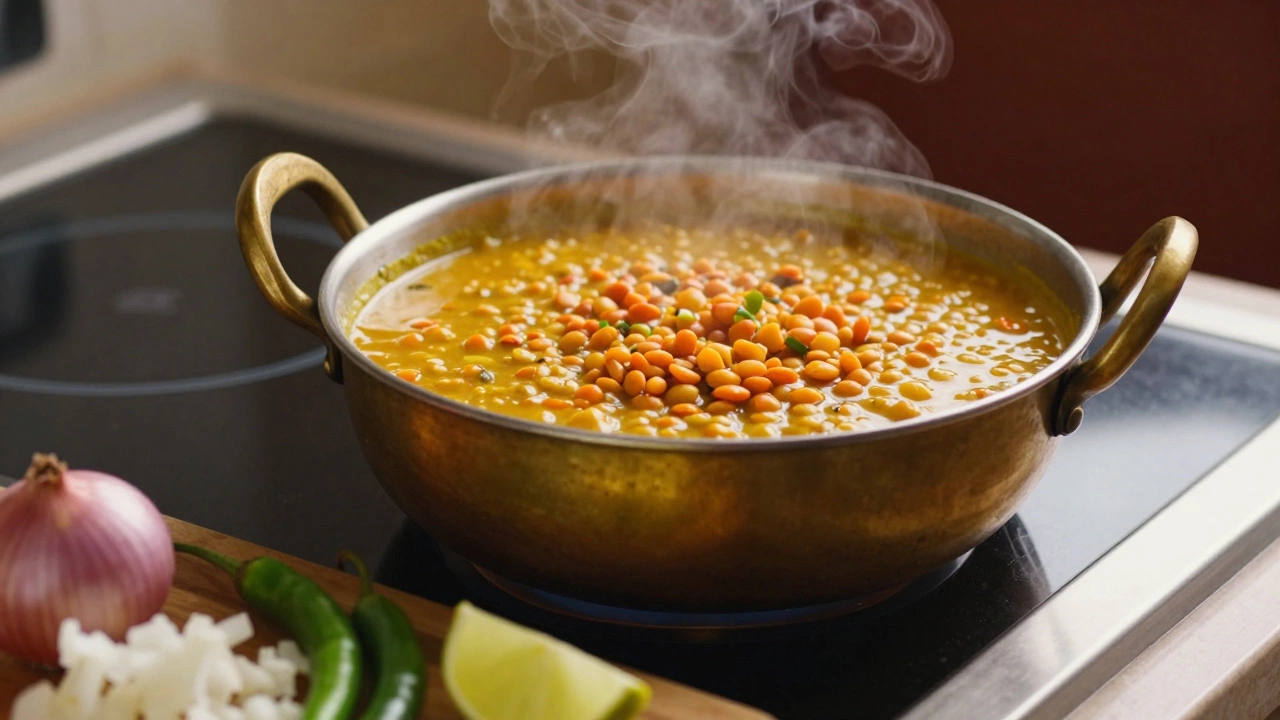
Let’s talk real life. You come home tired after work. You want something nutritious, filling, and ready in under 30 minutes. Enter the dal recipe simple starring red lentils.
Red lentils don’t need soaking. Throw them in a pot with water, turmeric, cumin, garlic, ginger, and tomatoes. Simmer for 15-20 minutes. Done. No mushiness unless you want it. Perfect for beginners, busy parents, or anyone who hates standing over the stove.
Chickpeas take longer. Dried chickpeas require 8-12 hours of soaking plus 1-2 hours of simmering. Canned chickpeas save time but come with sodium and preservatives unless you rinse them well. Even then, they rarely get as tender as properly cooked dried beans unless pressure-cooked.
If speed is your priority, red lentils win hands down. If flavor depth and texture matter more, chickpeas reward patience.
Versatility in the Kitchen
Chickpeas shine in diverse cuisines beyond Indian cooking. Think hummus, falafel, roasted snacks, thickening soups, or blending into vegan mayo. Their firm bite holds up well in stir-fries, grain bowls, and salads. Roasted chickpeas make satisfying crunchy snacks when tossed with olive oil and spices.
Lentils excel in hearty stews, thickened sauces, and traditional dals. Green/brown lentils keep their structure in French-style lentil salads or Moroccan tagines. Red lentils dissolve beautifully into creamy bases for curries, chilis, or baby food. They’re also easier to blend smooth-for example, in homemade nut-free butter alternatives.
In Indian kitchens specifically, red lentils dominate everyday dal recipes because of their speed and mild flavor. Chickpeas appear more often in special dishes like chana masala or samosas-where their robust texture shines.
Who Should Choose Which?
- Choose chickpeas if: You want higher fiber and healthy fats, enjoy experimenting with global recipes, prefer chewier textures, or need snack-friendly options.
- Choose red lentils if: You crave fast meals, have sensitive digestion, follow lower-calorie diets, or want easy-to-blend ingredients for sauces or baby food.
- Choose brown/green lentils if: You prioritize antioxidant content, love holding-texture legumes in salads or stews, or aim for maximum resistant starch benefits.
How to Maximize Nutrient Absorption
Legumes contain phytic acid, which binds minerals like iron, zinc, and calcium, reducing absorption. To counteract this:
- Soak dried chickpeas and lentils for 8-12 hours before cooking.
- Add a splash of vinegar or lemon juice during cooking-acid breaks down phytates.
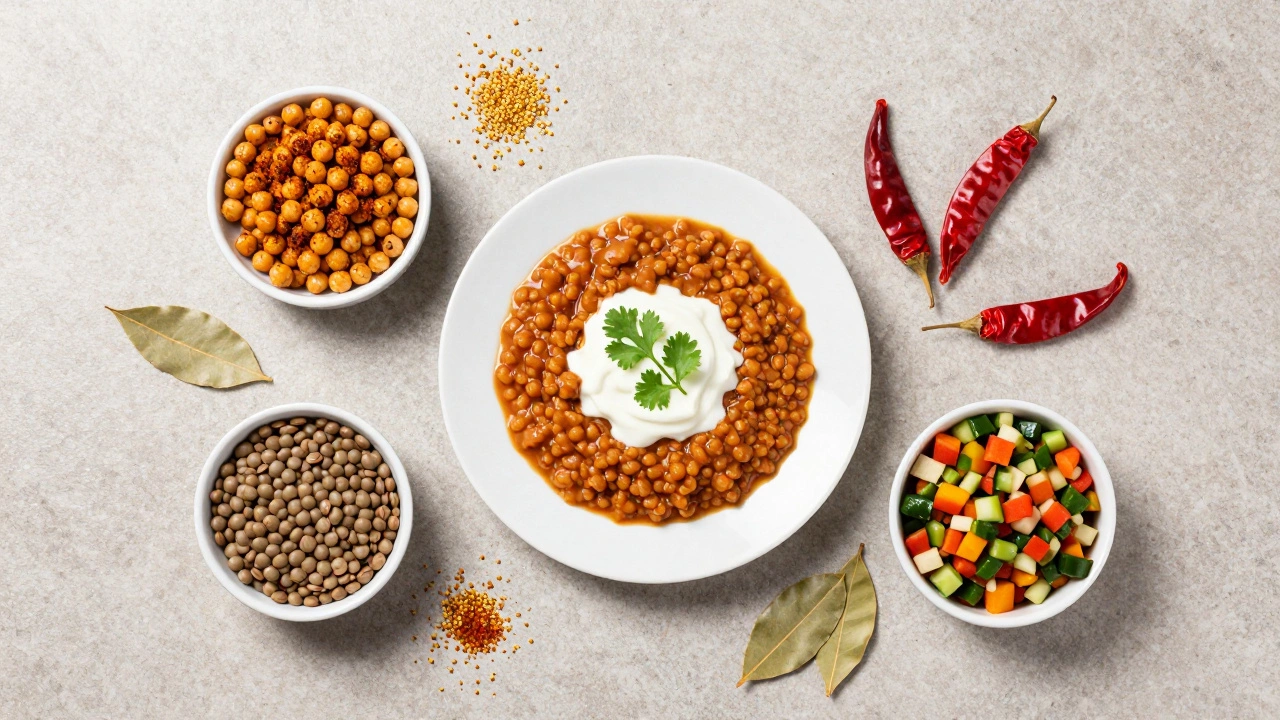
- Pair with vitamin C-rich foods (like bell peppers or citrus) to boost non-heme iron uptake.
- Use fermented accompaniments like yogurt or kimchi to enhance mineral bioavailability.
Storage Tips for Longevity
Dried chickpeas and lentils last 2-3 years in cool, dark places. Store them in airtight containers away from moisture and heat. Once opened, transfer leftovers to glass jars with tight lids. Add a bay leaf or silica packet to deter pests. Canned versions should be refrigerated within three days of opening and consumed within five days. Transfer contents to a clean container-never store food inside the metal can.
Final Thought: Mix Them Up
You don’t have to choose forever. Rotate chickpeas and lentils throughout the week to diversify nutrients, textures, and flavors. Use red lentils for weekday quick dinners. Save chickpeas for weekend projects like roasting or making homemade hummus. Try green lentils in spring salads when fresh produce abounds. Your body thrives on variety-not perfection.
Are chickpeas or lentils better for weight loss?
Red lentils are slightly better for weight loss due to lower calorie density and faster preparation time. However, chickpeas provide more satiating fiber and healthy fats, which may help curb cravings later. Combine both for balanced results.
Can I substitute chickpeas for lentils in recipes?
Yes, but expect differences in texture and cooking time. Chickpeas hold shape better; lentils soften and break down. Adjust liquid ratios accordingly-lentils absorb more water quickly.
Which has more protein: chickpeas or lentils?
Per 100g cooked, they’re nearly equal (~9g). But red lentils deliver more protein per calorie since they’re less dense. For pure efficiency, go with lentils.
Do I need to soak lentils before cooking?
Not necessarily. Red lentils cook in 15-20 minutes without soaking. Brown/green lentils benefit from 2-4 hour soaks to reduce cooking time and improve digestibility.
What’s the easiest dal recipe using lentils?
Sauté mustard seeds, cumin, garlic, and onions until golden. Add rinsed red lentils, turmeric, salt, and water. Simmer 15 mins. Finish with lime juice and cilantro. Simple, flavorful, and foolproof.