21 May 2026
- 0 Comments
Daily Dal & Spice Calculator for Gut Health
Your Personalized Gut Health Plan
Spice Synergy Score:
You’ve probably heard the claim: lentils clean your gut. It sounds almost too good to be true, doesn’t it? A simple bowl of dal washing away toxins and resetting your digestive system? While "cleaning" is a bit of a marketing buzzword, the science behind lentils and gut health is incredibly solid. They don’t scrub your intestines like a bottle brush, but they do something arguably better: they feed the good bacteria that keep your gut balanced, reduce inflammation, and move things along smoothly.
If you are looking for a way to support your digestion without expensive supplements or restrictive cleanses, you might already have the answer in your pantry. Let’s look at what happens when you eat lentils, why your gut loves them, and how to make a simple, stomach-friendly dal that actually works.
The Science Behind Lentils and Gut Health
To understand if lentils "clean" your gut, we first need to define what a healthy gut looks like. It isn’t about emptiness; it’s about diversity. Your large intestine is home to trillions of bacteria, known as the microbiome. These microbes need fuel to survive, and their favorite food is a specific type of carbohydrate called prebiotic fiber.
Lentils are packed with this fiber. Unlike refined carbs that spike your blood sugar, the fiber in lentils resists digestion in the small intestine. It travels down to the colon intact, where it ferments. This fermentation process produces short-chain fatty acids (SCFAs), particularly butyrate. Butyrate is the primary energy source for the cells lining your colon. It strengthens the gut barrier, reduces inflammation, and prevents harmful substances from leaking into your bloodstream-a condition often referred to as "leaky gut."
So, do they clean? In a sense, yes. By promoting regular bowel movements through bulk formation and feeding beneficial bacteria like Bifidobacteria and Lactobacillus, lentils help maintain a self-cleaning environment. They prevent constipation, which is often the root cause of toxin buildup and discomfort.
Why Dal Is Better Than You Think
In Indian cuisine, dal refers to split pulses like yellow moong, red masoor, or brown chana is a staple for a reason. Beyond being affordable and protein-rich, dal is gentle on the stomach compared to whole beans. Splitting the lentil removes the outer skin, which contains some of the harder-to-digest compounds like phytic acid and oligosaccharides that cause gas.
This makes dal an ideal entry point for people who want gut benefits but fear bloating. However, preparation matters. Soaking, sprouting, or cooking dal with gut-friendly spices can significantly enhance its digestibility and effectiveness.
| Lentil Type | Fiber Content (per cup cooked) | Digestibility | Best For |
|---|---|---|---|
| Masoor Dal (Red Lentils) | 15.6g | High (cooks quickly, no soaking needed) | Quick meals, sensitive stomachs |
| Moong Dal (Yellow Split Mung) | 15.0g | Very High (easiest to digest) | Recovery, beginners, detox diets |
| Chana Dal (Split Chickpeas) | 12.5g | Medium (requires soaking) | Sustained energy, higher protein needs |
| Whole Green Moong | 17.0g | Low (unless sprouted) | High fiber goals, weight loss |
Simple Masoor Dal Recipe for Gut Health
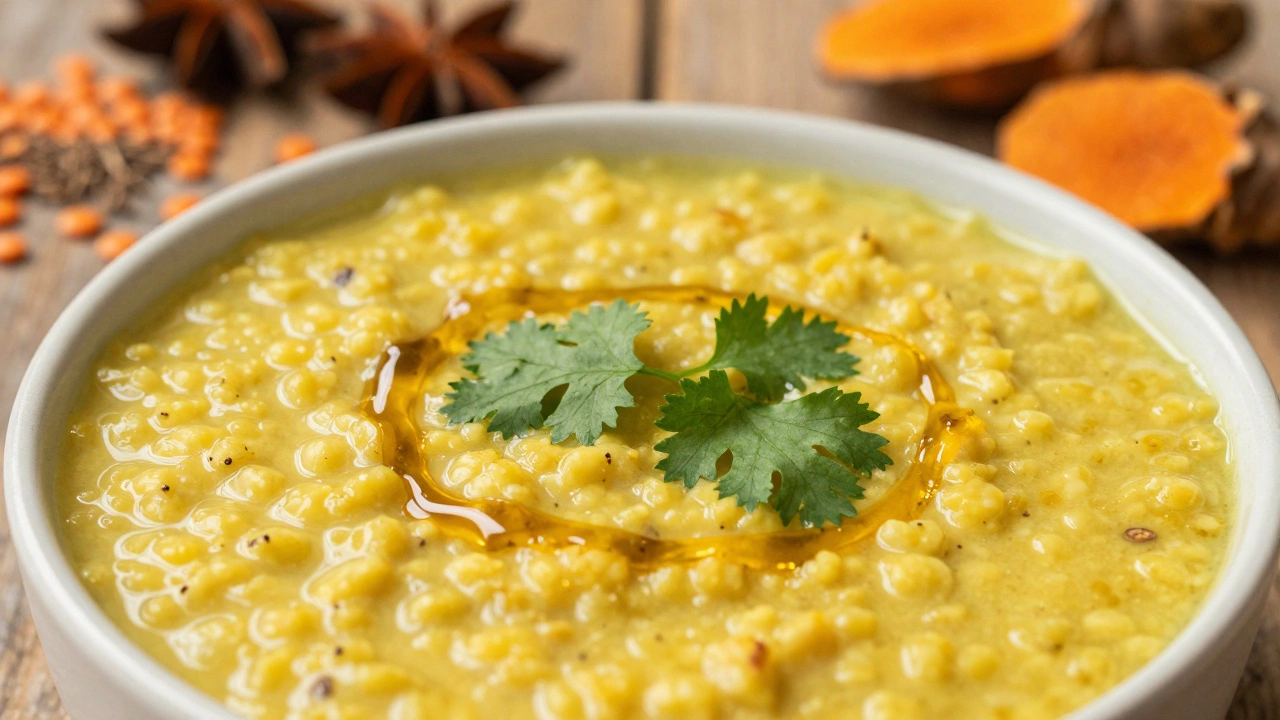
If you want to harness the power of lentils, start with Masoor Dal. Red lentils break down completely during cooking, creating a soft, creamy texture that is easy on the digestive tract. Here is a simple, gut-friendly version that uses spices known to aid digestion.
Ingredients:
- 1 cup red masoor dal, rinsed well
- 2 cups water
- 1/2 tsp turmeric powder (curcumin reduces inflammation)
- 1 tsp cumin seeds (jeera stimulates digestive enzymes)
- 1 inch ginger, grated (aids motility and reduces nausea)
- 1 tbsp ghee or olive oil
- Salt to taste
- Fresh cilantro for garnish
Instructions:
- Rinse the masoor dal under cold water until the water runs clear. This removes excess starch and potential anti-nutrients.
- In a pressure cooker or pot, combine the dal, water, turmeric, and salt. Cook until the dal is completely soft and mushy (about 3-4 whistles in a pressure cooker or 15 minutes in a pot).
- In a separate small pan, heat the ghee. Add cumin seeds and let them splutter. Add the grated ginger and sauté for 30 seconds until fragrant.
- Pour this tempering (tadka) over the cooked dal. Stir well.
- Let it rest for 5 minutes before serving. Garnish with fresh cilantro.
This recipe avoids heavy creams or excessive chili, which can irritate the gut lining. The combination of ginger and cumin acts as a natural carminative, helping to expel gas and reduce bloating.
Spices That Boost Digestion
Eating lentils alone is good, but pairing them with the right spices turns a meal into a therapeutic experience. Indian cuisine has used these combinations for centuries, long before modern science confirmed their benefits.
Turmeric: Contains curcumin, which has potent anti-inflammatory properties. Chronic inflammation in the gut can lead to conditions like IBS or IBD. Turmeric helps calm this response.
Cumin (Jeera): Stimulates the secretion of digestive enzymes from the pancreas. This ensures that proteins and fats are broken down efficiently, reducing the workload on your gut.
Ginger: Accelerates gastric emptying. If you feel full for hours after eating, ginger can help move food through your system more quickly, preventing stagnation and discomfort.
Ajwain (Carom Seeds): Often added to flatbreads or sprinkled on dal, ajwain contains thymol, which has antispasmodic effects. It relaxes the smooth muscles of the gut, relieving cramps and gas.
Pitfalls to Avoid When Eating Lentils
Even though lentils are healthy, they can cause issues if not prepared correctly or consumed in excess. Here is what to watch out for:
- Sudden Increase in Fiber: If your diet is low in fiber, jumping straight to two bowls of dal a day can cause severe bloating and gas. Start with half a cup and gradually increase intake over two weeks.
- Skipping the Rinse: Always rinse lentils thoroughly. This removes dust, debris, and some of the oligosaccharides that ferment rapidly and cause gas.
- Ignoring Anti-Nutrients: Legumes contain phytates, which can bind to minerals like iron and zinc, reducing absorption. Soaking, sprouting, or cooking with a little lemon juice or vinegar can neutralize these phytates.
- Overcooking vs. Undercooking: Undercooked lentils are hard to digest and can cause distress. Overcooked lentils may lose some nutrient density but are easier on the stomach. Aim for a soft, creamy consistency.
Who Should Be Cautious?
While lentils are beneficial for most people, certain groups need to adjust their intake:
People with Kidney Issues: Lentils are high in potassium and phosphorus. If you have chronic kidney disease, consult your doctor before increasing legume intake, as your kidneys may struggle to filter these minerals.
Those with Severe IBS: Lentils contain FODMAPs (fermentable oligosaccharides, disaccharides, monosaccharides, and polyols). For individuals with Irritable Bowel Syndrome, especially those sensitive to fructans, large portions of lentils can trigger symptoms. Small servings (1/4 cup) are usually tolerated, but listen to your body.
Thyroid Conditions: Raw legumes contain goitrogens, which can interfere with thyroid function. However, cooking destroys most of these compounds. As long as you cook your dal thoroughly, it is generally safe for people with hypothyroidism, especially if taken a few hours apart from medication.
Integrating Lentils Into Your Daily Routine
You don’t need a special "detox" week to benefit from lentils. Consistency is key. Try incorporating a small portion of dal into your lunch every day. Pair it with fermented foods like yogurt (dahi) or kimchi to add probiotics, which work synergistically with the prebiotic fiber in lentils.
For example, a classic Indian meal of dal, rice, and yogurt creates a complete amino acid profile and supports both bacterial diversity and muscle repair. Rice provides easily digestible carbs, dal provides fiber and protein, and yogurt provides live cultures. This combination is gentle, nutritious, and deeply satisfying.
Remember, gut health is not about quick fixes. It’s about building a resilient ecosystem inside you. Lentils are one of the most accessible, affordable, and effective tools you have. Start slow, choose the right variety, cook with care, and let your body do the rest.
How much dal should I eat daily for gut health?
Aim for 1/2 to 1 cup of cooked dal per day. If you are new to high-fiber foods, start with 1/4 cup and gradually increase over two weeks to avoid bloating. Consistency is more important than quantity.
Can lentils cause gas and bloating?
Yes, lentils contain oligosaccharides that can cause gas. To minimize this, rinse lentils thoroughly, soak them before cooking (except for red masoor dal), and add digestive spices like cumin, ginger, and asafoetida (hing) to your recipes.
Is red lentil (masoor dal) better than other lentils for digestion?
Red lentils are generally easier to digest because they are split and hulled, meaning they lack the tough outer skin found in whole lentils. They cook quickly and break down into a soft consistency, making them ideal for sensitive stomachs.
Do I need to soak lentils before cooking?
Red masoor dal does not require soaking. However, other lentils like chana dal, urad dal, and whole moong benefit from soaking for 30 minutes to 2 hours. Soaking reduces cooking time and breaks down some anti-nutrients and gas-causing compounds.
Can people with IBS eat lentils?
People with IBS should introduce lentils cautiously. Lentils are high in FODMAPs, which can trigger symptoms in sensitive individuals. Start with small portions (1/4 cup) and monitor your reaction. Some people tolerate red lentils better than others.
What spices help improve lentil digestion?
Cumin (jeera), ginger, turmeric, fennel seeds, and asafoetida (hing) are excellent for digestion. Cumin stimulates enzyme production, ginger speeds up gastric emptying, and hing reduces gas. Adding these to your dal tadka enhances digestibility.