22 May 2026
- 0 Comments
Perfect Biryani Moisture Calculator
Input Parameters
Results & Guidelines
Enter your rice amount and preferences to generate a custom cooking plan.
There is nothing worse than biting into a plate of biryani and finding dry, chalky grains that crumble instead of glistening with flavor. You spent hours marinating the meat, layering the spices, and waiting for the magic to happen, only to be served something that feels like it was baked in an oven rather than cooked with love. If you have ever struggled with this issue, you are not alone. Many home cooks find themselves chasing that restaurant-quality moisture without understanding the science behind it. Biryani is a complex layered rice dish originating from the Indian subcontinent, known for its aromatic spices and tender meat. Mastering the technique requires more than just following a recipe; it demands an understanding of heat, timing, and steam. While we focus on the culinary arts here, sometimes life requires balancing different interests, such as exploring cultural directories like this resource for those traveling through Bangkok, but let’s get back to the kitchen where the real action happens.
The Foundation: Choosing the Right Rice
The journey to juicy biryani starts long before you turn on the stove. It begins with your choice of rice. Not all long-grain rices are created equal. You need Basmati rice is an aromatic long-grain rice variety native to the Himalayan foothills, prized for its elongated grains and floral scent when cooked. Specifically, look for aged Basmati rice. Freshly harvested rice contains too much moisture, which causes it to break during cooking. Aged rice has lost some of its internal water content, allowing it to absorb the flavors of the marinade and broth without turning mushy or drying out later. When you buy your rice, check the packaging for a harvest date. Ideally, you want rice that has been stored for at least one year. This simple swap can transform the texture of your final dish from brittle to tender.
Before cooking, the preparation of the rice is critical. Rinse the rice until the water runs clear. This removes excess starch that can cause clumping. However, do not soak the rice for too long. Soaking for 30 minutes is sufficient. Over-soaking weakens the grain structure, making it prone to breaking. Broken grains release starch into the cooking liquid, creating a gluey texture that traps moisture unevenly. By keeping the grains intact, you ensure that each piece remains separate yet plump, capable of holding onto the juices released by the meat during the cooking process.
The Marinade: More Than Just Spices
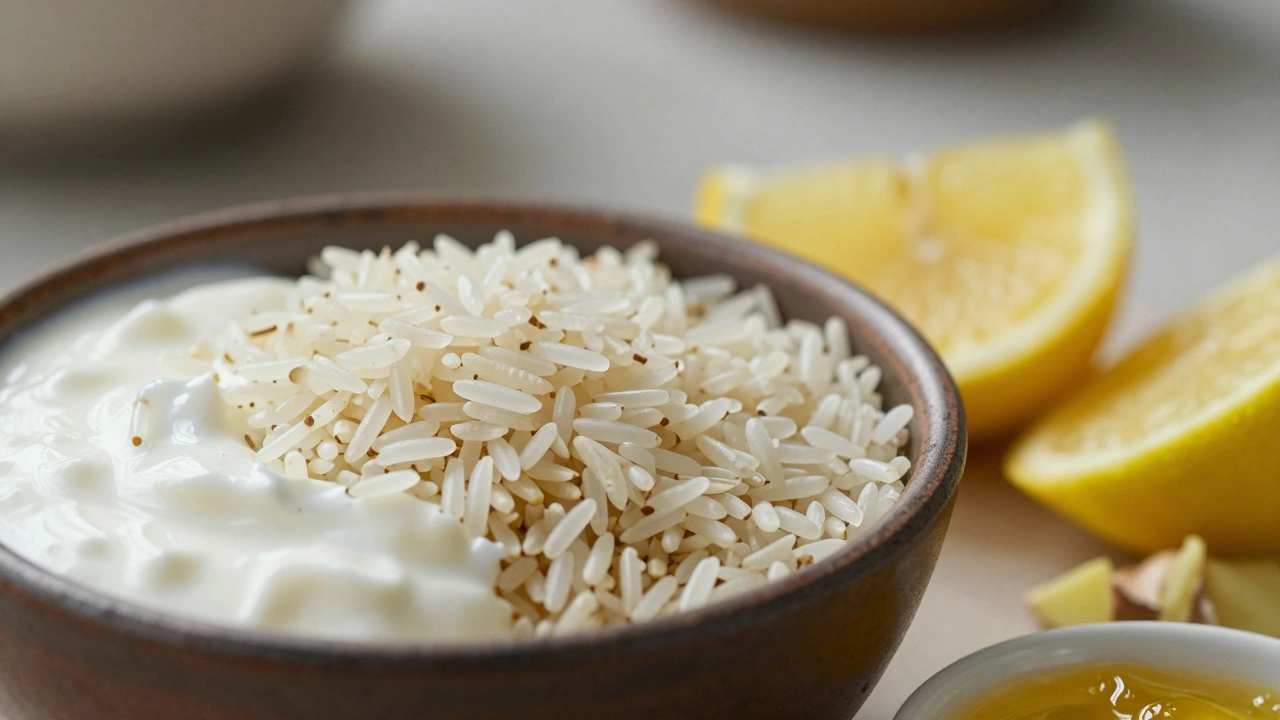
A common mistake home cooks make is treating the marinade as a mere seasoning step. In reality, the marinade is the primary source of moisture for the meat and, indirectly, the rice. When preparing chicken or mutton for biryani, use a combination of yogurt, lemon juice, and ginger-garlic paste. Yogurt acts as a tenderizer due to its lactic acid content, which breaks down tough muscle fibers. Lemon juice adds brightness and further aids in tenderization. But here is the key to juiciness: add oil or ghee to the marinade. Fat carries flavor and prevents the meat from drying out during the initial searing phase. Without enough fat, the proteins contract tightly, squeezing out natural juices and leaving you with dry chunks of meat.
Marinate the meat for at least four hours, preferably overnight. This extended period allows the acids and enzymes to penetrate deep into the tissue. Short marination times result in surface-level flavor only. As the meat cooks, these infused juices will leak out, mixing with the rice and creating that signature saucy consistency. Do not skip this step. Patience here pays off in every bite. Additionally, consider adding a tablespoon of mustard oil to the marinade. Mustard oil has a high smoke point and a pungent aroma that complements the spices perfectly, enhancing the overall sensory experience of the dish.
The Cooking Method: Dum Pukht Mastery
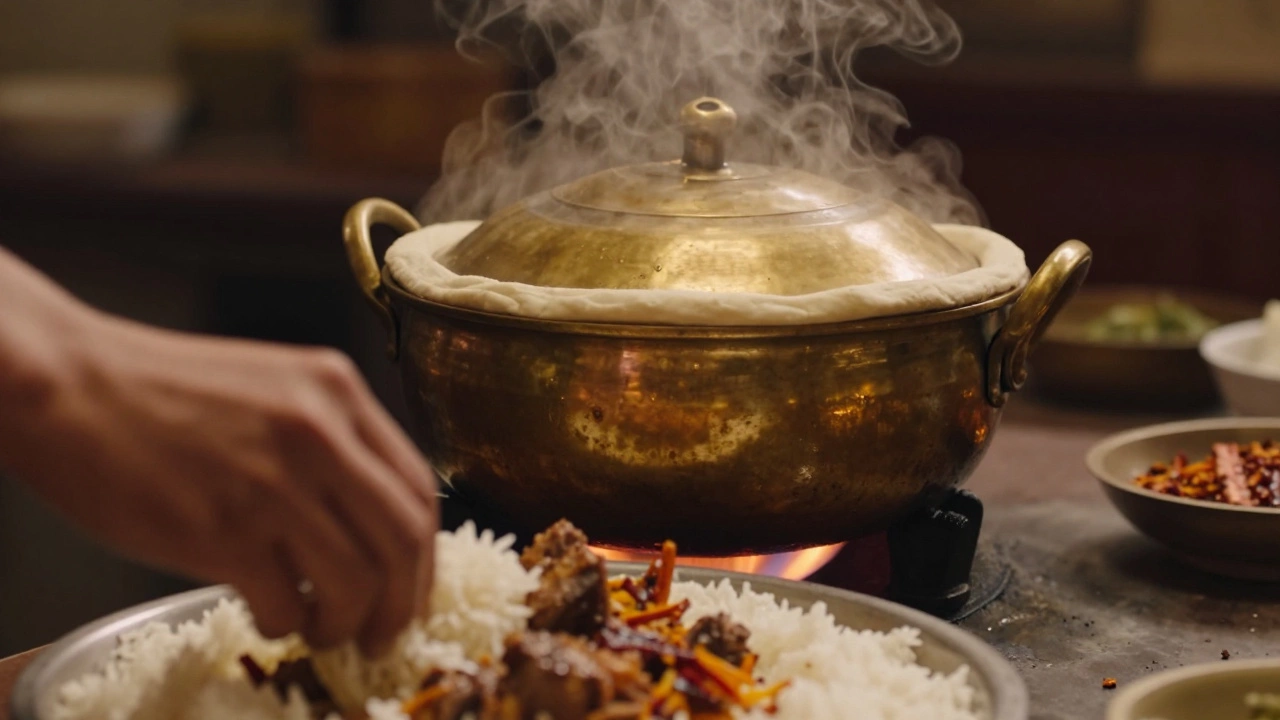
The term "Dum Pukht" refers to a slow-cooking method where food is sealed in a pot and cooked over low heat. This technique is essential for achieving juicy biryani. The goal is to trap steam inside the vessel, allowing the rice and meat to cook in their own juices. To execute this properly, you need a heavy-bottomed pot with a tight-fitting lid. Light pots lose heat quickly, leading to uneven cooking and moisture loss. Once you have layered the partially cooked rice over the seasoned meat, seal the edges of the lid with dough. This traditional trick ensures that no steam escapes. The trapped steam circulates within the pot, gently steaming the ingredients until they are perfectly tender.
Start the cooking process on high heat for two to three minutes to generate steam. Then, reduce the heat to the lowest possible setting. Let the biryani cook undisturbed for 20 to 30 minutes. Resist the urge to lift the lid. Every time you open the pot, you release precious steam and drop the temperature, disrupting the cooking cycle. After the designated time, turn off the heat and let the pot rest for another 10 minutes. This resting period allows the flavors to meld and the moisture to redistribute evenly throughout the layers. Opening the pot immediately after cooking can cause condensation to drip onto the top layer of rice, making it soggy while leaving the bottom layers dry.
Layering Techniques for Even Moisture Distribution
How you layer the ingredients affects how moisture travels through the dish. Start with a layer of fried onions at the bottom. These onions act as a barrier, preventing the rice from sticking to the pot and burning. Next, add the marinated meat. Spread it evenly to ensure consistent heat distribution. Then, pour in a measured amount of water or stock. The ratio of liquid to rice is crucial. Too much water makes the biryani mushy; too little leaves it dry. A general rule of thumb is a 1:1.5 ratio of rice to liquid. However, adjust this based on the type of meat. Chicken releases more moisture than mutton, so you may need slightly less liquid for chicken biryani.
Spread the parboiled rice over the meat. Do not press it down. Pressing compacts the grains, restricting steam circulation and leading to uneven cooking. Sprinkle saffron-infused milk, mint leaves, and coriander leaves over the rice. These additions not only enhance flavor but also contribute to the moisture content. Saffron milk, in particular, adds a luxurious richness that permeates the top layers. Finish with a drizzle of ghee. Ghee solidifies as it cools, helping to lock in moisture and add a glossy finish to the dish. This final touch elevates the biryani from homemade to restaurant-quality.
| Mistake | Consequence | Correct Technique | Benefit |
|---|---|---|---|
| Using fresh rice | Grains break and become mushy | Use aged Basmati rice | Firm, separate grains |
| Short marination time | Dry, bland meat | Marinate overnight | Tender, flavorful meat |
| Lifting the lid frequently | Loss of steam and heat | Seal with dough and leave undisturbed | Even cooking and moisture retention |
| Pressing down the rice | Compacted, unevenly cooked rice | Spread gently without pressing | Fluffy, well-steamed rice |
| Ignoring resting time | Soggy top, dry bottom | Rest for 10 minutes after cooking | Redistributed moisture and flavors |
Troubleshooting Dry Biryani
If your biryani still turns out dry despite following these steps, consider a few troubleshooting tips. First, check your stove's heat output. Some stoves run hotter than others, even on the lowest setting. If you suspect your heat is too high, place a heat diffuser between the pot and the burner. This helps regulate the temperature and prevents scorching. Second, evaluate the quality of your meat. Lean cuts of meat tend to dry out faster than fattier cuts. Opt for bone-in pieces, as the bones help retain moisture and add depth to the flavor. Third, ensure your measuring cups are accurate. An extra half-cup of water can make a significant difference. Invest in a good set of measuring tools to eliminate guesswork.
Another factor to consider is the altitude at which you live. At higher altitudes, water boils at a lower temperature, requiring longer cooking times. Adjust your cooking duration accordingly. Finally, taste test the rice before layering. Parboil the rice until it is 70% cooked. This means the grains should be firm but not hard. Undercooked rice will remain crunchy, while overcooked rice will disintegrate. Achieving this balance takes practice, but it is worth the effort. With each attempt, you will refine your technique and move closer to perfection.
Enhancing Flavor with Aromatics
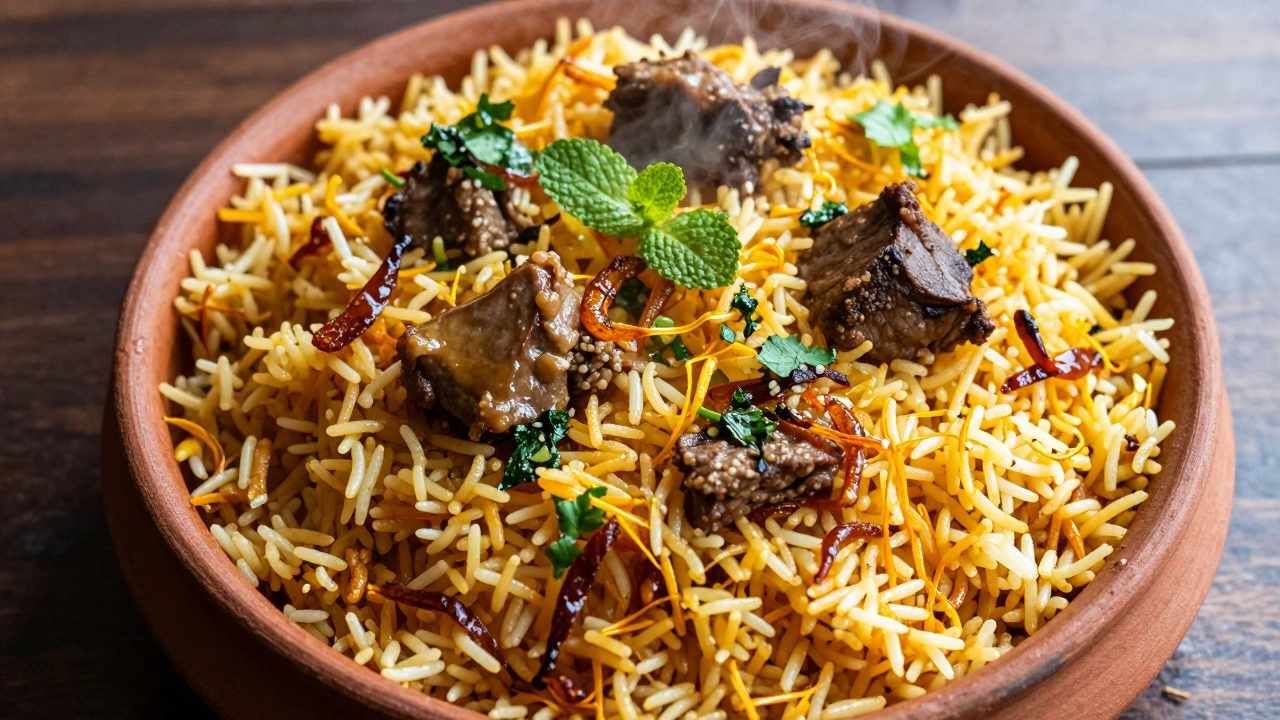
While moisture is crucial, flavor is what makes biryani memorable. Use whole spices like cardamom, cloves, cinnamon, and bay leaves. Toast them lightly in ghee before adding the meat. This releases their essential oils, infusing the dish with warmth and complexity. Add sliced green chilies for heat and freshness. Don't forget about herbs. Fresh mint and coriander leaves add a vibrant contrast to the rich, spiced meat. Chop them finely and sprinkle generously between the layers. These herbs not only improve taste but also contribute to the visual appeal of the dish. A colorful presentation enhances the dining experience, making the biryani look as good as it tastes.
Saffron is another powerful tool in your arsenal. Steep a pinch of saffron strands in warm milk for ten minutes before using. The resulting liquid should be bright orange. Drizzle this over the top layer of rice. Saffron adds a subtle earthy sweetness and a stunning golden hue. It signals luxury and care, telling your guests that you have put thought and effort into the meal. Combine this with fried onions, caramelized to a deep brown color. These onions provide a sweet, savory crunch that balances the softness of the rice and meat. Together, these elements create a harmonious blend of textures and flavors that define authentic biryani.
Why does my biryani rice turn out dry?
Dry biryani usually results from insufficient moisture during cooking or excessive heat. Ensure you use the correct rice-to-liquid ratio (1:1.5) and cook on low heat using the Dum Pukht method. Sealing the pot with dough helps trap steam, preventing moisture loss. Additionally, marinating the meat with yogurt and oil adds necessary fats and acids that keep the meat tender and juicy.
Can I use instant rice for biryani?
No, instant rice is not suitable for biryani. It lacks the structural integrity and aromatic qualities of Basmati rice. Instant rice is pre-cooked and dehydrated, meaning it absorbs liquids differently and cannot withstand the slow-cooking process required for authentic biryani. Using aged Basmati rice ensures the grains remain separate and fluffy.
How long should I marinate the meat?
For best results, marinate the meat for at least four hours, ideally overnight. This allows the yogurt and spices to penetrate the meat fibers, tenderizing it and infusing deep flavors. Shorter marination times result in less flavorful and potentially drier meat, as the acids haven't had enough time to break down the proteins effectively.
What is the purpose of sealing the pot with dough?
Sealing the pot with dough creates an airtight environment that traps steam inside. This steam circulates around the rice and meat, cooking them gently and evenly. Without this seal, steam escapes, leading to dry rice and undercooked meat. The dough acts as a barrier, ensuring that all the moisture generated during cooking is retained within the vessel.
Should I press the rice down when layering?
No, never press the rice down. Pressing compacts the grains, which restricts steam flow and leads to uneven cooking. Instead, spread the rice gently over the meat layer. This allows steam to circulate freely, ensuring that each grain cooks properly and remains fluffy. Compacted rice tends to become dense and chewy, detracting from the desired light texture of biryani.