16 Jun 2026
- 0 Comments
Dosa Gut-Friendliness Calculator
Select the options that match your dosa preparation:
Gut-Friendly Rating
Select OptionsHave you ever eaten a stack of crispy dosas is a traditional South Indian crepe made from fermented rice and lentil batter for breakfast and felt light instead of heavy? You are not imagining things. Unlike many other Indian breakfast staples that can sit in your stomach like a brick, dosas often leave you feeling energized. But why? Is it just the thinness of the crepe, or is there something magical happening in that bowl of batter overnight?
The short answer is yes, dosa is incredibly gut-friendly. But to understand why, we have to look past the frying pan and into the fermentation jar. The secret lies in the process of fermentation, which transforms simple grains and legumes into a prebiotic powerhouse. If you are struggling with bloating, indigestion, or just want to optimize your digestion, understanding how dosa works might change how you view this staple food.
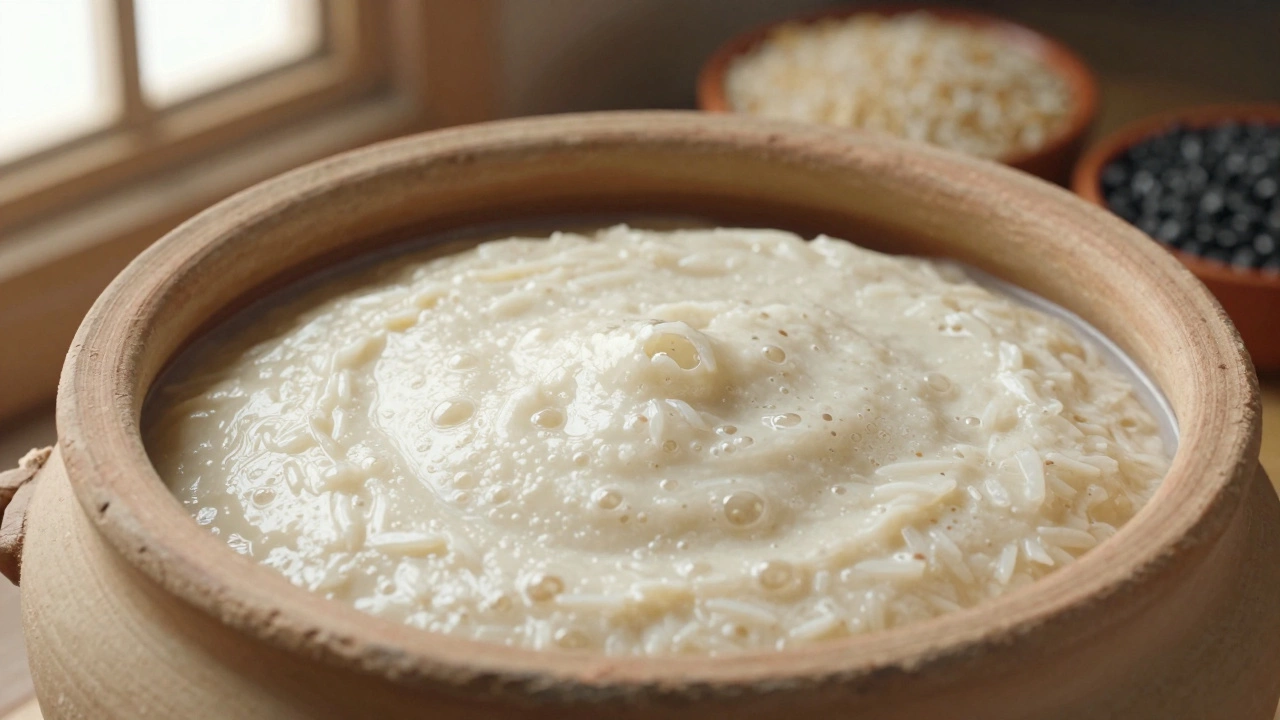
The Magic of Fermentation: Why Batter Changes Everything
Let's talk about what actually happens when you soak rice and urad dal (black gram) together. In their raw form, these ingredients contain complex starches and proteins that can be tough for some people to break down. They also contain anti-nutrients like phytic acid, which can block the absorption of minerals like iron and zinc.
When you ferment the batter, beneficial bacteria-primarily Lactobacillus species-start working overtime. These microbes consume the sugars in the batter and produce lactic acid. This acidic environment does three critical things for your gut:
- Breaks down anti-nutrients: The fermentation process significantly reduces phytic acid levels, making nutrients more bioavailable.
- Pre-digests carbohydrates: The bacteria start breaking down complex starches into simpler sugars before they even hit your stomach. This means your body doesn't have to work as hard to digest them.
- Creates a probiotic boost: While cooking kills most live bacteria, the metabolic byproducts remain. These compounds support the growth of good bacteria already living in your intestines.
This is why a well-fermented dosa tastes slightly tangy. That sourness is the marker of successful fermentation. If your batter isn't rising or doesn't have that characteristic zing, it hasn't done its job for your gut yet.
Dosa vs. Idli: The Steamed vs. Fried Debate
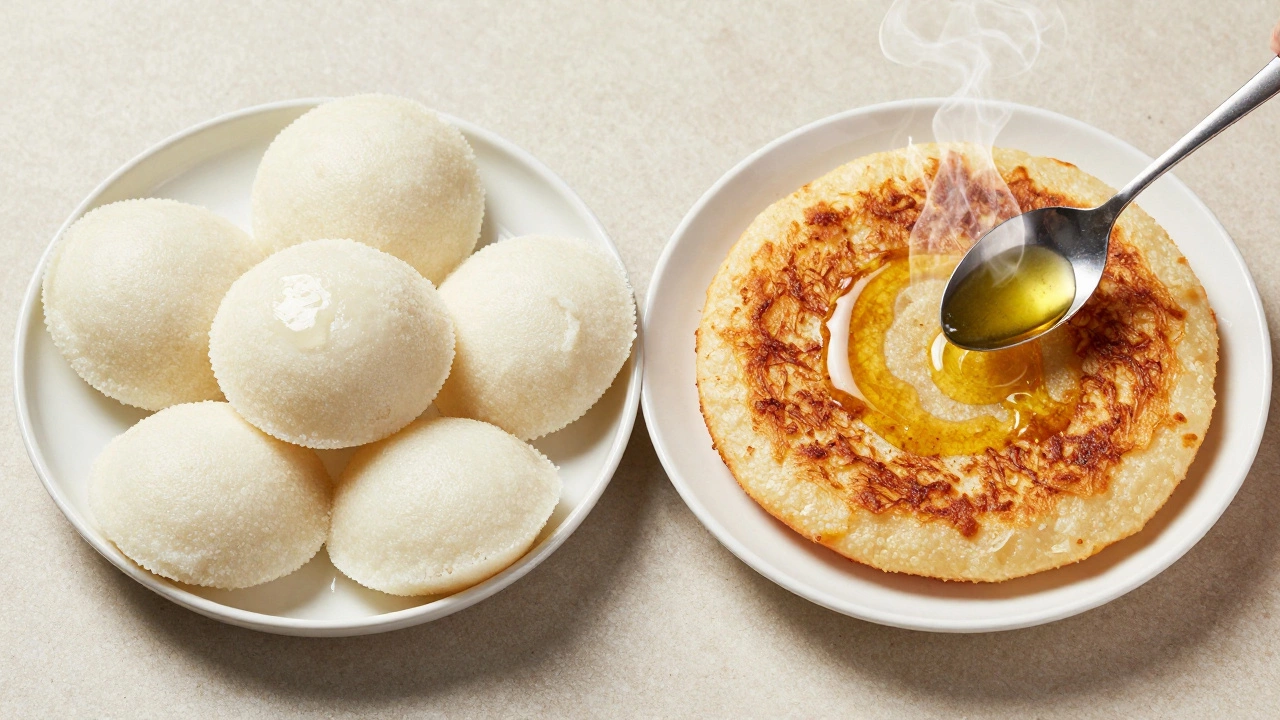
You might wonder if the oil used to crisp up the dosa negates these gut benefits. It’s a fair question. Let’s compare dosa to its cousin, the idli.
| Feature | Dosa | Idli |
|---|---|---|
| Cooking Method | Pan-fried with oil/ghee | Steamed |
| Fat Content | Moderate (depends on oil used) | Very Low |
| Glycemic Index | Moderate to High | Low to Moderate |
| Digestibility | High (if batter is well-fermented) | Very High |
| Satiety | Moderate | High |
Idlis are technically lighter because they are steamed, meaning zero added fat. However, dosas are still considered highly digestible. The key is the type of fat you use. Using coconut oil or ghee in moderation aids digestion rather than hindering it. Ghee, in particular, has been used in Ayurvedic medicine for centuries to soothe the digestive tract. So, while idli wins on calories, dosa holds its own on digestibility, provided you don’t drown it in oil.
The Role of Ingredients: Rice and Urad Dal
Not all dosas are created equal. The standard ratio of rice to urad dal matters for your gut health. Urad dal is rich in protein and fiber, but it is also known to cause gas in some people if not cooked properly. Fermentation solves this problem by breaking down the oligosaccharides-the complex sugars in beans that cause flatulence.
If you are sensitive to gluten-free grains, you might notice that pure rice-based dosas are easier on your system than wheat-based rotis. Rice is naturally gluten-free and generally gentler on the stomach lining. For those with mild irritable bowel syndrome (IBS), a well-fermented plain dosa is often better tolerated than whole-grain breads or parathas.
However, adding too many fillings can complicate things. A masala dosa stuffed with spiced potatoes is delicious, but the potato and spice mix can slow down digestion. If your goal is gut health, stick to a plain dosa or one filled with soft, easily digestible vegetables like spinach or pumpkin.
How to Make Your Dosa Even More Gut-Friendly
You can tweak your recipe to maximize the probiotic and prebiotic potential of your dosa. Here are practical tips based on nutritional science:
- Extend the fermentation time: In Sydney’s cooler months, let your batter ferment for 18-24 hours. Longer fermentation equals more breakdown of anti-nutrients. In summer, 8-10 hours might suffice, but keep an eye on the rise.
- Add roasted chana dal: Adding a small amount of roasted Bengal gram (chana dal) to the batter increases the fiber content without adding heaviness. Fiber feeds the good bacteria in your colon.
- Use poha (flattened rice): Many home cooks add a handful of poha to the batter. Poha ferments faster and adds a fluffy texture. It is also pre-cooked, making it extremely easy to digest.
- Avoid instant mixes: Store-bought dosa powders often lack the proper balance of cultures needed for true fermentation. They may taste similar, but they miss out on the digestive benefits of natural bacterial action.
- Pair with chutney wisely: Coconut chutney provides healthy fats, but mint-coriander chutney offers enzymes that aid digestion. Choose fresh, homemade chutneys over bottled ones to avoid preservatives that can disrupt gut flora.
Who Should Be Cautious?
While dosa is gut-friendly for most, it isn’t perfect for everyone. If you have a histamine intolerance, be careful. Fermented foods are high in histamines. For some people, eating large amounts of fermented batter can trigger headaches or skin reactions. Start with a small portion and see how your body reacts.
Also, consider the glycemic load. White rice has a high glycemic index. If you are managing blood sugar levels, opt for brown rice dosa or millet dosa. Brown rice takes longer to ferment, so plan ahead. Millets like ragi (finger millet) or jowar (sorghum) offer higher fiber and lower glycemic impact, making them excellent alternatives for sustained energy and gut health.
The Cultural Context of Dosa in Australia
Living in Sydney, I’ve noticed how the Indian diaspora has adapted dosa-making to local conditions. The humidity here helps fermentation, but the air conditioning in modern apartments can slow it down. Many households now use yogurt makers or oven lights to maintain the warm environment bacteria need. This attention to detail ensures that the dosa remains a reliable source of comfort food that doesn’t upset the stomach.
Moreover, the availability of high-quality urad dal and rice varieties in local Asian grocery stores allows us to replicate authentic textures. Authenticity matters because traditional methods prioritize digestibility. The labor-intensive process of soaking, grinding, and fermenting was designed not just for flavor, but for survival and health in hot climates where heavy meals were impractical.
Practical Tips for Daily Consumption
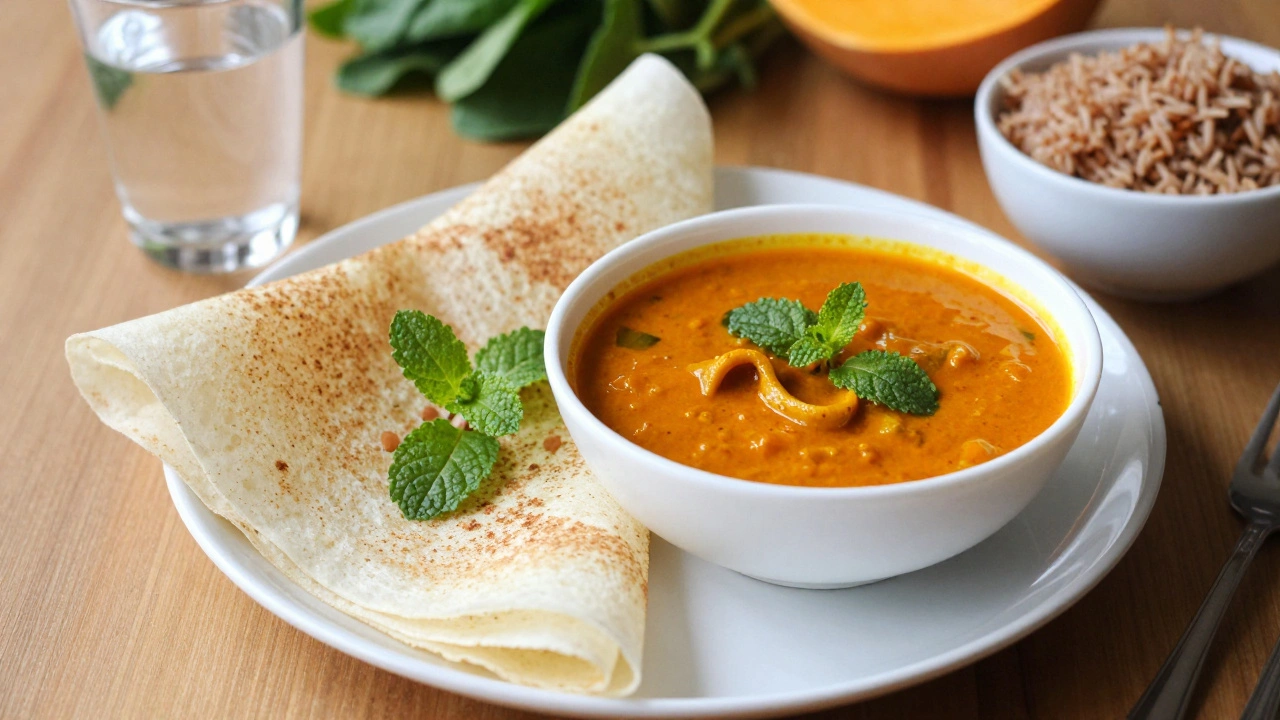
If you want to make dosa a regular part of your gut-health routine, consistency is key. Try to eat it as part of a balanced meal. Pair your dosa with a side of sambar. Sambar is a lentil-based stew packed with vegetables and spices like asafoetida (hing) and cumin, both of which are carminatives-they help reduce gas and bloating. This combination creates a synergistic effect where the dosa provides energy and the sambar supports digestion.
Listen to your body. If you feel bloated after eating dosa, check your fermentation process. Is the batter sour enough? Did you grind it finely? A coarse batter is harder to digest. Also, ensure you are drinking enough water throughout the day. Fiber-rich diets require adequate hydration to prevent constipation.
Can I eat dosa every day for gut health?
Yes, you can eat dosa daily if it is well-fermented. However, variety is important for a healthy microbiome. Rotate with other fermented foods like idli, dhokla, or kimchi to expose your gut to different types of beneficial bacteria and fibers.
Does cooking kill the probiotics in dosa?
Yes, the heat from cooking kills the live bacteria. However, the fermentation process leaves behind postbiotics-compounds like lactic acid and enzymes-that still support gut health by feeding your existing good bacteria and improving nutrient absorption.
Is dosa better for digestion than roti?
For many people, yes. Roti is made from wheat, which contains gluten and can be harder to digest for those with sensitivities. Dosa is gluten-free and fermented, making it lighter and easier to break down in the stomach.
Why does my dosa batter smell sour?
A slight sour smell is normal and indicates successful fermentation. However, if it smells overly pungent or unpleasant, it may have over-fermented. You can balance this by adding a pinch of baking soda or mixing it with fresh batter before cooking.
Can children eat dosa?
Absolutely. Dosa is often one of the first solid foods introduced to babies because it is soft, bland, and easy to digest. Just ensure it is cooled down and not too spicy if served with chutney.