22 May 2026
- 0 Comments
Salsa vs. Chutney: The Ultimate Condiment Comparator
Have you ever stood in the grocery aisle, staring at a jar of bright green mango relish next to a bottle of chunky red tomato sauce, wondering if they’re essentially the same thing wearing different hats? It’s a fair question. Both are vibrant, tangy condiments used to punch up the flavor of bland food. But if you’ve ever tried swapping them out without thinking, you might have ended up with a dish that tasted... off.
The short answer is no. Salsa is a Latin American condiment primarily made from tomatoes, onions, chili peppers, and cilantro, characterized by its fresh, raw texture and immediate acidity. It is not a chutney. While they share the DNA of being "chutneys" in the broadest, historical sense of spicy sauces, they belong to completely different culinary families, use distinct ingredient profiles, and serve different roles on your plate.
Understanding this distinction isn’t just about semantics; it’s about respecting the cultural roots of the food you’re eating. Let’s break down why these two powerhouses of flavor don’t mix, and how you can use each one to its full potential.
The Culinary Roots: Where Do They Come From?
To understand why salsa and chutney are different, we have to look at where they started. Food doesn’t exist in a vacuum; it’s born from geography, climate, and history.
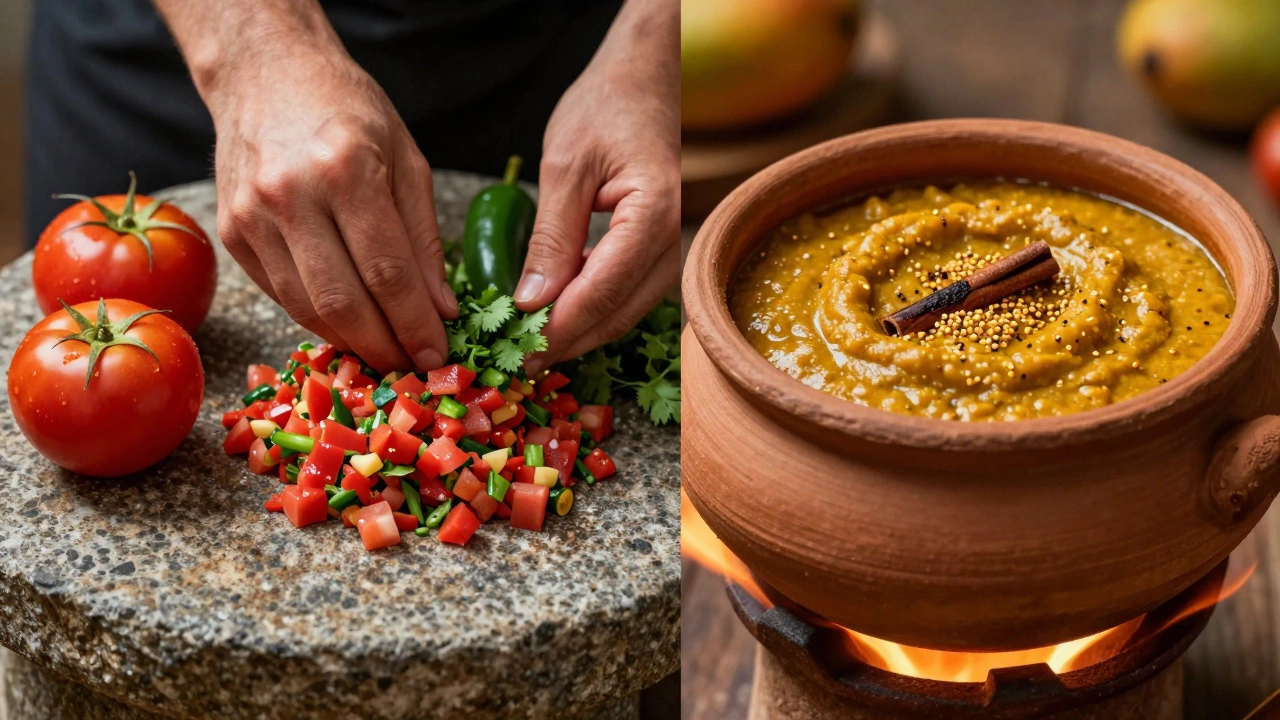
Salsa is deeply rooted in Mesoamerican cuisine, dating back thousands of years before European colonization. The word itself comes from the Spanish word for 'sauce,' but the concept is indigenous, originally created by mashing tomatoes, chilies, and herbs on a stone metate (grinding slab). It reflects the agricultural bounty of Mexico and Central America: tomatoes, avocados, corn, and a vast array of native chili peppers like jalapeños and serranos.
In contrast, Chutney is an Indian condiment with origins in the ancient Sanskrit word 'chatni,' meaning 'to lick.' It evolved significantly during the British colonial era, which introduced vinegar and sugar preservation methods to traditional Indian fruit and spice pastes. Traditional Indian chutneys rely on ingredients native to the subcontinent: tamarind, mint, coriander seeds, cumin, mustard seeds, and tropical fruits like mango and pineapple.
This geographic divide creates a fundamental difference in flavor philosophy. Salsa is often about freshness and immediacy-think of it as a salad chopped into small pieces. Chutney is often about complexity and preservation-think of it as a cooked jam or pickle that has had time to meld flavors.
Ingredient Breakdown: What’s Inside the Jar?
If you open the pantry, the ingredient lists tell a clear story. Let’s look at the core components of each.
| Feature | Salsa (Mexican/Latin) | Chutney (Indian) |
|---|---|---|
| Base Ingredient | Tomatoes (ripe or roasted) | Fruits (mango, apple), Vegetables (onion, garlic), or Herbs (mint, cilantro) |
| Acidity Source | Lime juice, Lemon juice | Vinegar, Tamarind pulp, Yogurt (in some types) |
| Heat Source | Fresh Chili Peppers (Jalapeño, Serrano, Habanero) | Dried Chilies, Black Pepper, Ginger |
| Herbs & Spices | Cilantro (Coriander leaves), Cumin powder | Coriander seeds, Cumin seeds, Mustard seeds, Fenugreek, Turmeric |
| Sweetness | Natural sweetness from ripe tomatoes | Sugar, Jaggery, or natural fruit sugars |
| Texture | Chunky, liquid, fresh | Smooth paste, coarse grind, or jam-like consistency |
Notice the absence of vinegar in most fresh salsas? That’s a key differentiator. Vinegar is the preservative hero of many chutneys, especially those meant to be stored for months. Salsa, particularly the popular salsa fresca, is meant to be eaten within days. This affects the taste profile significantly. Vinegar adds a sharp, fermented tang that cuts through rich, fatty foods. Lime juice offers a brighter, citrusy pop that enhances freshness.
Also, consider the spices. Salsa uses ground cumin and fresh cilantro leaves. Chutney uses whole toasted seeds-coriander, cumin, mustard-and powders like turmeric and garam masala. These whole seeds release their oils differently when cooked or ground, creating a deeper, earthier warmth compared to the bright, herbal notes of salsa.
Preparation Methods: Raw vs. Cooked
How you make the condiment defines its soul. There are two main camps here: the raw camp and the cooked camp.
Salsa is predominantly raw. Whether it’s a quick chop of tomatoes and onions for pico de gallo or a blender batch for salsa roja, the ingredients retain their raw integrity. You might roast the chilies or tomatoes first to add smokiness, but you rarely simmer the final mixture for hours. The goal is to preserve the crunch of the onion and the burst of the tomato.
Chutney, however, often involves cooking. Think of English-style mango chutney or Indian tamarind chutney. These are simmered in pots, reducing liquids until they reach a thick, syrupy consistency. The heat caramelizes the sugars in the fruit and breaks down the fibers, creating a spreadable paste. Even "fresh" chutneys like mint-cilantro chutney are usually blended with boiled water or tempered with hot oil (tadka) to cook the spices slightly, ensuring they last longer than a few hours.
This cooking process changes the chemical structure of the ingredients. Cooked chutneys develop Maillard reactions (browning) and deeper flavor compounds that raw salsa simply cannot achieve. If you put raw tomatoes in a chutney recipe, it would turn into a salsa. If you cook salsa for an hour with sugar and vinegar, it becomes a chutney-like relish. So, technically, you *can* turn salsa into chutney, but you can’t really turn chutney back into salsa.
Pairing Guide: What Goes With What?
You wouldn’t wear sandals to a formal wedding, right? Similarly, you shouldn’t pair every condiment with every dish. Using the wrong one can clash with the dominant flavors of your meal.
When to Use Salsa:
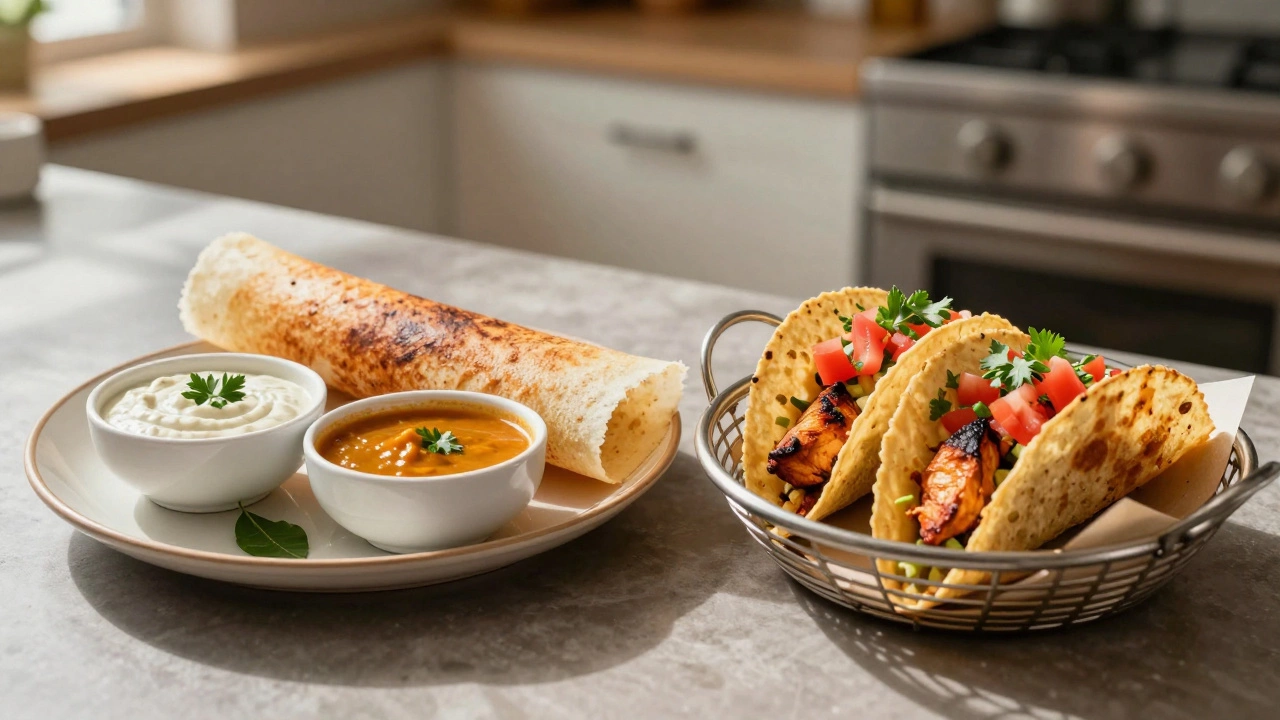
- Tacos and Burritos: The acidity of lime and the freshness of cilantro cut through the richness of beef, pork, or beans.
- Grilled Fish: A light tomato-onion salsa complements delicate white fish without overpowering it.
- Quesadillas: Adds moisture and crunch to dry, melted cheese.
- Chicken Wings: Buffalo wings are often served with blue cheese, but a spicy mango salsa is a modern favorite that balances the heat.
When to Use Chutney:
- Dosas and Idlis: These South Indian rice-based dishes are bland on purpose, designed to carry the complex flavors of coconut chutney or sambar.
- Curries: A dollop of mint chutney on top of a rich butter chicken or paneer tikka provides a cooling, herbaceous contrast.
- Cheese Boards: Mango chutney pairs beautifully with sharp cheddar or creamy brie, acting like a fruit preserve.
- Sandwiches and Burgers: Green chutney (made with mint, coriander, and green chilies) works as a zesty alternative to mayonnaise in sandwiches.
See the pattern? Salsa partners with bold, savory, and often fried or grilled meats. Chutney partners with spiced, aromatic, and often vegetarian or lentil-based dishes. The spice profiles need to harmonize, not fight.
Can You Swap Them? The Great Experiment
I know what you’re thinking. "I have salsa, but I’m making dosas. Can I use it?" Or, "I have leftover chutney, can I put it on my tacos?"
Technically, yes. Practically? It depends.
If you use salsa on dosa, you’ll get a strange combination of Mexican lime/cilantro with Indian rice fermentation. It’s not terrible, but it’s confusing. Your brain expects the cool, earthy hit of coconut or the tangy punch of tamarind. Instead, you get a watery, herb-heavy bite that doesn’t complement the subtle sourness of the dosa batter.
If you use chutney on tacos, you risk overwhelming the meat. Chutney is dense and sweet-tangy. A taco needs brightness. However, there’s a loophole: Mango Salsa. Because mango is a bridge ingredient, a mango salsa sits comfortably in both worlds. It’s fresh enough for tacos but fruity enough to mimic the sweetness of a chutney. If you’re stuck, mango is your safe harbor.
But for traditional purposes, keep them separate. Respect the culture. Respect the palate.
How to Make Quick Versions of Both
Since we’re talking about recipes, let’s give you the simplest way to make each at home. No fancy equipment needed.
5-Minute Fresh Salsa:
- Dice 3 ripe tomatoes.
- Add half a diced white onion.
- Add 1-2 chopped jalapeños (seeds removed for less heat).
- Stir in a handful of chopped cilantro.
- Juice of one lime and a pinch of salt.
- Let it sit for 10 minutes before serving to let flavors marry.
5-Minute Mint Chutney:
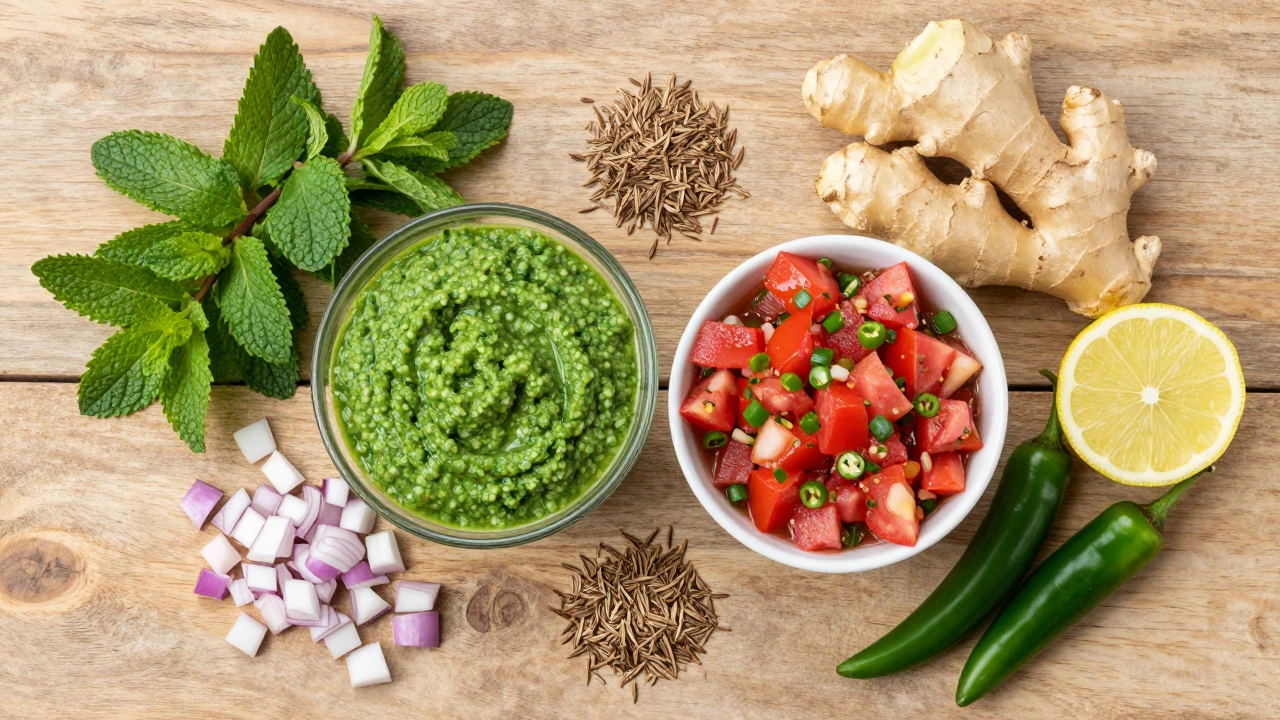
- Take a large bunch of fresh mint leaves and a smaller bunch of cilantro.
- Add 1 inch of ginger, 1-2 green chilies, and a teaspoon of cumin seeds.
- Add a splash of water and a squeeze of lemon.
- Blend until smooth.
- (Optional but recommended) Heat 1 tsp oil, add mustard seeds and curry leaves, pour over the chutney for a crispy finish.
Notice the differences? Salsa is chopped; chutney is blended. Salsa uses lime; chutney uses lemon or no acid if balanced by yogurt later. Salsa is ready to eat; chutney often benefits from a quick tempering step.
Final Thoughts: Embrace the Diversity
Salsa and chutney are cousins, not twins. They both aim to do the same job-add flavor, moisture, and interest to a meal-but they speak different languages. Salsa shouts with fresh, bright, acidic notes. Chutney whispers with deep, earthy, sweet-and-sour complexities.
Next time you’re cooking, ask yourself: What does this dish need? Does it need a kick of fresh acidity to cut through fat? Go for salsa. Does it need a layer of aromatic depth to complement spices? Go for chutney. By understanding these distinctions, you’re not just following rules; you’re enhancing your dining experience.
Is green chutney the same as salsa verde?
No, they are quite different. Salsa verde (Italian or Mexican) typically uses tomatillos, cilantro, and sometimes avocado or cucumber. It is tangy and herbaceous. Green chutney (Indian) is made primarily with mint, cilantro, green chilies, and often includes cumin and lemon. The mint flavor in chutney is much more dominant than the tomatillo flavor in salsa verde.
Can I store homemade salsa and chutney in the fridge?
Yes, but for different durations. Fresh salsa lasts 2-3 days in the fridge because it contains raw vegetables that will wilt and lose texture. Chutney, especially if it contains vinegar or was cooked, can last 1-2 weeks. Always store in airtight glass jars to prevent contamination.
What is the main difference in spices between salsa and chutney?
Salsa relies on fresh herbs like cilantro and ground cumin. Chutney uses whole toasted spices like cumin seeds, coriander seeds, mustard seeds, and fenugreek. Chutney spices are often "tempered" in hot oil to release their aroma, whereas salsa spices are mixed raw.
Why does chutney taste sweeter than salsa?
Many chutneys, especially fruit-based ones like mango or tamarind, include added sugar or jaggery to balance the high acidity of vinegar or tamarind. Salsa relies on the natural sweetness of ripe tomatoes and does not typically contain added sugar, resulting in a cleaner, more acidic profile.
Can I use chutney as a marinade?
Yes! Chutney makes an excellent marinade for chicken or tofu because its thick consistency adheres well to food, and the spices penetrate the protein. Salsa is too watery and acidic, which can "cook" the surface of the meat (like ceviche) rather than marinate it deeply.