28 Aug 2026
- 0 Comments
Global Breakfast Health Scorecard
Select a region below to analyze the nutritional profile of its traditional morning meal.
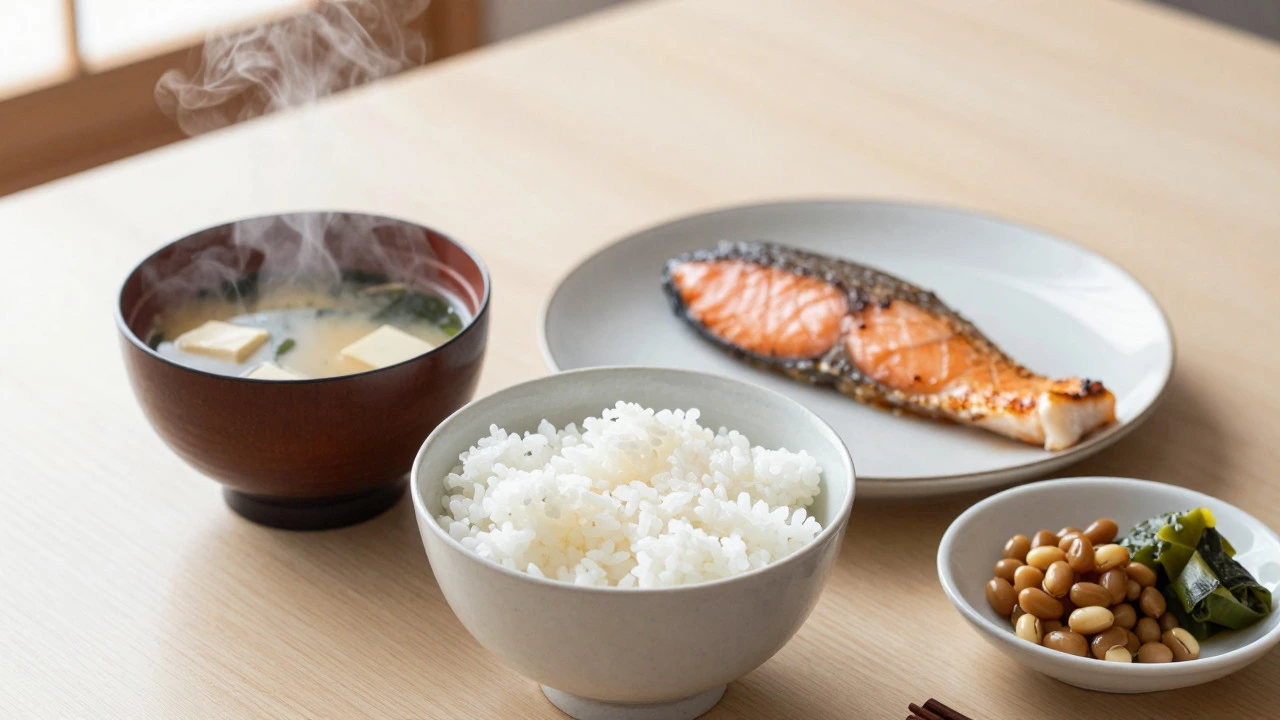
Japan's Traditional Breakfast
Score: 9/10Typical Components
Key Nutrient Benefits
Potential Pitfalls
Health Impact Breakdown
Verdict: Ideal for longevity and low blood sugar spikes.
You wake up, groggy and hungry. What do you eat? If you’re in Japan, it’s probably steamed rice, miso soup, and grilled fish. If you’re in France, maybe a buttery croissant and coffee. In India, perhaps a plate of idli or paratha with chutney. These aren’t just cultural quirks-they’re direct predictors of your health.
So, which country actually wins the title for the healthiest breakfast? It’s not as simple as picking one nation. The answer depends on what you value: longevity, heart health, energy stability, or weight management. But if we look at data from the World Health Organization and nutritional studies, a few countries consistently rise to the top. Let’s break down who they are, why their morning routines work, and how you can steal their best ideas without flying across the world.
The Case for Japan: Longevity Starts at 7 AM
If you want to live past 90, copy the Japanese. Japan has the highest life expectancy in the world, and researchers often point to their traditional breakfast as a key factor. This isn’t about sushi rolls for breakfast; it’s about balance.
A traditional Japanese breakfast (asagohan) typically includes steamed rice, miso soup, fermented soybeans (natto), pickled vegetables, and a small piece of grilled fish or an egg. Why is this so powerful? It’s low in sugar and high in protein and fiber. There’s no spike in blood glucose like you get from cereal or toast. Instead, you get steady energy that lasts until lunch.
The fermentation aspect is crucial. Foods like natto and miso introduce beneficial bacteria into your gut. A healthy microbiome helps regulate inflammation, which is the root cause of many chronic diseases. Plus, the portion sizes are modest. You eat enough to fuel your body, not enough to weigh you down.
Iceland and Scandinavia: The Power of Fish and Rye
Move north, and you find another contender: Iceland. Along with Norway and Denmark, Iceland consistently ranks high in health metrics. Their secret weapon? Omega-3 fatty acids and whole grains.
A typical Icelandic breakfast might include skyr (a thick, high-protein yogurt), smoked salmon, and rye bread. Skyr is packed with protein-about 15 grams per serving-which keeps you full longer. Salmon provides essential fats that protect your heart and brain. And rye bread? It’s denser and more nutrient-rich than white wheat bread, offering better fiber content and a lower glycemic index.
Why does this matter? Heart disease remains a leading killer globally. Diets rich in omega-3s and fiber significantly reduce the risk of cardiovascular issues. If you’re looking for a breakfast that protects your heart while keeping your mind sharp, the Nordic model is hard to beat.
Greece and Italy: The Mediterranean Morning Advantage
You’ve heard of the Mediterranean Diet. It’s widely considered the gold standard for overall health. But most people think it’s only about dinner-olive oil, pasta, and wine. Actually, the breakfast habits in Greece and southern Italy are equally impressive.
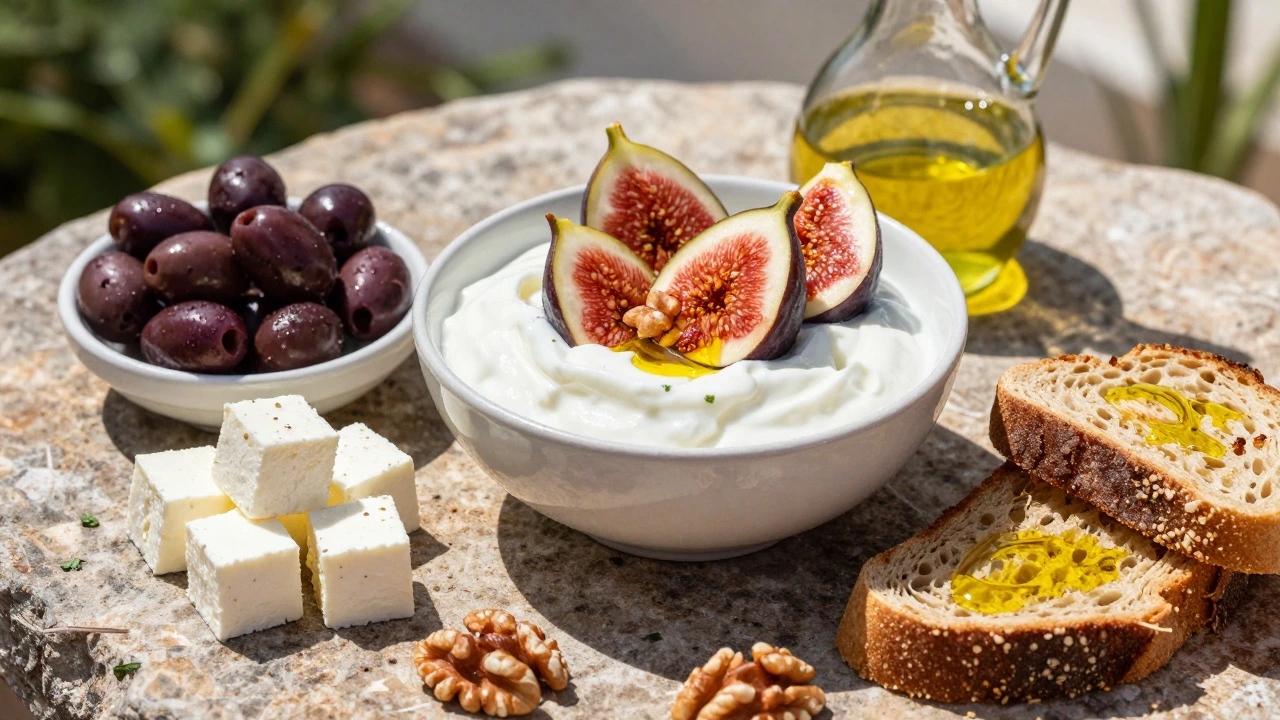
In rural Greece, a traditional breakfast might be simple: fresh fruit, nuts, olives, and feta cheese, often accompanied by whole-grain bread dipped in olive oil. It’s colorful, flavorful, and incredibly nutrient-dense. Olive oil is a monounsaturated fat that lowers bad cholesterol (LDL) while raising good cholesterol (HDL). Nuts provide magnesium and vitamin E, antioxidants that fight cellular damage.
This approach avoids the processed sugars common in Western breakfasts. No sugary cereals, no packaged muffins. Just whole foods that nourish your cells. Studies published in the New England Journal of Medicine have shown that adherence to a Mediterranean-style diet reduces the risk of major cardiovascular events by nearly 30%.
India: Diversity and Digestive Health
Let’s talk about home turf. India has one of the most diverse breakfast landscapes in the world. From idli and dosa in the South to parathas and poha in the North, the variety is staggering. Is it the healthiest? It can be, but it depends entirely on preparation.
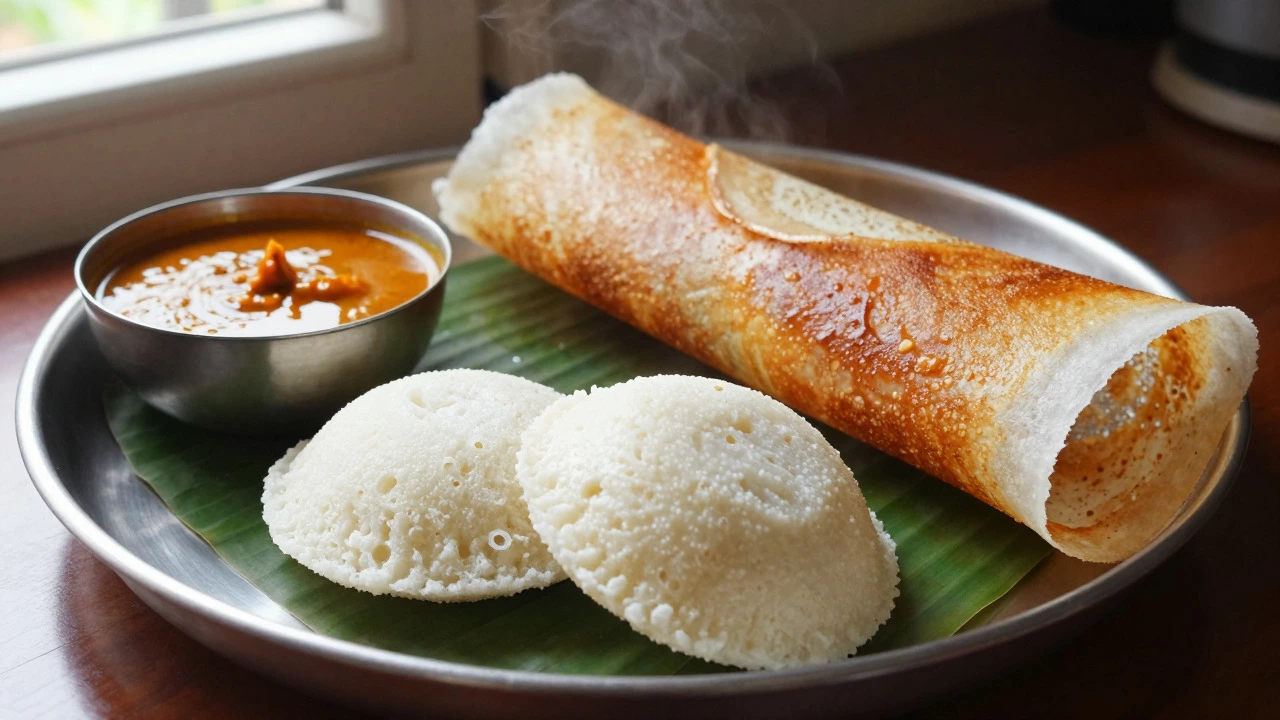
Traditional Indian breakfasts are often fermented or cooked with minimal oil. Idlis, for example, are steamed cakes made from fermented rice and lentil batter. Fermentation breaks down anti-nutrients, making minerals like iron and zinc easier to absorb. Dosa, a crispy crepe, offers similar benefits. Pair them with sambar (lentil stew) and coconut chutney, and you have a meal rich in protein, fiber, and healthy fats.
However, modern urban habits are shifting. Many people now opt for quick options like white bread toast with jam, sugary chai, or deep-fried snacks. These lack the nutritional punch of traditional meals. If you stick to the traditional formats-steamed, fermented, and balanced with vegetables-Indian breakfasts rank highly for digestive health and sustained energy.
Comparing the Contenders: A Nutritional Breakdown
How do these countries stack up against each other? Let’s look at the key nutritional attributes of their typical breakfasts. Note that "typical" refers to traditional patterns, not every individual’s choice.
| Country/Region | Typical Components | Key Nutrient Benefit | Potential Pitfall |
|---|---|---|---|
| Japan | Rice, Miso Soup, Fish, Pickles | Probiotics & Low Glycemic Index | High sodium from soy sauce/pickles |
| Iceland/Nordics | Skyr, Smoked Salmon, Rye Bread | Omega-3s & High Protein | Cost of fresh fish/specialty items |
| Greece/Italy | Fruit, Nuts, Olive Oil, Cheese | Monounsaturated Fats & Antioxidants | Portion control with cheese/nuts |
| India | Idli/Dosa, Sambar, Chutney | Fiber & Fermentation Benefits | Excess oil/ghee or refined carbs |
What Makes a Breakfast "Healthy"?
Before you overhaul your morning routine, understand what actually makes a breakfast healthy. It’s not just about being "low calorie." A truly healthy breakfast should hit three marks:
- Balanced Macronutrients: It needs protein, healthy fats, and complex carbohydrates. Protein keeps you full; fats support brain function; complex carbs provide steady energy.
- Nutrient Density: Every bite should offer vitamins, minerals, or antioxidants. Empty calories from sugar don’t count.
- Satiety: If you’re hungry again an hour later, your breakfast failed. Fiber and protein are your best friends here.
Many Western breakfasts fail this test. A bowl of sugary cereal with milk might have calcium, but it lacks fiber and protein, leading to a mid-morning crash. A bagel with cream cheese is mostly refined carbs and saturated fat. Compare that to a Japanese miso set or a Greek yogurt bowl, and the difference in energy levels becomes obvious.
How to Adopt Global Habits Without Traveling
You don’t need to move to Tokyo or Athens to eat better. You can integrate these global best practices into your local kitchen. Here’s how:
- Add Fermented Foods: Like Japan, incorporate yogurt, kefir, sauerkraut, or kimchi into your morning. They boost gut health.
- Swap White Grains for Whole: Replace white toast with rye, oats, or whole-grain idli/dosa. This increases fiber intake.
- Include Healthy Fats: Add a handful of walnuts, a slice of avocado, or a drizzle of olive oil to your plate. This mirrors the Mediterranean approach.
- Prioritize Protein: Whether it’s eggs, tofu, skyr, or lentils, make sure there’s a solid protein source. It stabilizes blood sugar.
- Cut the Sugar: Avoid sugary juices, jams, and cereals. Use fresh fruit for sweetness instead.
For those in India, this means sticking to traditional staples rather than switching to trendy Western options. An idli-sambar combo is already aligned with global health standards. Just watch the amount of ghee or oil used in cooking.
The Verdict: Who Wins?
There is no single winner because health is personal. However, if we look at aggregate data on longevity and chronic disease prevention, Japan often takes the crown due to its low-calorie, nutrient-dense, and fermented-food-heavy approach. The Mediterranean region follows closely, especially for heart health. Scandinavia excels in protein and omega-3 intake.
But here’s the twist: The healthiest breakfast is the one you enjoy and can sustain long-term. If you hate fish, forcing yourself to eat salmon every morning won’t help. If you love spices, an Indian masala omelet with whole-wheat toast is a fantastic choice. The goal isn’t perfection; it’s consistency with quality ingredients.
Start by auditing your current breakfast. Does it have protein? Fiber? Healthy fats? If not, borrow an idea from Japan, Greece, or India. Your body will thank you before noon.
Is a Japanese breakfast really healthier than a Western one?
Generally, yes. Traditional Japanese breakfasts are lower in sugar and refined carbohydrates and higher in fermented foods and protein compared to typical Western breakfasts like pancakes, sugary cereals, or bacon and eggs with white toast. This leads to better blood sugar control and gut health.
Can I follow a healthy breakfast plan if I am vegetarian?
Absolutely. Countries like India and Greece offer excellent vegetarian options. Idlis, dosas, paneer dishes, Greek yogurt with nuts, and vegetable-based soups are all nutrient-dense and align with healthy eating principles.
Why is fermentation important in a healthy breakfast?
Fermentation introduces probiotics, which improve gut health. A healthy gut microbiome is linked to better digestion, stronger immunity, and even improved mental health. Examples include miso, natto, yogurt, and fermented batters for idli and dosa.
Is skipping breakfast unhealthy?
Not necessarily. Intermittent fasting proponents skip breakfast without negative effects. However, if you eat breakfast, making it nutrient-dense (like the examples above) is far better than eating junk. Listen to your hunger cues.
What is the biggest mistake people make when trying to eat healthy breakfasts?
Consuming hidden sugars. Fruit juices, flavored yogurts, granola bars, and whole-grain breads often contain high amounts of added sugar, which negates the health benefits. Always check labels for added sugars.