10 Apr 2026
- 0 Comments
Indian Regional Diet Explorer
Discover the staple foods, proteins, and flavors of India's diverse regions
Select a region to see what typical meals look like
North India
Wheat DominantSouth India
Rice DominantPrimary Grain
Wheat (Roti, Chapati, Naan, Paratha)
Common Protein
Paneer, Chickpeas, Dal Makhani
Fat Source
Ghee, Mustard Oil
Flavor Profile
Creamy, Rich, Earthy
Primary Grain
Rice (Steamed, Idli, Dosa)
Common Protein
Coconut, Lentils, Fish
Fat Source
Coconut Oil, Peanut Oil
Flavor Profile
Tangy, Spicy, Coconut-based
Quick Takeaways
- Rice and wheat are the undisputed kings of the Indian plate.
- Pulses (dal) provide the primary protein source for the majority of the population.
- Street food like Pani Puri and Vada Pav are cultural icons, not just snacks.
- Dietary habits vary wildly between the wheat-heavy North and rice-dominant South.
- Vegetarianism is more prevalent here than anywhere else in the world.
The Daily Foundation: Rice and Wheat
If you look at the average Indian meal, you'll find a grain. Period. In the north, Wheat is the dominant force. It's turned into flatbreads like Roti, Chapati, and Naan. A typical family dinner in Punjab or Haryana almost always starts with a fresh, hot roti puffed up on an open flame. Wheat is the fuel for the North, providing the calories needed for heavy agricultural work.
Head south or east, and the landscape shifts. Here, Rice takes over. It isn't just a side dish; it's the center of the universe. In states like Tamil Nadu or West Bengal, a meal without steamed rice is barely a meal. From the fluffy Basmati grown in the Himalayan foothills to the short-grain varieties in the south, rice is the primary energy source. This divide is so sharp that you can almost tell which state you're in just by looking at whether the table has a basket of bread or a bowl of rice.
The Protein Powerhouse: Dal and Legumes
Since a huge portion of the population avoids meat for religious or economic reasons, Dal (lentils) is the most critical source of protein. We aren't talking about a boring side of beans. Dal is an art form. Whether it's the creamy Dal Makhani of the North or the tangy Sambar of the South, these legumes are simmered with turmeric, garlic, and ginger.
The variety is staggering. You have Toor Dal (pigeon peas), Moong Dal (yellow lentils), and Masoor Dal (red lentils). The magic happens during the "tadka"-the process of heating oil or ghee and throwing in mustard seeds and dried chilies to create a flavor explosion that is poured over the cooked lentils. It's a simple, cheap, and incredibly nutritious way to keep a billion people healthy.
| Attribute | North India | South India |
|---|---|---|
| Primary Grain | Wheat (Roti/Paratha) | Rice (Steamed/Idli) |
| Fat Source | Ghee / Mustard Oil | Coconut Oil / Peanut Oil |
| Common Protein | Paneer / Chickpeas | Coconut / Lentils / Fish |
| Flavor Profile | Creamy, Rich, Earthy | Tangy, Spicy, Coconut-based |
The Chaos of the Curb: Indian Street Food
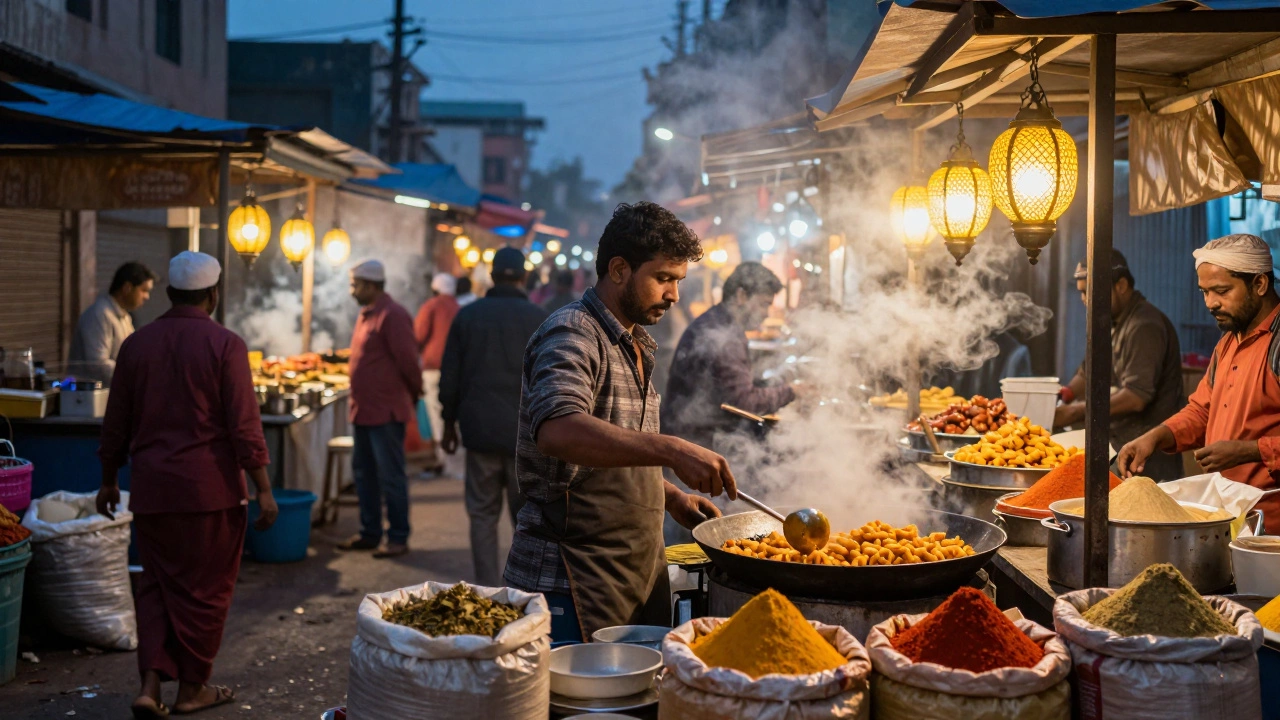
You cannot talk about what is most eaten in India without talking about the streets. For millions, the street vendor is their primary source of tasty, affordable calories. This is where most eaten food in India moves from "sustenance" to "experience."
Take Pani Puri (also known as Gol Gappa). These are small, hollow fried crisps filled with a mixture of mashed potatoes, chickpeas, and dipped into a spicy, tangy mint water. It's a burst of flavor that you can find in almost every city. It's not a meal, but it's a ritual. People will stand in lines for twenty minutes just for a plate of these.
Then there's the Vada Pav, often called the "Mumbai Burger." It's a deep-fried potato dumpling inside a soft bun, smeared with spicy garlic chutney. For a worker in Mumbai, this is the ultimate fuel-cheap, filling, and incredibly satisfying. It's the kind of food that defines a city's identity. If you're in the North, you'll see more Chole Bhature (spicy chickpeas with fried bread), which is a heavy-hitting breakfast that could practically put you to sleep by noon.
The Morning Ritual: Breakfast Variations
Breakfast in India is rarely a bowl of cereal. In the South, Dosa and Idli are the gold standards. Dosa is a thin, fermented rice and lentil crepe, while Idli is a fluffy steamed cake. Both are eaten with coconut chutney and Sambar. The fermentation process doesn't just make them taste tangy; it makes them easier on the stomach, which is a godsend in the humid heat of Chennai or Bengaluru.
In the North, the morning is all about Parathas. These are stuffed flatbreads filled with spiced potatoes (Aloo), cauliflower (Gobi), or radish (Muli), cooked on a griddle with plenty of butter. It's a high-calorie start to the day, usually paired with a dollop of homemade yogurt or a piece of mango pickle. The contrast between the light, steamed South Indian breakfast and the heavy, fried North Indian start is a perfect example of how climate dictates diet.
The Sweet Finish and the Role of Tea
No Indian meal is complete without something sweet. Gulab Jamun-deep-fried dough balls soaked in rose-scented sugar syrup-is likely the most recognized dessert. But in daily life, many people simply eat a piece of jaggery (unrefined cane sugar) or a small bowl of Kheer (rice pudding) to signal the end of a meal.
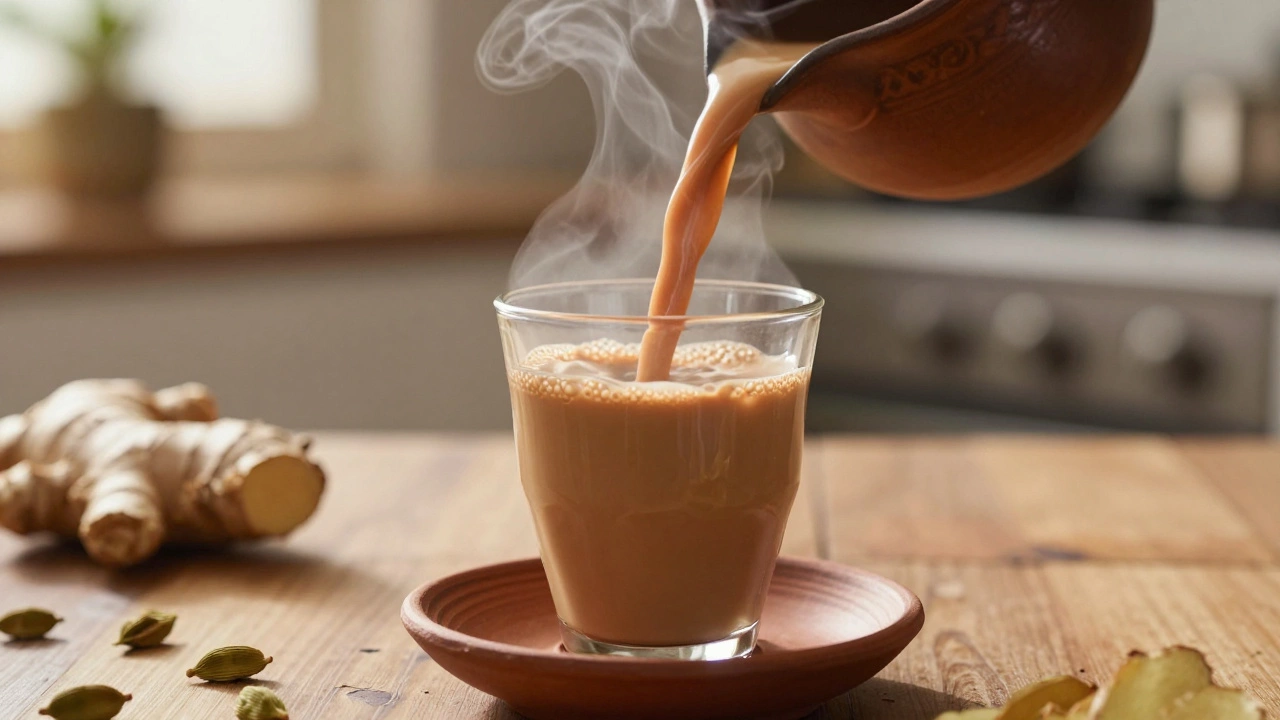
Beyond the meals, there is Masala Chai. If there were a national drink, this would be it. It's not just tea; it's a social lubricant. Strong black tea boiled with milk, sugar, and spices like cardamom and ginger. From the corporate boardrooms of Bangalore to the smallest village in Bihar, chai is consumed by the billions every single day. It's the common thread that ties the entire country together, regardless of class or region.
Understanding the "Thali" Concept
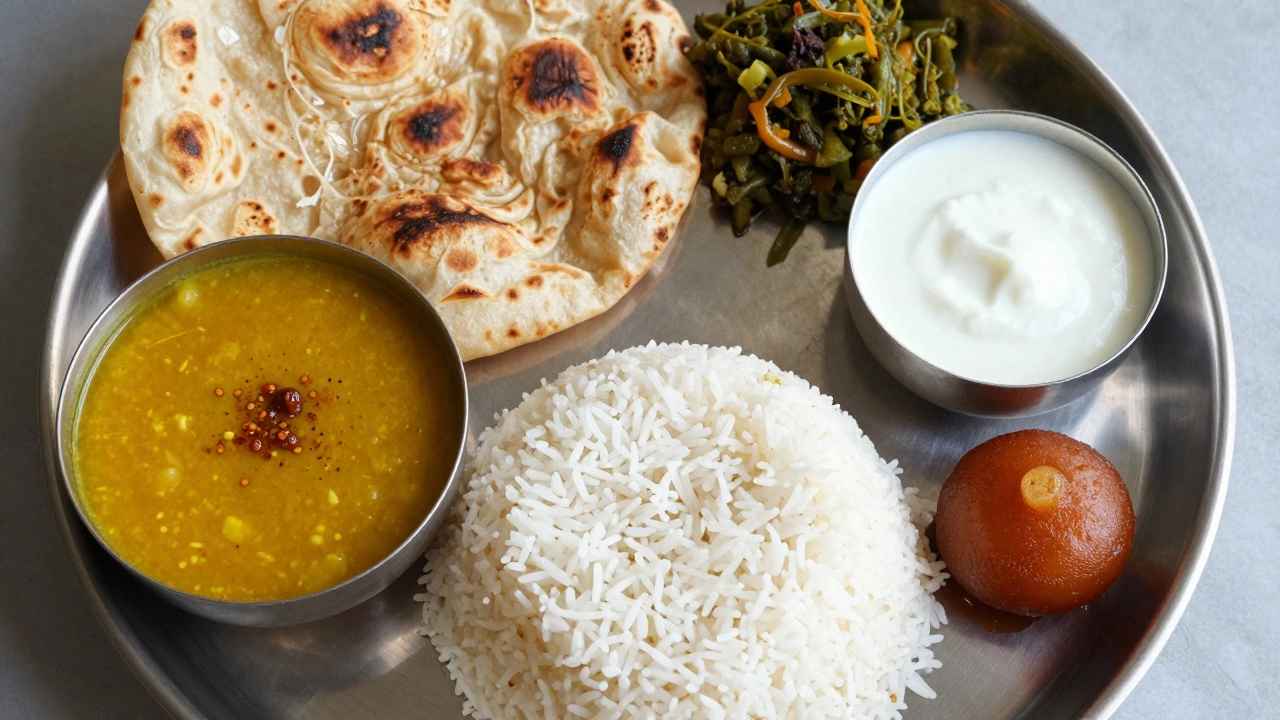
To truly understand what is eaten, you have to look at the Thali. A Thali isn't a specific dish, but a platter. It's designed to provide a balanced meal: a portion of grain (rice or roti), a bowl of dal, a vegetable curry (sabzi), a side of yogurt (raita), a pickle, and a sweet.
The Thali represents the Indian philosophy of "six tastes"-sweet, sour, salty, bitter, pungent, and astringent. By combining these, the meal feels complete. Whether it's a simple home-cooked thali or a lavish Rajasthani feast, this structure ensures that the person eating gets a mix of macronutrients and flavors in one sitting. It's the ultimate expression of the Indian diet's diversity and balance.
Do most people in India actually eat curry?
The word "curry" is mostly a Western term. In India, people eat "sabzi" (vegetable dishes) or "dal." While the flavor profiles are similar to what Westerners call curry, the variety of spices and techniques is far more diverse than a single generic category.
Is the food in India mostly spicy?
Not necessarily. While many dishes use chilies, the focus is more on "flavor" than just "heat." Many regional cuisines, especially in the South, use coconut or tamarind to balance the spices, making them tangy and rich rather than just burning hot.
What is the most common protein source for Indians?
Lentils (dal) and chickpeas are the primary protein sources for the vast majority of the population, particularly for the large vegetarian community. Paneer (cottage cheese) is also very popular in the North.
What is the difference between Roti and Naan?
Roti is an unleavened flatbread made from whole wheat flour and is a daily staple in homes. Naan is leavened (using yeast or bacteria), usually made from refined flour, and is traditionally baked in a tandoor (clay oven), making it more of a restaurant or special-occasion treat.
Why is rice so popular in South India?
Climate and geography. The coastal regions and high rainfall in the South are perfect for paddy cultivation. Because rice grew abundantly and easily, it became the cultural and dietary foundation of the region.
Next Steps for Food Explorers
If you're looking to explore these flavors, don't start with a generic "Indian" restaurant. Try to find a spot that specializes in a specific region-like a South Indian spot for Dosa or a Punjabi place for Tandoori dishes. If you're cooking at home, start by mastering a basic Yellow Dal; it's the gateway to understanding how Indian spices work together. Once you get the hang of the tempering (tadka), the rest of the cuisine starts to make sense.