Southern Spice Mart - Page 5
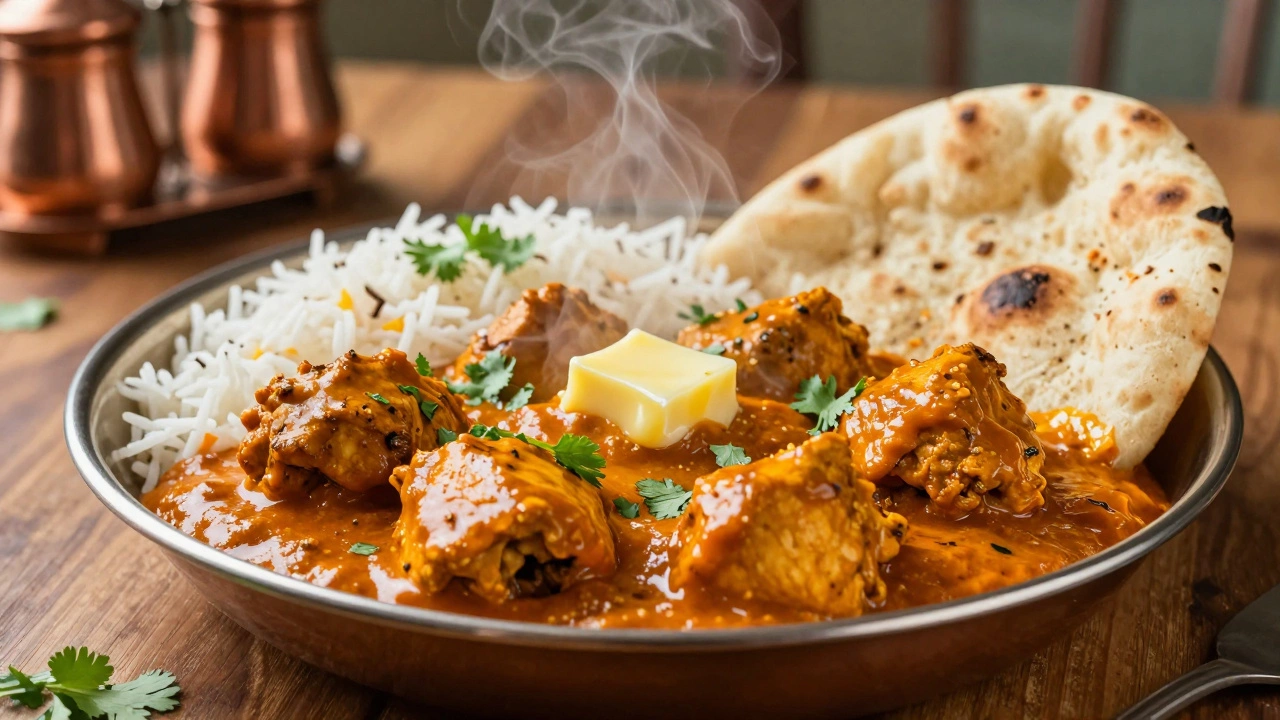
What Is the #1 Indian Dish? The Truth Behind India’s Most Beloved Food
Butter chicken is the most popular Indian dish worldwide, loved for its creamy texture, mild flavor, and easy preparation. It unites regions, cultures, and generations-not because it's the most complex, but because it's the most comforting.
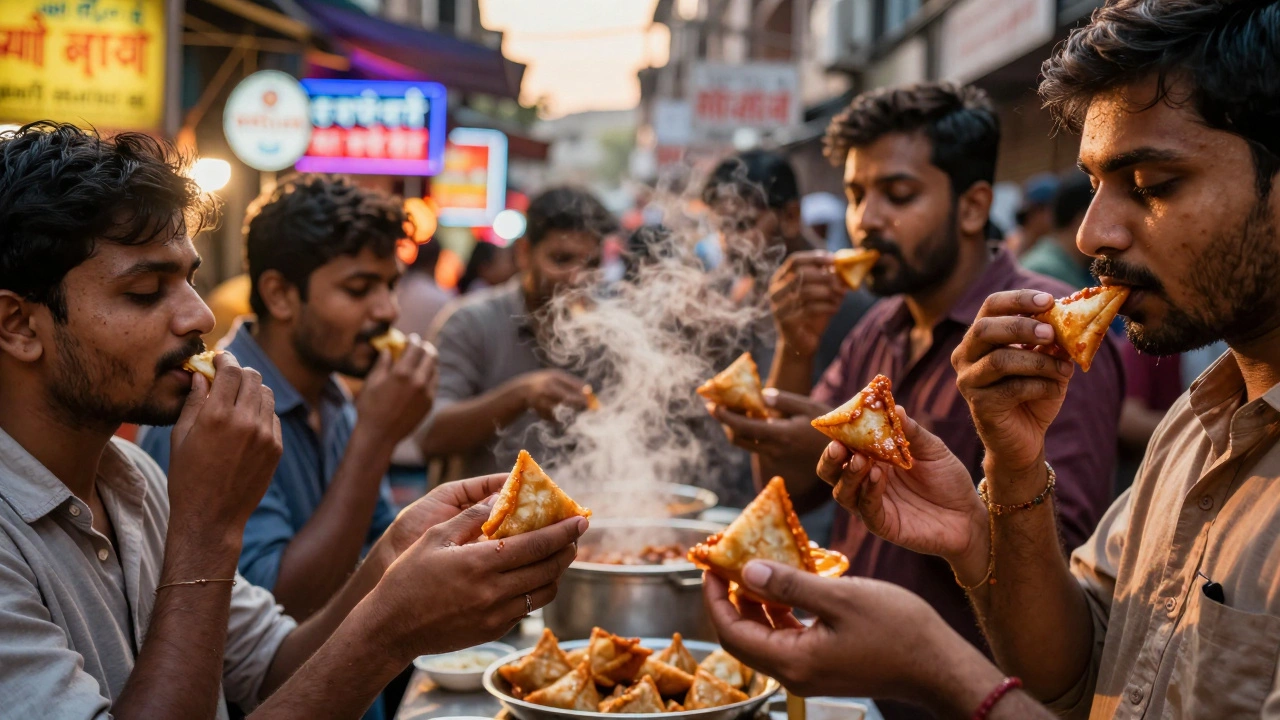
Why Do Indian Street Food Eaters Use Their Hands?
Indian street food is meant to be eaten with hands - not because there are no utensils, but because your fingers enhance flavor, texture, and connection. It’s sensory, cultural, and surprisingly hygienic.
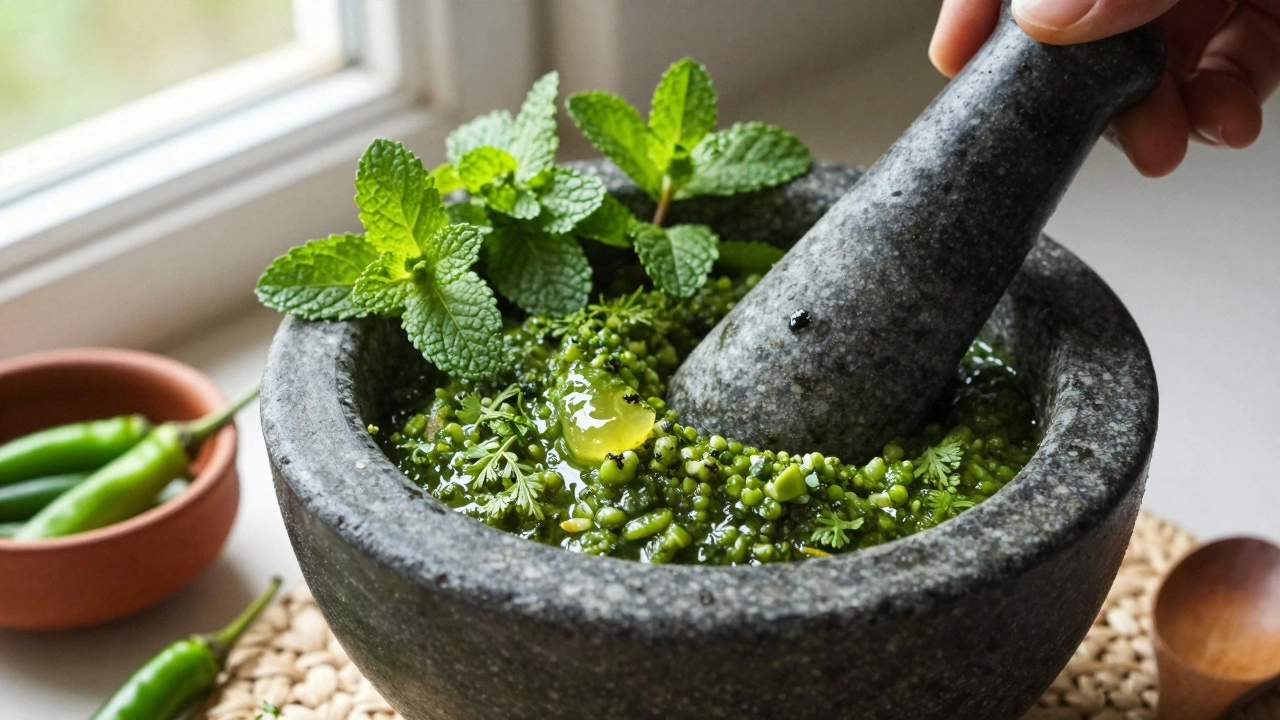
Is Chutney Good or Bad for You? The Real Health Impact
Chutney can be healthy or unhealthy depending on how it's made. Homemade versions with fresh herbs and no added sugar support digestion and immunity, while store-bought ones often hide sugar and preservatives. Learn how to choose or make chutney that actually benefits your health.
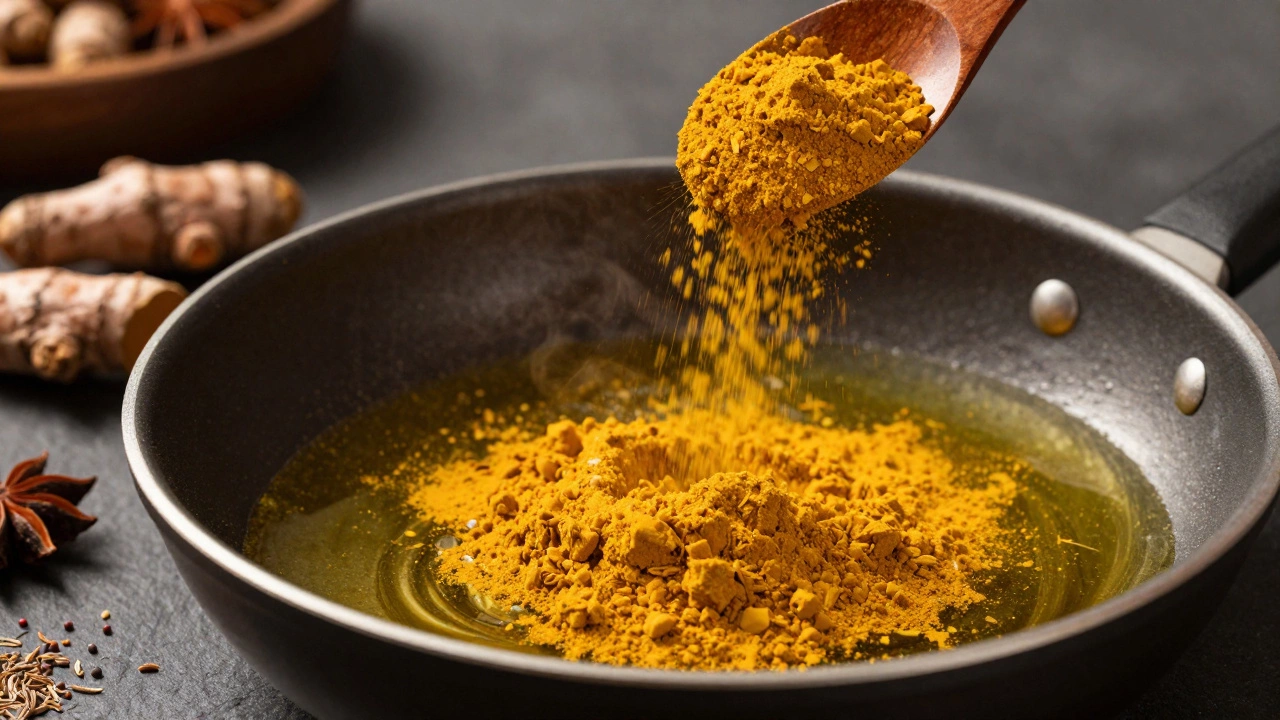
What Is the Golden Yellow Spice Used in Curries?
Turmeric is the golden yellow spice that gives curries their signature color and earthy depth. Used for thousands of years in Indian cooking, it's the backbone of chicken curry and many other dishes-not just for flavor, but for tradition and authenticity.
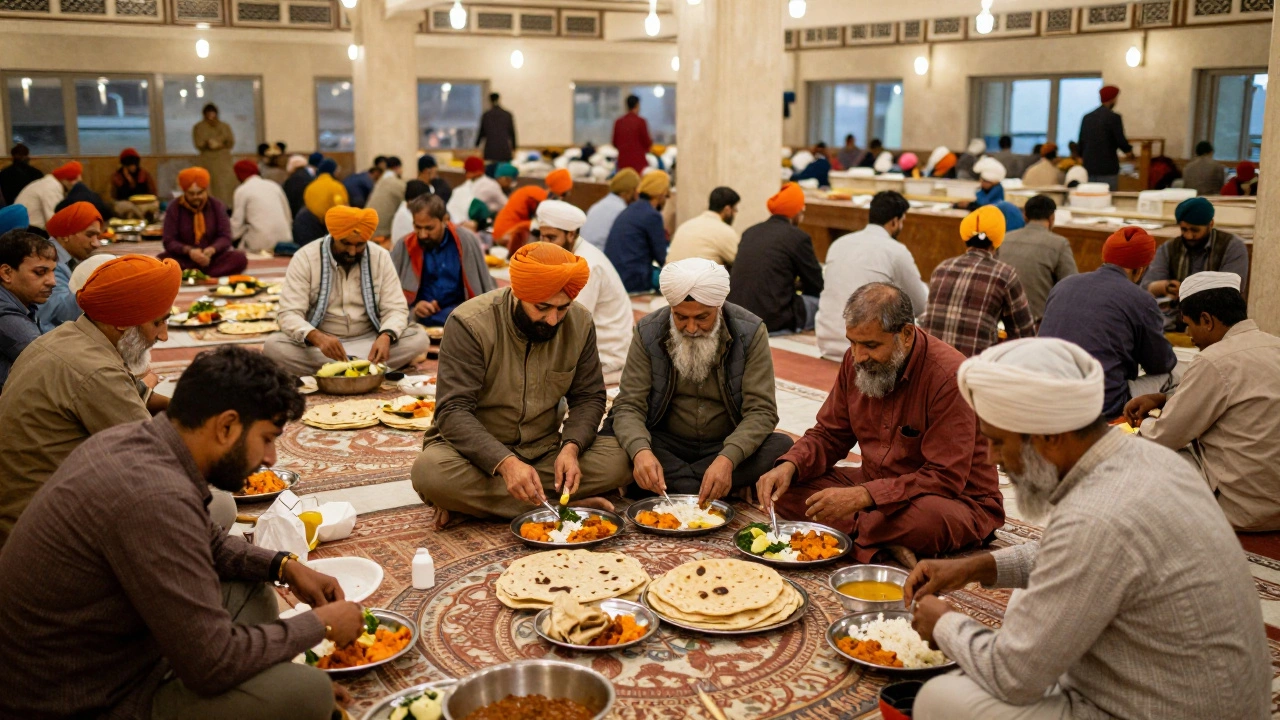
What Foods Are Forbidden in Sikhism? A Clear Guide to Dietary Practices
Sikhism doesn't ban meat or require vegetarianism, but it strictly forbids ritual slaughter and all intoxicants. Learn what Sikhs really eat - and why their food rules are about equality, not restriction.
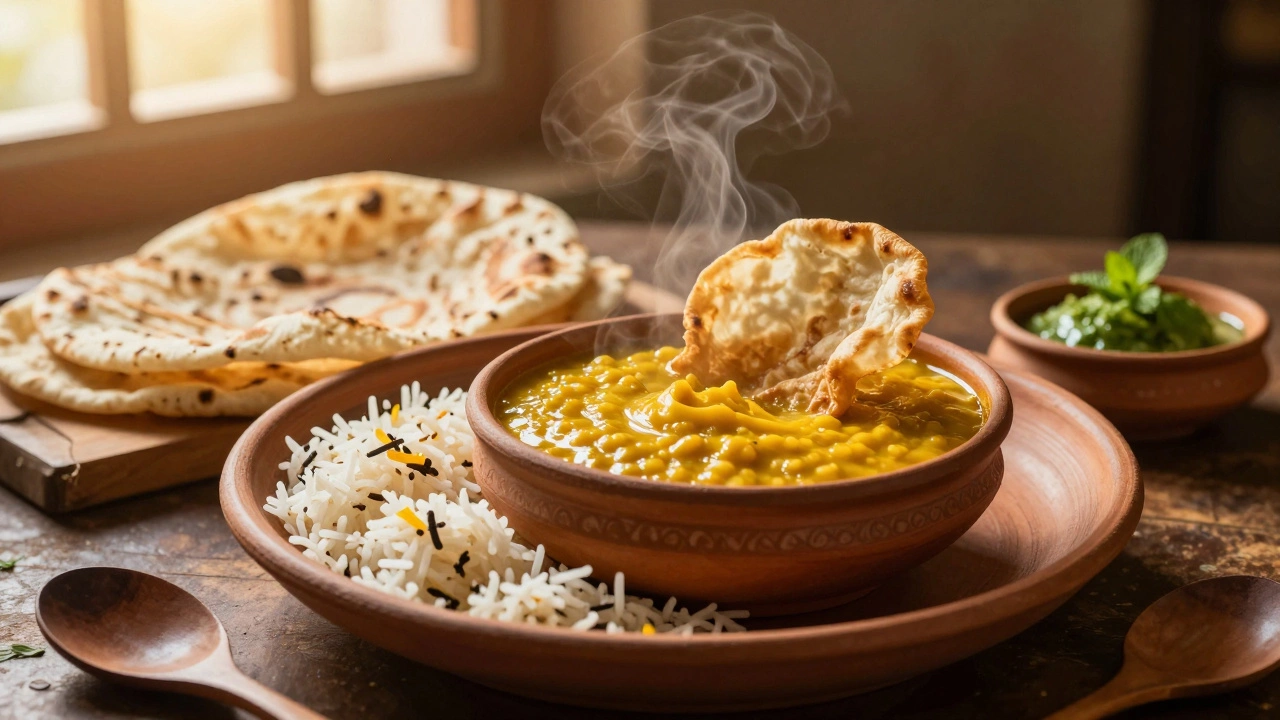
What to Eat With Dal? 10 Perfect Pairings for Every Meal
Discover the best ways to pair dal with rice, roti, chutneys, pickles, and more for a balanced, satisfying Indian meal. Simple, traditional, and deeply flavorful.

Why Add Oil to Roti Dough? The Simple Secret Behind Soft, Fluffy Rotis
Adding oil to roti dough isn’t optional-it’s the secret to soft, fluffy, and long-lasting rotis. Learn why a simple teaspoon changes everything about texture, puffing, and shelf life.
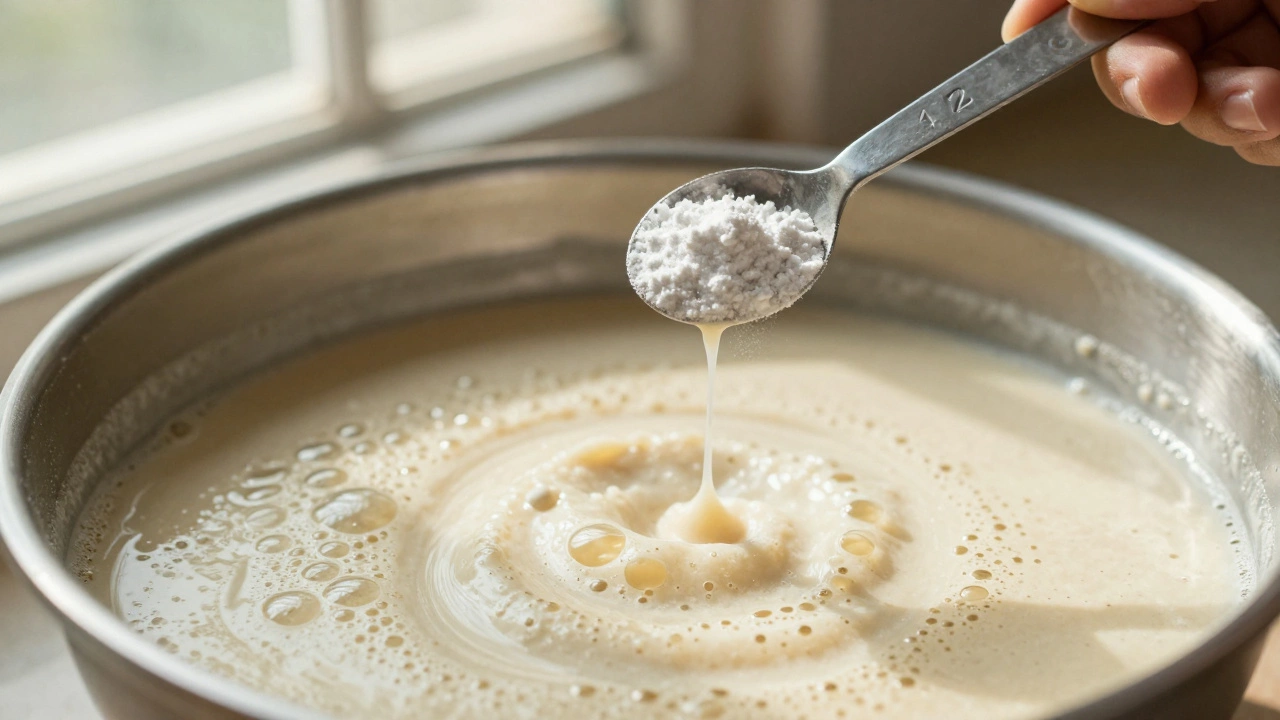
When to Add Baking Powder to Dosa Batter? The Right Timing for Fluffy Dosas
Adding baking powder to dosa batter can help achieve fluffy, crispy dosas-but only if you add it at the right time. Learn the exact moment to use it, why timing matters, and how to avoid common mistakes that ruin texture and flavor.
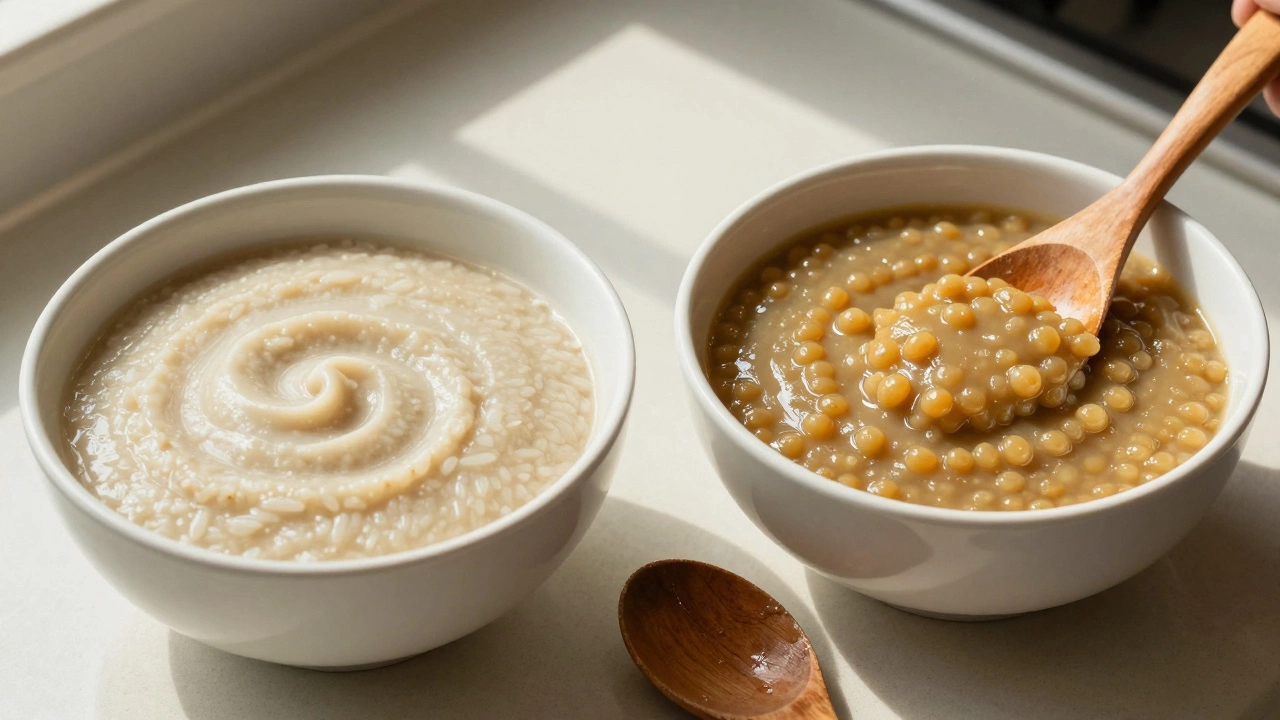
What Happens If Urad Dal Is Too Much in Dosa Batter?
Too much urad dal in dosa batter leads to sticky, rubbery dosas that won’t crisp or ferment properly. Learn the right ratio, how to fix mistakes, and why science says 3:1 rice to urad dal works best.
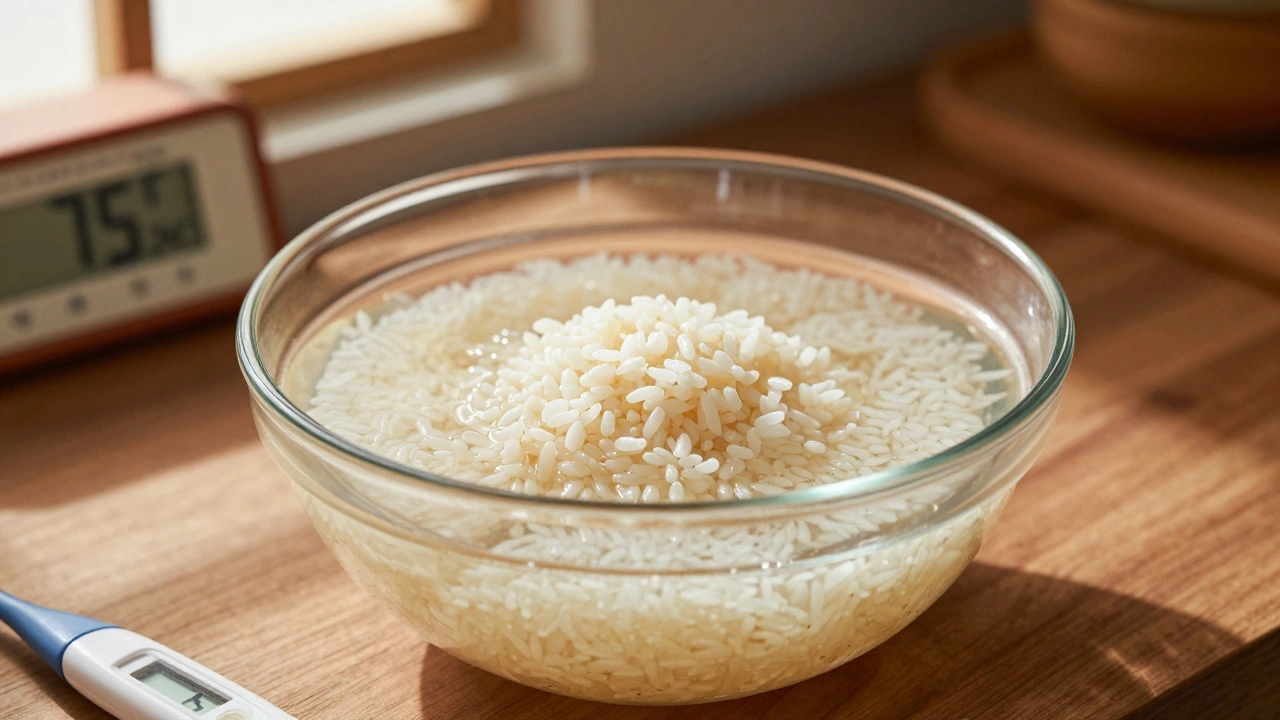
How Long to Soak Rice for Dosa Batter: A Step-by-Step Guide
Soaking rice correctly is the key to perfect dosa batter. Learn the exact soaking time, why it matters, and how to avoid common mistakes for crispy, fluffy dosas every time.
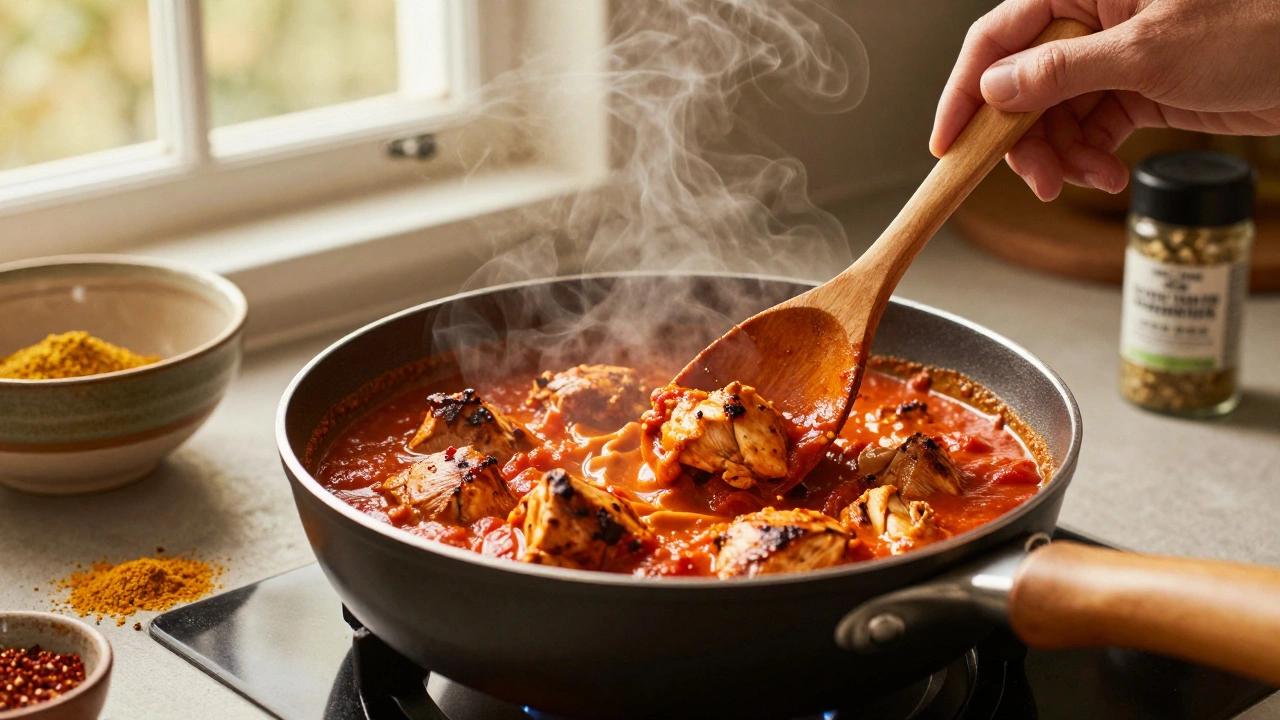
What Type of Curry Is Best for Beginners? Easy Indian Recipes to Start With
The best curry for beginners is Chicken Tikka Masala or Paneer Butter Masala - mild, creamy, and easy to make with common spices. No fancy tools or ingredients needed. Start here to build confidence in Indian cooking.
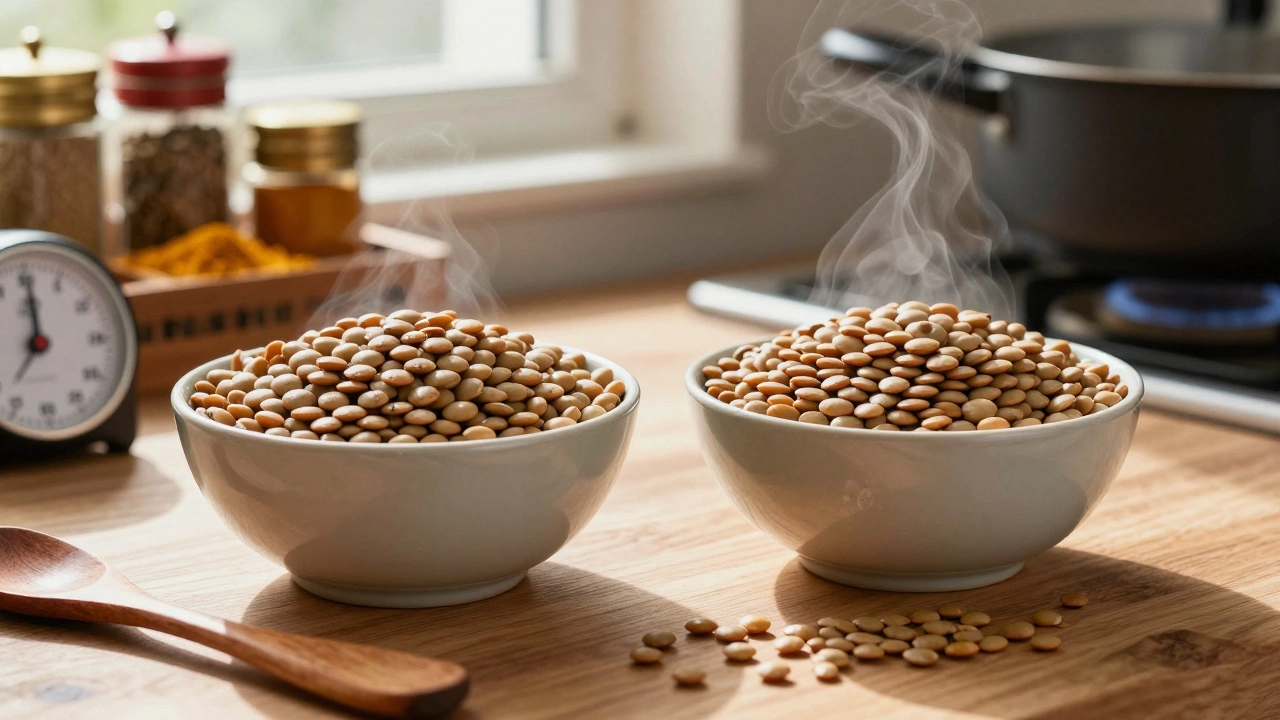
What Happens If You Don't Soak Lentils Before Cooking?
Skipping the soak for lentils increases cooking time, reduces nutrient absorption, and affects texture and flavor. Learn why soaking matters for perfect dal every time.